

 プレビュー
プレビュー
 プリントを購入
 シェアする
シェアする シェアする
シェアする
 詳細を見る
詳細を見る

 ダウンロード
 似ている作品
 X線調査
X線調査 スライドショー
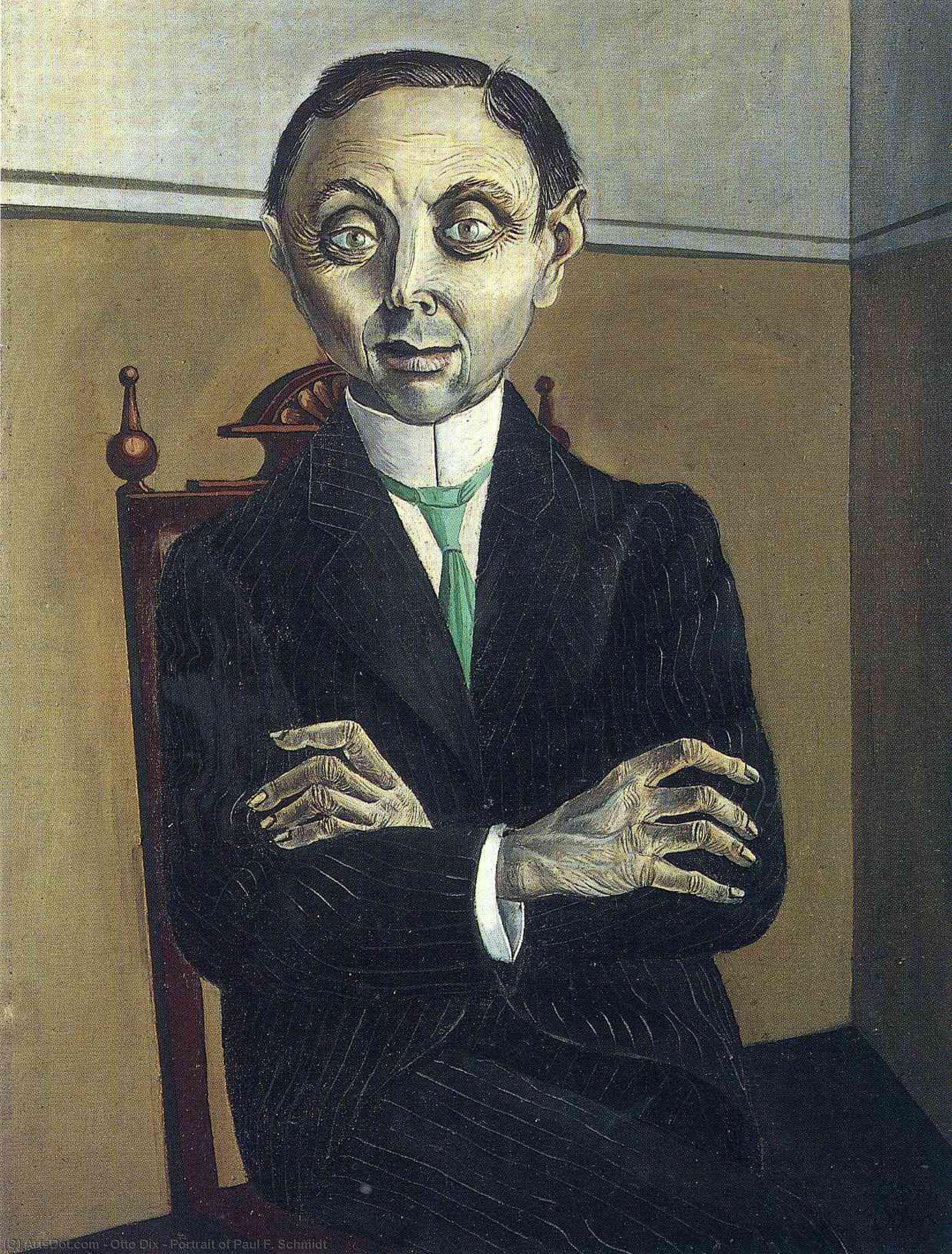
Portrait of Paul F. Schmidt
 Oil
Oil- WallArt
- Neue Sachlichkeit
 1921
1921- Modern
 63.0 x 82.0 cm
 詳細を見る
詳細を見る
オンラインプレビューをはるかに凌ぐ、高解像度で鮮明なデジタル画像をご購入いただけます。
各ファイルは、社内の専門家が高度なツールと熟練した手作業によるレタッチを用いて、細心の注意を払って準備されています。すべての画像において、卓越した鮮明度、正確な色彩再現性、そして繊細なディテールを保証いたします。
最終ファイルは、プロフェッショナルな編集・印刷環境ですぐにご利用いただけるよう最適化された状態で、72時間以内にメールにてお届けいたします。これは、一流のデザインスタジオ、出版社、ギャラリーから信頼されているものと同等の品質です。
デジタル画像のご注文に付随する特典
高品質なデジタル画像配信を、確かな品質で。
ArtsDot.com を選ぶことは、単に画像を手に入れることではありません。それは、プロの手によって精密に仕上げられ、満足保証が付いた高品質なデジタルアートワークを受け取ることを意味します。ご注文いただいた際に自動的に付随する内容は、以下の通りです:

メールですぐにお届け
ご注文から72時間以内に、高解像度のデジタル画像ファイルがメールでお手元に届きます。すぐにそのままご利用いただけます。

AI技術で最適化されたデジタルファイル
お客様の作品は、高度なAIツールと専門家による手作業の編集を組み合わせてプロフェッショナルに最適化されており、細部のディテール、鮮明さ、そして正確な色再現性を最大限に引き出しています。

一生涯無料の再送サービス
ファイルを誤って削除したり、紛失してしまったりしましたか?ご安心ください。いつでも無料で再送いたします。

輸入手数料は一切かかりません
関税や手数料、配送料を気にすることなく、お気に入りのアートワークをすぐにお楽しみいただけます。デジタルダウンロードは常に免税です。

色彩再現の保証
プロ仕様のツールとカラーマネジメント技術を用いることで、デジタル画像が元の色を最大限に忠実に再現することを保証いたします。

60日間満足保証
ご購入いただいたデジタル画像にご満足いただけない場合は、60日以内であれば、修正または100%の返金(理由を問う必要はありません)をさせていただきます。

100% 返金保証
ご満足いただけない場合は、デジタルファイルを受け取ってから60日以内であれば、理由を問わず全額返金いたします。

まとめ買い割引
3枚購入で10%OFF - 5枚購入で15%OFF - 10枚以上購入で20%OFF。クリエイティブなプロジェクト、ギャラリー、エージェンシーに最適です。
作品の詳細
A Moment Frozen in Contemplation
In the quiet depths of Otto Dix’s 1921 masterpiece, Portrait of Paul F. Schmidt, we are invited into a space of profound stillness and psychological weight. The painting presents a man seated with a gravity that seems to anchor the entire composition. Dressed in a formal suit accented by a striking green tie, Schmidt is captured not in a moment of action, but in one of deep, perhaps even somber, introspection. His gaze is cast downward, averted from the viewer, suggesting a mind turned inward, grappling with thoughts that remain hidden from the external world. This downward tilt of the head and the heavy, contemplative expression create an immediate emotional resonance, pulling the observer into the subject's private sphere of reflection.
The setting itself serves as a silent witness to this internal monologue. The arrangement of the room—with chairs positioned behind the subject and a clock suspended on the wall—adds a layer of domestic stillness that borders on the cinematic. There is a palpable sense of time passing, or perhaps time standing still, emphasized by the presence of the clock, which acts as a subtle memento mori, reminding us of the fleeting nature of human existence. The vintage atmosphere of the piece, rendered with an old-fashioned elegance, transports the viewer to the early twentieth century, evoking a sense of nostalgia for a bygone era of formal dignity and quietude.
The Mastery of Neue Sachlichkeit
As a pivotal figure of the Neue Sachlichkeit, or New Objectivity, movement, Otto Dix brings a level of stark, unflinching realism to this portrait that is both captivating and unsettling. Unlike the more fluid movements of previous decades, Dix’s technique here focuses on a precise, almost clinical rendering of form and texture. Every fold in the subject's clothing and every subtle shadow cast by the ambient light is treated with meticulous care. This precision does not merely serve to replicate reality; it serves to heighten the psychological tension within the frame. By stripping away unnecessary ornamentation, Dix forces us to confront the raw, unadorned essence of his subject.
For the discerning collector or interior designer, this painting offers a sophisticated interplay of color and light. The muted palette, punctuated by the singular, verdant note of the green tie, creates a balanced composition that is both visually stimulating and harmoniously calm. The way the light falls across the man's face, highlighting the contours of his features while leaving parts of the background in soft shadow, provides a depth that makes the canvas feel three-dimensional. This mastery of light and shadow ensures that the artwork remains a commanding focal point in any curated space, offering a sense of historical weight and intellectual depth.
An Enduring Legacy for Modern Interiors
Integrating a high-quality reproduction of this work into a contemporary or classic interior allows for a profound dialogue between history and modern aesthetics. The Portrait of Paul F. Schmidt is more than just a depiction of a man; it is an exploration of the human condition, captured through the lens of one of Germany's most significant twentieth-century artists. Its ability to evoke emotion—ranging from melancholy to quiet respect—makes it an ideal choice for those looking to add character and soul to a room.
Whether placed in a study, a library, or a formal living area, the painting serves as a conversation piece that invites lingering observation. It provides a sense of permanence and stability, grounding a modern space with its historical gravity. For lovers of fine art, owning a reproduction of this caliber is an opportunity to possess a fragment of the Weimar Republic's complex artistic soul, bringing the haunting beauty of Otto Dix’s vision into the intimacy of the home.
関連作品

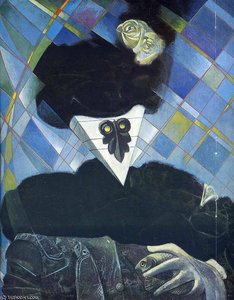
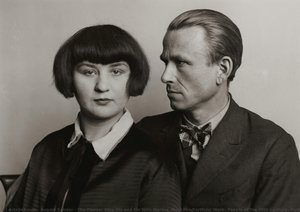
作家の略歴
生い立ちと戦争の影
ヴィルヘルム・ハインリヒ・オットー・ディックスは、1891年にドイツのウンターハウスで生まれました。彼の父親は鉄工場の労働者であり、母親は詩的な精神を育み、若き日のオットーの創造性を静かに促しました。重要なのは、画家フリッツ・アマンの影響です。アマンのスタジオで過ごした時間は単なる技術のレッスンではなく、芸術表現が具体的な力を持つ世界への没頭でした。この初期の経験はカール・ゼンフとの徒弟制度やドレスデン美術工芸学校での研究につながりましたが、当初は純粋な絵画よりも応用芸術に重点を置いていました。しかし、第一次世界大戦がディックスの芸術的軌跡を決定的に変えました。自発的に兵役に参加した彼は、塹壕戦の残酷さを直接体験し、そのトラウマは何十年にもわたって彼の作品につきまといます。ソンムの戦いやフランダースでの戦闘で目撃した恐怖は、有望な風景画家から人間の苦しみと社会の衰退を描く記録者へと彼を変えました。ヴァイマル共和国とノイエ・ザハlichkeit
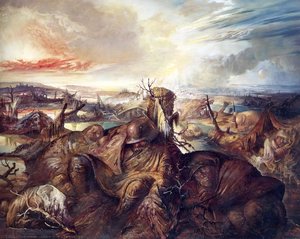
戦争から帰還したディックスは大きく変化し、その経験を容赦ない描写に変えました。初期の戦後作品には表現主義的な傾向が見られましたが、すぐに新しい美学—*ノイエ・ザハlichkeit*(新客観主義)へと傾倒しました。この運動は感情的な抽象性を拒否し、辛辣なリアリズムと批判的な社会評論を重視しました。ディックスはジョージ・グロスやマックス・ベックマンとともに、その主要な人物の一人となりました。1923年の『塹壕』のような絵画は、バラバラになった死体のグラフィックな描写によって公衆の怒りを引き起こし、美術館が作品を隠すことを余儀なくさせました。これは単なる衝撃を与えるためではありませんでした。それは、戦争の残酷な真実を鑑賞者に直面させ、英雄主義や栄光のロマンチックな概念を取り除く意図的な試みでした。彼は兵士に負わされた肉体的および心理的傷を描くことを躊躇しませんでしたし、社会が彼らの苦境を無視していることも見過ごしませんでした。『戦没者』の一連の絵画はさらにこのテーマを強調し、社会に見捨てられ忘れられた退役軍人を描いています。戦争を超えて、ディックスはヴァイマルドイツの過剰と道徳的破綻にも目を向けました。1928年の『メトロポリス』は都市生活に対する痛烈な告発であり、堕落、売春、社会的な疎外のシーンで満たされています。この時代の彼の肖像画も同様に容赦がなく、時代のエリートのシニシズムと退廃を捉えています。政治的混乱と晩年
1930年代に入るとドイツが政治的混乱に陥り、ディックスはナチス政権からますます標的にされるようになりました。彼の芸術は「堕落した」と見なされ、1933年にドレスデン美術アカデミーの教職を解任されました。迫害と検閲に直面したディックスは、徐々に露骨な政治的主題から離れ、代わりに風景や宗教的な主題へと移行しました—これは自己保存のための戦略的な動きでした。しかし、これらの後期作品でさえ、根底にある緊張感と不安感を保っていました。第二次世界大戦中、彼は再びドイツ軍に徴兵され、その経験は彼の反戦姿勢をさらに強固なものにしました。戦後、ディックスは新たな評価と称賛を得ましたが、両方の紛争のトラウマは彼の芸術の中で響き続けました。彼は戦後のドイツで尊敬される人物となりましたが、戦争体験の影から完全に逃れることはできませんでした。遺産と芸術的影響
オットー・ディックスの芸術的遺産は多面的かつ永続的です。彼は20世紀を代表する最も重要なドイツ人画家の1人であり、妥協のないリアリズム、辛辣な社会評論、人間の苦しみを容赦なく描いたことで知られています。彼の影響は、困難な真実と社会規範に挑戦しようとした後世の芸術家たちの作品に見ることができます。ディックスが技術的なスキルを感情的な強度と融合させる能力 は彼を際立たせています。彼は現実を単に記録しているのではなく、深い共感と道徳的憤りのレンズを通して解釈していました。戦争、トラウマ、社会的不公正、人間の状態といったテーマの探求は、今日でも聴衆に響き続けています。彼は芸術が美的にも力強く、政治的にも関与し、社会変革のための強力な力として機能できることを示しました。- ディックスの作品は、ニューヨーク近代美術館やドイツのズーアモンド・ルートヴィヒ博物館など、世界中の主要な美術館に展示されています。
- 彼の版画、特に『戦争』は、グラフィックアートの傑作と見なされています。
- 彼はヴァイマルドイツの芸術的および社会的景観を理解する上で不可欠な人物です。
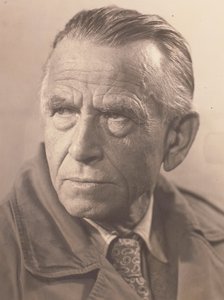
オットー・ディックス
1891 - 1969
プロフィール概要
- Artistic Movement Or Style: ノイエ・ザハlichkeit(新即物主義)
- Artists Or Movements Influenced By This Artist: ['ジョージ・グロス']
- Date Of Birth: 1891年12月2日
- Date Of Death: 1969年7月25日
- Full Name: ヴィルヘルム・ハインリヒ・オットー・ディックス
- Nationality: ドイツ人
- Notable Artworks (List Of Titles):
- 塹壕
- 大都市
- 戦争傷痍兵
- 戦争
- Place Of Birth (City And Country): ドイツ、ウンターハウス

