

 プレビュー
プレビュー
 プリントを購入
 シェアする
シェアする シェアする
シェアする
 詳細を見る
詳細を見る

 ダウンロード
 似ている作品
 X線調査
X線調査 スライドショー
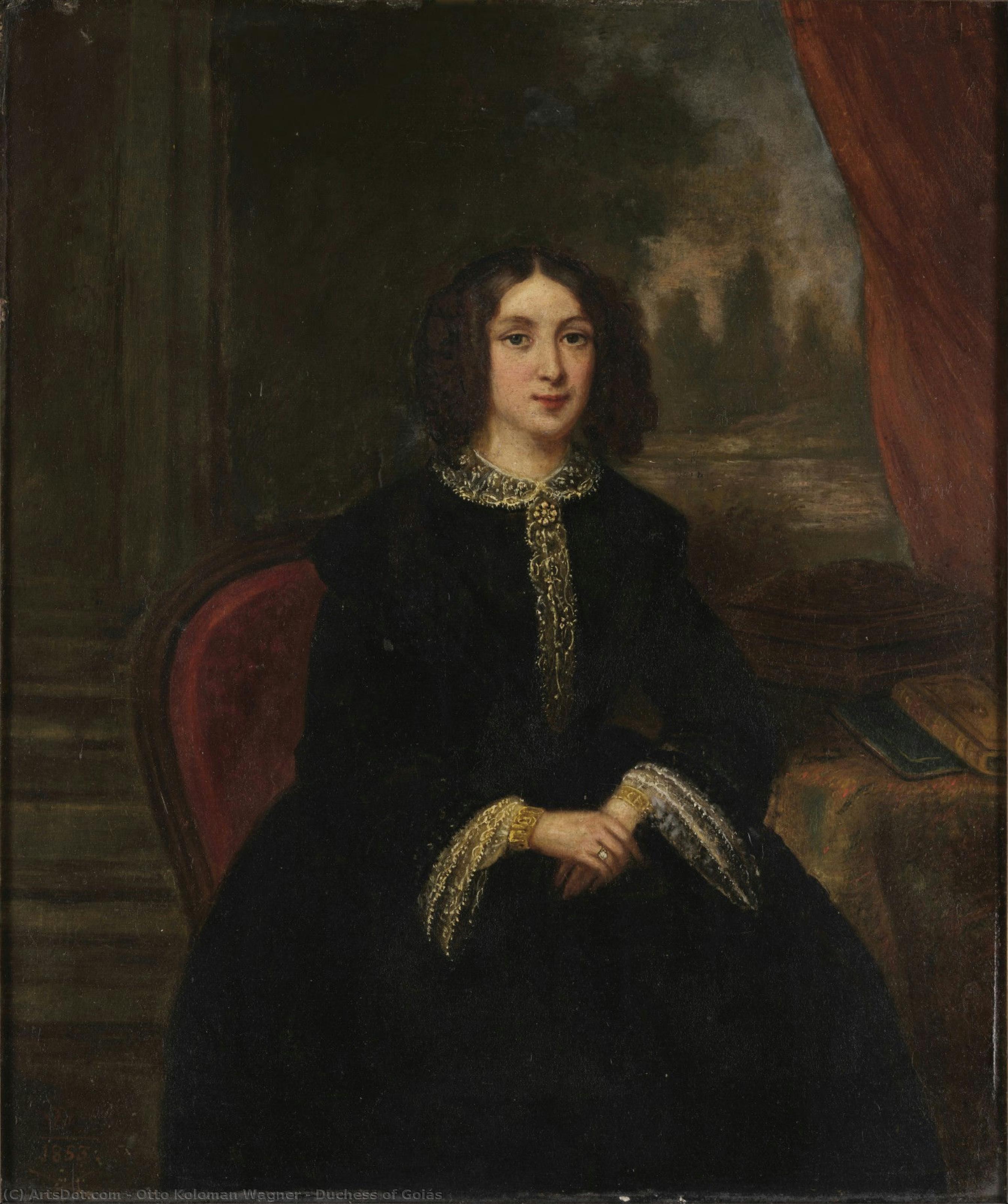
Duchess of Goiás


 詳細を見る
詳細を見る




P118B $10

P118H $10

P118W $10

P438Z $10

P508JH $12

P508YH $12

P805H $10

P805Z $10

P919BZ $10

P919G $10

P919XJ $10

P959ZH $10

P968JZ $12

W106C $8

W218G $10

W218JH $8

W218Y $10

W307PJ $10

W316G $10

W316PJ $8

W316Y $10

W398PJ $8

W4111J $10

W500HY $15

W500JH $15

W692G $12

W849H $8

W940BG $15

W953PJ $8




作品のオリジナル比率に合わせた、当店の規定サイズからお選びください。

特定のフレームやスペースに合わせて、ご希望のサイズをご入力いただけます。選択されたサイズが元の画像の比率と異なる場合、アートワークをトリミングするか、手描きで要素を追加して絵画を拡張いたします。デジタルモックアップ を制作し、制作開始前にご確認(承認)をいただきます。
画面上のプレビューは、実際のトリミングや拡張を正確に反映しているものではありません。最終的な構図は、モックアップによってのみ正確にご確認いただけます。
カスタムサイズもご利用いただけますが、元の比率を維持するためには、あらかじめ用意されたリストからサイズを選択することをお勧めいたします。
ご注文後、ArtsDot.com チームより詳細な指示をお送りするとともに、仕上がりイメージ(モックアップ)をご提供いたします。


 ガラスオプションは、110cm未満のサイズでのみご利用いただけます。

Duchess of Goiás
複製技法
複製画のサイズ
-


合計金額
$ 263
作品解説
A Window into 19th-Century Brazil
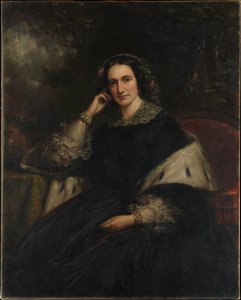
Otto Koloman Wagner’s “Duchess of Goiás” isn't merely a portrait; it’s a meticulously crafted window into the heart of 19th-century Brazil. Painted in 1853, this captivating work captures Isabel Maria de Alcântara Brasileira, the first and only Duchess of Goiás – a woman whose life intertwined with imperial intrigue, noble lineage, and the burgeoning identity of her nation. The painting immediately draws the eye with its formal composition, echoing the traditions of European portraiture while subtly reflecting the evolving artistic sensibilities of the era. It’s a testament to Wagner's skill in blending classical techniques with a growing awareness of modern aesthetics.
A Study in Romantic Detail
The painting’s power lies in its exquisite detail and the masterful use of light and shadow. Wagner employs a rich, dark palette dominated by deep reds, browns, and blacks – colors that evoke both the opulence of Brazilian nobility and the somber dignity of the subject. The Duchess is seated on a rounded chair upholstered in crimson velvet, her posture conveying an air of quiet composure. Her long face, framed by carefully arranged curls, bears subtle signs of age—a delicate staining of the skin—adding to the painting’s sense of realism and timelessness. Notice the meticulous rendering of her hands, resting gracefully upon her lap, adorned with a ring that speaks volumes about her status. The architectural background, subtly blurred, hints at an interior setting – perhaps a grand salon within the Duchess's estate – while the landscape glimpsed through the window suggests the vastness and beauty of Brazil itself.
- Technique: Oil on wood panel, showcasing Wagner’s layered brushstrokes and skillful blending of colors.
- Composition: A balanced half-length portrait emphasizing the Duchess's face and upper body.
- Lighting: Soft, diffused light creates a sense of intimacy and highlights key features.
The Woman Behind the Portrait
Isabel Maria de Alcântara’s life was anything but conventional. Born out of wedlock to Emperor Pedro I and Domitila de Castro, she defied societal expectations by being legitimized as a Duchess – a remarkable achievement for an illegitimate child in 19th-century Brazil. This official recognition granted her noble status and elevated her position within the court. The painting captures not just her physical appearance but also hints at her complex history—a woman navigating the intricacies of imperial politics, social hierarchies, and personal aspirations. Her story is intertwined with that of Amélie of Leuchtenberg, the Empress who married Pedro I, and whose influence shaped Isabel’s life.
Further research reveals that Isabel Maria received an extensive European education, traveling to France where she was tutored by leading artists and intellectuals. This exposure undoubtedly informed her refined demeanor and appreciation for art and culture, as reflected in the painting's sophisticated composition and attention to detail.Symbolism and Legacy
Beyond its aesthetic qualities, “Duchess of Goiás” is rich in symbolism. The red chair represents wealth and status, while the ring signifies her noble lineage. The carefully arranged details—the lace trim, the jewelry, the books on the bookcase—all contribute to a portrait of refined elegance and aristocratic grace. Wagner’s work serves as a poignant reminder of a pivotal moment in Brazilian history – the rise of the monarchy and the emergence of a distinct national identity. Reproductions of this captivating painting offer a tangible connection to this fascinating era, inviting viewers to contemplate the life and legacy of a remarkable woman.
関連作品
アーティストの略歴
近代の先駆者:オットー・コロマン・ヴァグナーの生涯とヴィジョン
1841年にウィーンで生まれたオットー・コロマン・ヴァグナーは、19世紀の歴史主義と近代建築の黎明期を繋ぐ極めて重要な人物です。彼の歩みは、決して突発的な革命ではありませんでした。それはむしろ、確立された規範を思慮深く解体し、機能性と誠実な表現への揺るぎない献身を伴う、緩やかな進化のプロセスでした。当初、ウィーン工科大学での古典的な訓練を受け、後にベルリンの王立建築アカデミーで研鑽を積んだヴァグナーの初期作品は、当時の主流であったアカデミックな様式を反映していました。しかし、その伝統的な枠組みの中にさえ、革新の種は蒔かれていたのです。アウグスト・シカルズブルクやエドゥアルト・フォン・デア・ニュルの指導の下で行われた研究は、「建築は、その現代的な目的に適した『合理的表現』を備えていなければならない」という極めて重要な原則を彼に植え付けました。この概念こそが、彼の生涯の仕事の中核となっていきます。これらの形成期は、単に技術を習得するための期間ではありませんでした。それは建築思想の根底そのものに疑問を投げかけ、ヴァグナーがいずれ慣習を打破するための舞台を整える時期だったのです。彼は、古典的な要素と新興のモダニズム思想を巧みに融合させた集合住宅を設計するなどの投機的な事業を通じて名声を築き始めました。自らプロジェクトの資金を調達しながら、芸術的なヴィジョンと並行して起業家精神をも発揮していったのです。ウィーン分離派と開花する様式
大きな転換点は、1893年のウィーン都市計画コンペティションへの挑戦によって訪れました。最終的な全体計画において勝利を収めることはできませんでしたが、彼の提案、特に統合された都市鉄道網に関する構想は多大な注目を集め、1894年には市営鉄道システムの主任建築家に任命されることとなりました。これは、都市計画とより実用的なデザインへの決定的なシフトを意味していました。同時に、ヴァグナーは1897年に創設された新進気鋭の「ウィーン分離派」運動に深く関わるようになります。芸術家、建築家、デザイナーからなるこのグループは、伝統的な芸術的慣習という硬直した制約からの解放を求め、新しい表現形式を受け入れ、既成の秩序に挑戦しようとしていました。この時期、ヴァグナーのスタイルは、アール・ヌーヴォーの華麗な装飾と機能的な明快さが融合した、独特なものへと開花しました。彼が設計したウィーンの地下鉄駅――しばしばコロマン・モーザーによる装飾が施されたもの――は、この統合の最高の例です。これらは単なる交通の拠点ではありませんでした。都市に暮らす人々の日常的な体験を高めるために、細部まで練り上げられた芸術作品だったのです。やがتے、幾何学的な形態への嗜好、構造を隠すのではなく強調するための最小限の装飾、そしてデザインの原動力としての機能性への揺るぎない重視といった特徴が、ヴァグナーの建築言語を定義し始めました。不朽の創造物と建築的革新
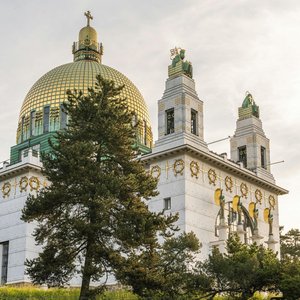
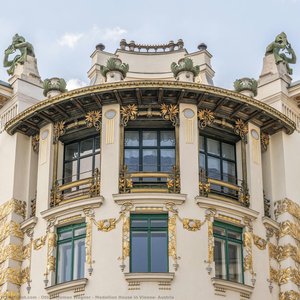
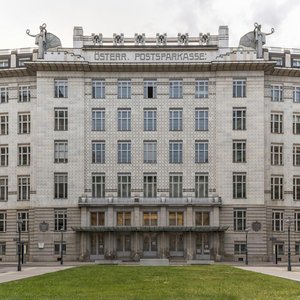
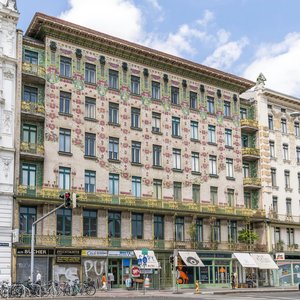
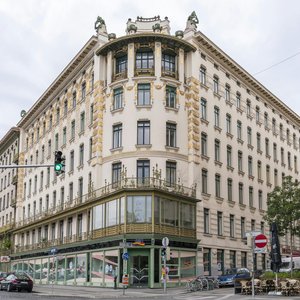
ヴァグナーの遺産は、進化し続ける彼の様式と革新的な思考を示す一連の素晴らしい建造物を通じて、ウィーンの都市景観に深く刻み込まれています。「メダリオン・ハウス」(1900年)は、ウィーン分離派の象徴的な例として存在しており、そのファサードには幾何学的な秩序を保ちつつも装飾性を暗示する様式化されたメダリオンが施されています。また、1897年から1902年にかけて完成した「シュタインホフ教会(聖レオポルト教会)」は、芸術を日常生活へとシームレスに融合させるヴァグナーの能力を証明しています。そこは単なる礼拝の場ではなく、地域社会にとって精神を高揚させる体験の場として設計されました。驚くべきことに、元々は公衆トイレとして計画された「カールスプラッツ・パビリオン」(1897-1904年)のような一見ありふれた構造物でさえ、彼の機能的なデザインと都市計画における卓越した手腕を示す称賛されるべき例となりました。「マヨリカ・ハウス」(1906-1913年)もまた、装飾芸術を建築に統合する彼の技術の証であり、鮮やかなマヨリカタイルで覆われた豪華なファサードが目を引きます。しかし、彼がより抑制された美学へと移行したことを真に象徴したのは、「オーストリア郵便貯金局」の建物(1894-1905年)でした。それは簡略化された形態と構造的な明快さを強調した、記念碑的な建造物です。永続する遺産:近代建築の形成
1906年から1918年の死去に至るまでのヴァグナーの後期の作品は、現在では近代建築運動の前駆体として広く認められています。彼はアール・ヌーヴォーの植物的な装飾から離れ、構造的な誠実さと機能的な効率性を優先する、より簡素で幾何学的な語彙を採用しました。これは単なる装飾の拒絶ではありませんでした。それは、急速に変化する世界のニーズに対する直接的な応答であり、「建築とは本来どうあるべきか」という根本的な再考だったのです。後世の建築家たちへの彼の影響は否定しようがありません。機能性、幾何学的デザインを提唱し、過剰な装飾を退けたことで、ヴァグナーはモダニズムの原則を発展させるための極めて重要な基礎を築きました。彼は単に構造物を建てていたのではありません。20世紀、そしてそれ以降の時代に響き渡ることとなる、新しい建築哲学を言葉にしていたのです。ウィーン分離派への彼の貢献は、芸術的な自由と革新の環境を育む上で極めて重要な役割を果たし、従来の規範に挑戦する新しい美学への道を切り拓きました。オットー・コロマン・ヴァグナーの遺産は、彼個人の功績としてだけでなく、過去と未来の架け橋となった先駆的な役割として、今なお称えられ続けています。彼は、美しさと機能性を兼ね備えた建築を創造しようとする建築家やデザイナーにインスピレーションを与え続ける、真のヴィジョナリーなのです。その作品は、時代を超えて輝き続ける偉大な巨匠の証として、私たちの傍らにあり続けています。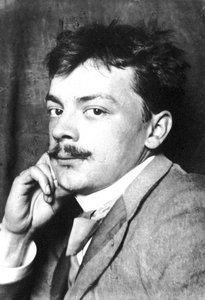
オットー・コロマン・ヴァーグナー
1841 - 1918 , オーストリア
基本情報
- Artistic Movement Or Style: アール・ヌーヴォー、ウィーン分離派
- Artists Or Movements Influenced By This Artist:
- モダニズム建築
- ウィーン分離派
- Artists Who Influenced This Artist:
- アウグスト・シカルズブルク
- エドゥアルト・フォン・デア・ニュル
- Date Of Birth: 1841年
- Date Of Death: 1918年
- Full Name: オットー・コロマン・ヴァーグナー
- Nationality: オーストリア
- Notable Artworks:
- オーストリア郵便貯金銀行
- カールスプラッツ・パビリオン
- メダリオン・ハウス
- シュタインホーフ教会
- Place Of Birth: オーストリア、ウィーン
関連記事
Koloman Moser: A Synthesis of Art Nouveau, Secessionism & the Gesamtkunstwerk Ideal
Explore the life & work of Koloman Moser, a pivotal figure in the Vienna Secession & Wiener Werkstätte. Discover his stunning graphic design, architecture, and applied arts – a true pioneer of Viennese Art Nouveau. Learn more at ArtsDot.
19th Century Masterpieces: 10 Paintings That Defined an Era | ArtsDot
Journey through 19th century art with ArtsDot! Explore 10 iconic paintings – from Monet & Renoir to Courbet – and discover the stories behind Romanticism, Realism & Impressionism. Find museum-quality reproductions for your home decor. Explore the full collection online!
アール・ヌーヴォーを彩る至宝:10の傑作が語る芸術と装飾の世界
アール・ヌーヴォーの魅力を再発見!ムンロ、ドレ、ガウディ…10の傑作が織りなす曲線美の世界。芸術と装飾が融合した至高のアートをArtsDotで堪能し、お部屋に新たな彩りを。コレクションをオンラインで探索しましょう。

The Flowing Line & Flourishing Form: Exploring Art Nouveau's Aesthetic Legacy
Explore the captivating world of Art Nouveau! Discover its origins, key artists like Horta & Mucha, regional styles, innovative techniques, and lasting influence on architecture & design. A comprehensive guide for art enthusiasts.
The Vienna Secession: A Rebellion of Form & Spirit in Fin-de-Siècle Art
Discover the revolutionary Vienna Secession art movement! Explore Klimt, Olbrich & more. Learn about its history, characteristics & lasting influence on modern art. High-quality reproductions available.

