

 プレビュー
プレビュー
 プリントを購入
 シェアする
シェアする シェアする
シェアする
 詳細を見る
詳細を見る

 ダウンロード
 似ている作品
 X線調査
X線調査 スライドショー
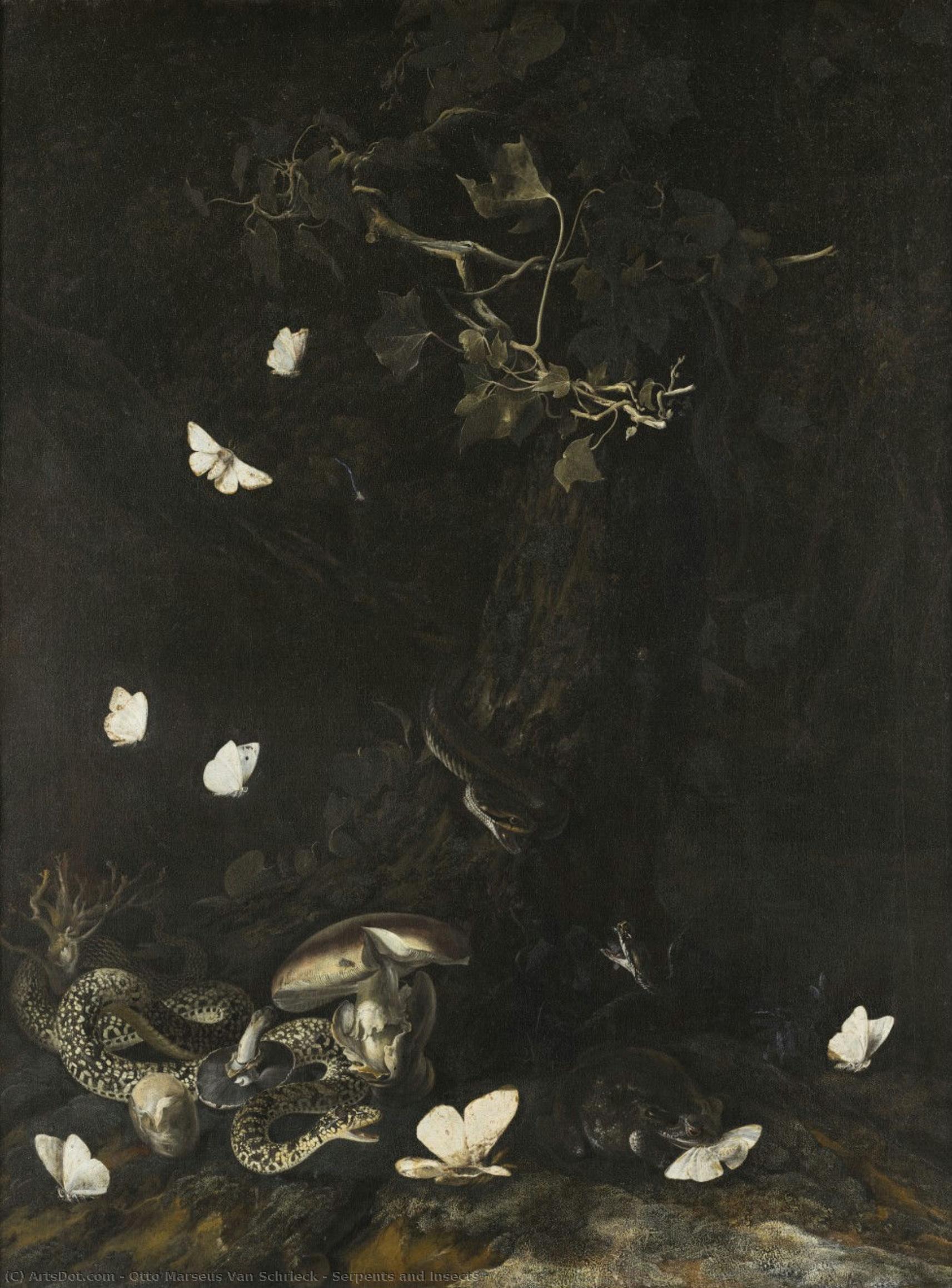
Serpents and Insects
 Oil
Oil- WallArt
- Baroque
 1647
1647- Early Modern
 114.0 x 90.0 cm
 ニューオーリンズ美術館
 詳細を見る
詳細を見る
オンラインプレビューをはるかに凌ぐ、高解像度で鮮明なデジタル画像をご購入いただけます。
各ファイルは、社内の専門家が高度なツールと熟練した手作業によるレタッチを用いて、細心の注意を払って準備されています。すべての画像において、卓越した鮮明度、正確な色彩再現性、そして繊細なディテールを保証いたします。
最終ファイルは、プロフェッショナルな編集・印刷環境ですぐにご利用いただけるよう最適化された状態で、72時間以内にメールにてお届けいたします。これは、一流のデザインスタジオ、出版社、ギャラリーから信頼されているものと同等の品質です。
デジタル画像のご注文に付随する特典
高品質なデジタル画像配信を、確かな品質で。
ArtsDot.com を選ぶことは、単に画像を手に入れることではありません。それは、プロの手によって精密に仕上げられ、満足保証が付いた高品質なデジタルアートワークを受け取ることを意味します。ご注文いただいた際に自動的に付随する内容は、以下の通りです:

メールですぐにお届け
ご注文から72時間以内に、高解像度のデジタル画像ファイルがメールでお手元に届きます。すぐにそのままご利用いただけます。

AI技術で最適化されたデジタルファイル
お客様の作品は、高度なAIツールと専門家による手作業の編集を組み合わせてプロフェッショナルに最適化されており、細部のディテール、鮮明さ、そして正確な色再現性を最大限に引き出しています。

一生涯無料の再送サービス
ファイルを誤って削除したり、紛失してしまったりしましたか?ご安心ください。いつでも無料で再送いたします。

輸入手数料は一切かかりません
関税や手数料、配送料を気にすることなく、お気に入りのアートワークをすぐにお楽しみいただけます。デジタルダウンロードは常に免税です。

色彩再現の保証
プロ仕様のツールとカラーマネジメント技術を用いることで、デジタル画像が元の色を最大限に忠実に再現することを保証いたします。

60日間満足保証
ご購入いただいたデジタル画像にご満足いただけない場合は、60日以内であれば、修正または100%の返金(理由を問う必要はありません)をさせていただきます。

100% 返金保証
ご満足いただけない場合は、デジタルファイルを受け取ってから60日以内であれば、理由を問わず全額返金いたします。

まとめ買い割引
3枚購入で10%OFF - 5枚購入で15%OFF - 10枚以上購入で20%OFF。クリエイティブなプロジェクト、ギャラリー、エージェンシーに最適です。
作品の詳細
A Microcosm of Shadows and Life
In the quiet, shadowed corners of the seventeenth-century Dutch imagination, few artists dared to look as closely at the earth as Otto Marseus van Schrieck. His masterpiece, Serpents and Insects, serves as a breathtaking window into a hidden world, inviting the viewer to descend from the grand landscapes of the era into the intricate, often overlooked drama of the forest floor. This work is not merely a study of nature; it is a meticulously composed stage where the small and the subtle perform a silent, captivating dance. The composition centers on a robust, ancient tree, its trunk acting as an anchor for a swirling ecosystem of life. As the eye wanders through the dense foliage and tangled branches, it encounters a delicate balance of movement and stillness—butterflies flitting through the air like fragments of light, contrasted against the heavy, grounded presence of a serpent coiled near the roots.
The aesthetic power of this piece lies in its masterful use of chiaroscuro, a technique that breathes life into the monochromatic depths. By utilizing a palette that emphasizes texture and tonal contrast, Van Schrieck creates an atmosphere that is simultaneously eerie and enchanting. The play of light filtering through the canopy illuminates the translucent wings of insects and the rough, weathered bark of the tree, while deep, velvety shadows conceal much of the forest's secrets. For the discerning collector or interior designer, this painting offers a profound sense of depth and mystery, making it an ideal focal point for spaces that require a touch of intellectual intrigue and organic elegance.
The Symbiosis of Beauty and Decay
Beyond its visual splendor, Serpents and Insects is steeped in the scientific curiosity and symbolic complexity of the Dutch Golden Age. During this period, the boundaries between art and natural science were beautifully blurred. Van Schrieck, acting as both painter and naturalist, captured the biological reality of his subjects with an almost clinical precision, yet he infused them with a poetic soul. The serpent, often a symbol of temptation or the cyclical nature of life and death, rests in quiet tension alongside the butterflies, which represent transformation and the ephemeral beauty of existence. This juxtaposition creates a narrative of coexistence, where the predatory and the delicate inhabit the same fragile ecosystem.
To possess a reproduction of such a work is to bring a piece of historical scientific inquiry into the modern home. The painting does not merely decorate a wall; it commands attention through its storytelling. It evokes a sense of wonder for the natural world, reminding us of the complex lives unfolding beneath our very feet. Whether placed in a contemporary minimalist setting to provide organic contrast or within a classic study to complement leather-bound volumes, this artwork serves as a timeless testament to the enduring allure of the wild, untamed earth.
関連作品

作家の略歴
A Pioneer of the Dutch Forest Floor: The Life and Art of Otto Marseus van Schrieck
Otto Marseus van Schrieck emerged during the vibrant flourishing of the Dutch Golden Age, a period defined by both remarkable artistic innovation and burgeoning scientific inquiry. Born around 1613 in Nijmegen, Netherlands, Van Schrieck carved a unique niche for himself within the landscape of 17th-century painting—one that focused on the often-overlooked beauty and intricate details of forest undergrowth. While biographical details surrounding his early life remain somewhat scarce, it’s clear he possessed an innate aptitude for meticulous observation and naturalistic representation, qualities that would come to define his artistic career. He wasn't drawn to grand historical narratives or portraits of societal elites; instead, Van Schrieck found inspiration in the humble world beneath our feet—a realm teeming with life, decay, and subtle beauty.From Italy to Amsterdam: A Journey of Artistic Refinement
A pivotal period in Van Schrieck’s development was his sojourn to Italy between 1652 and 1657. He traveled extensively through Rome and Florence, studying alongside prominent painters like Matthias Withoos and Willem van Aelst. This exposure proved transformative, allowing him to absorb new techniques and refine his own distinctive style. In Rome, he became a member of the *Bentvueghels*, a society of Dutch and Flemish artists known for their eccentric nicknames and often boisterous behavior. Van Schrieck’s moniker within this group—"the Snuffelaer” (sniffer)—reveals much about his artistic inclinations; it was bestowed upon him due to his fascination with reptiles and amphibians, creatures that would become recurring motifs in his work. This period wasn't merely a technical education; it fostered an intellectual curiosity and a willingness to explore unconventional subject matter. Following his Italian experience, Van Schrieck briefly served at the court of the Grand Duke of Tuscany before venturing through England and France, eventually settling in Amsterdam in 1664, the same year he married Margarita Gysels, daughter of engraver Cornelius Gysels.A World in Miniature: Themes and Techniques
Van Schrieck’s paintings are immediately recognizable for their dark, atmospheric backgrounds and extraordinarily detailed depictions of flora and fauna. He didn't simply paint flowers or insects; he created immersive worlds—miniature ecosystems teeming with life. Key themes within his oeuvre include the transience of life, the beauty inherent in nature’s details, and a subtle exploration of decay. His compositions frequently feature forest floors covered in mushrooms, decaying leaves, and an array of reptiles (snakes and lizards) and insects. These weren't merely decorative elements; they were symbolic representations of mortality, transformation, and the cyclical nature of existence. He masterfully employed light and shadow to create a sense of depth and realism, drawing viewers into these intimate scenes. He was also one of the first artists known to experiment with *lepidochromy*, a technique involving pressing butterfly wings onto canvases to transfer their iridescent scales—a testament to his innovative spirit and dedication to capturing nature’s delicate beauty.Legacy and Influence: A Lasting Impression on Dutch Still Life
Otto Marseus van Schrieck occupies a unique position within the canon of Dutch Golden Age painting. He pioneered a specialized niche, focusing on subjects that were largely ignored by his contemporaries. His work contributed to the growing interest in botanical illustration and scientific observation during the 17th century, reflecting a broader cultural shift towards empirical inquiry. He influenced a generation of artists, most notably Rachel Ruysch, who would further develop the genre of flower and insect painting with her own distinctive style. Other artists who felt his influence include Willem van Aelst, Antonie van Borssom, Elias van den Broeck, Jacob Marrel, Abraham Mignon, Christiaen Striep, Isac Vromans, Matthias Withoos, and Pieter Withoos. Van Schrieck’s legacy extends beyond direct artistic imitation; he encouraged a deeper appreciation for the natural world and demonstrated the artistic potential of seemingly mundane subjects. He died in Amsterdam in 1678, leaving behind a body of work that continues to captivate audiences with its exquisite detail, atmospheric depth, and profound contemplation of life's ephemeral qualities. His paintings serve as a reminder to look closely at the world around us—to find beauty in the unexpected and to appreciate the intricate interconnectedness of all living things.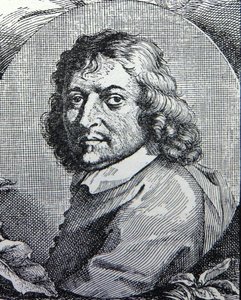
Otto Marseus van Schrieck
1620 - 1678 , Netherlands
プロフィール概要
- Artistic Movement Or Style: Dutch Golden Age painting
- Artists Or Movements Influenced By This Artist:
- Rachel Ruysch
- Willem van Aelst
- Antonie van Borssom
- Artists Who Influenced This Artist:
- Matthias Withoos
- Willem van Aelst
- Date Of Birth: 1620
- Date Of Death: 1678
- Full Name: Otto Marseus van Schrieck
- Nationality: Dutch
- Notable Artworks:
- Wild butterflies and plants...
- Vase of Flowers with Butterflies
- Still Life with Poppy...
- Place Of Birth: Nijmegen, Netherlands

