

 プレビュー
プレビュー
 プリントを購入
 シェアする
シェアする シェアする
シェアする
 詳細を見る
詳細を見る

 ダウンロード
 似ている作品
 X線調査
X線調査 スライドショー
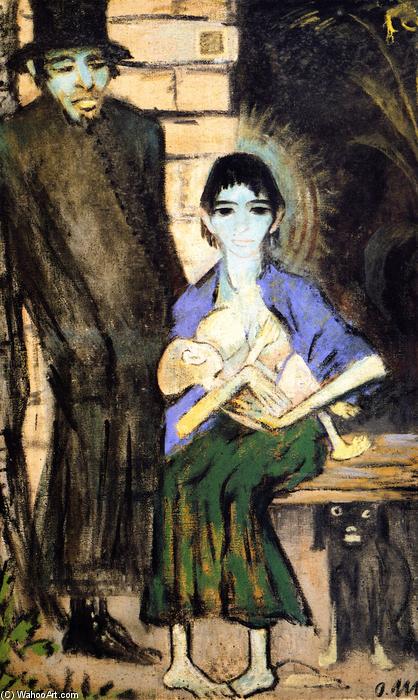
Family of Gypsies
 Acrylic On Canvas
- WallArt
- German Expressionism
 1915
1915 179.0 x 112.0 cm
 美術館フォルクヴァング
 詳細を見る
詳細を見る




P118B $10

P118H $10

P118W $10

P438Z $10

P508JH $12

P508YH $12

P805H $10

P805Z $10

P919BZ $10

P919G $10

P919XJ $10

P959ZH $10

P968JZ $12

W106C $8

W218G $10

W218JH $8

W218Y $10

W307PJ $10

W316G $10

W316PJ $8

W316Y $10

W398PJ $8

W4111J $10

W500HY $15

W500JH $15

W692G $12

W849H $8

W940BG $15

W953PJ $8




作品のオリジナル比率に合わせた、当店の規定サイズからお選びください。

特定のフレームやスペースに合わせて、ご希望のサイズをご入力いただけます。選択されたサイズが元の画像の比率と異なる場合、アートワークをトリミングするか、手描きで要素を追加して絵画を拡張いたします。デジタルモックアップ を制作し、制作開始前にご確認(承認)をいただきます。
画面上のプレビューは、実際のトリミングや拡張を正確に反映しているものではありません。最終的な構図は、モックアップによってのみ正確にご確認いただけます。
カスタムサイズもご利用いただけますが、元の比率を維持するためには、あらかじめ用意されたリストからサイズを選択することをお勧めいたします。
ご注文後、ArtsDot.com チームより詳細な指示をお送りするとともに、仕上がりイメージ(モックアップ)をご提供いたします。


 ガラスオプションは、110cm未満のサイズでのみご利用いただけます。

Family of Gypsies
複製技法
複製画のサイズ
-


合計金額
$ 263
Family of Gypsies: A Portrait of Resilience and Quiet Contemplation
The painting “Family of Gypsies” by Otto Mueller stands as a testament to the enduring power of observation and the profound beauty found in seemingly simple subjects—a woman cradling her child against the backdrop of a tranquil landscape. Created in 1915 during the formative years of German Expressionism, this tempera on canvas masterpiece transcends mere representation; it embodies a deeply felt connection between humanity and nature, capturing an essence that continues to resonate with audiences today. Currently housed at the Museum Folkwang in Essen, Germany, “Family of Gypsies” exemplifies Mueller’s signature style—characterized by bold colors juxtaposed with delicate linework—a masterful blend that speaks volumes about his artistic vision.A Pioneer's Vision: Otto Mueller and Expressionism
Otto Mueller (1874-1930) emerged as a pivotal figure in the burgeoning Expressionist movement, rejecting academic conventions in favor of emotionally charged imagery rooted in direct experience. Influenced by Symbolism and Impressionism, yet driven by an unwavering desire for artistic autonomy, Mueller sought to convey inner states through visual language—a pursuit that resulted in works imbued with palpable feeling. His rejection from Munich’s Academy was a catalyst for his independent exploration, fostering a stylistic approach marked by expressive brushstrokes and a deliberate distortion of form, techniques deliberately employed to communicate psychological depth rather than literal accuracy.The Painting's Composition: Harmony Amidst Distortion
Mueller’s meticulous attention to detail is evident in the painting’s composition. The woman, rendered with subtle shading and luminous color—primarily blues and greens—dominates the central space, her gaze directed inward, conveying a sense of serene contemplation. Beside her sits another figure, equally understated, holding a book – a symbol of knowledge and perhaps quiet reflection alongside maternal care. Two benches flank the scene, grounding the figures within their environment and reinforcing the painting’s harmonious relationship between human presence and natural surroundings. The artist skillfully utilizes tempera paint—known for its matte finish and ability to achieve remarkable tonal gradations—to create textures that mimic the organic surfaces of stone and wood.Symbolism and Emotional Resonance
Beyond its formal qualities, “Family of Gypsies” carries significant symbolic weight. The Romani people, depicted with dignity and compassion, represent a marginalized community grappling with hardship yet retaining an unwavering spirit of resilience. Mueller’s deliberate simplification of forms—particularly the faces—allows for projection onto the viewer, fostering empathy and inviting contemplation about themes of vulnerability, strength, and familial bonds. The muted palette contributes to the painting's emotional impact, conveying tranquility and understated beauty – a deliberate contrast to the turbulent artistic climate of its time.A Legacy Enduring Through Reproduction
As an expert in art and a proponent of preserving artistic heritage, ArtsDot.com offers high-quality reproductions of “Family of Gypsies,” allowing collectors and enthusiasts alike to experience Mueller’s masterpiece firsthand. Explore more artworks by Otto Mueller on /art/list/?Filter=8XXBL6-Otto-Mueller-Family-of-Gypsies Learn more about the Museum Folkwang and its collection on https://en.wikipedia.org/wiki/Museum_Folkwang “Family of Gypsies” remains a poignant reminder that profound beauty can be found in quiet observation—a timeless image destined to inspire generations of art lovers.関連作品
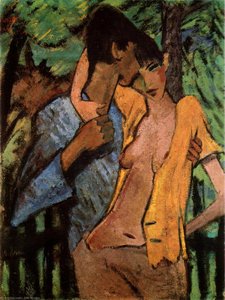
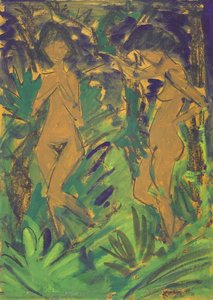
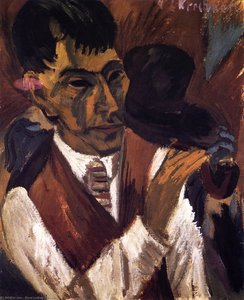
アーティストの略歴
彷徨える魂:オットー・ミュラーの生涯と芸術
ドイツ表現主義の先駆者たちの名と共に、しばしば密やかに語り継がれる名前、オットー・ミュラー。彼は自然のリズムと、その境界線上で営まれる人々の生に深く共鳴した芸術家でした。1874年、シレジアのリーバウ(現在のポーランド、ルバフカ)に生まれた彼の旅路は、後にその芸術的ヴィジョンに永遠の刻印を刻むことになる風景の中で始まりました。ギョルリッツとブレスラウでのリトグラフの初期修行は、彼に基礎的な技術をもたらし、後の作品の大きな特徴となる線と質感の習熟を授けました。その後、ドレスデンやミュンヘンの名高いアカデエミーへと学びを進めますが、ミュンヘンにおけるフランツ・フォン・シュトゥックからの冷ややかな評価は、彼を独学による探求の時代へと向かわせることになります。この形成期において、ミュラーは印象派、ユーゲント・シュティール、そして象徴主義からの影響を吸収していきましたが、それでもなお、自分だけの唯一無二の声を求めて、心の内に静かなる葛藤を抱え続けていました。歪みの中に宿る調和:表現主義への道
転機は1908年、ミュラーがベルリンへと移り住んだ時に訪れました。芸術的な熱狂が渦巻くこの都市において、彼のスタイルは劇的な変貌を遂げ始めます。ヴィルヘルム・レームブルックやライナー・マリア・リルケといった人物たちとの交流は、人間の経験が持つ感情の深淵を探求したいという、彼の中に芽生えた関心をさらに燃え上がらせました。1910年、彼は「ブリュッケ(橋)」に正式に加わります。それは、アカデミックな慣習を拒絶し、剥き出しの感情と主観的な知覚に根ざした新しい視覚言語を築こうとする芸術家たちの集団でした。仲間たちがしばしば、耳障りなほど鮮烈な色彩や攻撃的な筆致を取り入れた一方で、ミュラーはわずかに異なる道を歩みました。彼は「歪み」の中に調和を見出そうとしたのです。形態や輪郭を簡略化することで、人間と自然界の間に流れる根源的な一体感を浮き彫りにしようと試みました。静かな強さを湛えた彼の風景画にはフィンセント・ファン・ゴッホの精神が響き渡り、一方で描かれた人物たち――特にロマの女性たちの姿――は、忘れがたいほどに優美で、どこか儚い情緒を纏っています。この時期、彼は「ジプシー・ミュラー」という愛称で親しまれるようになりますが、それは彼の血統を示すものではなく、むしろ彼が描いた主題への深い心酔から生まれた呼び名でした。独自の技法と繰り返されるモチーフ
ミュラーの芸術的プロセスは、そのヴィジョンと同様に独特なものでした。彼は、粗いキャンバスに水溶性の絵具であるディステンパー(テンペラの一種)を用いることを好みました。それによって生み出されるマットな質感は、彼の作品に土着的で、どこか原始的な力強さを与えています。この技法は、作品全体の情緒に大きく寄与し、親密さと脆さを同時に想起させる効果をもたらしました。彼の題材は、常にいくつかの重要なテーマを中心に展開されます。星降る夜を彷彿とさせる静謐な風景、官能性と哀愁を併せ持つ表現豊かな裸体、そして何よりも象徴的なのが、ロマの人々の描写です。これらの人物像は単なる肖像画ではありませんでした。それは自由への渇望、自然との繋がり、そしてブルジョワ社会の制約の外側に存在する、もう一つの生き方の提示でもあったのです。また、彼は多作な版画家でもあり、リトグラフを好んだほか、木版画やエッチングも手がけました。これらの版画における線の簡潔さは、主題が持つ感情的な核心をより一層際立たせていました。戦争の影と受け継がれる遺産
同世代の多くの人々がそうであったように、ミュラーの人生もまた第一次世界大戦によって深い影響を受けました。彼はフランス戦線とロシア戦線の両方で兵士として従軍しました。その経験が彼の心に消えない痕跡を残したことは疑いようもありませんが、幸いにも彼の芸術的スタイルを劇的に変貌させるまでには至りませんでした。終戦後、彼はブレスラウ美術アカデミーの教授職に就き、1930年に没するまで教育に情熱を注ぎました。しかし悲劇は、1937年のナチス政権によるイデオロギー的な粛清によって訪れます。300点を超える彼の作品がドイツの美術館から没収され、「退廃芸術」というレッテルを貼られてしまったのです。このような弾圧にもかかわらず、ミュラーの芸術的遺産は潰えることはありませんでした。今日、彼は表現主義における極めて重要な人物として認められています。人間と自然に対する彼の繊細な描写は、時代を超えて世界中の観る者の心に響き続けています。彼の作品は、政治的な境界を越え、普遍的な人間のありようを語りかける芸術の力を、私たちに切実に思い起こさせてくれるのです。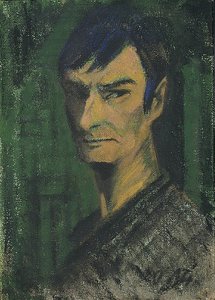
オットー・ミュラー
1874 - 1930 , ポーランド
基本情報
- Artistic Movement Or Style: 表現主義
- Artists Or Movements Influenced By This Artist: ['ブリュッケ(橋)']
- Artists Who Influenced This Artist:
- 印象派
- ユーゲント・シュティール
- 象徴主義
- Date Of Birth: 1874年10月16日
- Date Of Death: 1930年9月24日
- Full Name: オットー・ミュラー
- Nationality: ドイツ
- Notable Artworks:
- 星夜の風景画
- 表現力豊かな裸婦像
- ロマの女性の肖像
- Place Of Birth: ポーランド、リーバウ
関連記事
The Visceral Language of Emotion: Exploring Expressionism's Impact on 20th-Century Art
Explore the powerful world of Expressionism! Discover key artists like Kirchner & Nolde, understand its emotional impact, and learn about this revolutionary art movement's lasting legacy. Expert insights for collectors & enthusiasts.
Evolving Portraits: Personalized Art as a Chronicle of Family Life Across Generations
Create a timeless family legacy with custom portraits! ArtsDot connects you with skilled artists for heirloom-quality paintings & prints. Explore styles, commission your unique artwork today.
The Enduring Legacy of Family Portraiture: A Historical & Artistic Exploration
Explore the rich history of family portraiture with ArtsDot. Discover artistic styles, symbolism & collecting insights. Commission a custom oil painting or appraise your existing artwork today!
Figurative Expressionism: Emotional Intensity & Subjective Reality in 20th-Century Art
Explore the powerful world of Figurative Expressionism with ArtsDot. Discover key artists like Kirchner & Beckmann, understand its emotional depth, and learn how to collect this influential 20th-century art movement.

レガシーポートレートで家族の絆を永遠に:歴史と未来を結ぶアートの物語
レガシーポートレートで家族の絆を永遠に。ArtsDotは歴史と未来を結ぶ手描き油絵の専門家です。高品質・信頼性、30日返金保証付き。あなたの大切な瞬間を芸術へ変える価値ある選択です。

