

 プレビュー
プレビュー
 プリントを購入
 シェアする
シェアする シェアする
シェアする
 詳細を見る
詳細を見る

 ダウンロード
 似ている作品
 X線調査
X線調査 スライドショー
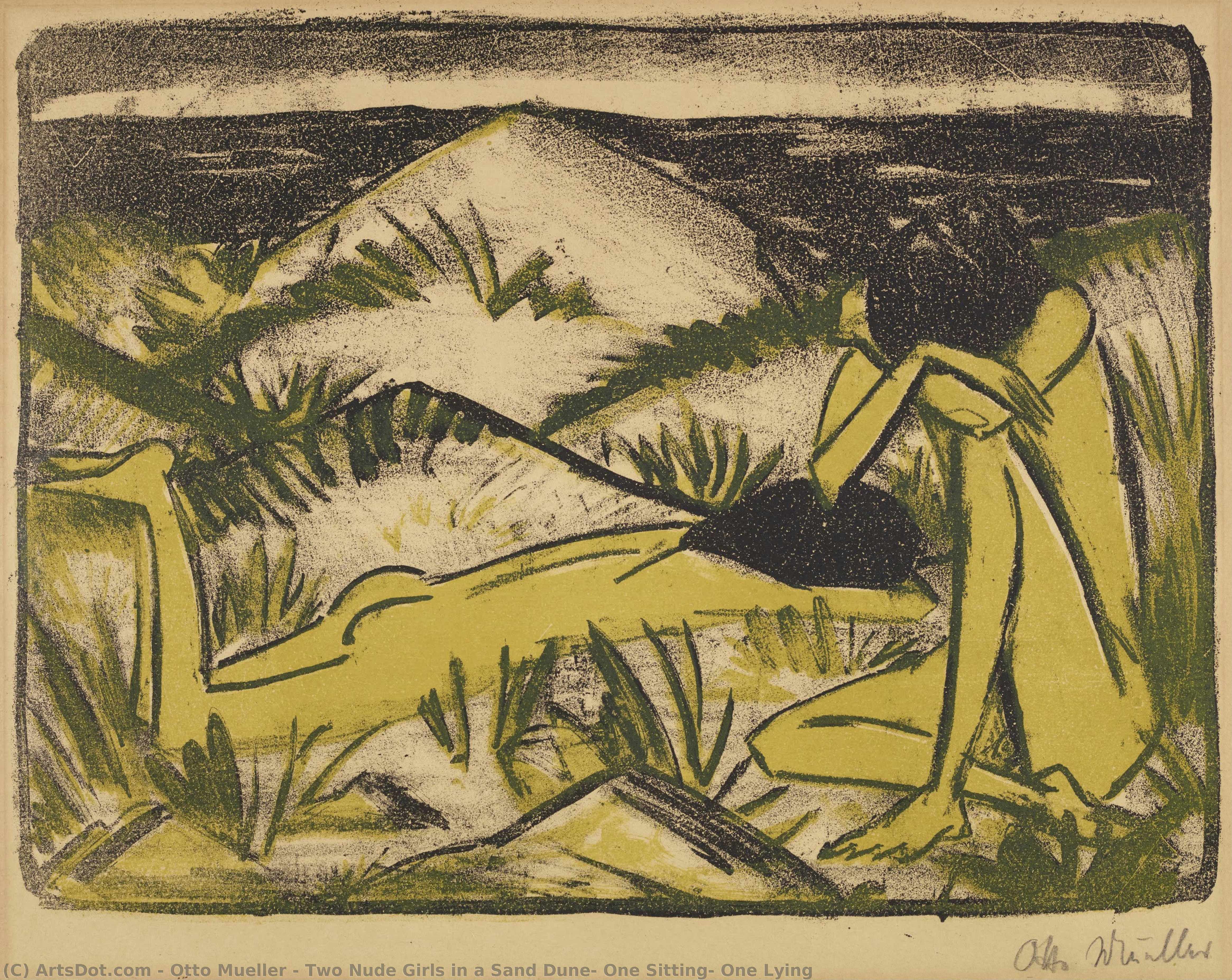
Two Nude Girls in a Sand Dune, One Sitting, One Lying


 詳細を見る
詳細を見る




P118B $10

P118H $10

P118W $10

P438Z $10

P508JH $12

P508YH $12

P805H $10

P805Z $10

P919BZ $10

P919G $10

P919XJ $10

P959ZH $10

P968JZ $12

W106C $8

W218G $10

W218JH $8

W218Y $10

W307PJ $10

W316G $10

W316PJ $8

W316Y $10

W398PJ $8

W4111J $10

W500HY $15

W500JH $15

W692G $12

W849H $8

W940BG $15

W953PJ $8




作品のオリジナル比率に合わせた、当店の規定サイズからお選びください。

特定のフレームやスペースに合わせて、ご希望のサイズをご入力いただけます。選択されたサイズが元の画像の比率と異なる場合、アートワークをトリミングするか、手描きで要素を追加して絵画を拡張いたします。デジタルモックアップ を制作し、制作開始前にご確認(承認)をいただきます。
画面上のプレビューは、実際のトリミングや拡張を正確に反映しているものではありません。最終的な構図は、モックアップによってのみ正確にご確認いただけます。
カスタムサイズもご利用いただけますが、元の比率を維持するためには、あらかじめ用意されたリストからサイズを選択することをお勧めいたします。
ご注文後、ArtsDot.com チームより詳細な指示をお送りするとともに、仕上がりイメージ(モックアップ)をご提供いたします。


 ガラスオプションは、110cm未満のサイズでのみご利用いただけます。

Two Nude Girls in a Sand Dune, One Sitting, One Lying
複製技法
複製画のサイズ
-


合計金額
$ 263
作品解説
A Moment Frozen in Time: Exploring Otto Mueller’s “Two Nude Girls in a Sand Dune”
Otto Mueller's "Two Nude Girls in a Sand Dune, One Sitting, One Lying," painted in 1924, stands as a poignant emblem of German Expressionism’s fascination with the raw beauty and inherent melancholy of the natural world. More than just a depiction of two figures amidst dunes at sunset; it's an artwork steeped in psychological depth and imbued with symbolic resonance that continues to captivate viewers today. Mueller’s artistic trajectory was marked by a profound connection to landscapes—particularly those inhabited by marginalized communities—a preoccupation that finds its fullest expression in this evocative composition.Style and Technique: Embracing Distortion for Emotional Truth
Mueller eschewed the polished surfaces of Impressionism, opting instead for a deliberately distorted style characteristic of Expressionist painters like Edvard Munch and Ernst Ludwig Kirchner. The artist employed thick impasto brushstrokes—a technique where paint is applied in layers to create texture—to convey not merely visual information but also palpable emotion. These bold strokes sculpt the sand dune itself, mirroring the undulating contours of the women’s bodies, creating a dynamic interplay between form and feeling. The muted palette – dominated by browns, ochres, and hints of crimson – reinforces this sense of subdued drama, prioritizing tonal variation over precise color representation. This stylistic choice wasn't merely aesthetic; it was a deliberate attempt to bypass rational observation and tap into the subconscious mind, mirroring the Expressionist impulse to confront anxieties about modernity and human vulnerability.Historical Context: The Expressionist Spirit Amidst Weimar Germany
Painted during the turbulent years of Weimar Republic Germany (1918-1933), “Two Nude Girls” reflects the broader artistic currents of the era—a reaction against academic conventions and a yearning for authenticity. Expressionism sought to express inner emotional states rather than objective reality, responding to the disillusionment following World War I and grappling with societal anxieties surrounding urbanization and industrialization. Mueller’s work aligns perfectly with this movement's core tenets, portraying figures rendered as vulnerable and exposed—a deliberate contrast to idealized representations prevalent in earlier artistic traditions. The painting speaks to a deeper concern for human experience, capturing not just the visual splendor of sunset but also the unspoken intimacy between the two women.Symbolism: Desert Landscape as Metaphor for Isolation and Vulnerability
The desolate sand dune serves as more than just a backdrop; it functions as a powerful symbol representing isolation, vulnerability, and perhaps even spiritual yearning. The positioning of the figures—one seated passively, one lying prone—suggests a state of contemplation and surrender to circumstance. The bird perched atop the dune adds another layer of symbolism – often interpreted as representing freedom or aspiration, yet simultaneously hinting at fragility and potential danger. Mueller’s masterful use of light enhances these symbolic implications, casting long shadows that emphasize the figures' vulnerability against the expansive expanse of the desert sky.Emotional Impact: A Quiet Resonance of Melancholy Beauty
Ultimately, “Two Nude Girls in a Sand Dune” transcends mere visual representation to evoke a profound emotional response. The painting’s understated palette and textured surface combine to create an atmosphere of quiet melancholy—a feeling that lingers long after viewing the artwork. Mueller's ability to convey complex psychological states through simplified forms speaks to the enduring power of art to communicate unspoken truths about human existence. It invites contemplation on themes of solitude, resilience, and the beauty found within moments of vulnerability – qualities that resonate powerfully with collectors and interior designers seeking pieces that inspire reflection and evoke a sense of timeless elegance.関連作品
アーティストの略歴
彷徨える魂:オットー・ミュラーの生涯と芸術
ドイツ表現主義の先駆者たちの名と共に、しばしば密やかに語り継がれる名前、オットー・ミュラー。彼は自然のリズムと、その境界線上で営まれる人々の生に深く共鳴した芸術家でした。1874年、シレジアのリーバウ(現在のポーランド、ルバフカ)に生まれた彼の旅路は、後にその芸術的ヴィジョンに永遠の刻印を刻むことになる風景の中で始まりました。ギョルリッツとブレスラウでのリトグラフの初期修行は、彼に基礎的な技術をもたらし、後の作品の大きな特徴となる線と質感の習熟を授けました。その後、ドレスデンやミュンヘンの名高いアカデエミーへと学びを進めますが、ミュンヘンにおけるフランツ・フォン・シュトゥックからの冷ややかな評価は、彼を独学による探求の時代へと向かわせることになります。この形成期において、ミュラーは印象派、ユーゲント・シュティール、そして象徴主義からの影響を吸収していきましたが、それでもなお、自分だけの唯一無二の声を求めて、心の内に静かなる葛藤を抱え続けていました。歪みの中に宿る調和:表現主義への道
転機は1908年、ミュラーがベルリンへと移り住んだ時に訪れました。芸術的な熱狂が渦巻くこの都市において、彼のスタイルは劇的な変貌を遂げ始めます。ヴィルヘルム・レームブルックやライナー・マリア・リルケといった人物たちとの交流は、人間の経験が持つ感情の深淵を探求したいという、彼の中に芽生えた関心をさらに燃え上がらせました。1910年、彼は「ブリュッケ(橋)」に正式に加わります。それは、アカデミックな慣習を拒絶し、剥き出しの感情と主観的な知覚に根ざした新しい視覚言語を築こうとする芸術家たちの集団でした。仲間たちがしばしば、耳障りなほど鮮烈な色彩や攻撃的な筆致を取り入れた一方で、ミュラーはわずかに異なる道を歩みました。彼は「歪み」の中に調和を見出そうとしたのです。形態や輪郭を簡略化することで、人間と自然界の間に流れる根源的な一体感を浮き彫りにしようと試みました。静かな強さを湛えた彼の風景画にはフィンセント・ファン・ゴッホの精神が響き渡り、一方で描かれた人物たち――特にロマの女性たちの姿――は、忘れがたいほどに優美で、どこか儚い情緒を纏っています。この時期、彼は「ジプシー・ミュラー」という愛称で親しまれるようになりますが、それは彼の血統を示すものではなく、むしろ彼が描いた主題への深い心酔から生まれた呼び名でした。独自の技法と繰り返されるモチーフ
ミュラーの芸術的プロセスは、そのヴィジョンと同様に独特なものでした。彼は、粗いキャンバスに水溶性の絵具であるディステンパー(テンペラの一種)を用いることを好みました。それによって生み出されるマットな質感は、彼の作品に土着的で、どこか原始的な力強さを与えています。この技法は、作品全体の情緒に大きく寄与し、親密さと脆さを同時に想起させる効果をもたらしました。彼の題材は、常にいくつかの重要なテーマを中心に展開されます。星降る夜を彷彿とさせる静謐な風景、官能性と哀愁を併せ持つ表現豊かな裸体、そして何よりも象徴的なのが、ロマの人々の描写です。これらの人物像は単なる肖像画ではありませんでした。それは自由への渇望、自然との繋がり、そしてブルジョワ社会の制約の外側に存在する、もう一つの生き方の提示でもあったのです。また、彼は多作な版画家でもあり、リトグラフを好んだほか、木版画やエッチングも手がけました。これらの版画における線の簡潔さは、主題が持つ感情的な核心をより一層際立たせていました。戦争の影と受け継がれる遺産
同世代の多くの人々がそうであったように、ミュラーの人生もまた第一次世界大戦によって深い影響を受けました。彼はフランス戦線とロシア戦線の両方で兵士として従軍しました。その経験が彼の心に消えない痕跡を残したことは疑いようもありませんが、幸いにも彼の芸術的スタイルを劇的に変貌させるまでには至りませんでした。終戦後、彼はブレスラウ美術アカデミーの教授職に就き、1930年に没するまで教育に情熱を注ぎました。しかし悲劇は、1937年のナチス政権によるイデオロギー的な粛清によって訪れます。300点を超える彼の作品がドイツの美術館から没収され、「退廃芸術」というレッテルを貼られてしまったのです。このような弾圧にもかかわらず、ミュラーの芸術的遺産は潰えることはありませんでした。今日、彼は表現主義における極めて重要な人物として認められています。人間と自然に対する彼の繊細な描写は、時代を超えて世界中の観る者の心に響き続けています。彼の作品は、政治的な境界を越え、普遍的な人間のありようを語りかける芸術の力を、私たちに切実に思い起こさせてくれるのです。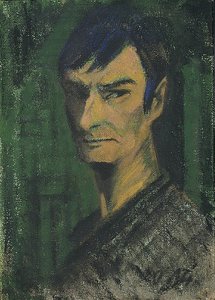
オットー・ミュラー
1874 - 1930 , ポーランド
基本情報
- Artistic Movement Or Style: 表現主義
- Artists Or Movements Influenced By This Artist: ['ブリュッケ(橋)']
- Artists Who Influenced This Artist:
- 印象派
- ユーゲント・シュティール
- 象徴主義
- Date Of Birth: 1874年10月16日
- Date Of Death: 1930年9月24日
- Full Name: オットー・ミュラー
- Nationality: ドイツ
- Notable Artworks:
- 星夜の風景画
- 表現力豊かな裸婦像
- ロマの女性の肖像
- Place Of Birth: ポーランド、リーバウ
関連記事

White on Canvas: 10 Masterpieces & Timeless Elegance for Your Home Decor
Explore 10 iconic white paintings by Monet, Whistler & Rothko! Discover the stories behind these serene masterpieces and their impact on art history. Find museum-quality reproductions for your home decor at .

Dark Masterpieces: 10 Iconic Paintings Dominated by Black Tones |
Explore 10 iconic paintings dominated by black tones, from Rembrandt’s chiaroscuro to Goya's dark expressions. Discover the stories behind these masterpieces & find museum-quality art reproductions for your home at .

Monochrome Visions: Exploring the Aesthetic & Historical Significance of Black & White Photography
Explore the rich history & artistic power of black and white photography. From early techniques to iconic masters like Ansel Adams, discover why monochrome continues to captivate art lovers today. Expert insights for collectors.
Mars Black Masterpieces: 10 Iconic Paintings & Timeless Art Decor Ideas
Delve into the power of 'Mars Black' with 10 iconic paintings by masters like Rembrandt & Caravaggio. Explore dramatic chiaroscuro, gothic art, and timeless beauty. Find museum-quality reproductions & elevate your home decor on .
The Enduring Allure of the Nude: A Historical & Artistic Exploration of the Human Form
Explore the captivating history of nude art! Discover iconic paintings & artists from classical to modern eras. Uncover symbolism, techniques & find museum-quality reproductions at ArtsDot.

