

 プレビュー
プレビュー
 プリントを購入
 シェアする
シェアする シェアする
シェアする
 詳細を見る
詳細を見る

 ダウンロード
 似ている作品
 X線調査
X線調査 スライドショー
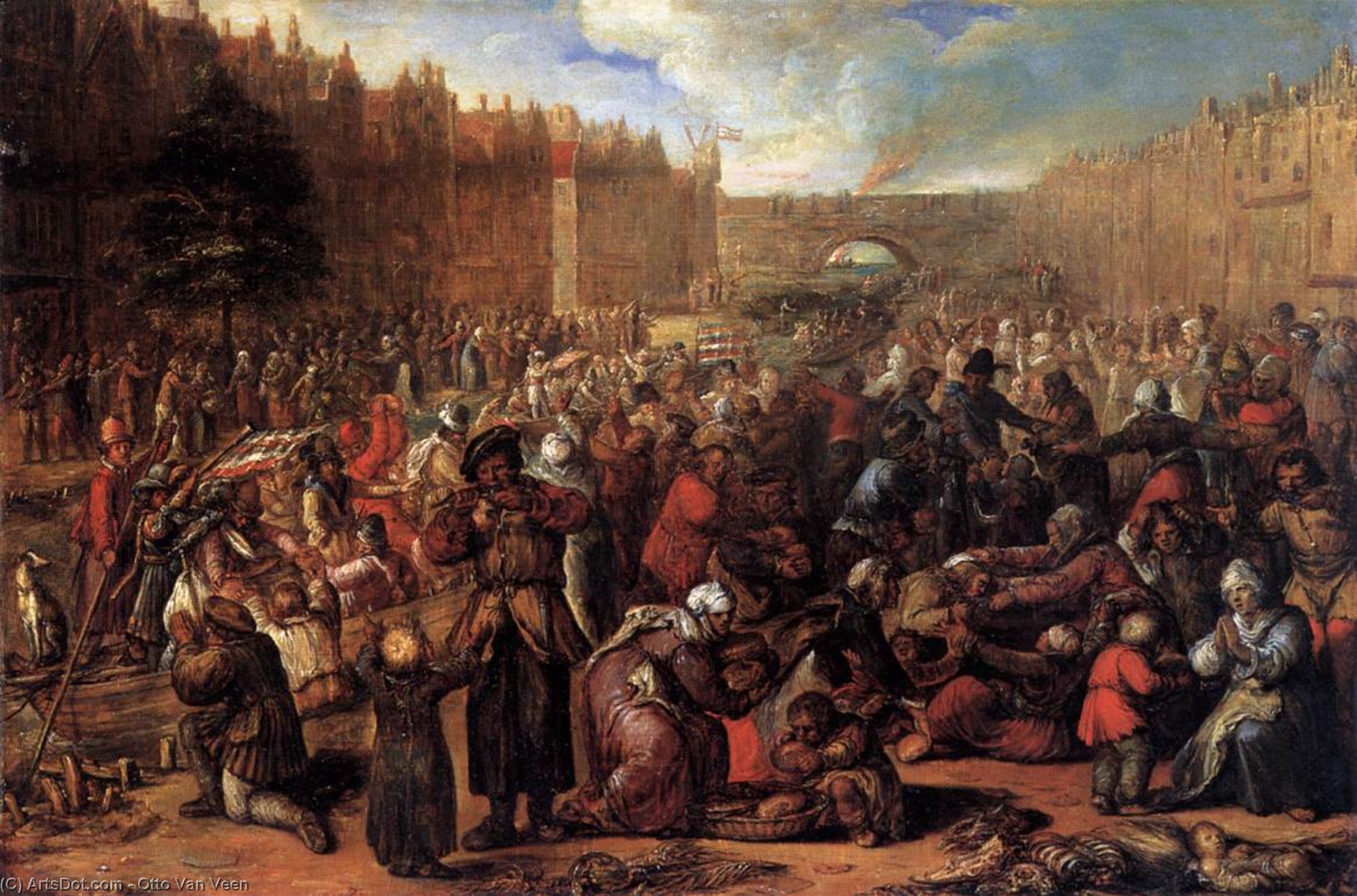
Distribution of Herring and White Bread during the Siege of Leiden
 Acrylic On Canvas
- WallArt
- Late Mannerism
 1574
1574 40.0 x 60.0 cm
 国立美術館 (Rijksmuseum)
 詳細を見る
詳細を見る




P118B $10

P118H $10

P118W $10

P438Z $10

P508JH $12

P508YH $12

P805H $10

P805Z $10

P919BZ $10

P919G $10

P919XJ $10

P959ZH $10

P968JZ $12

W106C $8

W218G $10

W218JH $8

W218Y $10

W307PJ $10

W316G $10

W316PJ $8

W316Y $10

W398PJ $8

W4111J $10

W500HY $15

W500JH $15

W692G $12

W849H $8

W940BG $15

W953PJ $8




作品のオリジナル比率に合わせた、当店の規定サイズからお選びください。

特定のフレームやスペースに合わせて、ご希望のサイズをご入力いただけます。選択されたサイズが元の画像の比率と異なる場合、アートワークをトリミングするか、手描きで要素を追加して絵画を拡張いたします。デジタルモックアップ を制作し、制作開始前にご確認(承認)をいただきます。
画面上のプレビューは、実際のトリミングや拡張を正確に反映しているものではありません。最終的な構図は、モックアップによってのみ正確にご確認いただけます。
カスタムサイズもご利用いただけますが、元の比率を維持するためには、あらかじめ用意されたリストからサイズを選択することをお勧めいたします。
ご注文後、ArtsDot.com チームより詳細な指示をお送りするとともに、仕上がりイメージ(モックアップ)をご提供いたします。


 ガラスオプションは、110cm未満のサイズでのみご利用いただけます。

Distribution of Herring and White Bread during the Siege of Leiden
複製技法
複製画のサイズ
-


合計金額
$ 263
作品解説
A Frozen Moment of Resilience: Otto van Veen’s “Distribution of Herring and White Bread”
Otto van Veen's "Distribution of Herring and White Bread during the Siege of Leiden," painted in 1574, isn’t merely a historical depiction; it’s a poignant tableau of human endurance amidst chaos. The scene unfolds within the besieged city of Leiden, a microcosm of the turbulent religious conflicts gripping the Netherlands at the time. Van Veen masterfully captures a pivotal moment – the arrival of relief supplies, specifically herring and white bread, offered by the rebel army to the starving populace trapped within the city walls. This painting transcends its historical subject matter, becoming an enduring symbol of community spirit, shared hardship, and the tenacious will to survive.
The composition is remarkably dynamic, a carefully orchestrated arrangement of figures and elements that draws the viewer directly into the heart of the scene. The foreground is dominated by a throng of people – men, women, and children – their faces etched with hunger and exhaustion. They are depicted in various postures: some kneeling in supplication, others reaching eagerly for the offered sustenance, while still others stand, supporting those less able to bear the weight of their ordeal. A few individuals, identifiable as soldiers, distribute the food, their gestures conveying a sense of urgency and compassion. The horses, strategically placed throughout the composition, add to the scene’s energy and movement, further emphasizing the immediacy of the event.
The Mannerist Palette: Style and Technique
Van Veen's style firmly resides within the Mannerism period, a distinctly European artistic movement that flourished in the late 16th century. Unlike the idealized forms of the High Renaissance, Mannerism favored elongated figures, dramatic poses, and an emphasis on emotional intensity over realistic representation. In “Distribution of Herring and White Bread,” this is evident in the subtly distorted proportions of some figures, particularly those reaching for the bread – a deliberate choice that amplifies their desperation. The artist employs a rich, layered technique, utilizing impasto—thickly applied paint—to create texture and depth, especially noticeable in the folds of clothing and the rough surfaces of the loaves themselves. The color palette is muted yet vibrant, dominated by earthy tones—ochres, browns, and grays—contrasted with the pale yellows and whites of the bread and the silvery sheen of the fish.
Van Veen’s use of light is particularly noteworthy. He employs a dramatic chiaroscuro effect – strong contrasts between light and shadow – to heighten the sense of drama and focus attention on key figures within the scene. The light source, seemingly originating from an unseen window or doorway, casts long shadows across the street, creating a theatrical atmosphere that underscores the precariousness of the situation.
Historical Context: Leiden Under Siege
To fully appreciate “Distribution of Herring and White Bread,” it’s crucial to understand the historical context in which it was created. The siege of Leiden (1574) was a defining moment in the Eighty Years' War, a protracted conflict between the Dutch Republic and Spain for independence. Leiden, a strategically important city located on the Rhine River, had been besieged by Spanish forces under the command of the Duke of Parma. The prolonged blockade resulted in severe food shortages and widespread suffering among the civilian population. The painting captures this desperate situation with remarkable accuracy, offering a visceral glimpse into the hardships endured by the people of Leiden during that tumultuous period.
The event depicted is documented as having occurred on October 3rd, 1574, when the rebel army finally broke through the siege lines and brought much-needed supplies to the starving citizens. The painting serves as a powerful reminder of this pivotal moment in Dutch history – a testament to the resilience of the people of Leiden and their determination to resist oppression.
Symbolism and Emotional Resonance
Beyond its historical accuracy, “Distribution of Herring and White Bread” is laden with symbolism. The bread and fish represent sustenance—not just physical nourishment but also hope and salvation. The act of distribution symbolizes generosity, compassion, and the bonds of community. The faces of the people in the painting – etched with hunger, weariness, and yet a flicker of gratitude – evoke a profound sense of empathy within the viewer. Van Veen’s masterful portrayal transforms a simple scene of relief efforts into a timeless meditation on human suffering, resilience, and the enduring power of shared humanity. The work continues to resonate today as an iconic image of hope amidst adversity.
関連作品
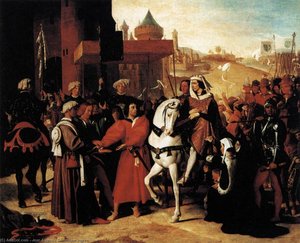
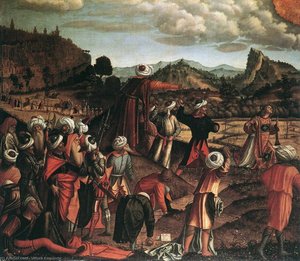
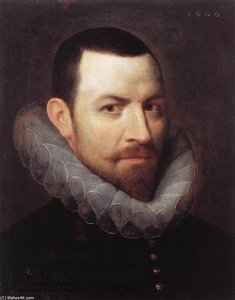
アーティストの略歴
ルネサンスとバロックを繋ぐ生涯:オットー・ファン・フェーンの世界
16世紀後半から17世紀初頭にかけての芸術の残響を今に伝える名前、オットー・ファン・フェーンは、美術史において極めて魅力的な地位を占めています。1556年頃、ネーデルラントのライデンにて、市長を務めた父を持つ名門の家に生まれたファン・フェーンの人生は、時代の変遷とともに揺れ動く忠誠心と、芸術的な進化に彩られていました。彼の若き日に低地諸国を襲った宗教的緊張は、その後の歩みに深い影響を与えました。プロテスタントの波が押し寄せる中、カトリックの信仰を守るために1572年に家族と共にアントウェルペンへ移住したことは、単なる地理的な移動に留まらず、彼の知的・芸術的な形成における決定的な転換点となりました。この移住によって、ドミニクス・ランプソニウスやジャン・ラメといった影響力のある人物との出会いがもたらされ、ヒューマニズムの理想と古典的教養に深く根ざしたキャリアの礎が築かれたのです。その後、1574年または1575年頃に行われたローマへの旅は、彼の運命を決定づけました。イタリア・ルネサンスの核心に身を投じることで、彼は後に自身の成熟した作品を定義することとなる、マニエリスム特有の優雅さ、洗練された構図、そして理想化された形態へのこだわりといった様式的ニュアンスを吸収していったのです。ローマでの師事の具体的な範囲については、フェデリコ・ズッカリの門下であったとする説もあり、今なお議論の余地がありますが、その影響が計り知れないものであることは疑いようもありません。パトロネージュ、教育、そして巨匠の形成
イタリアからの帰還後、ファン・フェーンは瞬く間に求められる芸術家としての地位を確立しました。その才能は、ブリュッセルにいた南ネーデルラント総督、アレサンデル・ファルネーゼ公の宮廷画家という職を彼にもたらしました。このパトロネージュは、経済的な安定だけでなく、洗練された芸術的環境へのアクセスと、大規模な依頼を受ける機会を彼に与えたのです。1593年にはアントウェルペンの聖ルカ・ギルドのマスターとなり、職業的な地位を確固たるものにしました。しかし、ファン・フェーンの遺産は彼自身の絵画だけに留まりません。それは、美術史上で最も名高い巨匠の一人、ピーテル・パウル・ルーベンスのキャリアと分かちがたく結びついています。1594年または1模1595年頃から1598年まで、ファン・フェーンはルーベンスの師として、若き芸術家に厳格な古典教育を施し、ヒューマニズムの原則に対する深い理解を植え付けました。この師弟関係は、ルーベンスの知的枠組みと芸術的感性を形作る上で極めて重要であり、後の彼の輝かしい成功の土台となったのです。ファン・フェーンが伝えたのは、単なる技術的なスキルだけではありませんでした。彼は、芸術、文学、そして哲学の統合を重視する世界観を育みました。これは、後にルーベンスが残した膨大な作品群の大きな特徴となります。この時期、ファン・エーンは数多くの宗教画の依頼も受けており、祭壇画や礼拝堂を彩ることで、熟練した信頼できる芸術家としての多才さと名声を高めていきました。マニエリスムの感性とエンブレムの言語
ファン・フェーンの芸術様式は、引き伸ばされた人物像、優美なポーズ、洗練された構図、そして繊細なパレットを特徴とするマニエリスムに深く根ざしています。彼の描く絵画には、しばしば優雅さと知的な瞑想の空気が漂っています。彼は「pictor doctus(学識ある画家)」として知られていましたが、この称号は、自身の作品にヒューマニズムの主題を取り入れようとする彼の献身を反映したものでした。絵画の枠を超えて、ファン・フェーンは、画像とテキストを組み合わせて道徳的・哲学的なメッセージを伝える、当時流行していた「エンブレム・ブック(寓意図解本)」の分野にも多大な貢献を果たしました。『クイントゥス・ホラティウス・フラックス・エンブレマタ』(1067年)、『アモルム・エンブレマタ』(1608年)、『アモリス・ディヴィニ・エンブレマタ』(1615年)は、その代表的な例であり、芸術家として、また学者としての彼の卓越した技量を示しています。特に『アモルム・エンブレマタ』は広範な影響を及ぼし、後世のエンブレム・ブックのモデルとなり、様々な分野の芸術家にインスピレーションを与えました。古典文学や神話の場面を演じるプット(幼子)の描写が、機知に富んだモットーと共に綴られたその作品は、ルネサンス・ヒューマニズムの精神と、現世的および神聖な「愛」への情熱を見事に捉えていたのです。晩年と永続する影響力
芸術的な嗜好がバロックのダイナミズムへと移り変わり始めても、ファン・フェーンは輝きを失うことはありませんでした。彼は正式な宮廷官職こそ持たなかったものの、大公アルブレヒトおよびイザベラとの繋がりを維持し続けました。この時期の重要な業績の一つとして、かつて自身が制作した版画に基づき、オランダ連邦議会から依頼された、ローマ人とバタウィ人の戦いを描いた全12枚の連作があります。このプロジェクトは、変化する政治情勢に適応し、多様な芸術的需要に応える彼の能力を証明しています。キャリアを通じて、ファン・フェーンはアントウェルペンの芸術コミュニティに積極的に関わり続け、聖ルカ・ギルド(1602年)およびロマニスト(1606年)の両方の学部長を務めました。彼自身、優れた芸術的才能を持つ家系に育ちました。弟のギスベルトは優れた版画家であり、娘のゲルトリュードも絵画の道を歩み、数人の甥たちもパステル画の画家として活躍しました。1629年、ブリュッセルにてオットー・ファン・フェーンは没しましたが、彼が遺したレガシーは自身の作品群を遥かに超えて広がっています。著名なオランダの美術史家アーノルト・ハウブラケンは、彼を当時で最も印象深い芸術家であり学者であると認め、その影響力のある著書『オランダ絵画史』の扉絵に彼の肖像を掲載しました。彼の永続的な意義は、自身の芸術的達成のみならず、師として、そしてメンターとして(特にピーテル・パウル・ルーベンスに対して)果たした極めて重要な役割、そして彼が生きた時代の知的・芸術的な潮流への貢献にあります。彼はルネサンスとバロックの架け橋となり、ヒューマニストとしての芸術家の理想を体現し、フランドル絵画の歴史に消えることのない足跡を残した、極めて魅力的な人物なのです。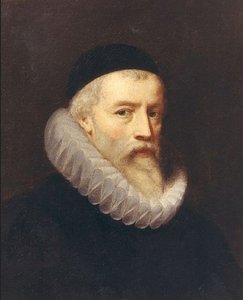
オットー・ファン・フェーン
1556 - 1629 , オランダ
基本情報
- Artistic Movement Or Style: マニエリスム
- Artists Or Movements Influenced By This Artist: ['ピーテル・パウル・ルーベンス']
- Artists Who Influenced This Artist: ['フェデリコ・ズッカリ']
- Date Of Birth: 1556年
- Date Of Death: 1629年
- Full Name: オットー・ファン・フェーン
- Nationality: フランドル
- Notable Artworks:
- ローマ人を打ち負かすバタウィ族
- 和平交渉
- 盾の上に掲げられたブリンノ
- アモルム・エンブレマタ
- Place Of Birth: オランダ、ライデン
関連記事

Dutch Baroque Masters: 10 Paintings That Shaped an Era | ArtsDot
Journey through the Golden Age with our guide to the Top 10 Dutch Baroque masterpieces! Explore iconic paintings by Rembrandt, Vermeer & Frans Hals. Find museum-quality art reproductions and elevate your home decor at ArtsDot.com.

レンブラント傑作25選:光と影の巨匠、魂を揺さぶる名画の世界 | ArtsDot
レンブラントの傑作25選。光と影の魔術師が描いた魂を揺さぶる名画の世界へ。美術史に残る自画像、夜警、宗教画…ArtsDotで高品質なアートプリントやインテリアアートをお楽しみください。コレクションはこちら→
Cornelis van Poelenburch: Bridging Mannerism & the Dutch Baroque Landscape
Discover Cornelis van Poelenburch, a pivotal Dutch Baroque landscape painter bridging Mannerism & Italianate styles. Explore his life, key works, and lasting influence on 17th-century art with ArtsDot.

Golden Age Reflections: Dutch Baroque Painting & Cultural Innovation
Explore the Dutch Golden Age of painting! Discover key artists like Vermeer & ter Borch, their innovative techniques, and the rich cultural context behind these Baroque masterpieces. Learn about collecting & appreciating this iconic art period.
Adriaen van Ostade: A Master of Dutch Genre Painting & Social Commentary
Explore the life & work of Adriaen van Ostade, a leading Dutch Golden Age painter. Discover his realistic genre scenes, social commentary, and lasting influence on art history. Learn more at ArtsDot.

