

 プレビュー
プレビュー
 プリントを購入
 シェアする
シェアする シェアする
シェアする
 詳細を見る
詳細を見る

 ダウンロード
 似ている作品
 X線調査
X線調査 スライドショー
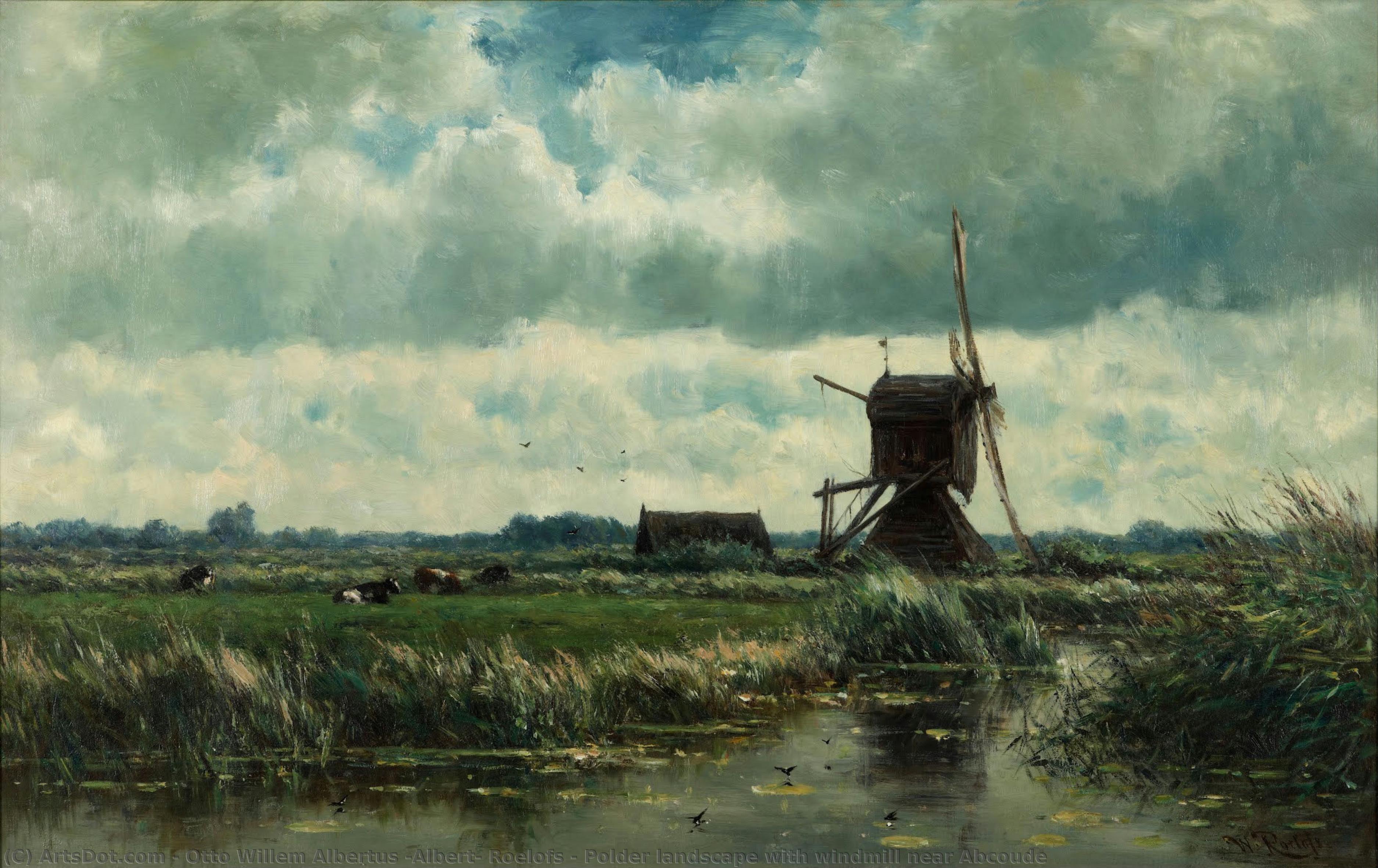
Polder landscape with windmill near Abcoude
 1870
1870 80.0 x 800.0 cm
 Kunstmuseum
 詳細を見る
詳細を見る
オンラインプレビューをはるかに凌ぐ、高解像度で鮮明なデジタル画像をご購入いただけます。
各ファイルは、社内の専門家が高度なツールと熟練した手作業によるレタッチを用いて、細心の注意を払って準備されています。すべての画像において、卓越した鮮明度、正確な色彩再現性、そして繊細なディテールを保証いたします。
最終ファイルは、プロフェッショナルな編集・印刷環境ですぐにご利用いただけるよう最適化された状態で、72時間以内にメールにてお届けいたします。これは、一流のデザインスタジオ、出版社、ギャラリーから信頼されているものと同等の品質です。
デジタル画像のご注文に付随する特典
高品質なデジタル画像配信を、確かな品質で。
ArtsDot.com を選ぶことは、単に画像を手に入れることではありません。それは、プロの手によって精密に仕上げられ、満足保証が付いた高品質なデジタルアートワークを受け取ることを意味します。ご注文いただいた際に自動的に付随する内容は、以下の通りです:

メールですぐにお届け
ご注文から72時間以内に、高解像度のデジタル画像ファイルがメールでお手元に届きます。すぐにそのままご利用いただけます。

AI技術で最適化されたデジタルファイル
お客様の作品は、高度なAIツールと専門家による手作業の編集を組み合わせてプロフェッショナルに最適化されており、細部のディテール、鮮明さ、そして正確な色再現性を最大限に引き出しています。

一生涯無料の再送サービス
ファイルを誤って削除したり、紛失してしまったりしましたか?ご安心ください。いつでも無料で再送いたします。

輸入手数料は一切かかりません
関税や手数料、配送料を気にすることなく、お気に入りのアートワークをすぐにお楽しみいただけます。デジタルダウンロードは常に免税です。

色彩再現の保証
プロ仕様のツールとカラーマネジメント技術を用いることで、デジタル画像が元の色を最大限に忠実に再現することを保証いたします。

60日間満足保証
ご購入いただいたデジタル画像にご満足いただけない場合は、60日以内であれば、修正または100%の返金(理由を問う必要はありません)をさせていただきます。

100% 返金保証
ご満足いただけない場合は、デジタルファイルを受け取ってから60日以内であれば、理由を問わず全額返金いたします。

まとめ買い割引
3枚購入で10%OFF - 5枚購入で15%OFF - 10枚以上購入で20%OFF。クリエイティブなプロジェクト、ギャラリー、エージェンシーに最適です。
関連作品









作家の略歴
The Tender World of Albert Roelofs: A Belgian Master of Motherhood and Infancy
Albert Roelofs, born Otto Willem Albertus Roelofs in Schaerbeek, Belgium, on September 5th, 1877, was a painter whose legacy resides primarily within the quietly profound realm of domestic scenes. His life, tragically cut short by illness at the young age of forty-three in The Hague in December 1920, nevertheless yielded a remarkably consistent and deeply affecting body of work centered on motherhood, infancy, and the intimate bonds between families. Roelofs’s art isn't characterized by grand narratives or dramatic events; instead, he meticulously captured fleeting moments of tenderness, vulnerability, and quiet connection—a deliberate choice that speaks volumes about his artistic sensibility. Roelofs’s early life offered little indication of the profound impact he would have on Belgian art. He received a formal artistic education at the Royal Academy of Fine Arts in Antwerp, where he studied under established masters. However, it was through independent study and a deep immersion in the works of artists like Jean-Auguste-Dominique Ingres and Gustave Moreau—both known for their meticulous attention to detail and their exploration of classical themes—that Roelofs began to develop his distinctive style. Moreau’s influence is particularly evident in Roelofs's use of soft, diffused light and his penchant for depicting figures within richly ornamented interiors, creating a sense of timelessness and serenity. The core of Roelofs’s oeuvre revolves around depictions of mothers and children. These aren’t idealized portrayals; rather, they are imbued with an honest realism that acknowledges the challenges and joys of family life. His subjects—often middle-class families—are presented in intimate settings: nurseries bathed in golden light, kitchens filled with domestic activity, or quiet moments shared between mother and child. He rarely employed dramatic poses or elaborate compositions. Instead, he favored simple, direct arrangements, focusing on capturing the subtle expressions of love, concern, and affection that pass between family members. His paintings are notable for their remarkable technical skill—the delicate rendering of fabrics, the precise observation of anatomy, and the masterful manipulation of light and shadow all contribute to a sense of palpable realism.Key Characteristics and Artistic Style
Roelofs’s artistic style is often described as “Belgian Impressionism,” though he resisted easy categorization. He shared with the Impressionists an interest in capturing fleeting moments and the effects of light, but unlike his contemporaries, Roelofs retained a strong grounding in academic tradition. His paintings are characterized by: * **Soft Focus:** A deliberate blurring of details creates a dreamlike atmosphere, emphasizing mood and emotion over sharp realism. * **Warm Palette:** Roelofs favored muted earth tones—ochres, browns, and creams—which contribute to the overall sense of warmth and intimacy. * **Detailed Observation:** Despite the soft focus, Roelofs’s paintings are remarkably detailed, particularly in his rendering of fabrics, textures, and facial features. * **Psychological Insight:** Roelofs possessed a remarkable ability to capture the inner lives of his subjects, conveying their emotions through subtle gestures and expressions.Notable Works and Recognition
While Roelofs’s output was relatively modest—he produced approximately 150 paintings during his career—several works stand out as particularly significant examples of his art. “The Cradle” (1897), a tender depiction of a mother gently rocking her sleeping child, is arguably his most famous painting and exemplifies the core themes of his oeuvre. Other notable works include "Nursing," "A Mother's Embrace," and numerous portraits of children within domestic settings. Despite his considerable talent, Roelofs received limited recognition during his lifetime. He primarily sold his paintings through galleries and private commissions, and he never achieved widespread fame or commercial success. However, his work was appreciated by a small but devoted circle of collectors and critics who recognized the unique beauty and emotional depth of his art.Legacy and Historical Significance
Today, Albert Roelofs is increasingly recognized as one of the most important Belgian painters of the late 19th and early 20th centuries. His paintings offer a poignant glimpse into the domestic life of a bygone era—a time when family values were deeply cherished and the bonds between mother and child were held in high regard. His work’s quiet intimacy and emotional resonance continue to resonate with viewers today, reminding us of the enduring power of love, tenderness, and connection. His paintings are now housed primarily at the Royal Albert Memorial Museum in Bloemfontein, South Africa, a testament to his lasting artistic contribution. The museum serves as a vital center for the preservation and display of his work, ensuring that future generations will have the opportunity to appreciate the beauty and significance of this Belgian master’s oeuvre.
otto willem albertus (albert) roelofs
1877 - 1920 , Belgium
プロフィール概要
- Artistic Movement Or Style: Tender motherhood art
- Artists Or Movements Influenced By This Artist: ['Victorian Portraiture']
- Artists Who Influenced This Artist: ['John Collier']
- Date Of Birth: September 5, 1877
- Date Of Death: December 31, 1920
- Full Name: Otto Willem Albertus Roelofs
- Nationality: Dutch
- Notable Artworks:
- Dame bloemen in het haar
- Stekende dame
- Place Of Birth: Schaerbeek, Belgium

