

 プレビュー
プレビュー
 プリントを購入
 シェアする
シェアする シェアする
シェアする
 詳細を見る
詳細を見る

 ダウンロード
 似ている作品
 X線調査
X線調査 スライドショー
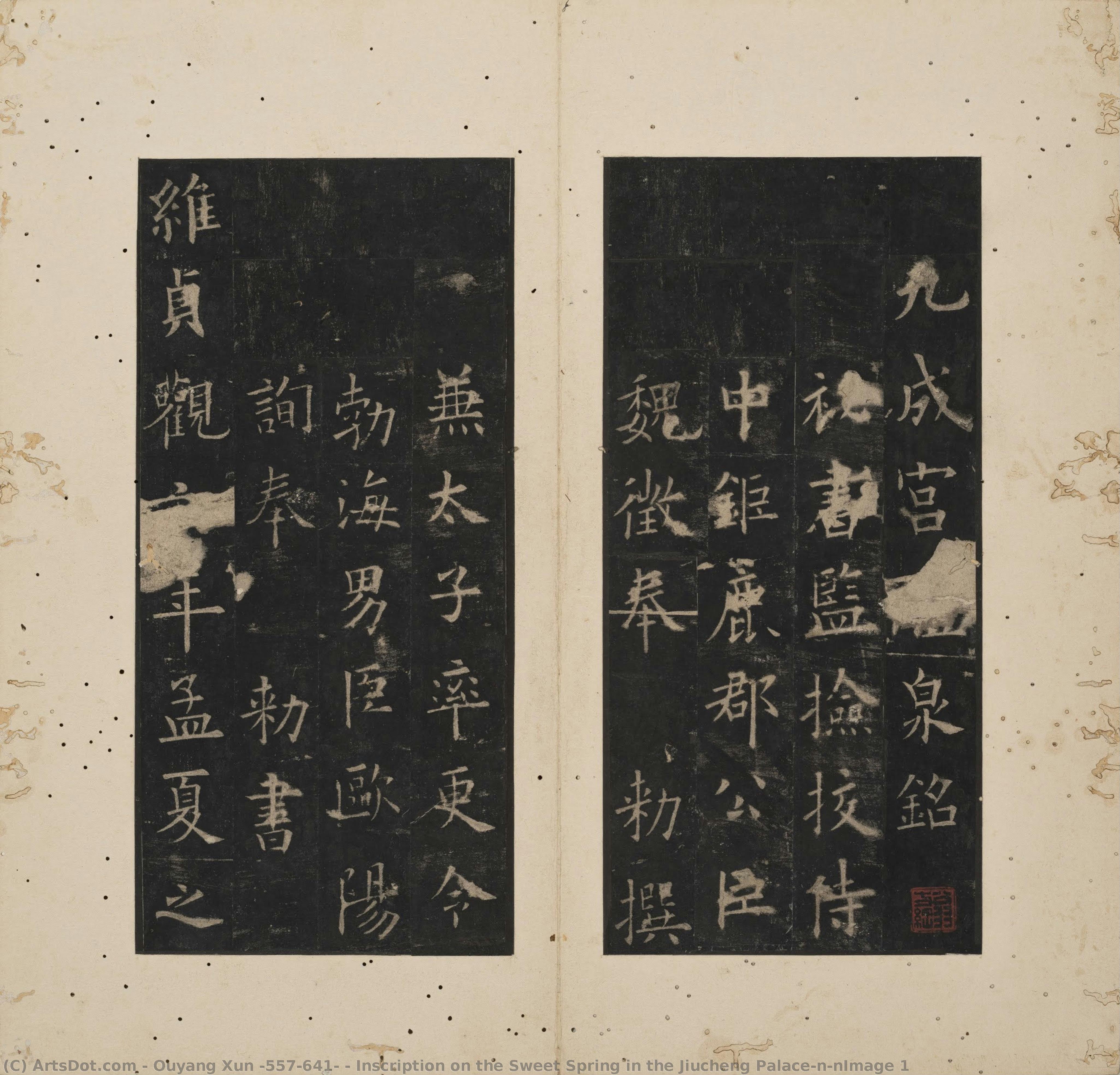
Inscription on the Sweet Spring in the Jiucheng Palace\n\nImage 1
 1100
1100 28.0 x 13.0 cm
 詳細を見る
詳細を見る
オンラインプレビューをはるかに凌ぐ、高解像度で鮮明なデジタル画像をご購入いただけます。
各ファイルは、社内の専門家が高度なツールと熟練した手作業によるレタッチを用いて、細心の注意を払って準備されています。すべての画像において、卓越した鮮明度、正確な色彩再現性、そして繊細なディテールを保証いたします。
最終ファイルは、プロフェッショナルな編集・印刷環境ですぐにご利用いただけるよう最適化された状態で、72時間以内にメールにてお届けいたします。これは、一流のデザインスタジオ、出版社、ギャラリーから信頼されているものと同等の品質です。
デジタル画像のご注文に付随する特典
高品質なデジタル画像配信を、確かな品質で。
ArtsDot.com を選ぶことは、単に画像を手に入れることではありません。それは、プロの手によって精密に仕上げられ、満足保証が付いた高品質なデジタルアートワークを受け取ることを意味します。ご注文いただいた際に自動的に付随する内容は、以下の通りです:

メールですぐにお届け
ご注文から72時間以内に、高解像度のデジタル画像ファイルがメールでお手元に届きます。すぐにそのままご利用いただけます。

AI技術で最適化されたデジタルファイル
お客様の作品は、高度なAIツールと専門家による手作業の編集を組み合わせてプロフェッショナルに最適化されており、細部のディテール、鮮明さ、そして正確な色再現性を最大限に引き出しています。

一生涯無料の再送サービス
ファイルを誤って削除したり、紛失してしまったりしましたか?ご安心ください。いつでも無料で再送いたします。

輸入手数料は一切かかりません
関税や手数料、配送料を気にすることなく、お気に入りのアートワークをすぐにお楽しみいただけます。デジタルダウンロードは常に免税です。

色彩再現の保証
プロ仕様のツールとカラーマネジメント技術を用いることで、デジタル画像が元の色を最大限に忠実に再現することを保証いたします。

60日間満足保証
ご購入いただいたデジタル画像にご満足いただけない場合は、60日以内であれば、修正または100%の返金(理由を問う必要はありません)をさせていただきます。

100% 返金保証
ご満足いただけない場合は、デジタルファイルを受け取ってから60日以内であれば、理由を問わず全額返金いたします。

まとめ買い割引
3枚購入で10%OFF - 5枚購入で15%OFF - 10枚以上購入で20%OFF。クリエイティブなプロジェクト、ギャラリー、エージェンシーに最適です。
関連作品









作家の略歴
The Architect of the Brush: The Life and Legacy of Ouyang Xun
In the golden era of the early Tang dynasty, a period defined by both political upheaval and unparalleled cultural flowering, there emerged a figure whose brushstrokes would become the very heartbeat of Chinese identity. Ouyang Xun, born in 557 AD in Changsha, was far more than a mere scribe; he was a scholar-official whose intellectual rigor and artistic precision bridged the gap between the administrative duties of the state and the spiritual depths of calligraphy. Raised within a distinguished lineage of government officials, his early life was steeped in the classical traditions of Confucianism. This foundation of scholarly discipline provided him with the tools to not only master the complexities of language but to infuse them with a structural integrity that would later define an entire era of Chinese art.
As he ascended through the imperial ranks—serving as an Imperial Doctor under the Sui dynasty and later as a censor and scholar at the prestigious Hongwen Academy—Ouyang Xun’s life became a tapestry of political service and artistic devotion. His career was marked by a profound commitment to the stability of the Tang empire, often acting as a moral compass within the court. Yet, it was in the quiet, focused moments of calligraphy that his true influence took root. He did not merely write; he engineered characters. His mastery of the regular script, or kaishu, transformed the medium from a tool of communication into a vessel for philosophical expression, characterized by a unique balance of strength and elegance.
The Precision of Regular Script and Artistic Mastery
To observe the work of Ouyang Xun is to witness a masterclass in structural equilibrium. His signature style is renowned for its "bone" structure—a term used by connoisseurs to describe the internal strength and vitality of each stroke. Unlike styles that favor fluid, sweeping motions, Ouyang’s regular script demands an almost architectural precision. Each character is composed with a deliberate sense of tension and release, where the weight of the ink and the sharpness of the edges create a visual rhythm that feels both eternal and alive. This technique was not merely an aesthetic choice but a reflection of his Confucian values: clarity, order, and righteousness.
His most celebrated achievement, the Inscription on the Sweet Spring in the Jiucheng Palace, stands as a monumental testament to this skill. Often hailed as "the best inscription written in regular script under heaven," this work exemplifies how his calligraphy could transcend the stone it was carved upon. Through his brush, the landscape of the palace and the essence of the spring are captured in the very architecture of the characters themselves. Similarly, works such as Bu Shang Studying demonstrate a contemplative serenity, where the complexity of the strokes never obscures the profound emotional depth and intellectual clarity that he sought to convey.
A Lasting Impression on Global Culture
The historical significance of Ouyang Xun extends far beyond the borders of ancient China. His influence acted as a cultural conduit, shaping the aesthetic sensibilities of neighboring nations for centuries. One of his most subtle yet profound legacies lies in the Kaiyuan Tongbao cash coin; the calligraphy he inscribed upon this currency became so iconic that it influenced the design of coinage in Japan, Sogdia, and Vietnam. Even in the modern era, traces of his genius remain visible, such as the characters extracted from his Zongsheng Temple Inscription which found their way into the branding of contemporary Japanese media.
Though legends occasionally whispered of his unconventional appearance, no myth could overshadow the supernatural intellect and artistic brilliance that defined him. Ouyang Xun remains one of the "Four Great Calligraphers of the Early Tang," a title that honors his role in establishing a standard of beauty that continues to inspire artists today. His life serves as a reminder that true art is not an escape from reality, but a profound engagement with it—a way to impose order upon chaos and to leave an indelible mark on the soul of civilization.
ouyang xun (557-641)
China
プロフィール概要
- Artistic Movement Or Style: Tang dynasty calligraphy
- Date Of Birth: 557
- Date Of Death: 641
- Full Name: Ouyang Xun
- Nationality: Chinese
- Notable Artworks:
- Inscription on the Sweet Spring in the Jiucheng Palace
- Bu Shang Studying, Running Regular Script
- Place Of Birth: Changsha, China

