

 プレビュー
プレビュー
 シェアする
シェアする シェアする
シェアする
 詳細を見る
詳細を見る

 ダウンロード
 似ている作品
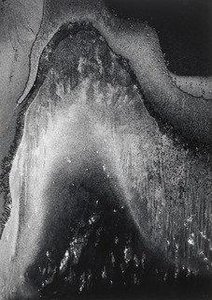
 X線調査
X線調査 スライドショー
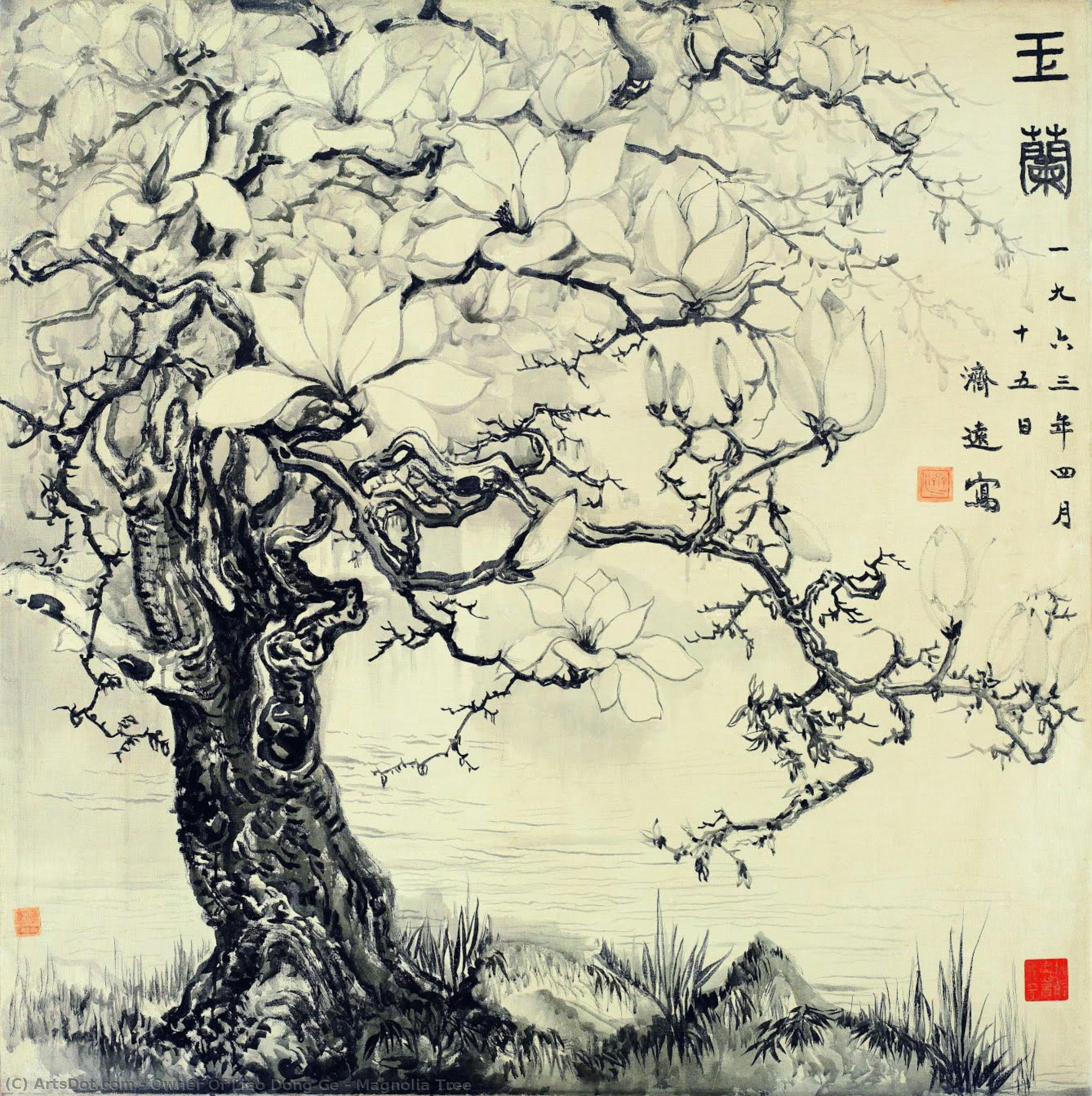
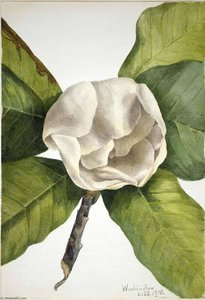
Magnolia Tree


 詳細を見る
詳細を見る
ジークレー/アートプリント
迅速な制作と多彩な仕上げオプションを備えた、ミュージアムクオリティのジークレーまたはキャンバスプリント。 ( 手描きの絵画を購入 画像を購入)




P118B $10

P118H $10

P118W $10

P438Z $10

P508JH $12

P508YH $12

P805H $10

P805Z $10

P919BZ $10

P919G $10

P919XJ $10

P959ZH $10

P968JZ $12

W106C $8

W218G $10

W218JH $8

W218Y $10

W307PJ $10

W316G $10

W316PJ $8

W316Y $10

W398PJ $8

W4111J $10

W500HY $15

W500JH $15

W692G $12

W849H $8

W940BG $15

W953PJ $8




作品のオリジナル比率に合わせた、当店の規定サイズからお選びください。

特定のフレームやスペースに合わせて、ご自身でサイズを指定することも可能です。選択されたサイズが元の画像の比率と一致しない場合、作品をトリミングするか、鏡面反射または単色での塗りつぶしによって画像を拡張いたします。制作を開始する前に、ご確認用のデジタルモックアップをお送りいたします。
画面上のプレビューには、実際のトリミングや拡張は反映されませんのでご注意ください。最終的な構図を正確に確認できるのは、モックアップのみとなります。
カスタムサイズも承っておりますが、元の比率を維持するためには、あらかじめ用意されたリストからサイズを選択することをお勧めいたします。


 ガラスオプションは、110cm未満のサイズでのみご利用いただけます。

Magnolia Tree
ジークレー/アートプリント
複製画のサイズ
-


合計金額
$ 62
Magnolia Tree – An Ode to Resilience and Beauty
Wang Jiyuan, born in Wujin, Jiangsu province, stands as a pivotal figure in the burgeoning landscape of Chinese modern art. His artistic journey began with formal training at Jiangsu Second Normal University before immersing himself in the vibrant intellectual currents of Shanghai College of Art (later renamed Shanghai Fine Arts School) in 1913. Early on, he demonstrated an exceptional talent for watercolor painting, blending Western influences with traditional Chinese aesthetics—a hallmark that would define his oeuvre throughout his career. This dedication to plein air observation and meticulous detail speaks volumes about his artistic philosophy: a harmonious blend of fierce passion and unwavering rationality.- Early Influences & Societal Engagement: Wang’s formative years were marked by participation in influential art societies like Juelan, where he championed innovative ideas alongside luminaries such as Ni Yide and Pang Xunqin. This collaborative spirit fueled his exploration of modern artistic principles and solidified his commitment to fostering creativity amongst younger artists through the establishment of the Yiyuan Painting Institute.
- European Exploration & Artistic Synthesis: Recognizing the importance of broadening horizons, Wang embarked on extensive travels throughout Europe and Japan in 1918-1919, absorbing techniques and perspectives that would enrich his artistic vision. He skillfully synthesized these influences with his grounding in Chinese painting traditions, resulting in a distinctive style characterized by nuanced tonal gradations and expressive brushstrokes.
- The Storm Society & Artistic Mentorship: Joining the Storm Society from 1932 onwards further cemented Wang’s role as an educator and mentor. He served as an advisor to numerous aspiring artists, imparting invaluable knowledge about Western painting techniques while simultaneously nurturing a deep appreciation for Chinese artistic heritage.
The Magnolia Tree – Symbolism and Technique
The depicted magnolia tree embodies more than just botanical beauty; it represents resilience—a tenacious bloom amidst challenging conditions—a theme deeply resonant with the spirit of Wang Jiyuan’s artistic endeavors. The artist meticulously rendered the delicate white blossoms against a backdrop of lush foliage, utilizing watercolor pigments to achieve remarkable luminosity and capturing the ephemeral nature of springtime. His technique prioritized layering washes of color to build depth and texture, mirroring the subtle complexities inherent in both Eastern and Western artistic traditions.- Watercolor Mastery: Wang Jiyuan’s mastery of watercolor is evident in every brushstroke. He skillfully manipulated pigment dispersion and blending techniques to convey atmospheric perspective and imbue his paintings with a palpable sense of tranquility.
- Composition & Color Palette: The asymmetrical arrangement of branches contributes to the painting's dynamic energy, while the restrained color palette—dominated by shades of white and green—underscores the artwork’s contemplative mood.
A Legacy Preserved – Recognition and Influence
Wang Jiyuan’s artistic legacy extends beyond his individual creations; he profoundly impacted the development of Chinese art education, shaping generations of artists with his pioneering approach to watercolor painting and Western technique instruction. His works are proudly displayed at prestigious institutions like Shanghai Fine Arts School and Taiwan's National Palace Museum, serving as enduring reminders of his contribution to the artistic canon. The magnolia tree itself—a symbol of purity, nobility, and rebirth—continues to inspire admiration for its timeless beauty and unwavering spirit—qualities that perfectly encapsulate Wang Jiyuan’s artistic vision.関連作品

アーティストの略歴
A Pioneer of Modern Chinese Painting: The Life and Legacy of Wang Jiyuan
Wang Jiyuan, also known as the Owner of Liao Dong Ge, stands as a pivotal figure in the evolution of 20th-century Chinese art. Born in Wujin, Jiangsu province, in 1893, his life spanned a period of immense social and artistic upheaval in China, witnessing the fall of the Qing dynasty, the rise of republicanism, and the subsequent cultural shifts that reshaped the nation’s aesthetic landscape. From an early age, Wang demonstrated a keen aptitude for art, initially studying at Jiangsu Second Normal School before embarking on formal training at the Shanghai College of Art in 1913 – an institution that would later become the renowned Shanghai Fine Arts School. This foundational education provided him with a solid grounding in both traditional Chinese techniques and emerging Western artistic principles, setting the stage for his innovative approach to painting.Early Career and the Pursuit of Artistic Innovation
Wang Jiyuan’s early work was characterized by a masterful command of watercolor, skillfully blending Eastern sensibilities with Western plein air practices. He quickly became an active participant in Shanghai's vibrant art circles, recognizing the need for modernization while simultaneously valuing China’s rich artistic heritage. This conviction led to his co-founding of several influential art societies that championed new ideas and approaches. In 1918, alongside Liu Haisu and Wang Yachen, he established the Tian-Ma Society, a collective dedicated to promoting modern art concepts within China. This was followed in 1928 by the founding of the Yiyuan Painting Institute, an organization designed to nurture young talent – providing a platform for artists like Zhu Qizhan, Pan Yuliang, and Chen Cheng-po to hone their skills and explore new creative avenues. However, it was his co-founding of the Juelan Society in 1932, with Ni Yide, Pang Xunqin, and Chen Cheng-po, that arguably cemented his legacy. The Juelan Society’s motto – “fierce passion, firm rationality” – encapsulated their commitment to a dynamic synthesis of tradition and innovation, advocating for a uniquely Chinese modern art form.A Multifaceted Educator and Advocate
Beyond his own artistic practice, Wang Jiyuan dedicated himself to education, believing that the future of Chinese art lay in cultivating a new generation of skilled and forward-thinking artists. He returned to teach at Shanghai Fine Arts School, eventually becoming director of the Western Painting Division. His influence extended beyond the classroom; he actively contributed to middle school art textbooks, co-authoring influential manuals on watercolor painting and fundamental Western painting techniques with Ni Yide. These publications played a crucial role in disseminating modern artistic knowledge across China, shaping the curriculum and inspiring countless students. Wang’s commitment wasn't merely about technical instruction; it was about fostering an appreciation for both Eastern and Western aesthetics, encouraging his pupils to critically engage with art history and develop their own unique voices.Later Life and Enduring Contributions
In 1941, amidst the escalating political turmoil in China, Wang Jiyuan settled in the United States before eventually relocating to Taiwan as an overseas Chinese. He continued to paint prolifically, hosting exhibitions that showcased his evolving style and garnering recognition for his contributions to modern art. Demonstrating a deep sense of cultural responsibility, he generously donated numerous works to prominent Taiwanese collections, including the National Palace Museum and the National Museum of History, ensuring their preservation and accessibility for future generations. Wang Jiyuan passed away in New York in January 1964, but his artistic spirit lived on. Four years later, his family members brought his ashes back to Taiwan, where a poignant sea burial ceremony honored his life and legacy.A Lasting Impact on the Chinese Art World
Wang Jiyuan’s significance lies not only in his individual artistic achievements – though works like *Orchids* and *Fruit* demonstrate his technical prowess and sensitivity – but also in his role as a catalyst for change within the Chinese art world. He was a bridge between tradition and modernity, skillfully navigating the complexities of cultural identity and artistic expression during a period of profound transformation. His emphasis on innovation, experimentation, and education continues to inspire artists today, solidifying his position as a true pioneer of modern Chinese painting. His dedication to fostering a uniquely Chinese aesthetic voice, coupled with his commitment to nurturing young talent, ensures that his legacy will endure for generations to come. The Owner of Liao Dong Ge’s influence resonates in the vibrant tapestry of contemporary Chinese art.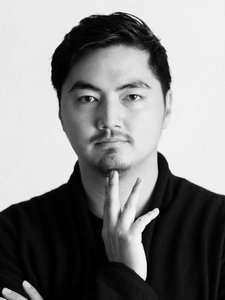
owner of liao dong ge
1893 - 1964 , China
基本情報
- Artistic Movement Or Style: Modern Chinese art
- Date Of Birth: 1893
- Date Of Death: 1964
- Full Name: Wang Jiyuan
- Nationality: Chinese
- Notable Artworks:
- Orchids
- Fruit
- Place Of Birth: Wujiang, China
関連記事

Watercolor Wonders: 10 Masterpieces That Redefined Art History | ArtsDot
Journey through 10 legendary watercolor masterpieces by Sargent, Turner & Homer! Explore iconic landscapes, portraits & floral art that redefined history. Find museum-quality reproductions and curated decor ideas at ArtsDot.com.

Ephemeral Visions: Exploring the Artistic Legacy & Contemporary Practice of Watercolor Painting
Explore the captivating world of watercolor painting! Discover its rich history, essential techniques, influential artists & collecting tips. A comprehensive guide for art enthusiasts from ArtsDot.

Ephemeral Visions: Exploring the History & Emotional Resonance of Watercolor Painting
Explore the captivating history of watercolor painting, from ancient techniques to modern masters like Kandinsky & Blake. Discover essential artists, collecting tips & the emotional power of this luminous medium. Expert insights for art enthusiasts.

Ephemeral Visions: Exploring the Artistic Legacy & Nuances of Watercolor Painting
Explore the captivating world of watercolor painting! Discover its rich history, essential techniques, influential artists & collecting tips from art experts. A comprehensive guide for enthusiasts.
水彩の永続的な魅力:歴史、技法、そして現代の実践
水彩画の歴史、技法、現代の実践を深く探求。巨匠たちの名画から初心者向けテクニックまで解説。ArtsDot.comでは高品質な複製画やカスタムポートレートをご提供します。アートコンサルテーションも受付中。

