

 プレビュー
プレビュー
 シェアする
シェアする シェアする
シェアする
 詳細を見る
詳細を見る

 ダウンロード
 似ている作品
 X線調査
X線調査 スライドショー
 統計情報
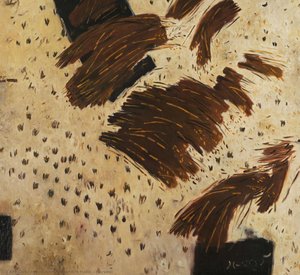
統計情報The Shadow


 詳細を見る
詳細を見る
手描き油彩複製画
当社のアーティストが、お客様のご希望のサイズと額縁に合わせて、キャンバスに手描きで制作する油彩画です。 ( プリント版に切り替え デジタル画像販売へ切り替え)




































作品のオリジナル比率に合わせた、当店の規定サイズからお選びください。

特定のフレームやスペースに合わせて、ご希望のサイズをご入力いただけます。選択されたサイズが元の画像の比率と異なる場合、アートワークをトリミングするか、手描きで要素を追加して絵画を拡張いたします。デジタルモックアップ を制作し、制作開始前にご確認(承認)をいただきます。
画面上のプレビューは、実際のトリミングや拡張を正確に反映しているものではありません。最終的な構図は、モックアップによってのみ正確にご確認いただけます。
カスタムサイズもご利用いただけますが、元の比率を維持するためには、あらかじめ用意されたリストからサイズを選択することをお勧めいたします。
ご注文後、ArtsDot.com チームより詳細な指示をお送りするとともに、仕上がりイメージ(モックアップ)をご提供いたします。


 ガラスオプションは、110cm未満のサイズでのみご利用いただけます。

The Shadow
複製技法
複製画のサイズ
-


合計金額
$ 263






アーティストの略歴
p.s. Nandan: A Sculptor of Shadows and Forms
p.s. Nandan, known also as Nandhan, is a compelling figure in contemporary Indian art, a sculptor and painter whose work resonates deeply within the legacy of the Madras Art Movement. Born in 1940 in Madhuranthakam, a small village nestled in Tamil Nadu’s fertile landscape, his artistic journey began not amidst grand institutions but within the familiar textures of clay – a material that would become inextricably linked to his creative process. His early life instilled a profound connection with the earth and its inherent forms, a connection that profoundly informs his abstract sculptures and evocative paintings. He found a home and mentorship at Cholamandal Artists’ Village in Chennai in 1965, an institution dedicated to fostering independent artistic expression and serving as a vital hub for experimentation within South Indian art. This environment proved crucial in shaping his distinctive style and solidifying his place within the movement.Early Training and Artistic Development
Nandan’s formal training began at the Government College of Arts and Crafts, Madras, where he earned his diploma in painting in 1968 and subsequently completed an advanced course. However, it was his exploration of sculpture – initially with clay, then progressing to more challenging materials like sheet metal, brick, granite, and wood – that truly defined his artistic trajectory. This deliberate shift reflects a deep-seated desire to move beyond the constraints of traditional painting and engage directly with the tactile qualities of form. The influence of the Madras Art Movement is undeniable; artists within this movement sought to break free from Western artistic conventions and explore indigenous aesthetics, often drawing inspiration from folk traditions, temple art, and the natural world. Nandan’s work embodies this spirit through its use of simplified forms, bold lines, and a deliberate avoidance of representational imagery.Key Works and Notable Exhibitions
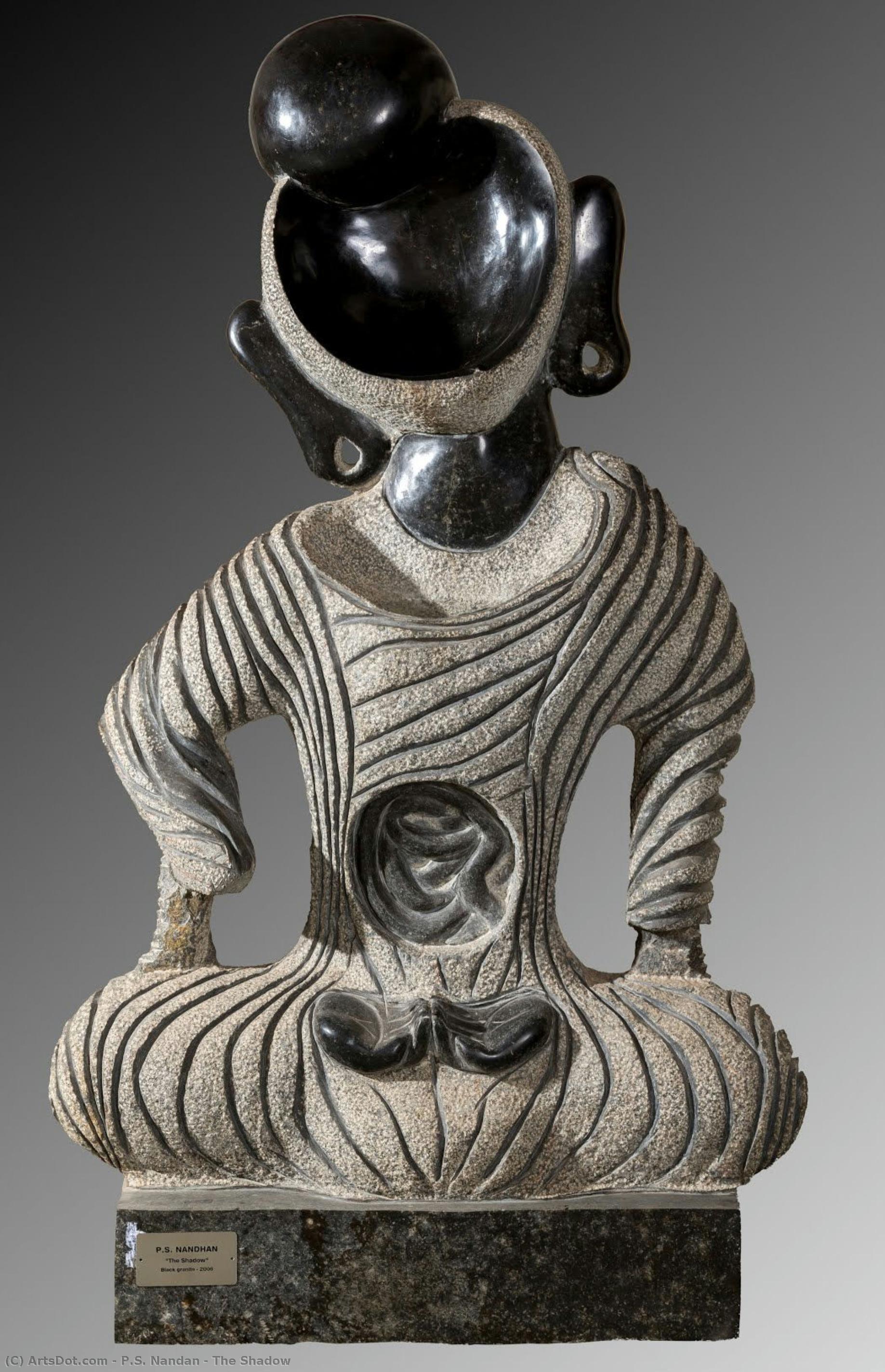
Nandan's sculptures are characterized by their powerful presence and often enigmatic quality. “The Shadow,” created in 2006 and permanently installed at Cholamandal Artists’ Village in Jembakkam, Chennai, exemplifies this perfectly. The sculpture, crafted from granite, captures a sense of mystery and introspection, inviting viewers to contemplate the interplay between light and darkness, form and void. Beyond "The Shadow," his work has been showcased in numerous galleries and museums across India, including Cholamandal Artists’ Village itself and the Museum of Madras Movement. His participation in international events like the Asian Art Biennale in Bangladesh (1988) and exhibitions in Turkey (1990) further cemented his reputation as a significant voice within contemporary Indian art. The book “The Madras Metaphor,” published by Oxford University Press, featured his work alongside other prominent artists of the movement, solidifying his place in the canon of South Indian modernism.Technique and Artistic Philosophy
Nandan’s artistic process is deeply rooted in intuition and a profound understanding of materials. He frequently works with granite, appreciating its tonal variations and the inherent strength of the stone. His sculptures are often characterized by their stark simplicity – clean lines, geometric forms, and a deliberate reduction of detail. While he began his career primarily as a painter, he never abandoned two-dimensional media, viewing them as complementary to his sculptural practice. He describes his creative impulse as organic, drawing inspiration from the shapes and textures he perceives in the world around him. His work is not about literal representation but rather about conveying an emotional or spiritual essence through abstract forms. The influence of the line—a key element of the Madras Art Movement—is evident throughout his oeuvre, suggesting a continuous dialogue between form and gesture.Legacy and Continuing Influence
p.s. Nandan’s contribution to Indian art extends far beyond individual works; he represents a vital link to the traditions of South Indian sculpture while simultaneously pushing the boundaries of contemporary artistic expression. His work continues to be exhibited and collected internationally, demonstrating its enduring appeal. His commitment to independent practice and his exploration of fundamental artistic principles have made him a respected figure within the Cholamandal Artists’ Village and a significant voice in the ongoing dialogue about modern Indian art. The Senior Fellowship awarded by the Ministry of Education, Government of India, stands as a testament to his lasting impact on the artistic landscape. His work serves as a powerful reminder of the enduring power of abstraction and the importance of connecting with one's roots while embracing innovation.
p.s. nandan
1940 - , India
基本情報
- Artistic Movement Or Style: Abstract art, Modern Indian sculpture
- Artists Or Movements Influenced By This Artist: ['Madras Art Movement']
- Artists Who Influenced This Artist: ['KCS Paniker']
- Date Of Birth: 1940
- Full Name: p.s. nandan / nandhan
- Nationality: Indian
- Notable Artworks:
- The Shadow
- Various sculptures & paintings
- Place Of Birth: Madhuranthakam, India