

 プレビュー
プレビュー
 プリントを購入
 シェアする
シェアする シェアする
シェアする
 詳細を見る
詳細を見る

 ダウンロード
 似ている作品
 X線調査
X線調査 スライドショー
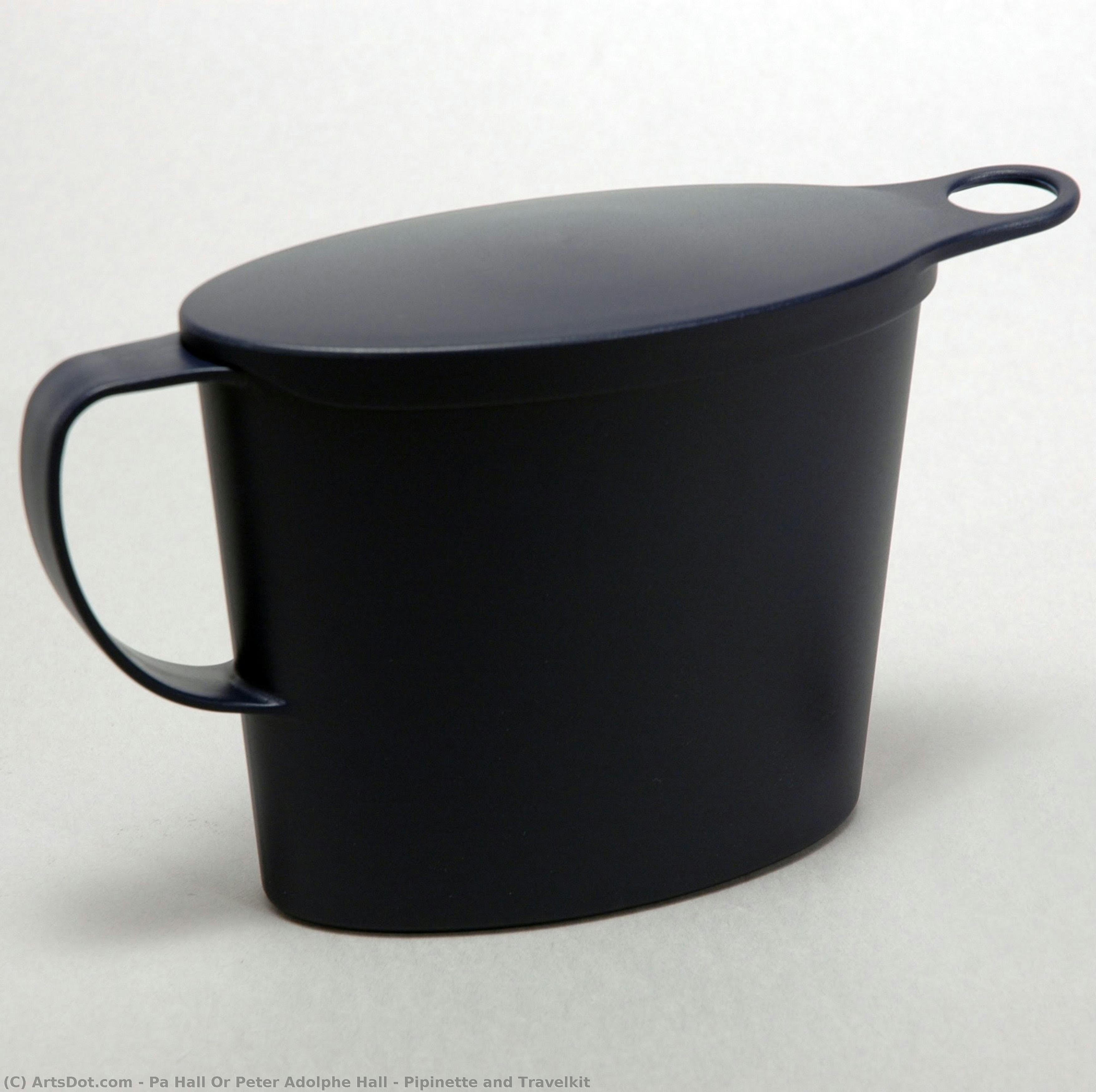
Pipinette and Travelkit


 詳細を見る
詳細を見る




P118B $10

P118H $10

P118W $10

P438Z $10

P508JH $12

P508YH $12

P805H $10

P805Z $10

P919BZ $10

P919G $10

P919XJ $10

P959ZH $10

P968JZ $12

W106C $8

W218G $10

W218JH $8

W218Y $10

W307PJ $10

W316G $10

W316PJ $8

W316Y $10

W398PJ $8

W4111J $10

W500HY $15

W500JH $15

W692G $12

W849H $8

W940BG $15

W953PJ $8




作品のオリジナル比率に合わせた、当店の規定サイズからお選びください。

特定のフレームやスペースに合わせて、ご希望のサイズをご入力いただけます。選択されたサイズが元の画像の比率と異なる場合、アートワークをトリミングするか、手描きで要素を追加して絵画を拡張いたします。デジタルモックアップ を制作し、制作開始前にご確認(承認)をいただきます。
画面上のプレビューは、実際のトリミングや拡張を正確に反映しているものではありません。最終的な構図は、モックアップによってのみ正確にご確認いただけます。
カスタムサイズもご利用いただけますが、元の比率を維持するためには、あらかじめ用意されたリストからサイズを選択することをお勧めいたします。
ご注文後、ArtsDot.com チームより詳細な指示をお送りするとともに、仕上がりイメージ(モックアップ)をご提供いたします。


 ガラスオプションは、110cm未満のサイズでのみご利用いただけます。

Pipinette and Travelkit
複製技法
複製画のサイズ
-


合計金額
$ 263
The Enigmatic Charm of Pipinette and Travelkit: A Miniature Revolution
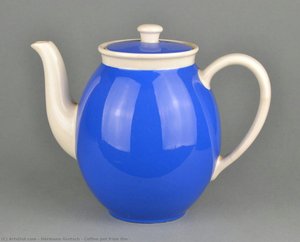
Peter Adolf Hall’s “Pipinette and Travelkit” isn't merely a depiction of a chamber pot; it’s a testament to an audacious vision, a quiet revolution in domestic design. Born from the meticulous mind of Carola Nilstein in 1995, this seemingly simple object—a compact, elegantly functional solution for personal comfort—holds within it a fascinating story of innovation and a subtle commentary on shifting social norms. The piece, rendered in a restrained black mug against a stark white backdrop, immediately draws the eye with its understated sophistication, hinting at a deeper narrative than meets the casual glance.
A History Rooted in Ingenuity
The story of “Pipinette and Travelkit” is inextricably linked to Peter Adolf Hall (1739-1793), a Swedish artist whose legacy lies primarily in his miniature portraiture. Hall, a man who defied convention by embracing impasto techniques—building up layers of paint to create texture and luminosity—applied this same meticulous approach to the design of this revolutionary potty. His background as a court painter for French royalty speaks volumes about his skill and understanding of detail; he wasn’t simply creating an object; he was crafting a miniature masterpiece, reflecting a refined aesthetic sensibility. The inclusion of Hall's biography – a man who moved from painting grand portraits to designing intimate solutions – underscores the surprising convergence of artistic disciplines within his life. The numerous awards bestowed upon the Pipinette—the Swedish Design Prize, Good Design Award, and Red Dot Design Award—testify not only to its aesthetic appeal but also to its groundbreaking functionality.
Deconstructing the Form: A Study in Minimalism
The photograph itself is a masterclass in minimalist composition. The stark white background serves as an almost surgical counterpoint to the black mug, isolating it and forcing the viewer to focus entirely on its form. The mug’s rounded shapes, softened by the subtle curve of the handle, are rendered with remarkable clarity—a testament to careful lighting and a keen eye for detail. Lines are minimal, defined primarily by the edges of the mug and the attachment point of the handle, creating a sense of geometric precision. The surface appears smooth and matte, suggesting a material like ceramic or porcelain – a choice that speaks to both durability and tactile appeal. The even lighting eliminates harsh shadows, lending an air of clinical observation while simultaneously highlighting the subtle variations in tone within the black itself, hinting at reflections and material nuances.
Symbolism and Social Commentary
Beyond its functional purpose, “Pipinette and Travelkit” subtly engages with themes of privacy, dignity, and shifting social expectations. The very act of designing a standing potty—a departure from traditional seated models—represents a challenge to conventional notions of modesty and female autonomy. Carola Nilstein’s initial inspiration stemmed from a desire to provide women with greater control and comfort, reflecting a growing awareness of women's needs within the domestic sphere. The Travelkit, a compact version designed for on-the-go use, further emphasizes this shift—a small, discreet solution that empowers women to maintain their dignity wherever they are. The piece’s quiet elegance suggests a subtle rebellion against restrictive social norms, wrapped in an undeniably chic package.
As a high-quality reproduction, “Pipinette and Travelkit” offers a unique opportunity to bring this intriguing design into your home or office—a conversation starter that blends historical significance with contemporary style. It’s more than just a mug; it's a miniature artifact of innovation and a poignant reflection on the evolving role of women in society.
関連作品





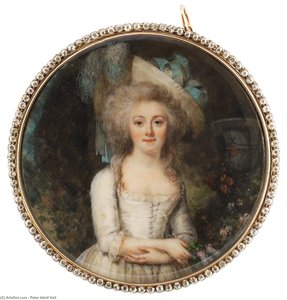
アーティストの略歴
The Miniature Master: The Life and Legacy of Peter Adolphe Hall
In the delicate, intimate world of eighteenth-century portraiture, few names command as much quiet reverence as Peter Adolphe Hall. Born in Borås, Sweden, on February 23, 1739, Hall would eventually transcend his Scandinavian origins to become a defining figure of the French Rococo and Neoclassical transition. His journey from the Swedish provinces to the glittering courts of France is a testament to a singular talent that found its true expression in the smallest of scales. As a master of miniature painting, Hall possessed the rare ability to capture the profound psychological depth of his subjects within a frame no larger than a palm, turning tiny portraits into windows of immense emotional complexity.
Hall’s career was defined by a remarkable technical evolution that set him apart from his contemporaries. While many miniaturists of the era relied on soft, blended washes to achieve a smooth finish, Hall pioneered an innovative use of impasto. By applying thicker layers of paint, he introduced a tactile, sculptural quality to his work that allowed light to dance across the surface of the portrait. This technique breathed life into the textures of silk, lace, and skin, lending a startling realism to his depictions of the French nobility. His brushwork was not merely descriptive but transformative, imbuing each miniature with a luminous vitality that made the subjects appear as though they might step out from their ivory or vellum settings.
A Courtly Ascent and Artistic Triumph
The trajectory of Hall’s life took him to the heart of European high society, where his skill earned him the prestigious distinction of being a court painter to Louis XVI. This position placed him at the epicenter of cultural influence, allowing him to document the faces of an era on the precipice of monumental historical change. His work served as more than mere likeness; it was a sophisticated language of status and elegance. Through his portraits, one can observe the meticulous attention to the fashion and etiquette of the French court, rendered with a precision that captured both the outward splendor and the inward dignity of the aristocracy.
Beyond his technical prowess, Hall’s significance lies in his role as a bridge between artistic movements. His ability to blend the decorative charm of the Rococo with the emerging clarity and structure of Neoclassicism allowed him to remain relevant during a period of intense stylistic shifts. The achievements of his career are reflected in the enduring fascination with his miniatures, which continue to captivate collectors for their intimacy and brilliance. His life, which came to an end in Liège on May 15, 1793, marked the conclusion of a journey that had fundamentally reshaped the possibilities of the miniature medium.
Key Aspects of Hall's Artistic Contribution
To understand the enduring impact of Peter Adolphe Hall, one must consider the specific elements that defined his mastery:
- Technical Innovation: The pioneering use of impasto in miniature painting to create texture and light.
- Psychological Depth: A profound ability to capture the character and soul of his sitters within a tiny format.
- Historical Documentation: Serving as a vital visual chronicler of the French nobility during the reign of Louis XVI.
- Stylistic Versatility: Successfully navigating the transition from the ornate Rococo style to the more disciplined Neoclassical era.
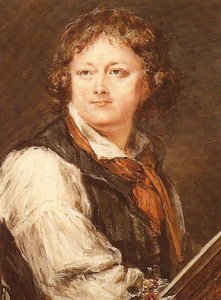
pa hall or peter adolphe hall
1739 - 1793 , Sweden
基本情報
- Artistic Movement Or Style: Miniature painting, Rococo
- Date Of Birth: February 23, 1739
- Date Of Death: May 15, 1793
- Full Name: Pierre Adolphe Hall
- Nationality: Swedish-French
- Place Of Birth: Borås, Sweden
関連記事

Peter Graham Li: Capturing Light & Narrative in Contemporary Oil Painting
Discover the captivating oil paintings of Peter Graham Li – a contemporary artist celebrated for his masterful use of light, color, and impasto technique. Explore investment potential & curated selections at ArtsDot.
Charles Le Brun: Master of French Baroque Classicism & His Enduring Legacy
Explore the life & art of Charles Le Brun, master of French Baroque Classicism. Discover his royal commissions, influence on Versailles, and enduring legacy through detailed analysis & stunning artworks.
The Eloquent Brushstroke: A Historical & Technical Exploration of Texture, Intent & Expression in Painting
Explore the rich history & techniques of impasto painting – from Renaissance masters to Van Gogh's expressive strokes. Discover how artists use texture to convey emotion and create lasting impact. Learn more!
Simon Vouet: A Baroque Master's Journey from Italian Influence to French Classicism
Explore the life & art of Simon Vouet, a pivotal French Baroque painter who introduced Italian styles to France. Discover his masterpieces and lasting influence on 17th-century art.
The Enduring Legacy of French Art: Movements, Masters & Cultural Impact
Explore the rich history of French art, from the Salon to Impressionism & beyond. Discover iconic masters, key movements, and expert guidance for collecting timeless masterpieces. ArtsDot.

