


 プレビュー
プレビュー
 プリントを購入
 シェアする
シェアする シェアする
シェアする
 詳細を見る
詳細を見る

 ダウンロード
 似ている作品
 X線調査
X線調査 スライドショー
The ecological toilet for slum areas Ecoloove


 詳細を見る
詳細を見る
オンラインプレビューをはるかに凌ぐ、高解像度で鮮明なデジタル画像をご購入いただけます。
各ファイルは、社内の専門家が高度なツールと熟練した手作業によるレタッチを用いて、細心の注意を払って準備されています。すべての画像において、卓越した鮮明度、正確な色彩再現性、そして繊細なディテールを保証いたします。
最終ファイルは、プロフェッショナルな編集・印刷環境ですぐにご利用いただけるよう最適化された状態で、72時間以内にメールにてお届けいたします。これは、一流のデザインスタジオ、出版社、ギャラリーから信頼されているものと同等の品質です。
デジタル画像のご注文に付随する特典
高品質なデジタル画像配信を、確かな品質で。
ArtsDot.com を選ぶことは、単に画像を手に入れることではありません。それは、プロの手によって精密に仕上げられ、満足保証が付いた高品質なデジタルアートワークを受け取ることを意味します。ご注文いただいた際に自動的に付随する内容は、以下の通りです:

メールですぐにお届け
ご注文から72時間以内に、高解像度のデジタル画像ファイルがメールでお手元に届きます。すぐにそのままご利用いただけます。

AI技術で最適化されたデジタルファイル
お客様の作品は、高度なAIツールと専門家による手作業の編集を組み合わせてプロフェッショナルに最適化されており、細部のディテール、鮮明さ、そして正確な色再現性を最大限に引き出しています。

一生涯無料の再送サービス
ファイルを誤って削除したり、紛失してしまったりしましたか?ご安心ください。いつでも無料で再送いたします。

輸入手数料は一切かかりません
関税や手数料、配送料を気にすることなく、お気に入りのアートワークをすぐにお楽しみいただけます。デジタルダウンロードは常に免税です。

色彩再現の保証
プロ仕様のツールとカラーマネジメント技術を用いることで、デジタル画像が元の色を最大限に忠実に再現することを保証いたします。

60日間満足保証
ご購入いただいたデジタル画像にご満足いただけない場合は、60日以内であれば、修正または100%の返金(理由を問う必要はありません)をさせていただきます。

100% 返金保証
ご満足いただけない場合は、デジタルファイルを受け取ってから60日以内であれば、理由を問わず全額返金いたします。

まとめ買い割引
3枚購入で10%OFF - 5枚購入で15%OFF - 10枚以上購入で20%OFF。クリエイティブなプロジェクト、ギャラリー、エージェンシーに最適です。
The Ecological Toilet for Slum Areas Ecoloove – A Conceptual Fusion of Sustainability and Artistic Vision
Pa Hall/Peter Adolphe Hall’s “The ecological toilet for slum areas Ecoloove” transcends mere functionality; it embodies a profound statement about social responsibility interwoven with innovative artistic expression. Created in 1979, this miniature painting stands as a testament to Hall's pioneering approach to art – specifically his masterful use of impasto technique and his ability to capture the essence of human experience.
Hall’s distinctive style is immediately recognizable through his textured surface treatment. He employed thick layers of paint applied with palette knives, creating palpable ridges and valleys that lend a sculptural quality to the canvas. This technique wasn't simply decorative; it served as a deliberate conduit for conveying emotion and capturing the materiality of the subject matter – in this case, an unconventional mobile toilet designed for impoverished communities.
The artwork’s conceptual core revolves around addressing critical issues of sanitation and economic empowerment within urban slums. The project initiated by Annamaja Segtnan aimed to transform waste into valuable fertilizer, fostering a circular economy model alongside improving living conditions. This ambitious endeavor exemplifies the burgeoning field of “development aid,” prioritizing practical solutions combined with social upliftment.
The visual composition is striking: an old bicycle frame serves as the structural base for a towering bamboo structure housing the toilet itself. The asymmetrical arrangement emphasizes the juxtaposition of industrial repurposing and natural organic forms—a deliberate reflection on harmony between technology and environment. Lighting appears artificial, casting minimal shadows, suggesting a studio setting where meticulous attention to detail was paramount.
Symbolically, “Ecoloove” speaks volumes about artistic ingenuity tackling societal challenges. It’s more than just a depiction of an innovative toilet design; it's a visual manifesto advocating for sustainable practices and accessible basic necessities. Hall’s masterful execution elevates the artwork beyond its utilitarian purpose, transforming it into a poignant emblem of human compassion and creative problem-solving.
Artist Biography: Pierre Adolf Hall
Born in Borås, Sweden, on February 23, 1739, Pierre Adolf Hall (PA Hall) emerged as a prominent figure in the Swedish art scene during the Enlightenment. Primarily recognized for his exceptional skill in miniature painting—a technique characterized by painstaking detail and exquisite craftsmanship—Hall achieved international acclaim for his portraits of French nobility.
His artistic legacy rests on his groundbreaking impasto technique, which involved applying paint thickly onto canvas to create textured surfaces that mimicked the appearance of sculpted reliefs. This innovative approach distinguished Hall from his contemporaries and cemented his reputation as a visionary artist who pushed the boundaries of artistic convention.
Materials & Technique
“The ecological toilet for slum areas Ecoloove” showcases Hall’s dedication to utilizing readily available materials—primarily wood (bamboo), metal (bicycle frame), and possibly some plastic components—to construct an aesthetically compelling piece. The artist's meticulous attention to detail is evident in the geometric lines of the bicycle frame and the rectangular form of the toilet structure.
Textures vary across the canvas, ranging from smooth (metal) to rough (bamboo), mirroring the diverse elements incorporated into the artwork’s design. Color palettes are dominated by shades of green—a deliberate choice reflecting the project's focus on ecological sustainability—with accents of yellow and white adding vibrancy and visual interest.
Historical Context & Significance
Created in 1979, “The ecological toilet for slum areas Ecoloove” reflects the broader artistic trends of its time – a period marked by intellectual curiosity and experimentation. Hall’s work aligns with the humanist spirit of the Enlightenment, prioritizing human dignity and social justice alongside aesthetic beauty.
Furthermore, the artwork's conceptual underpinning—the initiative to transform slum waste into fertilizer—underscores the growing awareness of environmental concerns during the late 20th century. It serves as a powerful reminder that art can inspire positive change and contribute to addressing pressing societal issues.
関連作品


作家の略歴
The Miniature Master: The Life and Legacy of Peter Adolphe Hall
In the delicate, intimate world of eighteenth-century portraiture, few names command as much quiet reverence as Peter Adolphe Hall. Born in Borås, Sweden, on February 23, 1739, Hall would eventually transcend his Scandinavian origins to become a defining figure of the French Rococo and Neoclassical transition. His journey from the Swedish provinces to the glittering courts of France is a testament to a singular talent that found its true expression in the smallest of scales. As a master of miniature painting, Hall possessed the rare ability to capture the profound psychological depth of his subjects within a frame no larger than a palm, turning tiny portraits into windows of immense emotional complexity.
Hall’s career was defined by a remarkable technical evolution that set him apart from his contemporaries. While many miniaturists of the era relied on soft, blended washes to achieve a smooth finish, Hall pioneered an innovative use of impasto. By applying thicker layers of paint, he introduced a tactile, sculptural quality to his work that allowed light to dance across the surface of the portrait. This technique breathed life into the textures of silk, lace, and skin, lending a startling realism to his depictions of the French nobility. His brushwork was not merely descriptive but transformative, imbuing each miniature with a luminous vitality that made the subjects appear as though they might step out from their ivory or vellum settings.
A Courtly Ascent and Artistic Triumph
The trajectory of Hall’s life took him to the heart of European high society, where his skill earned him the prestigious distinction of being a court painter to Louis XVI. This position placed him at the epicenter of cultural influence, allowing him to document the faces of an era on the precipice of monumental historical change. His work served as more than mere likeness; it was a sophisticated language of status and elegance. Through his portraits, one can observe the meticulous attention to the fashion and etiquette of the French court, rendered with a precision that captured both the outward splendor and the inward dignity of the aristocracy.
Beyond his technical prowess, Hall’s significance lies in his role as a bridge between artistic movements. His ability to blend the decorative charm of the Rococo with the emerging clarity and structure of Neoclassicism allowed him to remain relevant during a period of intense stylistic shifts. The achievements of his career are reflected in the enduring fascination with his miniatures, which continue to captivate collectors for their intimacy and brilliance. His life, which came to an end in Liège on May 15, 1793, marked the conclusion of a journey that had fundamentally reshaped the possibilities of the miniature medium.
Key Aspects of Hall's Artistic Contribution
To understand the enduring impact of Peter Adolphe Hall, one must consider the specific elements that defined his mastery:
- Technical Innovation: The pioneering use of impasto in miniature painting to create texture and light.
- Psychological Depth: A profound ability to capture the character and soul of his sitters within a tiny format.
- Historical Documentation: Serving as a vital visual chronicler of the French nobility during the reign of Louis XVI.
- Stylistic Versatility: Successfully navigating the transition from the ornate Rococo style to the more disciplined Neoclassical era.
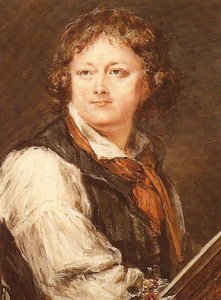
pa hall or peter adolphe hall
1739 - 1793 , Sweden
プロフィール概要
- Artistic Movement Or Style: Miniature painting, Rococo
- Date Of Birth: February 23, 1739
- Date Of Death: May 15, 1793
- Full Name: Pierre Adolphe Hall
- Nationality: Swedish-French
- Place Of Birth: Borås, Sweden

