 プレビュー
プレビュー
 シェアする
シェアする シェアする
シェアする
 詳細を見る
詳細を見る

 ダウンロード
 似ている作品
 X線調査
X線調査 スライドショー
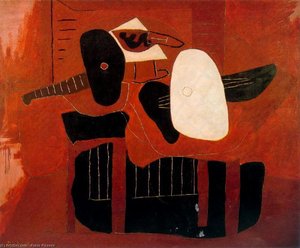
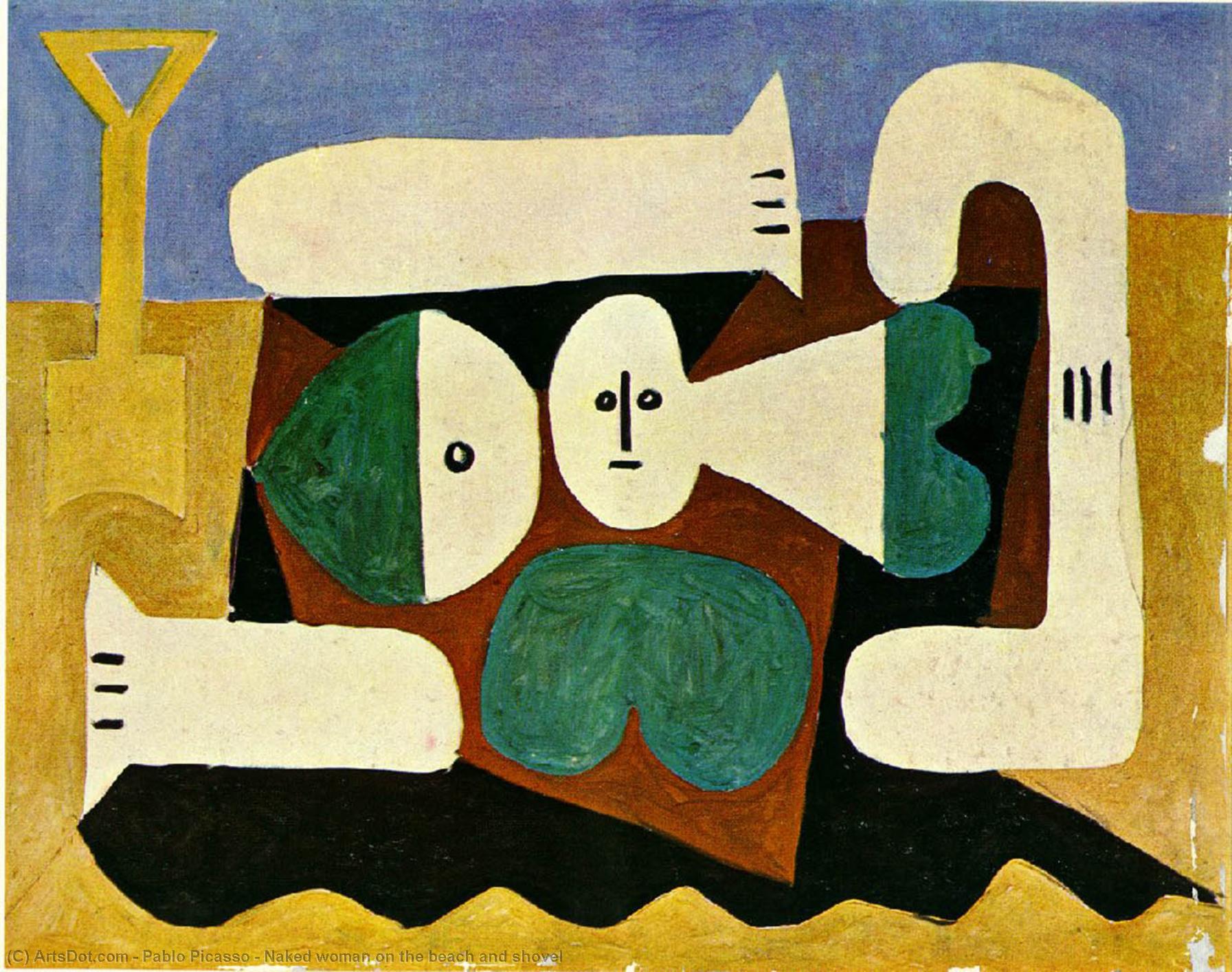
Naked woman on the beach and shovel
 Acrylic On Canvas
- WallArt
- Surrealist Movement
 1960
1960 114.0 x 146.0 cm
 詳細を見る
詳細を見る
ジークレー/アートプリント
迅速な制作と多彩な仕上げオプションを備えた、ミュージアムクオリティのジークレーまたはキャンバスプリント。 ( 手描きの絵画を購入 画像を購入)




P118B $10

P118H $10

P118W $10

P438Z $10

P508JH $12

P508YH $12

P805H $10

P805Z $10

P919BZ $10

P919G $10

P919XJ $10

P959ZH $10

P968JZ $12

W106C $8

W218G $10

W218JH $8

W218Y $10

W307PJ $10

W316G $10

W316PJ $8

W316Y $10

W398PJ $8

W4111J $10

W500HY $15

W500JH $15

W692G $12

W849H $8

W940BG $15

W953PJ $8




作品のオリジナル比率に合わせた、当店の規定サイズからお選びください。

特定のフレームやスペースに合わせて、ご自身でサイズを指定することも可能です。選択されたサイズが元の画像の比率と一致しない場合、作品をトリミングするか、鏡面反射または単色での塗りつぶしによって画像を拡張いたします。制作を開始する前に、ご確認用のデジタルモックアップをお送りいたします。
画面上のプレビューには、実際のトリミングや拡張は反映されませんのでご注意ください。最終的な構図を正確に確認できるのは、モックアップのみとなります。
カスタムサイズも承っておりますが、元の比率を維持するためには、あらかじめ用意されたリストからサイズを選択することをお勧めいたします。


 ガラスオプションは、110cm未満のサイズでのみご利用いただけます。

Naked woman on the beach and shovel
ジークレー/アートプリント
複製画のサイズ
-


合計金額
$ 62
A Dreamscape of the Psyche: Picasso’s *Naked Woman on the Beach and Shovel*
Pablo Picasso's 1960 painting, *Naked Woman on the Beach and Shovel*, is not merely a depiction of a scene; it’s an immersion into the artist’s deeply personal and profoundly surreal world. Created during a period when Picasso was actively exploring the boundaries of his own imagination, this work embodies the spirit of the Surrealist movement while retaining the distinctive hallmarks of his lifelong artistic evolution. Measuring 114 x 146 cm, the canvas unfolds as a carefully constructed tableau – a fragmented memory, perhaps, or a potent distillation of anxieties and desires. The painting immediately draws the eye to the central figure, a woman lying supine on the beach, her head tilted in an almost meditative pose. Her nudity is not presented with overt sensuality but rather as a vulnerability, a stripping away of defenses that invites contemplation about the human condition.
The Language of Form and Color
Picasso’s technique here is masterful, blending elements of Cubism – particularly in the fractured planes and multiple perspectives – with the dreamlike logic of Surrealism. The palette is restrained yet evocative; muted blues and ochres dominate the beach and sky, creating a sense of timelessness and melancholy. The use of chiaroscuro—the dramatic contrast between light and shadow—is particularly effective, highlighting the woman’s form and drawing attention to the enigmatic details surrounding her. Notice how the shovel, placed deliberately in the top left corner, disrupts the natural order, injecting an element of intrusion or perhaps even a symbolic tool for unearthing something buried within the subconscious. The other figures in the background – a solitary figure on the right and another partially obscured at the bottom—add to the painting’s sense of mystery, suggesting a shared observation or a silent drama unfolding beyond the central subject.
Symbolism and the Weight of Memory
The symbolism within *Naked Woman on the Beach and Shovel* is layered and open to interpretation. The beach itself has long been associated with transition, release, and the unconscious. The shovel, a simple tool for digging, could represent an attempt to excavate memories, confront buried emotions, or even disturb the tranquility of the scene. Some art historians have linked it to Picasso’s personal experiences – his loss of loved ones, particularly his sister, which frequently manifested in themes of grief and mortality throughout his oeuvre. The woman's gaze, directed towards something unseen, suggests a yearning for understanding, a reaching out into an unknown realm. It’s a visual representation of the human desire to make sense of our past and navigate the complexities of existence.
Contextualizing a Surrealist Masterpiece
Painted in 1960, *Naked Woman on the Beach and Shovel* firmly places Picasso within the context of the burgeoning Surrealist movement. While he had been experimenting with surrealistic elements throughout his career, this work represents a particularly potent expression of that influence. It shares affinities with other works like *The Serenade*, also exploring dreamlike scenarios and the interplay between reality and fantasy. Interestingly, Picasso’s compositional choices—the use of counterbalance and the juxtaposition of geometric and organic forms—can be traced back to his admiration for Juan Gris, whose work he greatly respected. The influence of Gris' meticulous approach to form is subtly present in the painting’s structure, creating a harmonious tension between abstraction and representation.
A reproduction of *Naked Woman on the Beach and Shovel* offers a remarkable opportunity to bring this evocative artwork into your home or office space. ArtsDot provides meticulously crafted hand-painted reproductions that capture not only the visual details but also the emotional depth and intellectual complexity of Picasso’s masterpiece. Consider how its haunting imagery can serve as a focal point, sparking conversation and inviting contemplation – a timeless reminder of the power of art to illuminate the human psyche.
関連作品
アーティストの略歴
マálagaの息子、芸術革命への道
パブロ・ピカソ。その名は、20世紀美術における革命を象徴する言葉として世界中に知られています。1881年10月25日、スペインのマálagaで生まれ、幼い頃から鉛筆に惹かれる才能を示した彼は、父であるホセ・ルイス・ブルスコの指導のもと、絵画の世界へと足を踏み入れました。しかし、ピカソはすぐに師を凌駕し、自然主義的な描写における驚くべき才能を発揮しました。家族がコルヌーニャ、そしてバルセロナへと移り住った際、姉の死という悲劇に見舞われる中で、彼の作品には繊細な憂鬱と死への意識が滲み出ることになります。バルセロナ美術学校やマドリード王立サン・フェルナンド芸術アカデミーでの学業も中途半端に終わりましたが、それは彼が伝統的な画風に縛られることを拒否し、ヴェラスケスやゴヤといった巨匠たちから学びながら、独自の芸術的道を切り開こうとした証でした。青と薔薇の時代:感情と色彩の探求
20世紀初頭、ピカソは「青の時代」(1901年~1904年)と「薔薇の時代」(1904年~1906年)という、二つの明確な時期を経験します。青の時代は、個人的な苦悩と社会的な苦しみの鋭い認識から生まれ、憂鬱な青や藍色の色調に染め上げられた作品群が特徴です。貧困にあえぐ人々、盲人、売春婦といった社会の底辺で生きる人々を、深い共感をもって描き出し、孤独と絶望というテーマを表現しています。「生命」(1903年)や「古いギター弾き」(1903年~1904年)は、この時代を象徴する作品として、今もなお多くの人々の心を打ちます。そして、パリへの移住と私生活の変化が、「薔薇の時代」をもたらしました。パレットは暖色系へと変わり、ピンク、オレンジ、赤といった色彩が画面を彩ります。ピカソはサーカス団員たちに魅せられ、彼らの脆さと力強さを表現しました。「塩imbancosの一族」(1905年)は、この時代の移行期を示す作品であり、その後の芸術的探求への伏線となっています。視点の破壊:キュビスムと新たな表現
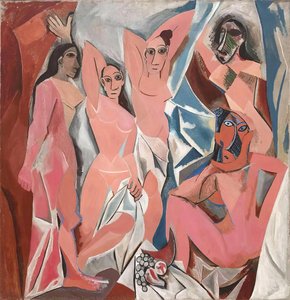
1907年の「アビニョンの娘たち」の制作は、美術史における転換点となりました。イベリア彫刻やアフリカのマスクの影響を受け、この作品は伝統的な遠近法や描写を根本から覆しました。それは、何世紀にもわたる芸術的慣習に対する大胆な拒絶であり、ジョルジュ・ブラックと共にキュビスムという革命的な運動へと繋がりました。分析的キュビスム(1909年~1912年)では、物体は幾何学的な形に分解され、抑制された色彩で表現されることで、あたかもその形態を解剖しているかのような印象を与えます。そして、新聞の切り抜きや布片といったコラージュ要素を取り入れた総合的キュビスム(1912年~1919年)へと発展し、新たな質感と視覚的な複雑さを加えました。ピカソは世界を単に表現するのではなく、それを解体し、自身の創造的な意図によって再構築しようとしたのです。変革の探求:新古典主義、シュルレアリスム、そして戦争
1920年代には、ピカソは一時的に新古典主義様式を取り入れ、古典的な形態を彷彿とさせる巨大な人物像を描きました。同時に、彼は新興のシュルレアリスム運動とも関わりを持ちましたが、完全にその影響下に入ったわけではありません。この時期の作品は、初期の様式的な影響とシュールなイメージ、そして歪んだ遠近法が融合し、彼の飽くなき実験精神を物語っています。スペイン内戦の悲劇はピカソに深い衝撃を与え、「ゲルニカ」(1937年)という巨大な作品を生み出しました。この作品は、ゲルニカ爆撃に対する激しい感情的な反応であり、戦争の惨禍を象徴する不朽の名作となりました。ピカソは芸術家としてだけでなく、平和と社会正義のための強力な声となったのです。1950年代から60年代にかけても、彼は陶芸、彫刻、版画といった様々な分野に挑戦し続けました。そして、1961年にジャクリーヌ・ルクとの結婚は、彼の個人的な生活と芸術表現に新たな次元をもたらしました。計り知れない遺産
1973年4月8日、ムーアンでピカソはその生涯を閉じましたが、5万点を超えるという驚くべき数の作品群を残し、後世に多大な影響を与えました。彼の芸術的発展は、ヴェラスケスやゴヤといったスペインの巨匠たちから、イベリア彫刻、アフリカ美術、そしてマティスの鮮やかな色彩パレットまで、多様な影響を受けています。20世紀美術への彼の貢献は計り知れません。キュビスムを創始し、コラージュや組み立て彫刻の先駆者となり、常に芸術的慣習に挑戦しました。ピカソの飽くなき実験精神は現代美術を再定義し、世代を超えて多くのアーティストにインスピレーションを与え続けています。彼の遺産はキャンバスを超え、現代文化の様々な側面に共鳴し、芸術的ビジョンの変革力を私たちに思い出させてくれます。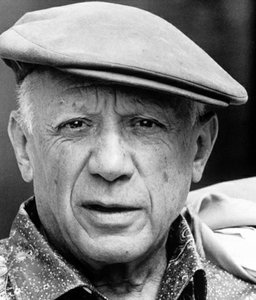
パブロ・ピカソ
1881 - 1973 , スペイン
基本情報
- フルネーム: パブロ・ルイス・ピカソ
- 主な作品:
- レ・デモワゼル・ダヴィニョン
- ゲルニカ
- 老ギター弾き
- 出生地: マラガ、スペイン
- 国籍: スペイン
- 影響を与えたアーティストまたは運動:
- キュビスム
- 現代美術
- 影響を受けたアーティスト:
- ベラスケス
- ゴヤ
- 没年月日: 1973年4月8日
- 生年月日: 1881年10月25日
- 芸術運動またはスタイル: キュビスム、シュルレアリスム
関連記事
Cubism's Revolution: 10 Masterpieces That Redefined Modern Art | ArtsDot
Explore 10 Cubist masterpieces by Picasso, Braque & more! Delve into the history of this revolutionary art movement. Find museum-quality reproductions and elevate your home decor with ArtsDot. Discover all masterpieces on ArtsDot.com
Cubist Expression: 10 Masterpieces That Revolutionized Modern Art | ArtsDot
Explore 10 Cubist masterpieces by Picasso, Braque & more! Discover the stories behind these revolutionary paintings and their impact on modern art. Find museum-quality reproductions for your home at ArtsDot.com – where art comes to life.
Cubist Portraits: 10 Masterpieces That Revolutionized Art | ArtsDot
Explore 10 revolutionary Cubist portraits by Picasso, Braque & more! Discover the stories behind these iconic paintings and how they shaped modern art. Find museum-quality reproductions to elevate your home decor on ArtsDot.com.
現代ギャラリーにおける美術複製版の戦略的役割:模倣を超えて、権威と鑑賞体験を再構築する
現代ギャラリーにおける美術複製版の戦略的役割を徹底分析。贋作問題、流通構造の変化、鑑賞体験の再構築、技術革新まで深く掘り下げ、アート投資やコレクションに役立つ情報を提供します。専門家による視点と信頼性の高いデータに基づいた高品質な記事です。
マックス・エルンスト傑作25選:シュルレアリスムの深淵と装飾への誘い
マックス・エルンストの傑作25選。シュルレアリスムを代表する画家、その夢と無意識の世界を描いた絵画や版画を紐解きます。リビングやオフィスに飾るモダンアート、インテリアに最適な作品を見つけませんか?ArtsDot.comで全コレクションをオンラインで探す。