

 プレビュー
プレビュー
 プリントを購入
 シェアする
シェアする シェアする
シェアする
 詳細を見る
詳細を見る

 ダウンロード
 似ている作品
 X線調査
X線調査 スライドショー
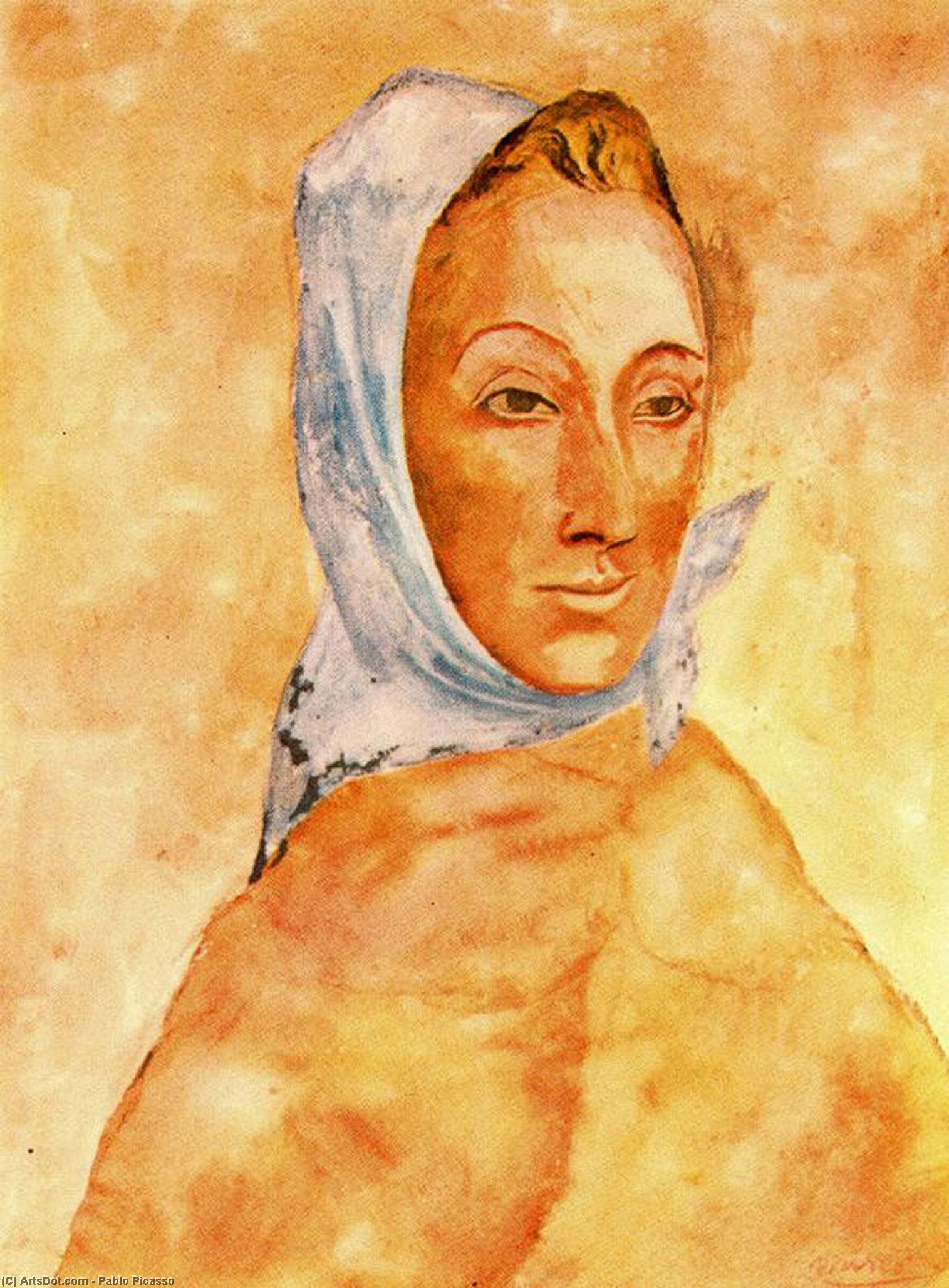
Portrait of Fernande Olivier in headscarves


 詳細を見る
詳細を見る
オンラインプレビューをはるかに凌ぐ、高解像度で鮮明なデジタル画像をご購入いただけます。
各ファイルは、社内の専門家が高度なツールと熟練した手作業によるレタッチを用いて、細心の注意を払って準備されています。すべての画像において、卓越した鮮明度、正確な色彩再現性、そして繊細なディテールを保証いたします。
最終ファイルは、プロフェッショナルな編集・印刷環境ですぐにご利用いただけるよう最適化された状態で、72時間以内にメールにてお届けいたします。これは、一流のデザインスタジオ、出版社、ギャラリーから信頼されているものと同等の品質です。
デジタル画像のご注文に付随する特典
高品質なデジタル画像配信を、確かな品質で。
ArtsDot.com を選ぶことは、単に画像を手に入れることではありません。それは、プロの手によって精密に仕上げられ、満足保証が付いた高品質なデジタルアートワークを受け取ることを意味します。ご注文いただいた際に自動的に付随する内容は、以下の通りです:

メールですぐにお届け
ご注文から72時間以内に、高解像度のデジタル画像ファイルがメールでお手元に届きます。すぐにそのままご利用いただけます。

AI技術で最適化されたデジタルファイル
お客様の作品は、高度なAIツールと専門家による手作業の編集を組み合わせてプロフェッショナルに最適化されており、細部のディテール、鮮明さ、そして正確な色再現性を最大限に引き出しています。

一生涯無料の再送サービス
ファイルを誤って削除したり、紛失してしまったりしましたか?ご安心ください。いつでも無料で再送いたします。

輸入手数料は一切かかりません
関税や手数料、配送料を気にすることなく、お気に入りのアートワークをすぐにお楽しみいただけます。デジタルダウンロードは常に免税です。

色彩再現の保証
プロ仕様のツールとカラーマネジメント技術を用いることで、デジタル画像が元の色を最大限に忠実に再現することを保証いたします。

60日間満足保証
ご購入いただいたデジタル画像にご満足いただけない場合は、60日以内であれば、修正または100%の返金(理由を問う必要はありません)をさせていただきます。

100% 返金保証
ご満足いただけない場合は、デジタルファイルを受け取ってから60日以内であれば、理由を問わず全額返金いたします。

まとめ買い割引
3枚購入で10%OFF - 5枚購入で15%OFF - 10枚以上購入で20%OFF。クリエイティブなプロジェクト、ギャラリー、エージェンシーに最適です。
Portrait of Fernande Olivier in Headscarves: A Proto-Cubist Revelation
Pablo Picasso’s “Portrait of Fernande Olivier in Headscarves,” painted in 1906, stands as a pivotal moment in the artist's evolution—a vibrant bridge between his emotionally charged Blue Period and the groundbreaking experimentation that would define his rise to prominence within Cubism. More than simply a likeness, this work embodies Picasso’s burgeoning fascination with form, perspective, and the complex interplay of subject and representation. It’s a deeply personal piece, reflecting his profound connection with Fernande Olivier, not just as muse but as a significant influence on his artistic trajectory.
The painting immediately captivates with its bold color palette—a deliberate departure from the predominantly melancholic blues of his earlier period. Warm ochres, oranges, and browns dominate the background, creating an intimate, almost theatrical space for Fernande. The focal point is undeniably her headscarf, a striking splash of cerulean blue that draws the eye and introduces a dynamic element to the composition. This deliberate contrast between cool color and warm tones establishes a visual tension that mirrors the complexities of their relationship – admiration mixed with perhaps a touch of guardedness.
Proto-Cubism: A Geometric Seed
“Portrait of Fernande Olivier in Headscarves” firmly places Picasso within the nascent field of Proto-Cubism, a transitional phase preceding the fully realized Cubist movement. As defined by scholars like Proto Cubism Art Movement, this period witnessed a radical shift in artistic approach. Picasso began to dismantle traditional forms, reducing them to their essential geometric components—planes and angles—while simultaneously exploring multiple viewpoints within a single image. Notice how Fernande’s features are not rendered with photographic accuracy but rather fragmented and rearranged, suggesting an awareness of her form from various perspectives.
The simplification of shapes is evident in the treatment of her face – the nose, mouth, and eyes are suggested through overlapping planes rather than meticulously detailed representations. This technique anticipates the analytical Cubism that would follow, where objects are dissected into their constituent parts and reassembled in a flattened, ambiguous space. The background itself contributes to this effect; it’s not merely a backdrop but an active participant in the deconstruction of form.
Symbolism and Inner World
Beyond its formal innovations, the portrait is rich with symbolic meaning. Fernande's serious expression—her gaze directed directly at the viewer—conveys a sense of quiet dignity and introspection. This emphasis on the subject’s inner world aligns with Picasso’s broader artistic concerns during this period, reflecting his interest in capturing psychological depth rather than simply depicting external appearances. The headscarf itself can be interpreted as a symbol of concealment or protection, perhaps hinting at Fernande's role as both model and confidante to the artist.
The use of yellow, orange, and brown hues adds an artistic and vintage appearance to the painting, reminiscent of early 20th-century decorative arts. It’s a deliberate choice that elevates the portrait beyond a mere likeness, transforming it into a work of art with its own distinct aesthetic quality.
Echoes of Cezanne and Beyond
Picasso's Proto-Cubist explorations were not entirely isolated. He was deeply influenced by Post-Impressionists like Paul Cézanne, whose emphasis on geometric forms and the exploration of perspective paved the way for Cubism. As noted in Paul Cezanne’s work, particularly pieces like “The Bather” and “Still Life with Watermelon and Pomegranates,” Cézanne's interest in analyzing natural forms into their fundamental geometric components resonated profoundly with Picasso. Similarly, the simplified forms and flattened space of "Portrait of Fernande Olivier in Headscarves" demonstrate a clear lineage from Cézanne’s groundbreaking approach.
Furthermore, the painting reflects broader artistic currents of the time, including the influence of African art – a key inspiration for Cubism. Picasso's exploration of fragmented forms and multiple perspectives can be seen as an attempt to capture the essence of objects and figures in a way that transcends traditional Western representation.
A Legacy of Innovation
“Portrait of Fernande Olivier in Headscarves” is more than just a beautiful painting; it’s a crucial document in Picasso's artistic development. It represents a bold experiment with form, color, and perspective—a stepping stone to the revolutionary Cubist movement that would forever change the course of modern art. For those seeking to understand the genesis of Cubism or appreciate Picasso’s early innovations, this painting offers a compelling glimpse into a pivotal moment in his career. Pablo Picasso on ArtsDot provides an extensive collection of his paintings and biographical information for further exploration.
This reproduction captures the essence of this groundbreaking work, allowing you to bring its vibrant colors and innovative composition into your own space.
関連作品
作家の略歴
マálagaの息子、芸術革命への道
パブロ・ピカソ。その名は、20世紀美術における革命を象徴する言葉として世界中に知られています。1881年10月25日、スペインのマálagaで生まれ、幼い頃から鉛筆に惹かれる才能を示した彼は、父であるホセ・ルイス・ブルスコの指導のもと、絵画の世界へと足を踏み入れました。しかし、ピカソはすぐに師を凌駕し、自然主義的な描写における驚くべき才能を発揮しました。家族がコルヌーニャ、そしてバルセロナへと移り住った際、姉の死という悲劇に見舞われる中で、彼の作品には繊細な憂鬱と死への意識が滲み出ることになります。バルセロナ美術学校やマドリード王立サン・フェルナンド芸術アカデミーでの学業も中途半端に終わりましたが、それは彼が伝統的な画風に縛られることを拒否し、ヴェラスケスやゴヤといった巨匠たちから学びながら、独自の芸術的道を切り開こうとした証でした。青と薔薇の時代:感情と色彩の探求
20世紀初頭、ピカソは「青の時代」(1901年~1904年)と「薔薇の時代」(1904年~1906年)という、二つの明確な時期を経験します。青の時代は、個人的な苦悩と社会的な苦しみの鋭い認識から生まれ、憂鬱な青や藍色の色調に染め上げられた作品群が特徴です。貧困にあえぐ人々、盲人、売春婦といった社会の底辺で生きる人々を、深い共感をもって描き出し、孤独と絶望というテーマを表現しています。「生命」(1903年)や「古いギター弾き」(1903年~1904年)は、この時代を象徴する作品として、今もなお多くの人々の心を打ちます。そして、パリへの移住と私生活の変化が、「薔薇の時代」をもたらしました。パレットは暖色系へと変わり、ピンク、オレンジ、赤といった色彩が画面を彩ります。ピカソはサーカス団員たちに魅せられ、彼らの脆さと力強さを表現しました。「塩imbancosの一族」(1905年)は、この時代の移行期を示す作品であり、その後の芸術的探求への伏線となっています。視点の破壊:キュビスムと新たな表現
1907年の「アビニョンの娘たち」の制作は、美術史における転換点となりました。イベリア彫刻やアフリカのマスクの影響を受け、この作品は伝統的な遠近法や描写を根本から覆しました。それは、何世紀にもわたる芸術的慣習に対する大胆な拒絶であり、ジョルジュ・ブラックと共にキュビスムという革命的な運動へと繋がりました。分析的キュビスム(1909年~1912年)では、物体は幾何学的な形に分解され、抑制された色彩で表現されることで、あたかもその形態を解剖しているかのような印象を与えます。そして、新聞の切り抜きや布片といったコラージュ要素を取り入れた総合的キュビスム(1912年~1919年)へと発展し、新たな質感と視覚的な複雑さを加えました。ピカソは世界を単に表現するのではなく、それを解体し、自身の創造的な意図によって再構築しようとしたのです。変革の探求:新古典主義、シュルレアリスム、そして戦争
1920年代には、ピカソは一時的に新古典主義様式を取り入れ、古典的な形態を彷彿とさせる巨大な人物像を描きました。同時に、彼は新興のシュルレアリスム運動とも関わりを持ちましたが、完全にその影響下に入ったわけではありません。この時期の作品は、初期の様式的な影響とシュールなイメージ、そして歪んだ遠近法が融合し、彼の飽くなき実験精神を物語っています。スペイン内戦の悲劇はピカソに深い衝撃を与え、「ゲルニカ」(1937年)という巨大な作品を生み出しました。この作品は、ゲルニカ爆撃に対する激しい感情的な反応であり、戦争の惨禍を象徴する不朽の名作となりました。ピカソは芸術家としてだけでなく、平和と社会正義のための強力な声となったのです。1950年代から60年代にかけても、彼は陶芸、彫刻、版画といった様々な分野に挑戦し続けました。そして、1961年にジャクリーヌ・ルクとの結婚は、彼の個人的な生活と芸術表現に新たな次元をもたらしました。計り知れない遺産
1973年4月8日、ムーアンでピカソはその生涯を閉じましたが、5万点を超えるという驚くべき数の作品群を残し、後世に多大な影響を与えました。彼の芸術的発展は、ヴェラスケスやゴヤといったスペインの巨匠たちから、イベリア彫刻、アフリカ美術、そしてマティスの鮮やかな色彩パレットまで、多様な影響を受けています。20世紀美術への彼の貢献は計り知れません。キュビスムを創始し、コラージュや組み立て彫刻の先駆者となり、常に芸術的慣習に挑戦しました。ピカソの飽くなき実験精神は現代美術を再定義し、世代を超えて多くのアーティストにインスピレーションを与え続けています。彼の遺産はキャンバスを超え、現代文化の様々な側面に共鳴し、芸術的ビジョンの変革力を私たちに思い出させてくれます。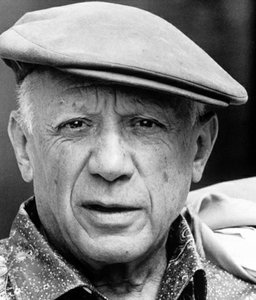
パブロ・ピカソ
1881 - 1973 , スペイン
プロフィール概要
- フルネーム: パブロ・ルイス・ピカソ
- 主な作品:
- レ・デモワゼル・ダヴィニョン
- ゲルニカ
- 老ギター弾き
- 出生地: マラガ、スペイン
- 国籍: スペイン
- 影響を与えたアーティストまたは運動:
- キュビスム
- 現代美術
- 影響を受けたアーティスト:
- ベラスケス
- ゴヤ
- 没年月日: 1973年4月8日
- 生年月日: 1881年10月25日
- 芸術運動またはスタイル: キュビスム、シュルレアリスム

