 プレビュー
プレビュー
 プリントを購入
 シェアする
シェアする シェアする
シェアする
 詳細を見る
詳細を見る

 ダウンロード
 似ている作品
 X線調査
X線調査 スライドショー
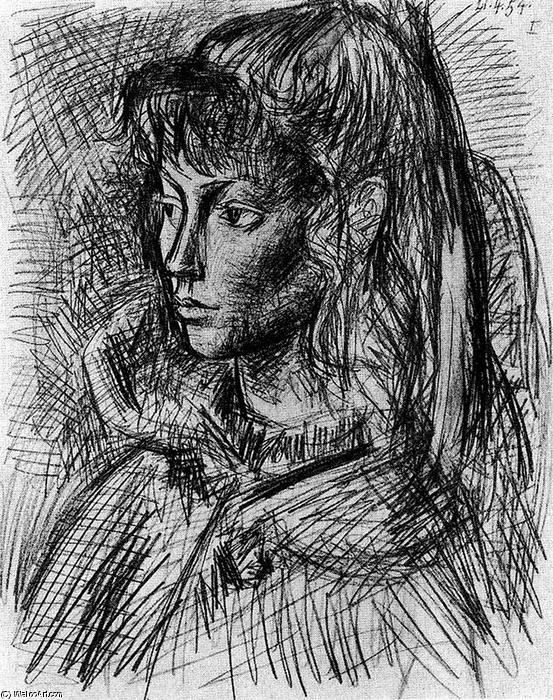
Portrait of Sylvette David


 詳細を見る
詳細を見る




P118B $10

P118H $10

P118W $10

P438Z $10

P508JH $12

P508YH $12

P805H $10

P805Z $10

P919BZ $10

P919G $10

P919XJ $10

P959ZH $10

P968JZ $12

W106C $8

W218G $10

W218JH $8

W218Y $10

W307PJ $10

W316G $10

W316PJ $8

W316Y $10

W398PJ $8

W4111J $10

W500HY $15

W500JH $15

W692G $12

W849H $8

W940BG $15

W953PJ $8




作品のオリジナル比率に合わせた、当店の規定サイズからお選びください。

特定のフレームやスペースに合わせて、ご希望のサイズをご入力いただけます。選択されたサイズが元の画像の比率と異なる場合、アートワークをトリミングするか、手描きで要素を追加して絵画を拡張いたします。デジタルモックアップ を制作し、制作開始前にご確認(承認)をいただきます。
画面上のプレビューは、実際のトリミングや拡張を正確に反映しているものではありません。最終的な構図は、モックアップによってのみ正確にご確認いただけます。
カスタムサイズもご利用いただけますが、元の比率を維持するためには、あらかじめ用意されたリストからサイズを選択することをお勧めいたします。
ご注文後、ArtsDot.com チームより詳細な指示をお送りするとともに、仕上がりイメージ(モックアップ)をご提供いたします。


 ガラスオプションは、110cm未満のサイズでのみご利用いただけます。

Portrait of Sylvette David
複製技法
複製画のサイズ
-


合計金額
$ 263
A Glimpse into the Soul: Picasso’s Intimate Encounter with Sylvette David
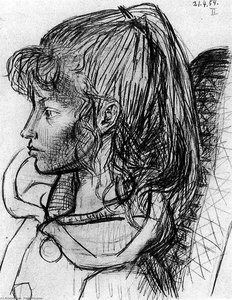
In the vast, revolutionary tapestry of Pablo Picasso’s career, certain works emerge not as loud declarations of change, but as whispered secrets captured in monochrome. Portrait of Sylvette David, created in 1954, is precisely such a masterpiece. It is a profound study in quiet intensity, a moment frozen in time that transcends mere portraiture to become an exploration of human psychology. During this period, Picasso found himself captivated by the youthful energy of Sylvette David, a muse who would later become a central figure in his life. In this particular rendering, we see the artist moving away from the fractured complexities of his earlier Cubist periods toward a more naïve and stripped-back aesthetic—a style that embraces simplicity to reach a deeper, more raw emotional truth.
The composition is masterfully restrained, focusing our gaze intently upon the subject’s face and upper torso. By employing a three-quarter view and directing Sylvette’s gaze downward, Picasso invites the viewer into a space of profound introspection. There is no distracting background here; the world outside this portrait ceases to exist, leaving only the contemplative stillness of the sitter. This deliberate reduction of detail allows the viewer to connect directly with the subject's inner life, fostering an atmosphere of melancholy and quietude that is both haunting and deeply beautiful.
The Art of the Line: Technique and Visual Rhythm
To look closely at this work is to witness a dance of graphite and ink. Picasso utilizes a dynamic range of lines to construct form, eschewing traditional shading in favor of energetic hatching and cross-hatching. These rapid, rhythmic strokes create a sense of movement and texture that breathes life into the static image. Notice how the artist’s hand moves with both precision and urgency; the hair is rendered through a flurry of dense, overlapping strokes that suggest volume and a certain wildness, contrasting beautifully with the more controlled lines defining the contours of the face.
The monochrome palette—a sophisticated arrangement of blacks, whites, and varying grays—serves to heighten the dramatic impact of the piece. Without the distraction of color, the interplay of light and shadow becomes the primary storyteller. The lighting appears diffused, casting soft shadows that define the delicate structure of the face and the elegance of her updo. This use of contrast creates a sculptural quality, giving the flattened perspective a surprising sense of depth and presence that commands attention in any setting.
A Timeless Addition to the Modern Collector
For the discerning art lover or interior designer, Portrait of Sylvette David offers much more than visual appeal; it offers an emotional anchor. Its minimalist aesthetic and striking graphic quality make it a versatile masterpiece, capable of bringing a sense of sophisticated intellect to a contemporary gallery wall or a curated residential space. The artwork embodies the essence of modernism—the ability to distill complex human emotions into simplified, geometric forms that remain eternally relevant.
Owning a high-quality reproduction of this work allows one to inhabit the same contemplative atmosphere Picasso captured decades ago. It is an invitation to pause, to reflect, and to appreciate the beauty found in simplicity. Whether placed in a sunlit study or a moody, minimalist lounge, this portrait serves as a testament to the enduring power of the human spirit and the transformative genius of Pablo Picasso.
関連作品
アーティストの略歴
マálagaの息子、芸術革命への道
パブロ・ピカソ。その名は、20世紀美術における革命を象徴する言葉として世界中に知られています。1881年10月25日、スペインのマálagaで生まれ、幼い頃から鉛筆に惹かれる才能を示した彼は、父であるホセ・ルイス・ブルスコの指導のもと、絵画の世界へと足を踏み入れました。しかし、ピカソはすぐに師を凌駕し、自然主義的な描写における驚くべき才能を発揮しました。家族がコルヌーニャ、そしてバルセロナへと移り住った際、姉の死という悲劇に見舞われる中で、彼の作品には繊細な憂鬱と死への意識が滲み出ることになります。バルセロナ美術学校やマドリード王立サン・フェルナンド芸術アカデミーでの学業も中途半端に終わりましたが、それは彼が伝統的な画風に縛られることを拒否し、ヴェラスケスやゴヤといった巨匠たちから学びながら、独自の芸術的道を切り開こうとした証でした。青と薔薇の時代:感情と色彩の探求
20世紀初頭、ピカソは「青の時代」(1901年~1904年)と「薔薇の時代」(1904年~1906年)という、二つの明確な時期を経験します。青の時代は、個人的な苦悩と社会的な苦しみの鋭い認識から生まれ、憂鬱な青や藍色の色調に染め上げられた作品群が特徴です。貧困にあえぐ人々、盲人、売春婦といった社会の底辺で生きる人々を、深い共感をもって描き出し、孤独と絶望というテーマを表現しています。「生命」(1903年)や「古いギター弾き」(1903年~1904年)は、この時代を象徴する作品として、今もなお多くの人々の心を打ちます。そして、パリへの移住と私生活の変化が、「薔薇の時代」をもたらしました。パレットは暖色系へと変わり、ピンク、オレンジ、赤といった色彩が画面を彩ります。ピカソはサーカス団員たちに魅せられ、彼らの脆さと力強さを表現しました。「塩imbancosの一族」(1905年)は、この時代の移行期を示す作品であり、その後の芸術的探求への伏線となっています。視点の破壊:キュビスムと新たな表現
1907年の「アビニョンの娘たち」の制作は、美術史における転換点となりました。イベリア彫刻やアフリカのマスクの影響を受け、この作品は伝統的な遠近法や描写を根本から覆しました。それは、何世紀にもわたる芸術的慣習に対する大胆な拒絶であり、ジョルジュ・ブラックと共にキュビスムという革命的な運動へと繋がりました。分析的キュビスム(1909年~1912年)では、物体は幾何学的な形に分解され、抑制された色彩で表現されることで、あたかもその形態を解剖しているかのような印象を与えます。そして、新聞の切り抜きや布片といったコラージュ要素を取り入れた総合的キュビスム(1912年~1919年)へと発展し、新たな質感と視覚的な複雑さを加えました。ピカソは世界を単に表現するのではなく、それを解体し、自身の創造的な意図によって再構築しようとしたのです。変革の探求:新古典主義、シュルレアリスム、そして戦争
1920年代には、ピカソは一時的に新古典主義様式を取り入れ、古典的な形態を彷彿とさせる巨大な人物像を描きました。同時に、彼は新興のシュルレアリスム運動とも関わりを持ちましたが、完全にその影響下に入ったわけではありません。この時期の作品は、初期の様式的な影響とシュールなイメージ、そして歪んだ遠近法が融合し、彼の飽くなき実験精神を物語っています。スペイン内戦の悲劇はピカソに深い衝撃を与え、「ゲルニカ」(1937年)という巨大な作品を生み出しました。この作品は、ゲルニカ爆撃に対する激しい感情的な反応であり、戦争の惨禍を象徴する不朽の名作となりました。ピカソは芸術家としてだけでなく、平和と社会正義のための強力な声となったのです。1950年代から60年代にかけても、彼は陶芸、彫刻、版画といった様々な分野に挑戦し続けました。そして、1961年にジャクリーヌ・ルクとの結婚は、彼の個人的な生活と芸術表現に新たな次元をもたらしました。計り知れない遺産
1973年4月8日、ムーアンでピカソはその生涯を閉じましたが、5万点を超えるという驚くべき数の作品群を残し、後世に多大な影響を与えました。彼の芸術的発展は、ヴェラスケスやゴヤといったスペインの巨匠たちから、イベリア彫刻、アフリカ美術、そしてマティスの鮮やかな色彩パレットまで、多様な影響を受けています。20世紀美術への彼の貢献は計り知れません。キュビスムを創始し、コラージュや組み立て彫刻の先駆者となり、常に芸術的慣習に挑戦しました。ピカソの飽くなき実験精神は現代美術を再定義し、世代を超えて多くのアーティストにインスピレーションを与え続けています。彼の遺産はキャンバスを超え、現代文化の様々な側面に共鳴し、芸術的ビジョンの変革力を私たちに思い出させてくれます。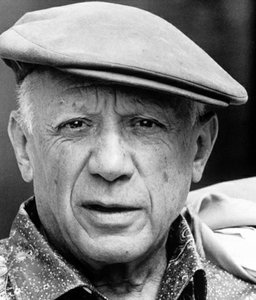
パブロ・ピカソ
1881 - 1973 , スペイン
基本情報
- フルネーム: パブロ・ルイス・ピカソ
- 主な作品:
- レ・デモワゼル・ダヴィニョン
- ゲルニカ
- 老ギター弾き
- 出生地: マラガ、スペイン
- 国籍: スペイン
- 影響を与えたアーティストまたは運動:
- キュビスム
- 現代美術
- 影響を受けたアーティスト:
- ベラスケス
- ゴヤ
- 没年月日: 1973年4月8日
- 生年月日: 1881年10月25日
- 芸術運動またはスタイル: キュビスム、シュルレアリスム
関連記事

幾何学的抽象絵画を定義した傑作10選|アート、アーティスト、インテリア装飾
モンドリアン、マレーヴィチ…幾何学的抽象絵画を代表する傑作10選。各作品の背景や色彩構成、アーティストの情熱に迫ります。美術館品質の複製画はArtsDot.comで。オンラインでアートコレクションをご覧ください。
The Nuances of Graphite: Exploring Emotional Depth & Technical Mastery in Pencil Drawing
Explore the captivating world of graphite drawing! Discover its rich history, master essential techniques like chiaroscuro, and learn how artists evoke emotion through this timeless medium. Expert insights for art enthusiasts.
The Enduring Appeal of Geometric Patterns in Art: A Historical & Contemporary Exploration
Explore the captivating history of geometric abstraction in art, from ancient roots to contemporary masters. Expert insights for collectors & enthusiasts. Discover key artists, movements & investment potential.
フェルナン・レジェ傑作25選:機械美と色彩の革新 | ArtsDot
フェルナン・レジェの傑作25選。機械美と色彩が織りなすキュビズムの世界を紐解きます。ArtsDotで、フランス絵画の巨匠レジェの作品を高精細プリントで。インテリアアートやギフトにも最適です。全コレクションはこちら: ArtsDot.com
The Power of One Hue: Mastering Monochrome Art for Sophisticated and Timeless Interiors
Elevate your interiors with the profound elegance of monochrome art. Explore ArtsDot.com’s curated collection of hand-painted oil reproductions and bespoke commissions, designed to bring sophisticated simplicity and timeless texture to every professional design project.