

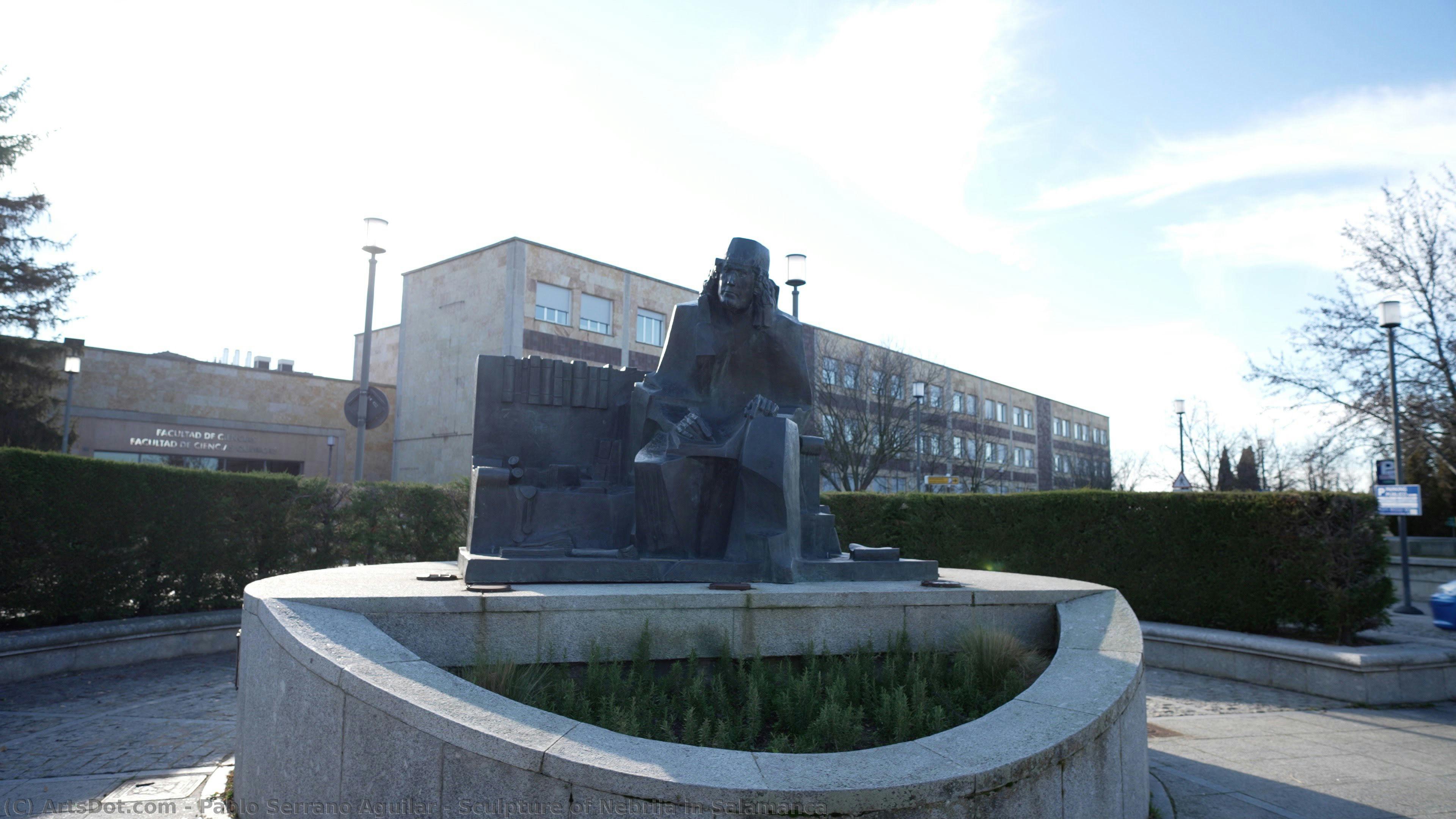
 プレビュー
プレビュー
 シェアする
シェアする シェアする
シェアする
 詳細を見る
詳細を見る

 ダウンロード
 似ている作品
 X線調査
X線調査 スライドショー
 Stats
StatsSculpture of Nebrija in Salamanca

 詳細を見る
詳細を見る
手描き油彩複製画
当社のアーティストが、お客様のご希望のサイズと額縁に合わせて、キャンバスに手描きで制作する油彩画です。 ( Switch to Print Switch to Digital Image)




































作品のオリジナル比率に合わせた、当店の規定サイズからお選びください。

特定のフレームやスペースに合わせて、ご希望のサイズをご入力いただけます。選択されたサイズが元の画像の比率と異なる場合、アートワークをトリミングするか、手描きで要素を追加して絵画を拡張いたします。デジタルモックアップ を制作し、制作開始前にご確認(承認)をいただきます。
画面上のプレビューは、実際のトリミングや拡張を正確に反映しているものではありません。最終的な構図は、モックアップによってのみ正確にご確認いただけます。
カスタムサイズもご利用いただけますが、元の比率を維持するためには、あらかじめ用意されたリストからサイズを選択することをお勧めいたします。
ご注文後、ArtsDot.com チームより詳細な指示をお送りするとともに、仕上がりイメージ(モックアップ)をご提供いたします。


 ガラスオプションは、110cm未満のサイズでのみご利用いただけます。

Sculpture of Nebrija in Salamanca
複製技法
複製画のサイズ
-


合計金額
$ 263
関連作品




アーティストの略歴
Early Life and Formation in Spain
Pablo Serrano Aguilar, born on March 8, 1908, in the small Spanish village of Crivillé, Teruel, embarked on a journey that would firmly establish him as a leading figure within the Spanish Art Informel movement. His early artistic inclinations led him to study sculpture at the Escuelas Profesionales Salesianas in Sarriá, Barcelona, between 1920 and 1925 – formative years where he laid the groundwork for his future explorations into form and space. However, Spain’s political climate and Serrano's own restless spirit prompted a significant relocation in 1929. He sought new horizons in Argentina and Uruguay, countries that would profoundly influence his artistic development.
Years of Exploration in South America
The two decades Serrano spent in South America were pivotal. Settling in Montevideo, Uruguay, in 1935, he encountered a vibrant artistic community and crucially, the influential Joaquín Torres García. This meeting proved transformative; Torres García’s emphasis on constructive abstraction and his exploration of pre-Columbian imagery resonated deeply with Serrano, subtly shaping his aesthetic sensibilities. He also connected with Lucio Fontana during this period, further broadening his understanding of spatial concepts and innovative sculptural techniques. These encounters weren't merely stylistic influences but sparked a deeper philosophical engagement with the nature of form, volume, and their relationship to the surrounding environment. This time allowed him to develop a unique artistic voice, distinct from traditional European sculpture.
Return to Spain and the El Paso Movement
In 1955, Serrano returned to a Spain undergoing significant social and cultural change after years of isolation. He didn’t return as an outsider but as a catalyst for innovation. That same year, he co-founded the El Paso movement – a collective that became synonymous with Spanish avant-garde art. Alongside artists like Antonio Saura, Manolo Millares, Rafael Canogar, and Juana Francés, Serrano challenged conventional artistic norms, embracing abstraction as a means of expressing the anxieties and complexities of post-war Spain. El Paso was more than just an artistic group; it was a declaration of freedom, a rejection of academic constraints, and a passionate embrace of experimentation.
Artistic Style and Major Achievements
Serrano’s work is characterized by its powerful abstract forms, often incorporating both figurative elements and raw materials. His sculptures are not merely representations of objects but explorations of volume, texture, and the interplay between light and shadow. He moved through various series – from his early investigations into constructive abstraction to the dramatic intensity of “Drama of the Object” and “Burning of the Object.” The Rhythms in Space series, constructed from stainless steel rods, exemplifies his mature style: dynamic compositions that seem to defy gravity, capturing a sense of movement and energy. His participation in experimental music projects with Pierre Schaeffer further demonstrates his willingness to push boundaries and explore interdisciplinary connections.
- III Biennial of Spanish American Art (1955): Marked his return to prominence in Spain.
- First Solo Exhibition at the Atheneum of Madrid (1957): Solidified his position as a leading figure in the avant-garde.
- Participation in New Spanish Painting and Sculpture exhibition (1960-1962): Brought international recognition, with showings at MoMA in New York and other major institutions.
- Princess of Asturias Award for the Arts (1982): Acknowledged his significant contribution to Spanish culture.
- Gold Medal of Fine Arts (1983): Further cemented his legacy as one of Spain’s most important sculptors.
Legacy and Historical Significance
Pablo Serrano Aguilar's impact extends beyond the sculptures he created. As a member of both the Royal Academy of Fine Arts of San Fernando and the Royal Academy of Belgium, he was recognized not only for his artistic innovation but also for his dedication to fostering cultural exchange. His work embodies the spirit of Art Informel – a rejection of pre-conceived notions and an embrace of spontaneous expression. He left behind a body of work that continues to inspire artists today, serving as a testament to the power of abstraction and the enduring relevance of artistic experimentation. Serrano’s sculptures are not simply objects to be admired; they are invitations to contemplate the fundamental questions of form, space, and the human condition.
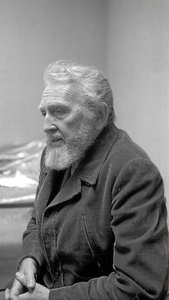
pablo serrano aguilar
1908 - 1985 , Spain
基本情報
- Artistic Movement Or Style: Art Informel, Abstract Sculpture
- Artists Or Movements Influenced By This Artist: ['El Paso Group']
- Artists Who Influenced This Artist:
- Joaquín Torres García
- Lucio Fontana
- Date Of Birth: March 8, 1908
- Date Of Death: November 26, 1985
- Full Name: Pablo Serrano Aguilar
- Nationality: Spanish
- Place Of Birth: Crivillé, Spain