

 シェアする
シェアする シェアする
シェアする
 詳細を見る
詳細を見る

 ダウンロード
 似ている作品
 スライドショー
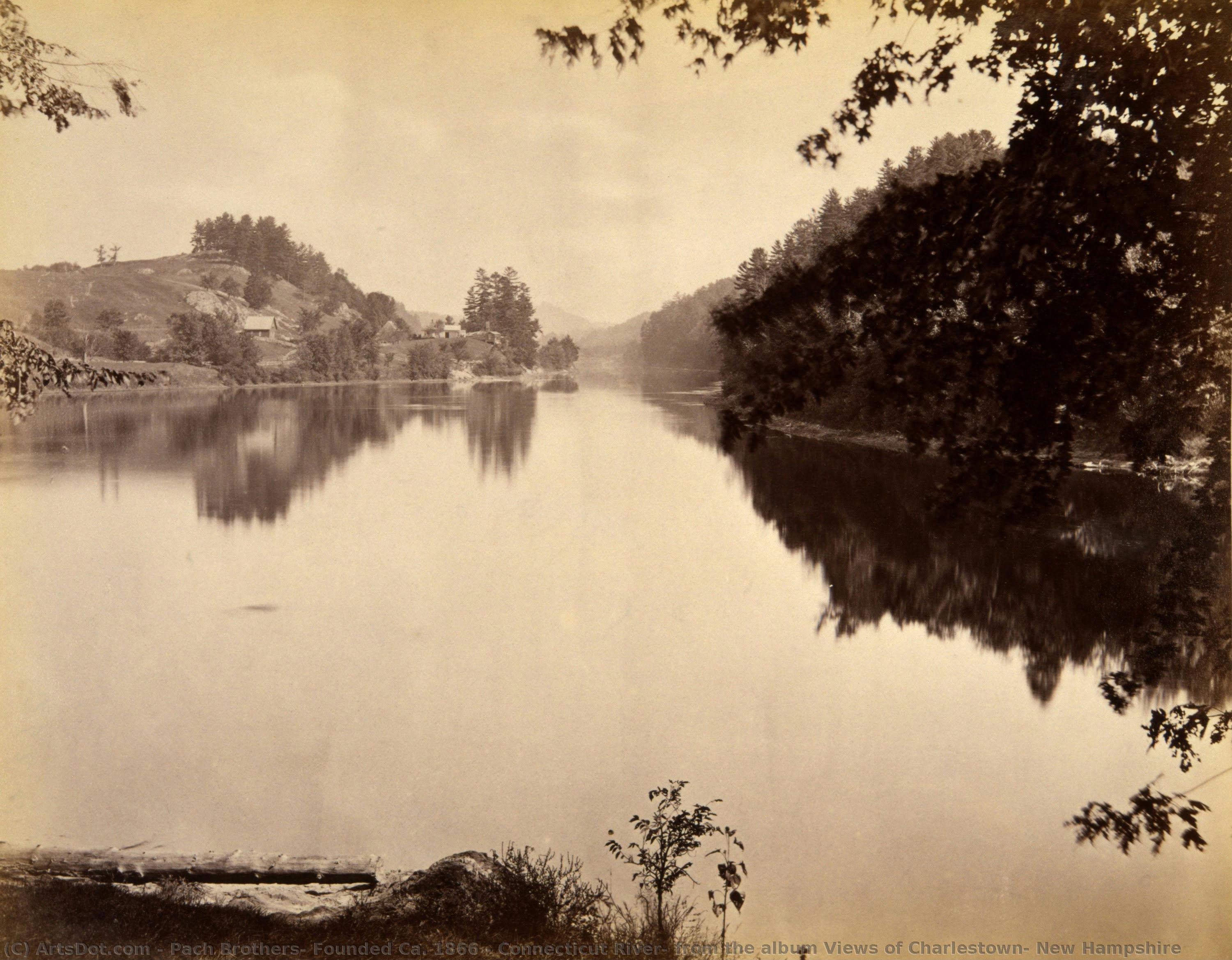
Connecticut River, from the album Views of Charlestown, New Hampshire
 Black and White Photography
- Photo
 1888
1888- 19th Century
 17.0 x 22.0 cm
 ナショナルギャラリー
 詳細を見る
詳細を見る
ジークレー/アートプリント
迅速な制作と多彩な仕上げオプションを備えた、ミュージアムクオリティのジークレーまたはキャンバスプリント。 ( 手描きの絵画を購入 画像を購入)




































作品のオリジナル比率に合わせた、当店の規定サイズからお選びください。

特定のフレームやスペースに合わせて、ご自身でサイズを指定することも可能です。選択されたサイズが元の画像の比率と一致しない場合、作品をトリミングするか、鏡面反射または単色での塗りつぶしによって画像を拡張いたします。制作を開始する前に、ご確認用のデジタルモックアップをお送りいたします。
画面上のプレビューには、実際のトリミングや拡張は反映されませんのでご注意ください。最終的な構図を正確に確認できるのは、モックアップのみとなります。
カスタムサイズも承っておりますが、元の比率を維持するためには、あらかじめ用意されたリストからサイズを選択することをお勧めいたします。


 ガラスオプションは、110cm未満のサイズでのみご利用いただけます。

Connecticut River, from the album Views of Charlestown, New Hampshire
ジークレー/アートプリント
複製画のサイズ
-


合計金額
$ 62
A Window into the Serene Past
In this evocative black and white photograph, titled Connecticut River, from the album Views of Charlestown, New Hampshire, we are transported back to the year 1888. The image captures a moment of profound stillness along the banks of the Connecticut River, where the natural world and human presence exist in a delicate, harmonious balance. Through the lens of the legendary Pach Brothers studio, the river emerges not merely as a body of water, but as a silent witness to the passage of time. The composition is anchored by the gentle flow of the river, framed by lush, verdant banks that suggest a landscape untouched by the frantic pace of modern industrialization. The play of light and shadow across the water's surface creates a rhythmic texture, inviting the viewer to linger on the subtle gradations of grey that define this monochromatic masterpiece.
The scene is punctuated by the presence of small boats, drifting like quiet thoughts upon the mirror-like surface. These vessels, along with the two distant figures positioned near the water's edge, provide a vital sense of scale and narrative depth. They represent the human connection to the landscape—a moment of leisure, perhaps, or a routine passage through a beloved waterway. There is a poignant symbolism in these small details; they remind us of a time when the rhythm of life was dictated by the currents of nature rather than the ticking of a clock. For the collector, this piece offers more than just a visual record; it provides an emotional anchor, a way to bring the contemplative peace of the late 19th-century American landscape into a contemporary living space.
The Legacy of the Pach Brothers
To understand the technical and historical weight of this photograph, one must consider the mastery of the Pach Brothers. Established in New York City in 1866, the studio became a cornerstone of American visual documentation. While they were celebrated for their sophisticated portraits of the era's most influential figures—from titans of industry to luminaries of the arts—their landscape work holds a unique place in the annals of photography. This specific view from the Charlestown album showcases their ability to capture the atmospheric essence of the American Northeast, utilizing the nuances of early photographic processes to render depth, texture, and light with remarkable clarity.
For interior designers and art enthusiasts, integrating a high-quality reproduction of this work offers an opportunity to introduce a sense of historical gravity and timeless elegance. The monochromatic palette is exceptionally versatile, serving as a sophisticated accent in minimalist, traditional, or even industrial decor. It functions as a conversational piece that bridges the gap between the rugged beauty of the natural world and the refined artistry of photographic history. Owning such a piece is an invitation to rediscover the quiet majesty of the American landscape, preserved forever in the silver tones of a bygone era.
関連作品

アーティストの略歴
The Pach Brothers: Chroniclers of a Changing America
The late 19th and early 20th centuries witnessed an unprecedented surge in portraiture, fueled by burgeoning industrialization, westward expansion, and the rise of the middle class. Amidst this dynamic landscape emerged the Pach Brothers – Marcus, Otto, and Adolph Pach – a New York City photography studio that left an indelible mark on American visual culture. More than simply capturing likenesses, the Pach Brothers meticulously documented a nation in transition, offering a remarkably nuanced and often poignant reflection of its social fabric, artistic currents, and evolving identity.
Born in Berlin, Germany, in 1848, Gustavus Pach (the eldest brother) and Gotthelf Pach (born 1852) arrived in the United States as infants. Their family’s entrepreneurial spirit quickly led them to establish a photographic studio on the Bowery in 1866, marking the official beginning of the Pach Brothers' legacy. Initially focused on providing affordable portraits to the city’s burgeoning population – from immigrant laborers and shopkeepers to aspiring artists and social elites – the brothers rapidly gained recognition for their technical skill and artistic sensibility. Early photographs showcased a remarkable attention to detail, capturing not just physical appearances but also subtle expressions of personality and circumstance.
A Studio Shaped by Patronage and Artistic Influence
The Pach Brothers’ success wasn't solely based on accessibility; they strategically cultivated relationships with prominent figures across various fields. Their clientele included celebrated artists like George Inness, who commissioned portraits that subtly reflected the evolving aesthetic of American realism; writers such as Bret Harte, whose images helped solidify their public image; and musicians like Antonín Dvořák, capturing the essence of a visiting European composer. Beyond these artistic connections, they photographed numerous prominent businessmen, politicians, and academics – figures instrumental in shaping the nation’s trajectory. This diverse patronage provided invaluable exposure and allowed the brothers to hone their craft, experimenting with lighting, composition, and posing techniques.
The studio's location shifted several times throughout its lifespan, reflecting the changing dynamics of New York City. A fire in 1895 tragically destroyed their original studio on Broadway, along with a vast archive of negatives – a devastating loss that nonetheless didn’t extinguish the Pach Brothers’ spirit. They rebuilt and continued operating for another century, adapting to new technologies and evolving artistic trends. Notably, they were among the first studios to experiment with color photography in the early 20th century, producing stunning tinted portraits that offered a glimpse into a future yet to be fully realized.
Beyond Portraits: Landscape and Documentation
While renowned for their portraiture, the Pach Brothers’ output extended beyond capturing individual likenesses. They produced an impressive body of landscape photographs, often documenting scenic locations popular with tourists and wealthy travelers. These images offer a valuable window into the American West during a period of rapid development – showcasing vast prairies, towering mountains, and burgeoning towns. Furthermore, they undertook extensive documentation projects for institutions like the Metropolitan Museum of Art, meticulously photographing artworks to aid in their cataloging and preservation efforts.
The brothers’ work also reveals an astute awareness of social issues. Their photographs frequently depicted scenes of urban life – crowded tenements, bustling markets, and working-class communities – providing a stark contrast to the idealized images often presented by contemporary artists. These depictions weren't overtly critical, but they offered a grounded perspective on the realities faced by many Americans during this era.
Legacy and Historical Significance
The Pach Brothers’ contribution to American photography is profound. Their meticulous approach, combined with their ability to capture both technical excellence and artistic sensitivity, established them as one of the most important portrait studios of the late 19th and early 20th centuries. Their extensive archive – now housed at the New York Historical Society – provides a rich resource for researchers and art historians seeking to understand the visual culture of a rapidly changing nation. The Pach Brothers’ legacy extends beyond their individual photographs; they represent a pivotal moment in the development of American photography, demonstrating how images could be used to document, shape, and reflect the complexities of a nation on the rise.
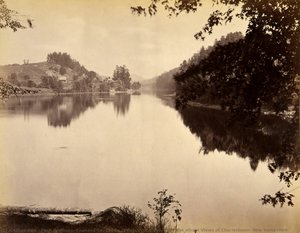
pach brothers, founded ca. 1866
United States of America
基本情報
- Artistic Movement Or Style: Portrait & Landscape Photography
- Artists Or Movements Influenced By This Artist: ['Walter Pach']
- Artists Who Influenced This Artist:
- Gustavus Pach
- Gotthelf Pach
- Date Of Birth: ca. 1866
- Full Name: Pach Brothers
- Nationality: German-American
- Notable Artworks:
- Connecticut River
- George Perkins Marsh
- Benjamin Harrison portrait
- Place Of Birth: New York City, USA
関連記事

White on Canvas: 10 Masterpieces & Timeless Elegance for Your Home Decor
Explore 10 iconic white paintings by Monet, Whistler & Rothko! Discover the stories behind these serene masterpieces and their impact on art history. Find museum-quality reproductions for your home decor at .

Dark Masterpieces: 10 Iconic Paintings Dominated by Black Tones |
Explore 10 iconic paintings dominated by black tones, from Rembrandt’s chiaroscuro to Goya's dark expressions. Discover the stories behind these masterpieces & find museum-quality art reproductions for your home at .

Monochrome Visions: Exploring the Aesthetic & Historical Significance of Black & White Photography
Explore the rich history & artistic power of black and white photography. From early techniques to iconic masters like Ansel Adams, discover why monochrome continues to captivate art lovers today. Expert insights for collectors.

Mars Black Masterpieces: 10 Iconic Paintings & Timeless Art Decor Ideas
Delve into the power of 'Mars Black' with 10 iconic paintings by masters like Rembrandt & Caravaggio. Explore dramatic chiaroscuro, gothic art, and timeless beauty. Find museum-quality reproductions & elevate your home decor on .

The Subtleties of White: Exploring Absence, Light & Symbolism in Art History
Explore the profound symbolism & history of white in art! From ancient purity to modern abstraction, discover how artists have used absence & light. Expert insights from ArtsDot.