

 プレビュー
プレビュー
 シェアする
シェアする シェアする
シェアする
 詳細を見る
詳細を見る

 ダウンロード
 似ている作品
 X線調査
X線調査 スライドショー
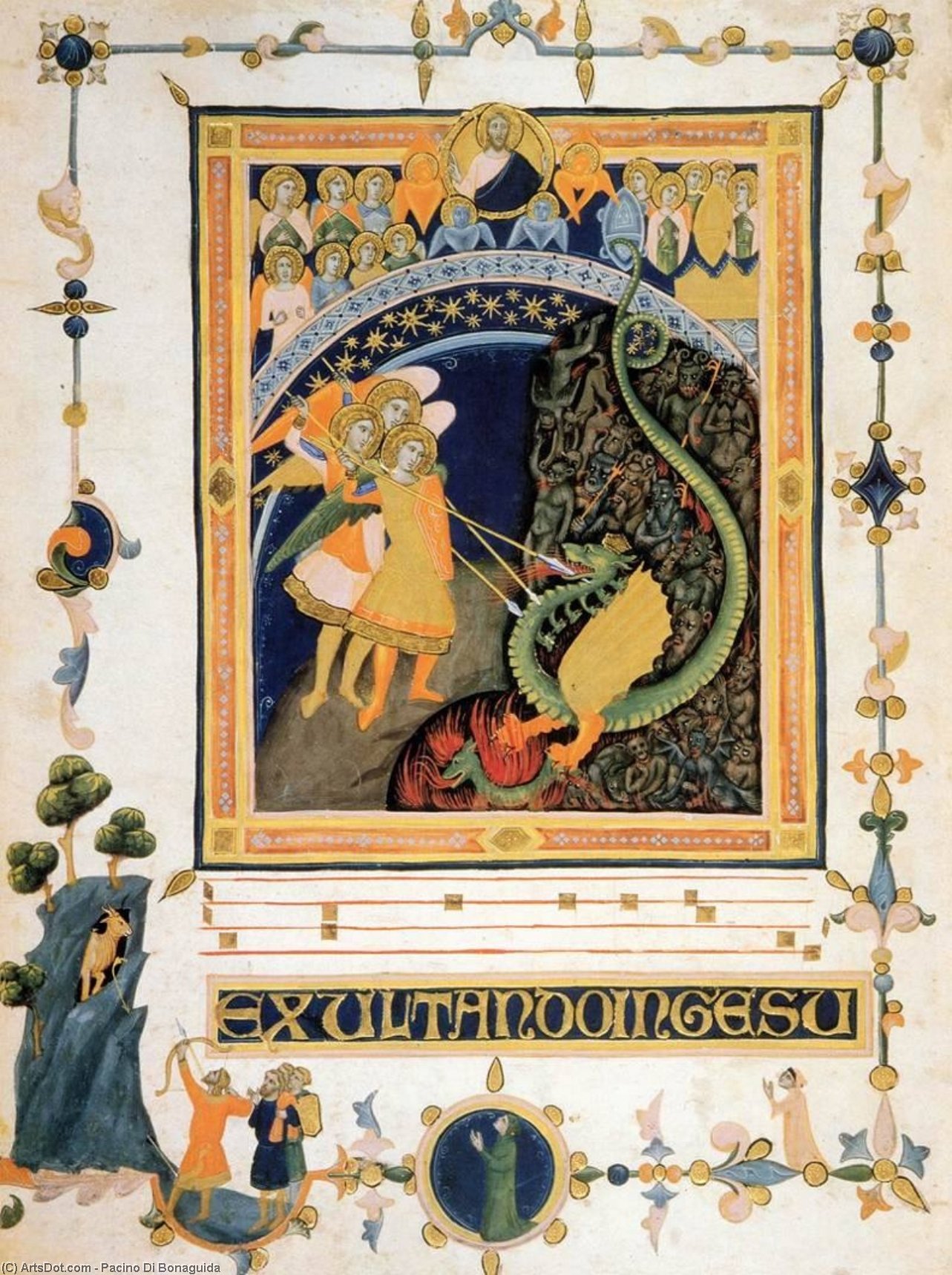
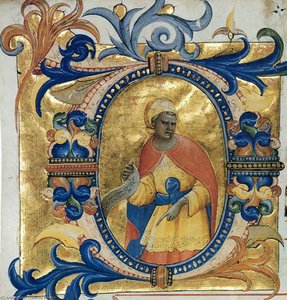
Laudario of the Compagnia di Sant'Agnese (15)
 Acrylic On Canvas
- WallArt
- Early Renaissance
 1320
1320 438.0 x 322.0 cm
 大英図書館
大英図書館
 詳細を見る
詳細を見る
ジークレー/アートプリント
迅速な制作と多彩な仕上げオプションを備えた、ミュージアムクオリティのジークレーまたはキャンバスプリント。 ( 手描きの絵画を購入 画像を購入)




P118B $10

P118H $10

P118W $10

P438Z $10

P508JH $12

P508YH $12

P805H $10

P805Z $10

P919BZ $10

P919G $10

P919XJ $10

P959ZH $10

P968JZ $12

W106C $8

W218G $10

W218JH $8

W218Y $10

W307PJ $10

W316G $10

W316PJ $8

W316Y $10

W398PJ $8

W4111J $10

W500HY $15

W500JH $15

W692G $12

W849H $8

W940BG $15

W953PJ $8




作品のオリジナル比率に合わせた、当店の規定サイズからお選びください。

特定のフレームやスペースに合わせて、ご自身でサイズを指定することも可能です。選択されたサイズが元の画像の比率と一致しない場合、作品をトリミングするか、鏡面反射または単色での塗りつぶしによって画像を拡張いたします。制作を開始する前に、ご確認用のデジタルモックアップをお送りいたします。
画面上のプレビューには、実際のトリミングや拡張は反映されませんのでご注意ください。最終的な構図を正確に確認できるのは、モックアップのみとなります。
カスタムサイズも承っておりますが、元の比率を維持するためには、あらかじめ用意されたリストからサイズを選択することをお勧めいたします。


 ガラスオプションは、110cm未満のサイズでのみご利用いただけます。

Laudario of the Compagnia di Sant'Agnese (15)
ジークレー/アートプリント
複製画のサイズ
-


合計金額
$ 62
The Laudario of Sant’Agnese: A Florentine Hymnal Illuminated by Genius
The Laudario of Sant’Agnese stands as an extraordinary testament to the artistic fervor and spiritual devotion that characterized early Renaissance Florence—a city pulsating with creativity and driven by profound religious conviction. Commissioned in 1340 by a devout community of women and men, this manuscript wasn't merely a collection of hymns; it was a meticulously crafted visual experience designed to inspire contemplation and elevate the soul. Today, only 31 sheets survive—fragments scattered across nineteen institutions—a poignant reminder of the grandeur that once graced Santa Maria del Carmine’s chapel. The Laudario’s enduring appeal lies not just in its musical heritage but also in its breathtaking illumination by two of Florence's most celebrated workshops, Pacino di Bonaguida and the Master of the Dominican Effigies.- A Symphony of Color and Light: Artistic Technique
- Symbolism Rooted in Faith and Tradition
- The Context of Florentine Renaissance Culture
- Emotional Resonance: Capturing Divine Majesty
A Symphony of Color and Light: Artistic Technique
Pacino di Bonaguida’s workshop employed a masterful blend of techniques—primarily gold leaf appliqué and tempera paint—to achieve an unparalleled luminosity. Gold leaf, hammered into incredibly thin sheets and adhered to the parchment surface, shimmered with radiant brilliance, symbolizing divine grace and illuminating the sacred texts within. Tempera paint, mixed with egg yolk and pigment, provided rich hues and subtle gradations of color, capturing the intricate details of biblical scenes and floral borders. The workshop’s meticulous attention to detail—evident in the precise rendering of drapery folds and facial expressions—demonstrates the highest standards of Florentine artistic craftsmanship. Scholars attribute over 50 works to Pacino di Bonaguida, cementing his reputation as a pioneer of stylistic innovation.Symbolism Rooted in Faith and Tradition
The Laudario’s imagery is laden with symbolic meaning, reflecting the theological preoccupations of its patrons—the Carmelite Order—and drawing upon established artistic conventions of the period. Dominating the central panel is Christ enthroned in majesty, surrounded by the Apostles who kneel in reverence to receive communion. The depiction of Christ's navel from which tubes emanate symbolizes divine grace and nourishment, mirroring the liturgical rite of communion itself. Furthermore, the inclusion of angels—particularly those holding instruments—references biblical prophecies about heavenly messengers announcing God’s salvation. Recurring motifs like flowering vines and stylized birds represent fertility and spiritual ascension, reinforcing the Laudario's overarching message of hope and redemption. The depiction of Saint Lawrence embodies the unwavering faith of martyrs who endured torture for their beliefs.The Context of Florentine Renaissance Culture
Florence in the mid-1340s was a crucible of artistic innovation, fueled by burgeoning wealth from trade and banking—a period marked by ambitious patronage and intellectual ferment. The Laudario’s commission reflects this cultural dynamism, aligning with broader trends toward elaborate devotional art that sought to inspire piety and elevate spiritual experience. Simultaneously, the Laudario embodies the influence of Dante Alighieri's poetic vision of Paradise—a realm of divine beauty and contemplation—and Giotto di Bondone’s groundbreaking frescoes in Santa Maria del Carmine, which revolutionized artistic representation by prioritizing emotional realism over stylized formalism. The Laudario stands as a cornerstone of Florentine art history, embodying the humanist ideals that would shape Western culture for centuries to come.Emotional Resonance: Capturing Divine Majesty
Ultimately, the Laudario transcends mere visual spectacle; it aspires to evoke profound emotion—a palpable sense of awe and reverence before God’s glory. The luminous gold leaf, combined with the expressive faces of Christ and the Apostles, transports viewers into a realm of spiritual contemplation. As one observes the depiction of Saint Lawrence being burned alive, the viewer is confronted with an image of suffering endured for righteousness—a poignant reminder of the sacrifices made in defense of faith. The meticulous attention to detail—the precise rendering of drapery folds and facial expressions—captures the essence of human emotion, mirroring the profound spiritual experience that underpinned the Laudario’s creation. It remains a powerful testament to the enduring capacity of art to inspire wonder and illuminate the path toward divine grace.関連作品


アーティストの略歴
フィレンツェのゴシックの先見の明:パチーノ・ディ・ボナグイダの生涯と芸術
14世紀イタリア美術の記録の中に、静かに響き渡る名がパチーノ・ディ・ボナグイダである。彼は、ビザンティンに根ざした伝統から、芽吹き始めたルネサンスの美学へと移行する過程における極めて重要な人物を体現している。1303年から1347年頃にかけて主にフィレンツェで活動したパチーノの生涯は謎に包まれており、これは同時代の多くの芸術家たちに共通する運命であった。我々が知る事実は、広範な伝記記録から得られたものではなく、むしろ提携関係やギルドへの所属を示す公文書、そして彼の作品群の礎石となっている署名入り祭壇画といった資料から集められている。彼は1303年にタンボ・ディ・セッラリオとの提携を解消した記録に初めて登場し、当時「publicus artifex in arte pictorum」(絵画の芸術における公的な職人)と記述されている。この初期の呼称は、彼がすでにフィレンツェの芸術コミュニティ内で確固たる評価を得ていたことを示唆している。その後、1330年頃にメディチ・エ・スペツァーリ(薬師の芸術組合)に登録したことは、彼が都市の経済的、社会的な構造に深く組み込まれた尊敬される専門家としての地位をさらに強固なものにした。写本と祭壇画:増大する帰属作品群
具体的な伝記的詳細が乏しいにもかかわらず、パチーノの芸術的遺産は時とともに著しく拡大してきた。当初はフィレンツェのアカデミア・ディ・ベルティにおける署名入り多翼祭壇画、『聖ニコラオス、バルトロメオ、フロレンティウス、ルカの磔刑像』で知られていたが、学術的な調査により、彼の筆や工房によるものと帰属される作品は五十点を超えるに至っている。この拡大は、フィレンツェのコレクションを巡回する驚くべき写本や祭壇画群に見られる様式的な一貫性によるものである。彼の作品はゴシック美術特有のエレガンスと洗練さを体現しているが、同時にジョットのような芸術家の革新性を予感させる萌芽的な自然主義も示している。1340年にサン・アグネスの兄弟団のために制作された豪華な装飾写本『サン・アグネセのラウダリオ』は、彼の熟練の技を示す最良の例である。各ページは宝石のような輝きを放つ光景であり、聖アグネスの生涯の場面が繊細な正確さと惜しみない金箔を用いて描かれている。構図は躍動的で、表現力豊かな人物像と象徴的なディテールに満ちており、当時の信仰心の熱狂を反映している。工房の実践と共同制作のネットワーク
パチーノに帰属するとされる作品の膨大な量は、彼の工房の実践について疑問を投げかける。彼が多くの助手や協力者を雇い入れた活気ある工房を維持していたことは広く認められている。これは14世紀のフィレンツェにおける標準的な慣行であり、芸術制作は集団的な努力に大きく依存していたからである。ゲティ美術館所蔵の『キアラートのタバーナル』は、この共同作業環境の説得力のある証拠を提供している。分析からは複数の手が関与しており、それぞれが全体的なプロジェクトに専門的な技術を貢献していたことが明らかになっている。特に注目すべき協力者の一人は、「ドミニコ会聖像の巨匠」として知られており、これはキリストと聖母マリアがドミニコ会の聖人たちに囲まれているパネル画にちなんで名付けられた。この芸術家の様式はパチーノのものとは異なるものの、共同制作の委嘱において彼の作品と美しく補完し合い、フィレンツェにおける洗練された芸術交流のネットワークを実証している。『キアラートのタバーナル』は、視覚的に息をのむほど美しく、精神的に響き渡る芸術作品を生み出すことに焦点を当てた個々の才能の調和のとれた融合を示す、このチームワークの好例である。影響と芸術的発展
彼の初期キャリアに関する記録が限られているため、パチーノ固有の影響源を特定することは複雑な作業である。しかしながら、学者は彼が署名した祭壇画に見られる古風な様式において、13世紀後半の伝統との明確な繋がりを見出している。この作品は、平坦化された人物像と様式化されたドレーパリーによって特徴づけられる確立されたビザンティン様式の遵守を示している。それにもかかわらず、この枠組みの中にあっても、パチーノは自然主義への萌芽的な関心を示しており、これは彼のキャリアを通じてより顕著になっていく傾向であった。ジョットのような芸術家の影響も明らかであり、特に彼の写本に見られる躍動的な構図や表現豊かなジェスチャーにそれが表れている。彼はこれらの台頭する傾向を巧みに自身の独自のスタイルに統合し、ゴシックのエレガンスと初期ルネサンスの革新性の合成を生み出した。彼の作品は、現代の芸術的発展に対する鋭い認識を示しながらも、明確なフィレンツェらしさを保っている。歴史的重要性そして永続的な遺産
パチーノ・ディ・ボナグイダはイタリア美術史において極めて重要な位置を占めている。彼は中世の過去とルネサンスの未来との間の隔たりを埋め、ジョットやマソ・ディ・バンコのような芸術家たちが絵画と彫刻に革命をもたらす道筋をつけた。彼の工房は14世紀前半のフィレンツェの装飾写本を支配し、都市の美学的景観を形作った。彼の名は同時代の誰かほど広く知られていないかもしれないが、パチーノの影響力は否定できない。彼は伝統に深く根ざしながら革新を受け入れた芸術家たちの世代を代表しており、この繊細なバランスこそが最終的にイタリア美術をリアリズムと表現力の新たな高みへと押し上げたのである。彼の作品の再発見と継続的な研究は、14世紀フィレンツェの芸術的実践、宗教的信念、そして文化的価値観について計り知れない洞察を提供し、彼をゴシック時代の先見の明のある芸術家としての永続的な遺産を確固たるものにしている。彼の貢献は急進的な逸脱にあるのではなく、ルネサンスの開花を予感させる、微妙でありながらも重要な様式の進化の中に見出されるのである。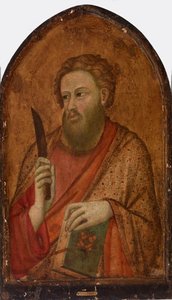
パチーノ・ディ・ボナグイダ
1280 - 1343 , イタリア
基本情報
- Artistic Movement Or Style: ゴシック美術
- Date Of Birth: 1280年
- Date Of Death: 1343年
- Full Name: パチーノ・ディ・ボナグイダ
- Nationality: イタリア人
- Notable Artworks:
- サン・アグニージのラウダリオ
- キアリトのタバーネル
- 生命の樹
- Place Of Birth: フィレンツェ、イタリア
関連記事

ジョット・ディ・ボンドーネ:至高の25選 - ルネサンスの夜明けを彩る傑作たち | ArtsDot
ジョット・ディ・ボンドーネの至高の25選。ルネサンス美術を牽引した巨匠の傑作と、その感動的な物語を紐解きます。高品質な絵画複製やインテリアアートで、名画の世界をあなたの空間に。ArtsDot.com でコレクションをご覧ください。
ヴェネツィア・ビエンナーレ厳選25作品:芸術と歴史が織りなす至高のコレクション | ArtsDot
ヴェネツィア・ビエンナーレの至宝25選。印象派から現代アートまで、名画の背景にある物語と芸術家の情熱を紐解きます。ArtsDotで、キャンバスアートや油絵複製をお楽しみください。今すぐコレクションをご覧ください。
Illuminating Faith & Power: A Journey Through Medieval Art (c. 500 – c. 1500)
Explore the rich history of Medieval Art (c. 500 – c. 1500) with ArtsDot. Discover Byzantine mosaics, Gothic cathedrals & Renaissance masterpieces. Expert insights & museum-quality reproductions.
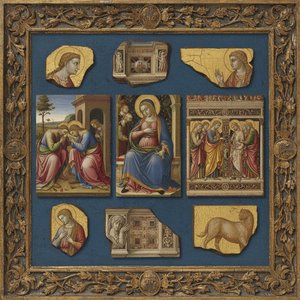
Proto-Renaissance Masters: 10 Artworks That Changed History | ArtsDot
Journey back to the dawn of Renaissance art! Explore 10 iconic Proto-Renaissance masterpieces by Giotto, Cimabue & Duccio. Discover their stories, techniques & lasting impact. Find museum-quality reproductions for your home at ArtsDot.com
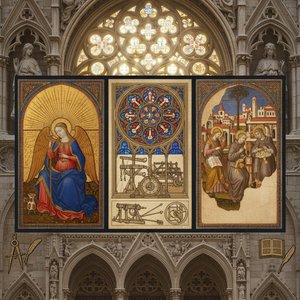
Illuminating the Fourteenth Century: Art, Innovation & Enduring Legacies (1300-1400)
Explore the transformative art of the 14th century! Discover Gothic masterpieces, International Style innovations, and the precursors to the Renaissance. Expert insights & historical context at ArtsDot.

