

 プレビュー
プレビュー
 プリントを購入
 シェアする
シェアする シェアする
シェアする
 詳細を見る
詳細を見る

 ダウンロード
 似ている作品
 X線調査
X線調査 スライドショー
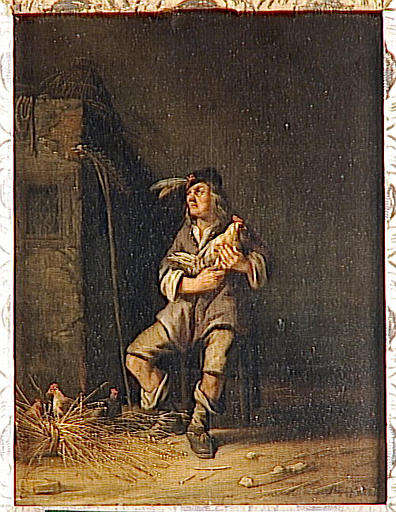
LES CINQ SENS, LE TOUCHER PAYSAN TENANT UNE POULE


 詳細を見る
詳細を見る
オンラインプレビューをはるかに凌ぐ、高解像度で鮮明なデジタル画像をご購入いただけます。
各ファイルは、社内の専門家が高度なツールと熟練した手作業によるレタッチを用いて、細心の注意を払って準備されています。すべての画像において、卓越した鮮明度、正確な色彩再現性、そして繊細なディテールを保証いたします。
最終ファイルは、プロフェッショナルな編集・印刷環境ですぐにご利用いただけるよう最適化された状態で、72時間以内にメールにてお届けいたします。これは、一流のデザインスタジオ、出版社、ギャラリーから信頼されているものと同等の品質です。
デジタル画像のご注文に付随する特典
高品質なデジタル画像配信を、確かな品質で。
ArtsDot.com を選ぶことは、単に画像を手に入れることではありません。それは、プロの手によって精密に仕上げられ、満足保証が付いた高品質なデジタルアートワークを受け取ることを意味します。ご注文いただいた際に自動的に付随する内容は、以下の通りです:

メールですぐにお届け
ご注文から72時間以内に、高解像度のデジタル画像ファイルがメールでお手元に届きます。すぐにそのままご利用いただけます。

AI技術で最適化されたデジタルファイル
お客様の作品は、高度なAIツールと専門家による手作業の編集を組み合わせてプロフェッショナルに最適化されており、細部のディテール、鮮明さ、そして正確な色再現性を最大限に引き出しています。

一生涯無料の再送サービス
ファイルを誤って削除したり、紛失してしまったりしましたか?ご安心ください。いつでも無料で再送いたします。

輸入手数料は一切かかりません
関税や手数料、配送料を気にすることなく、お気に入りのアートワークをすぐにお楽しみいただけます。デジタルダウンロードは常に免税です。

色彩再現の保証
プロ仕様のツールとカラーマネジメント技術を用いることで、デジタル画像が元の色を最大限に忠実に再現することを保証いたします。

60日間満足保証
ご購入いただいたデジタル画像にご満足いただけない場合は、60日以内であれば、修正または100%の返金(理由を問う必要はありません)をさせていただきます。

100% 返金保証
ご満足いただけない場合は、デジタルファイルを受け取ってから60日以内であれば、理由を問わず全額返金いたします。

まとめ買い割引
3枚購入で10%OFF - 5枚購入で15%OFF - 10枚以上購入で20%OFF。クリエイティブなプロジェクト、ギャラリー、エージェンシーに最適です。
関連作品



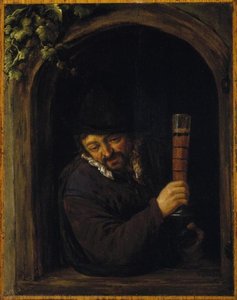
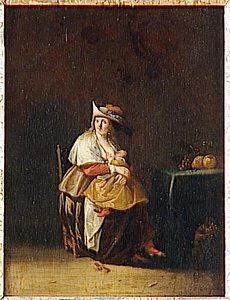
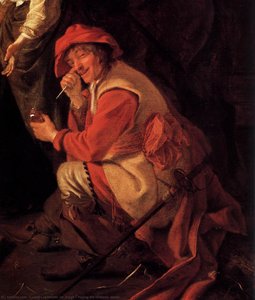
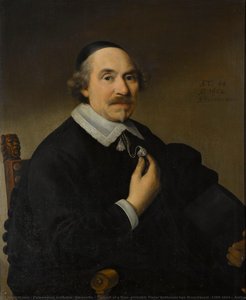
作家の略歴
The Quiet Dignity of Delft: The Life and Legacy of Anthonie Palamedesz
Anthonie Palamedesz (1601-1673) stands as a cornerstone of Dutch Golden Age portraiture, particularly renowned for his masterful depictions of guardrooms and intimate interiors—scenes that capture the essence of aristocratic life in Delft during its zenith. His journey began far from the tranquil canals of the Netherlands; born in Leith, Scotland, to Palamedes Willemsz. Stevens and Marie Arsene, Palamedesz’s early life was marked by the profound upheaval of displacement. As his family fled persecution from Spain following the Eighty Years' War, this formative experience of survival instilled in him a deep appreciation for resilience, a quality that would subtly inform the psychological depth of his later subjects.
As he matured within the Dutch artistic orbit, Palamedesz sought the highest level of instruction, receiving an exceptional education under the tutelage of masters such as Hans Jordaens and Michiel Jansz. van Mierevelt. From these mentors, he absorbed the foundational techniques of Delft Baroque painting, specifically the mastery of realism and the dramatic use of light. His early artistic development was characterized by a meticulous observation of human anatomy and an emerging ability to capture psychological nuance. Unlike many of his contemporaries who sought the grandeur of epic narratives or the perfection of idealized figures, Palamsebdez found his calling in the understated elegance of the individual, focusing on portraying subjects with a quiet, dignified presence.
Mastery of Light and the Guardroom Scene
One of the most striking chapters of Palamedesz’s career involves his command over the cortegaarde, or guardroom scene. In works such as his 1647 Soldiers in a Guardroom, we witness a fascinating evolution of style. While his early works were lighter, his later guardroom compositions employed a darker, more somber palette and dramatic contrasts of light and shade. These scenes are deeply evocative, capturing the solemn atmosphere of military duty through soldiers posed in formal stances, bathed in chiaroscuro light. There is even evidence to suggest that Palamedesz may have been influenced by the monumental scale and lighting of Rembrandt’s The Night Watch, as certain compositions and highlighted officers mirror the dramatic tension found in Amsterdam's most famous masterpiece.
His technique in these settings was often compared to contemporaries like Jacob Duck and Willem Cornelisz Duyster, yet Palamedesz maintained a unique identity. While some critics noted his technique could be looser or less refined than the polished perfection of the Haarlem school, this very fluidity allowed him to breathe life into the heavy fabrics, gleaming cuirasses, and metallic textures of military life. He possessed a rare ability to use light not just to illuminate, but to sculpt the very atmosphere of the room, turning a simple barracks into a stage for human drama.
Intimate Interiors and the Refined Elite
Beyond the martial themes of the guardroom, Palamedesz achieved his greatest legacy through his intimate interior scenes and "merry companies." These paintings serve as windows into the domestic tranquility and intellectual engagement of the Dutch elite. In his celebrated Merry Company in a Room (1633), he moves away from the gritty realism of tavern life—often depicted by artists like Pieter Codde or Dirck Hals—and instead focuses on the refined pleasures of the upper classes. Within these brightly lit, elegantly furnished rooms, figures engage in music, drinking, and board games, all captured with a sense of sophisticated grace.
These works are rich with subtle symbolism and meticulous detail:
- Domestic Detail: He meticulously rendered furniture, fine fabrics, and the small gestures of daily life to convey a sense of peace.
- Social Observation: His scenes often depict the "refined pleasures" of the elite, avoiding the more scandalous depictions of brothels or taverns found in other genre paintings.
- Psychological Depth: Even in group settings, Palamedesz had a knack for creating individual connections, such as a central figure gazing directly at the viewer, bridging the gap between the painted world and our own.
Ultimately, the significance of Anthonie Palamedesz lies in his ability to distill complex human emotions into visual form. Whether through the somber weight of a soldier's duty or the lighthearted elegance of a social gathering, his work remains a testament to the enduring beauty of the ordinary and the extraordinary dignity found within the quiet corners of 17th-century life.
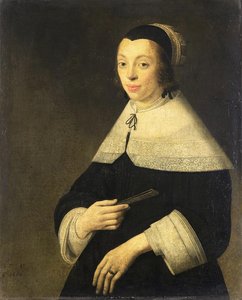
palamedesz anthonie (stevaerts)
1601 - 1673
プロフィール概要
- Artistic Movement Or Style: Dutch Golden Age Art
- Artists Or Movements Influenced By This Artist: ['Merry company']
- Artists Who Influenced This Artist:
- Michiel Jansz. van Mierevelt
- Hans Jordaens
- Date Of Birth: 1602
- Full Name: Anthonie Palamedesz.
- Nationality: Dutch
- Notable Artworks:
- LES CINQ SENS, LE TOUCHER PAYSAN TENANT UNE POULE
- Portrait of a Man, probably Pieter Anthonisz van Bronckhorst
- Place Of Birth: Leith, Scotland

