

 プレビュー
プレビュー
 プリントを購入
 シェアする
シェアする シェアする
シェアする
 詳細を見る
詳細を見る

 ダウンロード
 似ている作品
 X線調査
X線調査 スライドショー
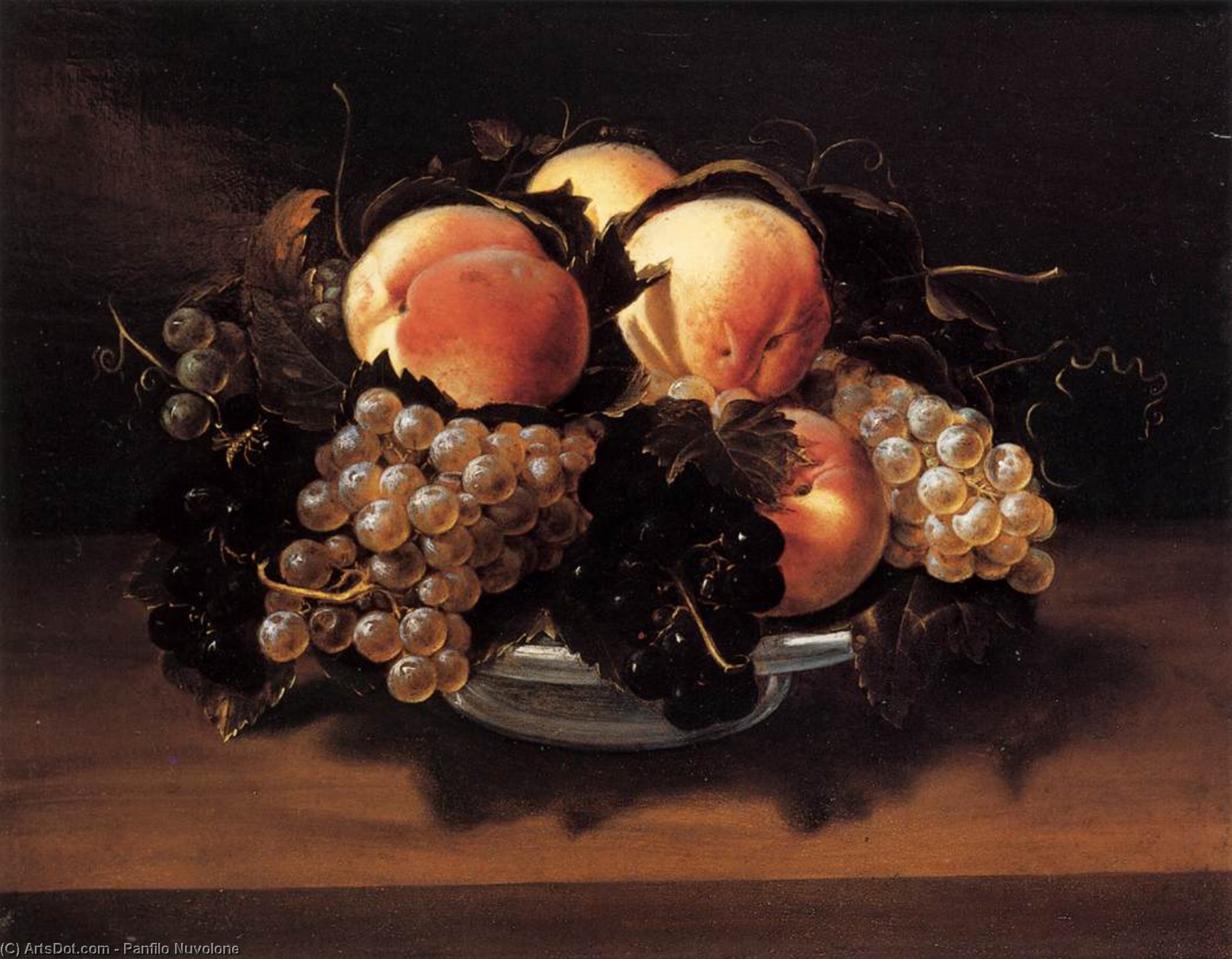
Maiolica Bowl with Peaches, Grapes, and Bees
 1627
1627 35.0 x 43.0 cm
 Silvano Lodi Collection
 詳細を見る
詳細を見る




































作品のオリジナル比率に合わせた、当店の規定サイズからお選びください。

特定のフレームやスペースに合わせて、ご希望のサイズをご入力いただけます。選択されたサイズが元の画像の比率と異なる場合、アートワークをトリミングするか、手描きで要素を追加して絵画を拡張いたします。デジタルモックアップ を制作し、制作開始前にご確認(承認)をいただきます。
画面上のプレビューは、実際のトリミングや拡張を正確に反映しているものではありません。最終的な構図は、モックアップによってのみ正確にご確認いただけます。
カスタムサイズもご利用いただけますが、元の比率を維持するためには、あらかじめ用意されたリストからサイズを選択することをお勧めいたします。
ご注文後、ArtsDot.com チームより詳細な指示をお送りするとともに、仕上がりイメージ(モックアップ)をご提供いたします。


 ガラスオプションは、110cm未満のサイズでのみご利用いただけます。

Maiolica Bowl with Peaches, Grapes, and Bees
複製技法
複製画のサイズ
-


合計金額
$ 263
関連作品







アーティストの略歴
Panfilo Nuvolone: A Legacy of Mannerist Still Life
Panfilo Nuvolone (b. 1581, Cremona, d. 1651, Milano) stands as a pivotal figure within the Italian Mannerist movement, particularly celebrated for his exquisite depictions of fruit bowls and other still lifes that capture the essence of Renaissance aesthetics while subtly hinting at emerging Baroque sensibilities. Born into a Mantuan noble family, Nuvolone’s artistic lineage extended beyond himself; he was father to a cohort of Cremonese painters who collectively shaped the visual landscape of Lombardy during the 16th century. His formative years were spent under the tutelage of Giovanni Battista Trotti (“il malosso”), a renowned Cremona artist whose influence undoubtedly contributed to Nuvolone’s stylistic development. Subsequently, he relocated to Milan, where he undertook monumental fresco commissions adorning churches and crafted ambitious altarpieces—works that solidified his reputation as a masterful painter.Early Training and Artistic Influences
Nuvolone's apprenticeship with Trotti instilled in him the principles of Mannerist composition and disegno, emphasizing dramatic lighting and stylized figures to convey emotion and psychological depth. This stylistic approach aligns closely with broader trends within the Mannerist period, characterized by a deliberate rejection of Renaissance ideals of harmony and proportion. The influence of artists like Parmigianino and Bronzino—whose polished surfaces and subtly distorted perspectives served as models for Nuvolone—is palpable in his oeuvre. Furthermore, Nuvolone’s artistic vision was shaped by the intellectual currents of Cremona and Mantua, where humanist scholarship flourished alongside artistic experimentation.Milanese Period: Frescoes and Altarpieces
Nuvolone's Milanese career witnessed a prolific output of monumental fresco cycles—primarily in churches—demonstrating his technical prowess and commitment to ambitious artistic undertakings. These frescoes showcased Nuvolone’s ability to manipulate color, texture, and perspective to create immersive visual experiences for viewers. Alongside these grand commissions, he produced several altarpieces that exemplify the Mannerist penchant for expressive realism and symbolic ornamentation. Notably, his paintings frequently incorporated references to biblical narratives and allegorical themes, reflecting the spiritual fervor of the time.Still Life Painting: A Singular Vision
Perhaps Nuvolone’s most enduring contribution to art history resides in his still life paintings—particularly those featuring bowls brimming with peaches and grapes. These works stand apart from contemporary fruit bowl depictions in Milan, notably Caravaggio's 1594-98 Ambrosiana masterpiece and similar explorations by Fede Galizia. Nuvolone’s meticulous attention to detail—capturing the translucence of peach skins, the velvety texture of grape clusters, and the subtle interplay of light and shadow—reveals a profound understanding of naturalism combined with Mannerist stylistic conventions. The bowl of peaches, in particular, serves as a testament to Nuvolone's ability to distill complex visual ideas into deceptively simple compositions.Family Legacy and Artistic Significance
Nuvolone’s artistic legacy extends beyond his individual achievements; he fostered a family tradition of painting that flourished throughout Lombardy during the 16th and 17th centuries. His son, Carlo Francesco Nuvolone, continued to practice as an artist in Cremona, upholding Nuvolone's stylistic heritage. Giuseppe Nuvolone, Panfilo’s younger son, also pursued a career in painting, albeit with less renown. Carlo Giuseppe Nuvolone’s grandson, Carlo, specialized in quadratura—the decorative painting of ceilings—primarily around Cremona, perpetuating the family’s artistic influence for generations to come. Ultimately, Panfilo Nuvolone's work represents a crucial bridge between Mannerism and Baroque art, embodying the stylistic innovations that would define the burgeoning Baroque aesthetic while retaining the humanist sensibilities characteristic of the Renaissance. His meticulous observation of nature combined with masterful disegno cemented his place as one of Lombardy’s most important painters of his era.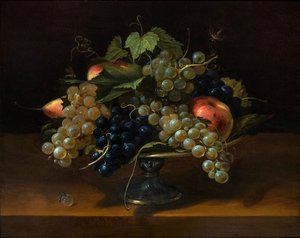
Panfilo Nuvolone
1581 - 1651 , Italy
基本情報
- Artistic Movement Or Style: Mannerist
- Artists Or Movements Influenced By This Artist: ['Caravaggio']
- Artists Who Influenced This Artist: ['Giovanni Battista Trotti']
- Date Of Birth: 1581 Cremona Italy
- Date Of Death: 1651 Milano Italy
- Full Name: Panfilo Nuvolone
- Nationality: Italian
- Notable Artworks:
- Still-life with Peaches
- Maiolica Bowl with Peaches, Grapes, and Bees
- Still-Life
- Place Of Birth: Cremona Italy