

 プレビュー
プレビュー
 プリントを購入
 シェアする
シェアする シェアする
シェアする
 詳細を見る
詳細を見る

 ダウンロード
 似ている作品
 X線調査
X線調査 スライドショー
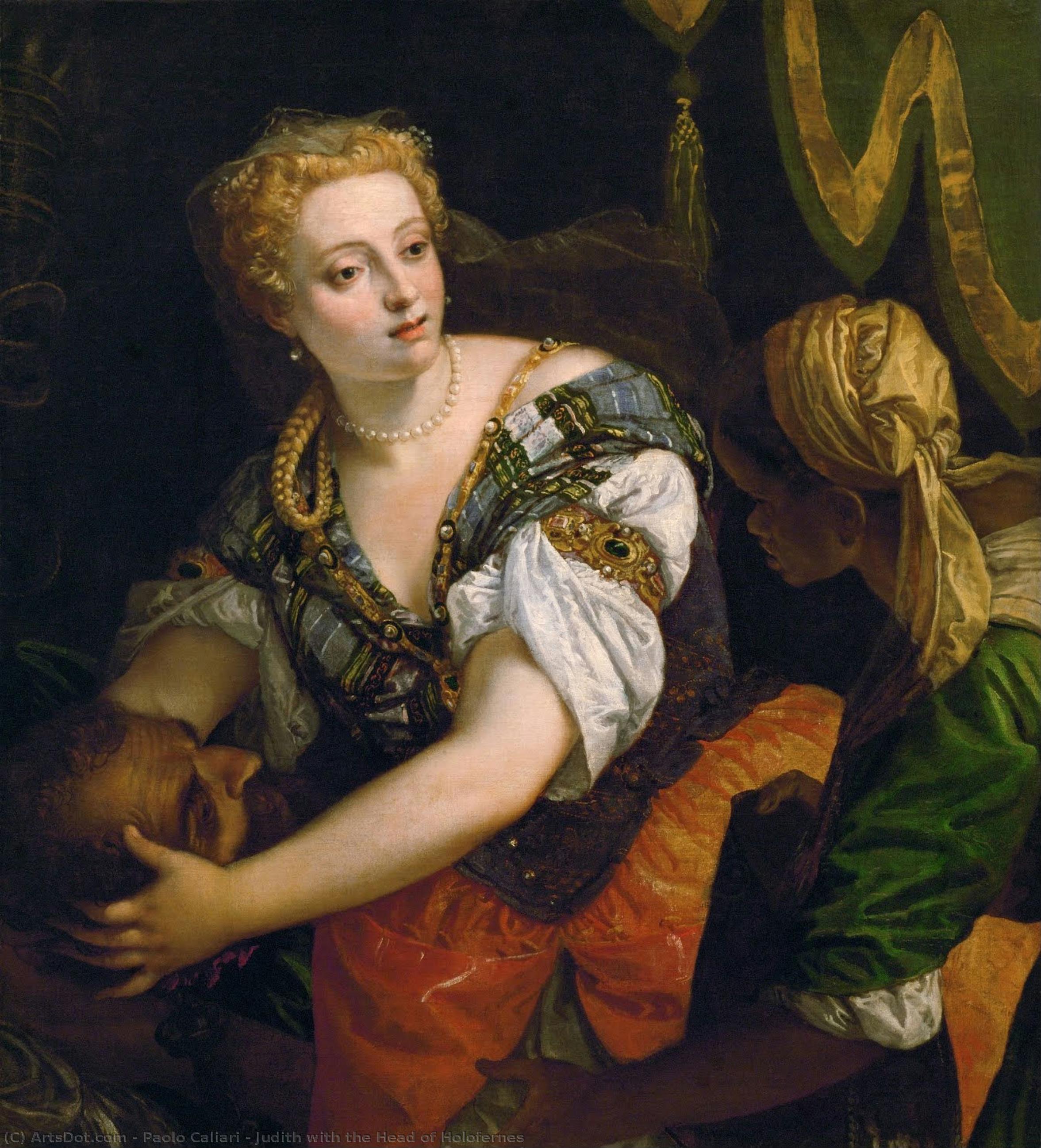
Judith with the Head of Holofernes
 Oil
Oil- WallArt
- Italian Mannerism
 1580
1580- Early Modern
 100.0 x 111.0 cm
 Kunsthistorisches Museum
 詳細を見る
詳細を見る




P118B $10

P118H $10

P118W $10

P438Z $10

P508JH $12

P508YH $12

P805H $10

P805Z $10

P919BZ $10

P919G $10

P919XJ $10

P959ZH $10

P968JZ $12

W106C $8

W218G $10

W218JH $8

W218Y $10

W307PJ $10

W316G $10

W316PJ $8

W316Y $10

W398PJ $8

W4111J $10

W500HY $15

W500JH $15

W692G $12

W849H $8

W940BG $15

W953PJ $8




作品のオリジナル比率に合わせた、当店の規定サイズからお選びください。

特定のフレームやスペースに合わせて、ご希望のサイズをご入力いただけます。選択されたサイズが元の画像の比率と異なる場合、アートワークをトリミングするか、手描きで要素を追加して絵画を拡張いたします。デジタルモックアップ を制作し、制作開始前にご確認(承認)をいただきます。
画面上のプレビューは、実際のトリミングや拡張を正確に反映しているものではありません。最終的な構図は、モックアップによってのみ正確にご確認いただけます。
カスタムサイズもご利用いただけますが、元の比率を維持するためには、あらかじめ用意されたリストからサイズを選択することをお勧めいたします。
ご注文後、ArtsDot.com チームより詳細な指示をお送りするとともに、仕上がりイメージ(モックアップ)をご提供いたします。


 ガラスオプションは、110cm未満のサイズでのみご利用いただけます。

Judith with the Head of Holofernes
複製技法
複製画のサイズ
-


合計金額
$ 263
A Masterpiece of Venetian Drama and Devotion
In the grand tradition of Venetian Mannerism, Paolo Caliari, universally known as Veronese, presents a scene of profound psychological tension and breathtaking opulence in Judith with the Head of Holofernes. Completed around 1580, this work is far more than a mere biblical illustration; it is a visceral exploration of courage and the heavy cost of victory. The painting captures the pivotal moment from the Old Testament where the widow Judith, driven by a divine mission to save her people, Bethulia, infiltrates the camp of the Assyrian general Holofernes. As she stands over the fallen conqueror, the canvas vibrates with the silent aftermath of a life-altering act of defiance.
The composition is a masterclass in chiaroscuro, where Veronese utilizes dramatic light and deep shadow to sculpt the figures within a richly ornamented chamber. The artist directs our gaze with surgical precision toward the severed head of Holofernes, using the darkness to heighten the macabre reality of the scene while simultaneously illuminating the regal splendor of Judith herself. This interplay of light does not merely provide depth; it serves as a narrative tool, pulling the viewer into the intimate, claustrophobic space of the assassination, making the historical event feel immediate and hauntingly present.
Chromatic Brilliance and Artistic Sophistication
To behold this painting is to witness Veronese’s signature chromatic brilliance. The palette is a luxurious tapestry of orange-reds, deep blues, and shimmering golds that reflect the aristocratic elegance of late 16th-century Venice. Judith’s garments are not merely clothing but symbols of her status and the gravity of her mission; the vibrant hues suggest a nobility that remains unbowed even in the face of violence. The meticulous detail in the textures—from the soft glow of pearls to the heavy folds of silk—demonstrates a level of technical virtuosity that makes this piece an essential study for any connoisseur of the Renaissance.
Beyond the surface beauty, there is a profound emotional complexity at play. Unlike many of his contemporaries who might have sought to glorify the triumph, Veronese imbues the scene with a sense of quiet contemplation and subtle unease. There is no jubilant celebration here; instead, we see a moment of heavy realization. This psychological depth makes the artwork particularly captivating for modern collectors and interior designers alike, as it offers a sophisticated focal point that invites long periods of reflection and conversation.
An Eternal Inspiration for Refined Interiors
For those seeking to infuse a space with historical gravity and artistic prestige, a high-quality reproduction of this masterpiece serves as an unparalleled centerpiece. The painting’s ability to command attention through its scale and dramatic intensity makes it ideal for grand halls, private libraries, or curated gallery walls. It brings with it the spirit of the Kunsthistorisches Museum, offering a window into the soul of Venetian history.
Integrating such a work into a contemporary or classical interior allows for a dialogue between the past and the present. The rich textures and bold color palette can anchor a room, providing a sense of permanence and cultural depth. Whether you are an art lover drawn to the narrative of Judith’s bravery or a designer looking for a piece that embodies dramatic elegance, Veronese’s work remains a timeless testament to the power of human emotion captured through the brush.
関連作品


アーティストの略歴
early life and training
paolo caliari, known as paolo veronese, was born in 1528 in verona, italy. he was the fifth child of a stonecutter, gabriele, and his wife caterina. veronese's early life was marked by his apprenticeship with antonio badile and later with giovanni francesco caroto, leading painters in verona.artistic style and influences
veronese developed a naturalist style of painting, influenced by the renowned artist titian. his work is characterized by its chromatic brilliance, splendor, and aristocratic elegance. despite being part of the "great trio" of venetian painters, veronese's work has been felt to lack expression of the profound, human, or sublime.notable works and museums
* the wedding at cana (1563) and the feast in the house of levi (1573) are two of veronese's most famous works, showcasing his mastery of color and large-scale narrative cycles. * the biblioteca nazionale marciana (venice, italy) features several of veronese's artworks, including plato and aristotele, both oil on canvas. * the museum san sebastiano (venice, italy) is home to veronese's view of the façade, a stunning example of his ability to capture light and shadow.legacy and admiration
despite being often considered the least appreciated by modern criticism, veronese has been admired by many great artists, including:- rubens
- watteau
- tiepolo
- delacroix
- renoir
- view veronese's artworks on ArtsDot.com
- learn more about veronese's life and work on wikipedia
selected paintings by paolo caliari
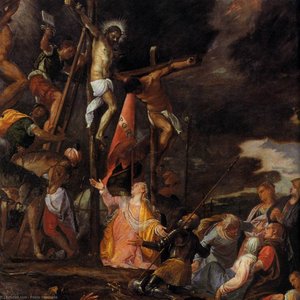
* the crucifixion (149 x 90 cm, museum of fine arts, budapest, hungary, oil on canvas) * view of the façade (san sebastiano, venice, italy) * plato and aristotele (biblioteca nazionale marciana, venice, italy, oil on canvas)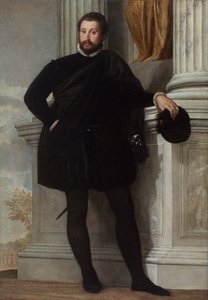
paolo caliari
1528 - 1588 , Italy
基本情報
- Artistic Movement Or Style: Venetian Renaissance
- Artists Or Movements Influenced By This Artist:
- Rubens
- Tintoretto
- Artists Who Influenced This Artist: Titian
- Date Of Birth: 1528
- Full Name: Paolo Caliari
- Nationality: Italian
- Notable Artworks:
- The Wedding at Cana
- The Feast in the House of Levi
- Place Of Birth: Verona, Italy
関連記事
Paolo Veronese: A Renaissance Master of Color, Composition, and Venetian Splendor
Explore the vibrant world of Paolo Veronese, a Renaissance master renowned for his opulent compositions, masterful use of color, and dramatic Venetian scenes. Discover key artworks & legacy.

Crimson Threads of Narrative: Exploring Symbolism & Representation in Artworks Featuring the Red Dress
Explore the rich symbolism of the red dress in art history! From ancient power displays to iconic portraits like Cézanne’s 'Madame Cezanne', discover the cultural and artistic significance behind this captivating color. Expert analysis & insights.
マーク・ロスコ傑作25選:色彩が織りなす深遠な世界|ArtsDot
マーク・ロスコの傑作25選。抽象表現主義を代表する巨匠、色彩が織りなす深遠な世界を探求します。絵画の背景や技法、感動的なストーリーを紐解き、ArtsDotで高品質なアートプリントをお楽しみください。リビングやオフィスにモダンアートを飾るなら!
アンリ・マティスの傑作25選:色彩と情熱の軌跡|ArtsDot
アンリ・マティスの傑作25選🎨 色彩と情熱が織りなす世界を旅する。フォーヴィスム代表の巨匠、マティスの絵画の魅力と歴史を紐解きます。ArtsDotで高品質なアートプリントや複製画を見つけ、インテリアに芸術的な輝きを✨ Explore the full collection online

ジャコポ・ティンコレット:至高の25選 – ヴェネツィア巨匠のドラマと光の世界 | ArtsDot
ジャコポ・ティンコレットの至高の25選。ドラマと光の世界を彩るヴェネツィア派巨匠の名画を紐解きます。ルネサンス絵画からバロック絵画まで、ArtsDotで高品質な複製画やインテリアアートを見つけましょう。傑作コレクションをオンラインで探求してください。

