

 プレビュー
プレビュー
 シェアする
シェアする シェアする
シェアする
 詳細を見る
詳細を見る

 ダウンロード
 似ている作品
 X線調査
X線調査 スライドショー
 統計情報
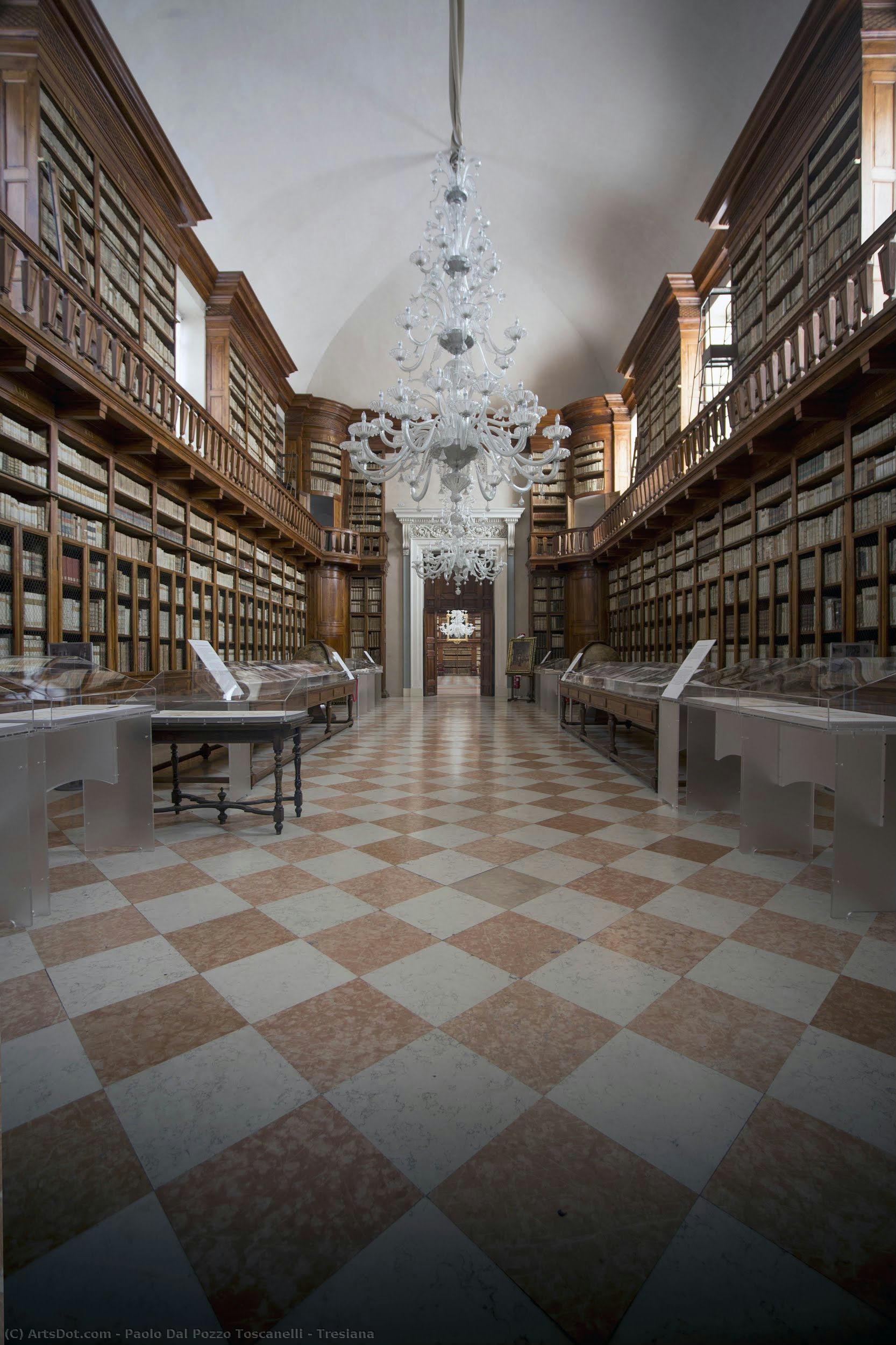
統計情報Tresiana


 詳細を見る
詳細を見る
オンラインプレビューをはるかに凌ぐ、高解像度で鮮明なデジタル画像をご購入いただけます。
各ファイルは、社内の専門家が高度なツールと熟練した手作業によるレタッチを用いて、細心の注意を払って準備されています。すべての画像において、卓越した鮮明度、正確な色彩再現性、そして繊細なディテールを保証いたします。
最終ファイルは、プロフェッショナルな編集・印刷環境ですぐにご利用いただけるよう最適化された状態で、72時間以内にメールにてお届けいたします。これは、一流のデザインスタジオ、出版社、ギャラリーから信頼されているものと同等の品質です。
デジタルアート
個人での鑑賞、印刷、クリエイティブなプロジェクト用に、高解像度ファイルをダウンロードできます。 ( プリント版に切り替え 手描きの絵画を購入)
デジタル画像のご注文に付随する特典
高品質なデジタル画像配信を、確かな品質で。
ArtsDot.com を選ぶことは、単に画像を手に入れることではありません。それは、プロの手によって精密に仕上げられ、満足保証が付いた高品質なデジタルアートワークを受け取ることを意味します。ご注文いただいた際に自動的に付随する内容は、以下の通りです:

メールですぐにお届け
ご注文から72時間以内に、高解像度のデジタル画像ファイルがメールでお手元に届きます。すぐにそのままご利用いただけます。

AI技術で最適化されたデジタルファイル
お客様の作品は、高度なAIツールと専門家による手作業の編集を組み合わせてプロフェッショナルに最適化されており、細部のディテール、鮮明さ、そして正確な色再現性を最大限に引き出しています。

一生涯無料の再送サービス
ファイルを誤って削除したり、紛失してしまったりしましたか?ご安心ください。いつでも無料で再送いたします。

輸入手数料は一切かかりません
関税や手数料、配送料を気にすることなく、お気に入りのアートワークをすぐにお楽しみいただけます。デジタルダウンロードは常に免税です。

色彩再現の保証
プロ仕様のツールとカラーマネジメント技術を用いることで、デジタル画像が元の色を最大限に忠実に再現することを保証いたします。

100日間満足保証
ご購入いただいたデジタル画像にご満足いただけない場合は、100日以内であれば、理由を問わず修正または100%の返金対応をさせていただきます。

100% 返金保証
ご満足いただけない場合は、デジタルファイルを受け取ってから100日以内であれば、理由を問わず全額返金いたします。

まとめ買い割引
3枚購入で10%OFF - 5枚購入で15%OFF - 10枚以上購入で20%OFF。クリエイティブなプロジェクト、ギャラリー、エージェンシーに最適です。
関連作品

作家の略歴
Paolo dal Pozzo Tuscanelli: Architect of the Renaissance Cosmos
Paolo dal Pozzo Tuscanelli, a name often whispered in the annals of Renaissance scholarship, remains an enigmatic figure—a brilliant mind whose contributions were both profound and frustratingly obscured by the passage of time. Born in Florence in 1397, he wasn’t merely a mathematician or astronomer; he was a pivotal architect of the intellectual landscape that birthed the era's groundbreaking discoveries, a man who subtly guided the course of exploration and understanding with his calculations and maps. His life, though relatively short—he died in 1482—was a tapestry woven with threads of humanist circles, papal intrigue, and ultimately, an indirect hand in shaping one of history’s most ambitious voyages.
Tuscanelli's early life remains shrouded in some mystery. Unlike many of his contemporaries who benefited from established academic lineages, little is known about his formal education. He apprenticed under the physician Domenico Toscanelli, a connection that provided him with a foundation in medicine and, crucially, access to the intellectual currents flowing through Florence’s elite circles. This exposure proved transformative; he quickly surpassed his mentor, demonstrating an exceptional aptitude for mathematics and astronomy – skills he honed alongside figures like Nicholas of Cusa, a leading philosopher and theologian at the University of Padua. Their collaboration was particularly significant, as they wrestled with complex geometric problems, notably the elusive challenge of squaring the circle—a pursuit that consumed mathematicians for centuries.
Tuscanelli’s influence extended far beyond the confines of theoretical mathematics. He became a trusted advisor to Marsilio Ficino, the head of Florence's Platonic Academy, and a close friend to Filippo Brunelleschi, the architect responsible for the magnificent dome of the Florence Cathedral. This association with the humanist movement profoundly shaped his worldview, emphasizing observation, reason, and a deep appreciation for classical knowledge. He wasn’t simply calculating celestial movements; he was seeking to understand humanity's place within the grand scheme of the cosmos—a perspective reflected in his meticulous astronomical observations, particularly those of the comet of 1456.
The Teresiana and Tresiana: A Photographic Revelation
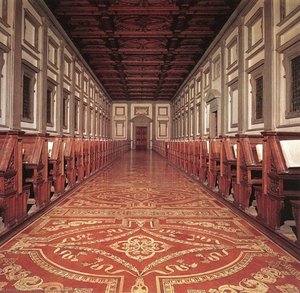
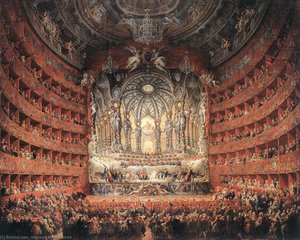
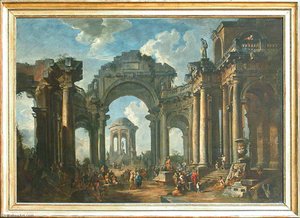
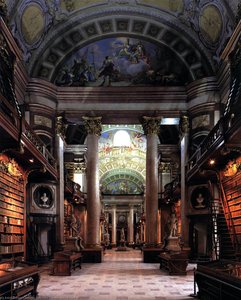
Tuscanelli’s most enduring legacy lies in two remarkable works: the *Teresiana* and the *Tresiana*. These aren't paintings or sculptures, but rather complex photographic depictions—a revolutionary concept for their time. The *Teresiana*, created around 1475, is a meticulously rendered image of a vast library, overflowing with scrolls and illuminated manuscripts. It’s a breathtaking panorama, showcasing an astonishing level of detail and spatial awareness – a testament to Tuscanelli's mathematical precision and his understanding of perspective. The *Tresiana*, completed shortly after, depicts a similarly grand architectural space—a celestial observatory filled with instruments for charting the stars.
What makes these works so extraordinary is their method. Tuscanelli didn’t simply draw or paint; he used a complex system of mirrors and lenses to project images onto a surface, creating what can only be described as photographic representations. This technique was remarkably advanced for its time, predating the invention of photography by centuries. The *Teresiana* and *Tresiana* are not merely aesthetically pleasing; they represent a profound leap in visual representation—a demonstration of Tuscanelli’s mastery of optics and his ability to translate complex mathematical concepts into tangible images.
Mapping the World: A Crucial, Yet Uncertain, Role
Perhaps the most widely discussed aspect of Tuscanelli's life is his alleged involvement in the preparation of a map that was presented to Christopher Columbus in 1474. The story goes that he devised a plan for sailing west across the Atlantic to reach Asia, incorporating calculations based on his understanding of the Earth’s circumference and shape. A copy of this map, accompanied by a letter outlining the strategy, purportedly reached Columbus before his historic voyage in 1492.
However, the historical record surrounding this episode is remarkably ambiguous. The original letters are lost, and while Columbus acknowledged receiving such correspondence, there’s no definitive proof that it was Tuscanelli's map or plan that directly inspired him. Some scholars argue that Columbus likely encountered similar ideas from other sources, while others maintain that Tuscanelli’s calculations were significantly flawed—leading to an overestimation of the distance between Europe and Asia. Regardless of the precise details, Tuscanelli’s contribution to this pivotal moment in history remains a subject of ongoing debate and fascination.
Legacy and Historical Significance
Despite the lack of extensive documentation about his life and work, Paolo dal Pozzo Tuscanelli's impact on Renaissance thought is undeniable. He was a key figure in the intellectual ferment that characterized Florence during this period—a bridge between mathematics, astronomy, philosophy, and art. His *Teresiana* and *Tresiana* stand as remarkable testaments to his ingenuity and technical skill, demonstrating an extraordinary understanding of optics and perspective.
Furthermore, his work indirectly influenced the Age of Discovery. Whether or not he directly inspired Columbus’s voyage, Tuscanelli's calculations and maps contributed to a broader intellectual climate that fostered exploration and challenged conventional wisdom about the shape and size of the world. He remains a figure of quiet brilliance—a Renaissance innovator whose legacy is slowly but surely being rediscovered, reminding us that history often reveals its secrets only through painstaking research and a willingness to look beyond the well-trodden paths.
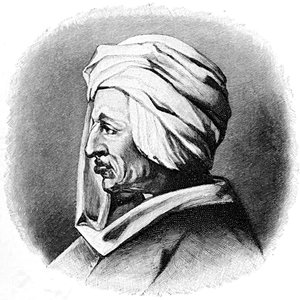
paolo dal pozzo toscanelli
1397 - 1482 , Italy
プロフィール概要
- Artistic Movement Or Style: Renaissance
- Artists Or Movements Influenced By This Artist:
- Regiomontanus
- Leonardo da Vinci
- Artists Who Influenced This Artist:
- Nicholas of Cusa
- Filippo Brunelleschi
- Date Of Birth: 1397
- Date Of Death: 1482
- Full Name: Paolo dal Pozzo Tuscanelli
- Nationality: Italian
- Notable Artworks:
- Teresiana
- Tresiana
- Place Of Birth: Florence, Italy