

 プレビュー
プレビュー
 プリントを購入
 シェアする
シェアする シェアする
シェアする
 詳細を見る
詳細を見る

 ダウンロード
 似ている作品
 X線調査
X線調査 スライドショー
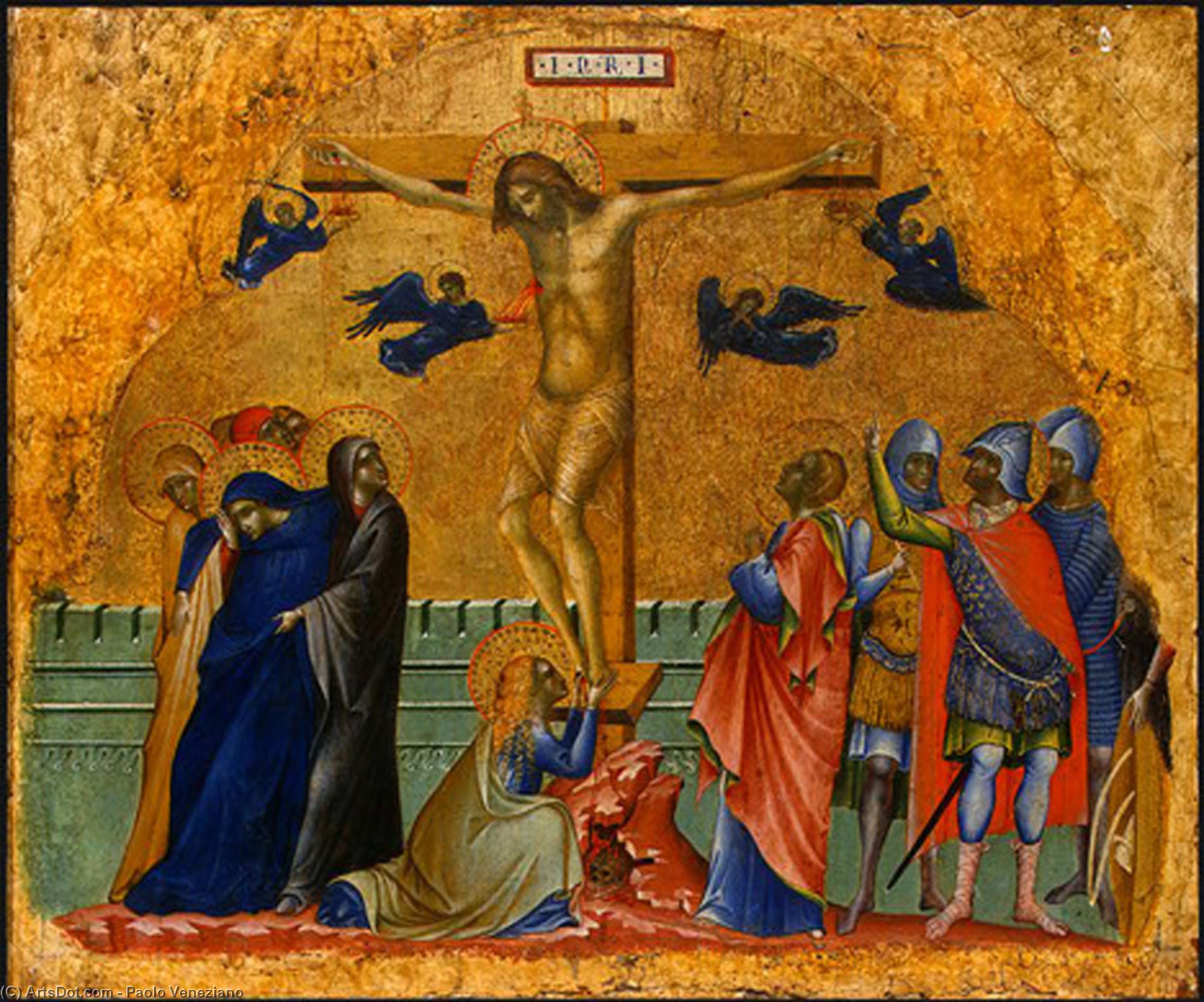
The Crucifixion
 Tempera On Panel
- Italian Renaissance
 1340
1340- Late Medieval
 31.0 x 37.0 cm
 ナショナル・ギャラリー・オブ・アート
 詳細を見る
詳細を見る
オンラインプレビューをはるかに凌ぐ、高解像度で鮮明なデジタル画像をご購入いただけます。
各ファイルは、社内の専門家が高度なツールと熟練した手作業によるレタッチを用いて、細心の注意を払って準備されています。すべての画像において、卓越した鮮明度、正確な色彩再現性、そして繊細なディテールを保証いたします。
最終ファイルは、プロフェッショナルな編集・印刷環境ですぐにご利用いただけるよう最適化された状態で、72時間以内にメールにてお届けいたします。これは、一流のデザインスタジオ、出版社、ギャラリーから信頼されているものと同等の品質です。
デジタル画像のご注文に付随する特典
高品質なデジタル画像配信を、確かな品質で。
ArtsDot.com を選ぶことは、単に画像を手に入れることではありません。それは、プロの手によって精密に仕上げられ、満足保証が付いた高品質なデジタルアートワークを受け取ることを意味します。ご注文いただいた際に自動的に付随する内容は、以下の通りです:

メールですぐにお届け
ご注文から72時間以内に、高解像度のデジタル画像ファイルがメールでお手元に届きます。すぐにそのままご利用いただけます。

AI技術で最適化されたデジタルファイル
お客様の作品は、高度なAIツールと専門家による手作業の編集を組み合わせてプロフェッショナルに最適化されており、細部のディテール、鮮明さ、そして正確な色再現性を最大限に引き出しています。

一生涯無料の再送サービス
ファイルを誤って削除したり、紛失してしまったりしましたか?ご安心ください。いつでも無料で再送いたします。

輸入手数料は一切かかりません
関税や手数料、配送料を気にすることなく、お気に入りのアートワークをすぐにお楽しみいただけます。デジタルダウンロードは常に免税です。

色彩再現の保証
プロ仕様のツールとカラーマネジメント技術を用いることで、デジタル画像が元の色を最大限に忠実に再現することを保証いたします。

60日間満足保証
ご購入いただいたデジタル画像にご満足いただけない場合は、60日以内であれば、修正または100%の返金(理由を問う必要はありません)をさせていただきます。

100% 返金保証
ご満足いただけない場合は、デジタルファイルを受け取ってから60日以内であれば、理由を問わず全額返金いたします。

まとめ買い割引
3枚購入で10%OFF - 5枚購入で15%OFF - 10枚以上購入で20%OFF。クリエイティブなプロジェクト、ギャラリー、エージェンシーに最適です。
作品の詳細
The Crucifixion by Paolo Veneziano: A Byzantine Echo in Venetian Gothic
Paolo Veneziano’s “The Crucifixion,” painted circa 1340, stands as an emblem of the burgeoning artistic synthesis occurring at the heart of fourteenth-century Venice – a harmonious blend between the solemn grandeur of Byzantine iconography and the nascent expressive dynamism of Gothic art. This monumental panel, now housed in the National Gallery of Art in Washington D.C., offers a profound glimpse into the spiritual landscape of its time and remains a cornerstone of Venetian artistic heritage.
- Subject Matter: The painting depicts the crucifixion of Jesus Christ, adhering to established Christian iconography—a central motif within Byzantine art tradition. However, Veneziano’s masterful composition distinguishes itself through subtle Gothic influences evident in the architectural backdrop and the positioning of figures.
- Style & Technique: Employing egg tempera on a wooden panel, Veneziano skillfully executed his work using a technique inherited from Byzantium but refined with Venetian sensibilities. The meticulous layering of pigments—primarily derived from natural sources like lapis lazuli and cinnabar—creates luminous surfaces and conveys an unparalleled level of detail. Notably, the original arched top of the painting has been augmented later by gilded corners, reflecting the evolving artistic conventions of the period.
- Historical Context: Venice during this era was experiencing a remarkable revival following the devastation of the Black Death, fostering a climate of intellectual curiosity and artistic innovation. Veneziano’s work reflects the prevailing piety of the Venetian Republic and aligns with broader European trends toward incorporating Gothic elements into religious art.
- Symbolism: The scene is replete with symbolic representations—the crucified Christ at the center, surrounded by six sorrowful angels conveying divine compassion; the rocky crag symbolizing Golgotha; and the Roman centurion representing earthly authority confronting faith. These elements underscore the painting’s theological significance and resonate deeply within Christian tradition.
- Emotional Impact: “The Crucifixion” transcends mere visual representation, eliciting a palpable sense of solemn contemplation and spiritual reverence. Veneziano's masterful use of color—particularly the muted hues of blues and reds—creates an atmosphere of profound sorrow and evokes viewers’ empathy for Christ’s suffering.
Provenance records indicate that this painting originated in Italy, specifically Venice. Its current location within the National Gallery of Art underscores its enduring importance as a masterpiece of Venetian art history.
Further research into Paolo Veneziano's oeuvre reveals his pivotal role in establishing the Venetian School—a legacy that continues to inspire artists today. The meticulous craftsmanship and evocative symbolism embedded within “The Crucifixion” solidify Veneziano’s position as one of the most influential figures in fourteenth-century European painting.
Additional Resources:
- The Crucifixion by Paolo Veneziano - National Gallery of Art
- The Crucifixion - Paolo Veneziano - Google Arts & Culture
Artist Information: Paolo Veneziano (c. 1333 – 1358) was born in Venice, Italy—a city renowned for its artistic patronage and maritime prowess.
Biography: Veneziano’s father, Giovanni Veneziano, was himself a celebrated artist, shaping his son's formative years within the vibrant Venetian workshop environment. Like many prominent Venetian artists of his time, Paolo received a comprehensive artistic education—a testament to Venice’s commitment to fostering intellectual and creative excellence.
Notable Works: Among Veneziano’s surviving masterpieces are “The Coronation of the Virgin,” executed in collaboration with his sons Luca and Giovanni, and “Saint Peter Enthroned,” demonstrating his mastery of Byzantine and Gothic stylistic conventions. These works exemplify Veneziano's dedication to artistic innovation while honoring established traditions.
Legacy: Paolo Veneziano is universally recognized as “the most important venetian painter of the fourteenth century.” His influence extended far beyond his own lifetime, establishing him as the founder of the Venetian School—a tradition that would dominate artistic production throughout the century and profoundly impact subsequent generations of artists.
関連作品
作家の略歴
ビザンティンとゴシックを融合させたヴェネツィアの先駆者
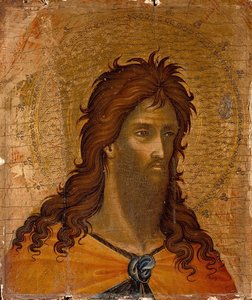
パオロ・ヴェネツィアーノ(1333年頃 – 1358年)は、ヴェネツィア美術史における不滅の巨星であり、「14世紀において最も重要なヴェネシアの画家」として世界的にその名を馳せています。芸術の都ヴェネツィアの中心部で、高名な画家の息子として芸術的な血統の中に生を受けた彼は、ヨーロッパ絵画が劇的な変革期を迎えた時代と重なる生涯を送りました。彼の役割は、ビザンティン様式の持つ厳格で黄金に輝く荘厳さと、芽吹きつつあったゴシック様式の流麗な優美さとの間に横たわる様式的な溝を埋める、極めて重要な架け橋となることでした。その遺志は彼自身の短い生涯を遥かに超えて受け継がれ、一世紀にわたって芸術制作を支配することとなる「ヴェネツィア派」の真の創始者として、ロレンツォ・ヴェネツィアーノのような後世の巨匠たちに深い影響を与え続けました。
ヴェネツィアーノの天才性の本質は、相反する二つの世界を調和させる能力にあります。彼の修練は、ヴェネツィア共和国に浸透していたビザンティンの影響――すなわち、図像学的な安定感、豪華さ、そして神聖な感覚を特徴とする様式――に深く根ざしていました。しかし同時に、彼はリミニをはじめとするイタリアの他の芸術拠点から流入する最新の動向に対しても鋭い洞察力を備えていました。ゴシック的な要素を自らの構図へと取り入れることで、彼は作品に新たな洗練と動きをもたらしたのです。この二つの潮流への積極的な関わりこそが、彼の作品を単なる過去の栄光の模倣に留めず、14世紀半ばの進化し続けるダイナミックな芸術的風景へと能動的に参画させる原動力となりました。
信仰と庇護が生んだ傑作
ヴェネツィアーノの芸術的達成の頂点は、ヴェネツィアのサン・マルコ寺院のために依頼された記念碑的なプロジェクト、「パラ・フェリアレ(平日用祭壇画)」への従事において最も鮮明に捉えられています。この野心的な試みは、息子であるマルコやルカと共に成し遂げられた共同作業の勝利でした。完成したポリプティク(多翼祭壇画)は、ヴェネツィアにおける芸術的庇護と技術力の高さを物語る、息を呑むような証左となっています。その作品の中には、緻密に施された金箔の使用や、聖なる人物たちの慎重な配置が見て取れ、共和国の富と市民の深い信仰心の双方を反映した、天上のヴィジョンを創り出しています。
このような大規模な依頼を通じて、ヴェネツィアーノは宗教的な要件とヴェネツィア国家の審美的な欲望の両方を満たす、複雑な図像プログラムを管理する能力を示しました。彼の技法には以下のような特徴が含まれていました。
- 永遠なる神聖な光を想起させる、輝かしい金地の使用
- ヴェネツィアそのものに見られる豪華な織物やモザイクを反映した、複雑な装飾
- 伝統的なビザンティンの形態の上に、より自然主義的なゴシック様式の衣襞(ドレーパリー)の出現を可能にした、線と色彩の繊細な均衡
歴史的意義と不朽の遺産
1358年にその生涯は悲劇的なほど短く終わりましたが、西洋美術の軌跡におけるパオロ・ヴェネツィアーノの影響は計り知れません。彼は単に絵を描いたのではありません。彼は海洋帝国としてのヴェネツィアに、独自の視覚言語を定義したのです。ビザンティンの東方的影響とゴシック期の西方的革新を融合させることで、彼は豪華で国際的、かつ深い情緒を呼び起こす、唯一無二の「ヴェネツィアン・スタイル」を確立しました。この様式の統合は、後のより著名なルネサンスの巨匠たちが築き上げるための強固な基盤となったのです。
美術史における彼の重要性は、いくら強調してもしすぎることはありません。彼はヴェネツィアを、単なる外国様式の受容地から、独自の美的アイデンティティを持つ主要な創造地へと変貌させたのです。彼が自身の工房と息子たちを通じて築き上げた系譜は、ヴェネツィア派がその後何世代にもわたってヨーロッパ美術の支配的な勢力であり続けることを保証し、イタリア・ルネサンスの歴史に消えることのない足跡を残しました。
パオロ・ヴェネツィアーノ
1333 - 1358 , イタリア
プロフィール概要
- Artistic Movement Or Style: ビザンチン様式の影響とゴシック美術
- Artists Or Movements Influenced By This Artist: ['マルコ・ディ・パオロ・ヴェネツィアーノ']
- Artists Who Influenced This Artist: ['ロレンツォ・ヴェネツィアーノ']
- Date Of Birth: 1333年頃
- Date Of Death: 1358年
- Full Name: パオロ・ヴェネツィアーノ
- Nationality: イタリア
- Notable Artworks:
- パラ・フェリアレ
- 多翼祭壇画のパネル
- Place Of Birth: イタリア、ヴェネツィア

