

 プレビュー
プレビュー
 プリントを購入
 シェアする
シェアする シェアする
シェアする
 詳細を見る
詳細を見る

 ダウンロード
 似ている作品
 X線調査
X線調査 スライドショー
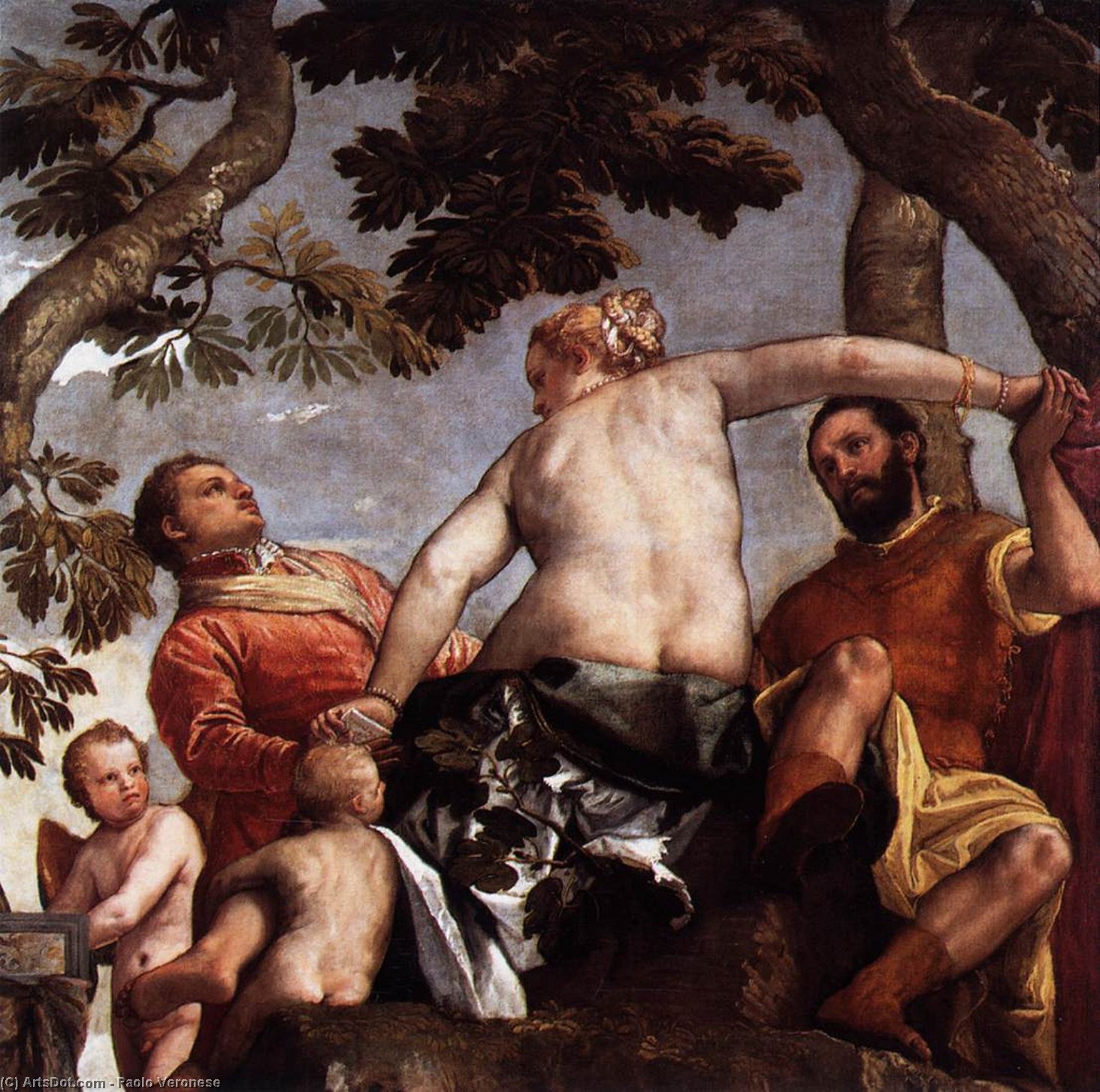
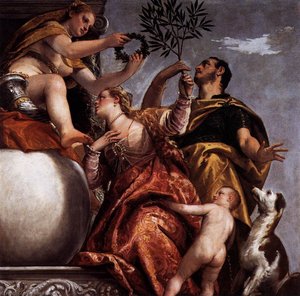
Allegory of Love, I: Infidelity
 Acrylic On Canvas
- WallArt
- Baroque
 1575
1575 187.0 x 188.0 cm
 ナショナル・ギャラリー
 詳細を見る
詳細を見る
オンラインプレビューをはるかに凌ぐ、高解像度で鮮明なデジタル画像をご購入いただけます。
各ファイルは、社内の専門家が高度なツールと熟練した手作業によるレタッチを用いて、細心の注意を払って準備されています。すべての画像において、卓越した鮮明度、正確な色彩再現性、そして繊細なディテールを保証いたします。
最終ファイルは、プロフェッショナルな編集・印刷環境ですぐにご利用いただけるよう最適化された状態で、72時間以内にメールにてお届けいたします。これは、一流のデザインスタジオ、出版社、ギャラリーから信頼されているものと同等の品質です。
デジタル画像のご注文に付随する特典
高品質なデジタル画像配信を、確かな品質で。
ArtsDot.com を選ぶことは、単に画像を手に入れることではありません。それは、プロの手によって精密に仕上げられ、満足保証が付いた高品質なデジタルアートワークを受け取ることを意味します。ご注文いただいた際に自動的に付随する内容は、以下の通りです:

メールですぐにお届け
ご注文から72時間以内に、高解像度のデジタル画像ファイルがメールでお手元に届きます。すぐにそのままご利用いただけます。

AI技術で最適化されたデジタルファイル
お客様の作品は、高度なAIツールと専門家による手作業の編集を組み合わせてプロフェッショナルに最適化されており、細部のディテール、鮮明さ、そして正確な色再現性を最大限に引き出しています。

一生涯無料の再送サービス
ファイルを誤って削除したり、紛失してしまったりしましたか?ご安心ください。いつでも無料で再送いたします。

輸入手数料は一切かかりません
関税や手数料、配送料を気にすることなく、お気に入りのアートワークをすぐにお楽しみいただけます。デジタルダウンロードは常に免税です。

色彩再現の保証
プロ仕様のツールとカラーマネジメント技術を用いることで、デジタル画像が元の色を最大限に忠実に再現することを保証いたします。

60日間満足保証
ご購入いただいたデジタル画像にご満足いただけない場合は、60日以内であれば、修正または100%の返金(理由を問う必要はありません)をさせていただきます。

100% 返金保証
ご満足いただけない場合は、デジタルファイルを受け取ってから60日以内であれば、理由を問わず全額返金いたします。

まとめ買い割引
3枚購入で10%OFF - 5枚購入で15%OFF - 10枚以上購入で20%OFF。クリエイティブなプロジェクト、ギャラリー、エージェンシーに最適です。
A Symphony of Color and Desire: Decoding Veronese’s Allegory of Love, I
Paolo Veronese's "Allegory of Love, I," painted in 1575, stands as a monumental testament to Venetian artistic ambition during the High Renaissance. More than just a visually stunning depiction of figures amidst a lush forest backdrop, it’s an intricate tapestry woven with philosophical concepts and masterful execution—a piece that continues to fascinate scholars and inspire artists today. The canvas measures 187 x 188 cm, immediately conveying the grandeur intended for opulent Venetian palaces and demonstrating Veronese's unparalleled ability to command scale and create immersive experiences for his audience.The Visual Narrative: Composition and Color
Veronese’s genius lies primarily in his compositional brilliance. The scene unfolds with a deliberate layering of figures—a nude woman at its center, positioned strategically against the backdrop of towering trees—creating a dynamic interplay between intimacy and grandeur. Her back is turned towards the viewer, fostering an unspoken connection and inviting contemplation about her vulnerability and allure. Surrounding her are men and children engaged in various activities, symbolizing different facets of human experience. Notably, one man tenderly touches the woman’s face, representing affection and care—a crucial element within the allegory's exploration of love. The artist skillfully employs color to heighten emotional impact; Veronese’s signature palette – dominated by rich reds, golds, and greens – imbues the painting with warmth and vibrancy, mirroring the passion at its core. These hues aren’t merely decorative; they actively contribute to conveying the mood and reinforcing the symbolic significance of each element within the composition.Technique: Oil Paint Mastery
Veronese's technique exemplifies the pinnacle of oil paint mastery achieved during his time. He utilized glazing—a layering process where translucent pigments are applied over previous layers—to achieve unparalleled luminosity and depth. This method allowed him to capture subtle nuances of light and shadow, creating an illusionistic effect that convincingly replicates reality. The meticulous detail evident in the depiction of foliage and drapery underscores Veronese’s dedication to realism while simultaneously elevating the artwork beyond mere representation. Furthermore, he skillfully blended colors seamlessly, producing harmonious tonal variations that contribute significantly to the painting's overall aesthetic appeal.Historical Context: Renaissance Ideals of Beauty and Virtue
“Allegory of Love, I” emerged from a period marked by fervent intellectual curiosity and artistic innovation—the High Renaissance in Venice. The painting reflects humanist ideals prevalent during this era, emphasizing human dignity and celebrating beauty as expressions of divine perfection. It draws heavily upon Platonic philosophy, specifically the concept of Eros – passionate love – which Veronese portrays not merely as sensual desire but as a conduit for spiritual enlightenment. The allegory explores themes of chastity, prudence, temperance, and fortitude—virtues considered essential for achieving harmony and attaining immortality. Its commission likely served to commemorate a wedding celebration, aligning it with the broader cultural preoccupation with marriage and familial happiness.Symbolism: Decoding Hidden Meanings
Beyond its visual splendor, “Allegory of Love, I” is replete with symbolic references that enrich its interpretation. The nude woman embodies purity and innocence—a deliberate allusion to classical ideals of beauty and virtue. The forest symbolizes the subconscious mind, representing the challenges faced in pursuing spiritual truth. The figures engaged in various activities symbolize different aspects of human life and moral character. Ultimately, Veronese’s masterful use of symbolism elevates the painting from a simple depiction of a scene into a profound meditation on love's transformative power—a timeless masterpiece that continues to resonate with audiences centuries later.関連作品
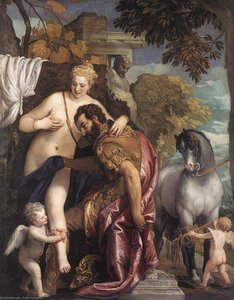
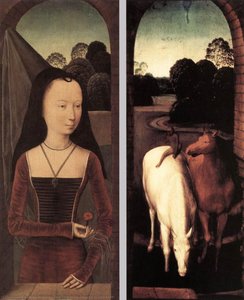
作家の略歴
ヴェネツィアの幻影:パオロ・ヴェロネーゼの生涯と芸術
パオロ・カリャリ、世に知られるパオロ・ヴェロネーゼは、16世紀のヴェネツィアという輝かしい芸術都市から現れ、色彩、構成、そして豪華絢爛なスペクタクルを極めた巨匠である。1528年、ヴェローナで石工の息子として生まれた彼は、幼少期から古典建築、彫刻、そして地域に花開いた人文主義思想といった視覚的な豊かさに浸っていた。アントニオ・バディレやジョヴァンニ・フランチェスコ・カロートの下での初期の訓練は伝統的な技法を身につけさせたが、1550年代のヴェネツィアへの移住こそが彼の芸術的天才に火をつけた。都市そのものが彼のミューズとなり、賑やかな市場、壮麗な宮殿、きらめく運河が彼の作品のスケールとドラマ性を形作った。彼はティツィアーノのような確立されたヴェネツィア派巨匠の影響を吸収し、その色彩感覚はヴェロネーゼのパレットに深く影響を与えた。しかしながら、彼は比類のない劇性と壮大さを特徴とする独自のスタイルを築き上げた。饗宴と壮大な物語を描く画家
ヴェロネーゼの名声は、豪華な饗宴や聖書の場面をヴェネツィアの生活の鮮やかな描写へと変貌させた巨大な絵画に支えられている。1563年にサン・ジョルジョ・マッジョーレ修道院のために完成した『カナの婚礼』はその技量の証である。この壮大なキャンバスは単なる奇跡のイラストレーションではなく、優雅な衣装をまとった人物、音楽家、息を呑むほど正確に描かれた建築的ディテールで満ち溢れた16世紀社会の鮮やかなパノラマである。絵画はカナで何が起こったかを描いているだけでなく、それがヴェロネーゼの時代にヴェネツィアで起こったらどうだったかを表現しているのだ。同様に、『レビの家での饗宴』(元々は『最後の晩餐』と題されていた)は、同時代の人物や一見不謹慎な雰囲気を描いたことで異端審問当局からの論争を巻き起こした。ヴェロネーゼは芸術的自由を擁護し、画家には詩人や道化師と同じ創造の自由が認められるべきだと主張した。これは神聖な物語を解釈し、再構築する芸術の力に対する彼の信念を反映した大胆な声明であった。これらの作品は単なる宗教的な描写ではなく、生活、富、そしてヴェネツィア自体の壮大さを祝うものであった。彼は禁欲的な精神性に関心はなく、むしろ存在の喜びと豊かさを捉えることに情熱を注いだ。影響と芸術的発展
ティツィアーノがヴェロネーゼの色彩感覚に与えた影響は否定できないが、彼の芸術的発展は様々な要素が複雑に絡み合ったものであった。彼が構成にもたらした建築的な正確さは、彼の形成期にヴェローナで蔓延していた古典主義の伝統に負うところが大きい。特にミケーレ・サンミケリのような建築家の作品から影響を受けている。ラファエロやパルミジャニーノのような中部イタリア派巨匠からの要素も、彼の絵画に見られる優雅な線と調和のとれた配置の中に見て取ることができる。しかし、ヴェロネーゼはこれらの影響を単に模倣するのではなく、光の劇的な使い方、鮮やかな色彩、そして細部への徹底的な注意によって特徴づけられる独自のヴェネツィア様式へと昇華させた。彼は空間と奥行きの錯覚を作り出すことに長けており、遠近法を用いて観客を彼の壮大な場面の中心へと引き込んだ。油彩の技術に対する彼の習熟度は、比類のない輝きと豊かなテクスチャを実現した。 彼は大規模な工房を運営し、弟ベネデットや息子ガブリエーレ、カルロも貢献しており、彼の死後も彼のスタイルが発展し続けることを保証した。遺産と歴史的意義
パオロ・ヴェロネーゼの影響はルネサンス美術の領域をはるかに超えている。彼の作品は数世紀にわたり共鳴し続け、バロック絵画から現代映画まで様々な分野の芸術家たちにインスピレーションを与えてきた。彼はティツィアーノやティントレットとともに「ヴェネツィア派三大巨匠」の一人として知られ、それぞれが都市の芸術的遺産に独特な貢献をした。しかし、ヴェロネーゼはしばしばその純粋な活気と世俗的な喜びの祝典によって際立っている。彼の絵画は壮大さとスペクタクルで観客を魅了し続け、16世紀のヴェネツィアの世界への一瞥を提供している。- 彼は同時代の生活を織り交ぜることで歴史画を再定義した。
- 彼の色使いは今日でも芸術家たちに影響を与え続けている。
- 彼の作品はルネサンス人文主義の精神と世俗的な美しさの祝典を体現している。
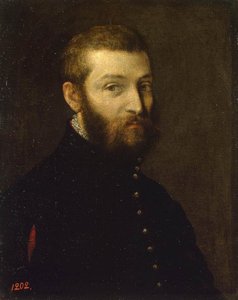
パオロ・ヴェロネーゼ
1528 - 1588 , イタリア
プロフィール概要
- Artistic Movement Or Style: ルネサンス、マニエリスム
- Artists Or Movements Influenced By This Artist:
- ルーベンス
- ヴァトー
- Artists Who Influenced This Artist: ['ティツィアーノ']
- Date Of Birth: 1528年
- Date Of Death: 1588年
- Full Name: パオロ・ヴェロネーゼ
- Nationality: イタリア人
- Notable Artworks (List Of Titles):
- カナの婚礼
- レビの家の晩餐
- Place Of Birth (City And Country): イタリア、ヴェローナ

