 プレビュー
プレビュー
 プリントを購入
 シェアする
シェアする シェアする
シェアする
 詳細を見る
詳細を見る

 ダウンロード
 似ている作品
 X線調査
X線調査 スライドショー
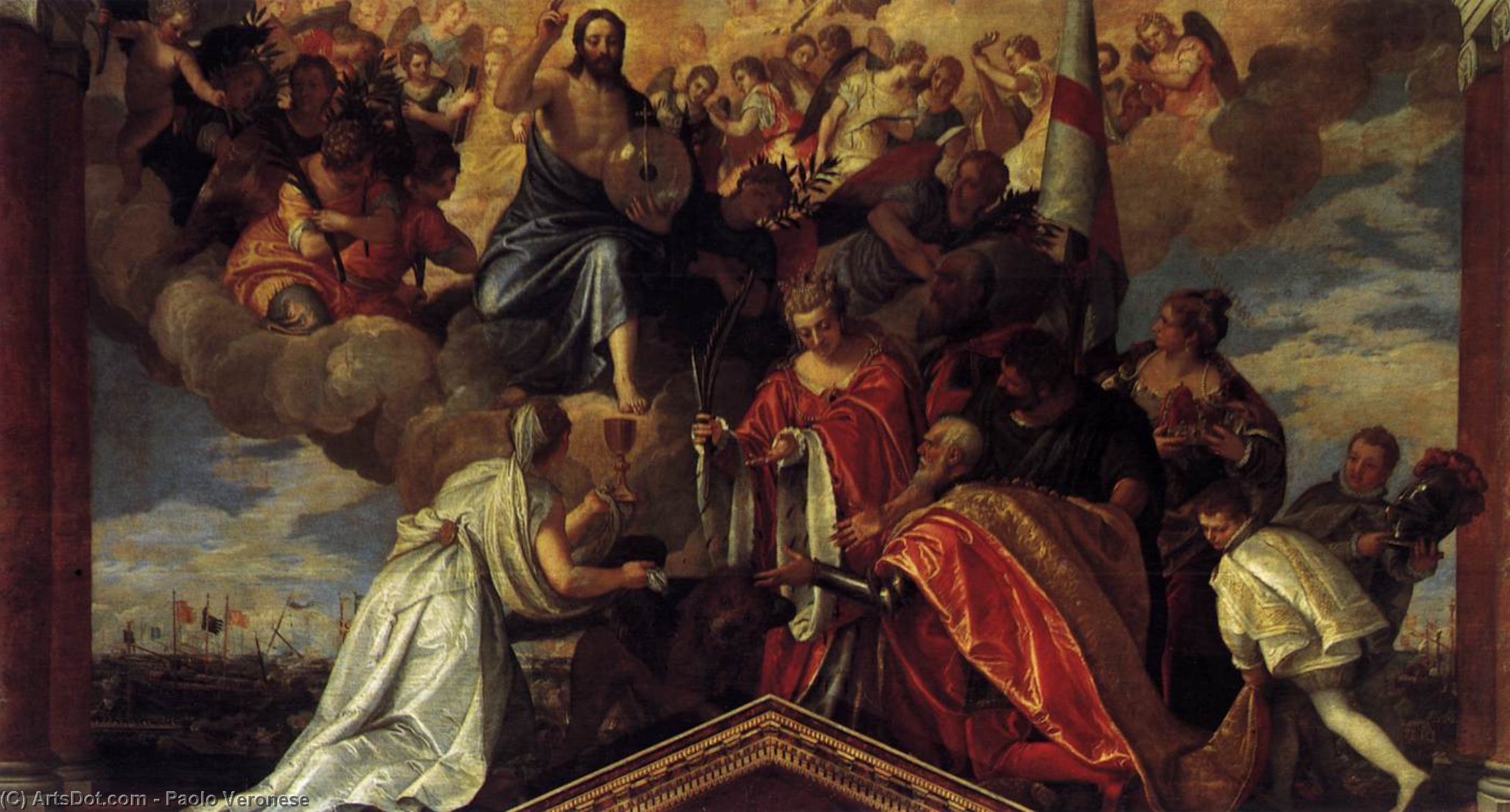
Votive Portrait of Doge Sebastiano Venier
 Oil On Canvas
- WallArt
- High Renaissance
 1581
1581 285.0 x 565.0 cm
 パサッジョ・ドゥカーレ
 詳細を見る
詳細を見る




P118B $10

P118H $10

P118W $10

P438Z $10

P508JH $12

P508YH $12

P805H $10

P805Z $10

P919BZ $10

P919G $10

P919XJ $10

P959ZH $10

P968JZ $12

W106C $8

W218G $10

W218JH $8

W218Y $10

W307PJ $10

W316G $10

W316PJ $8

W316Y $10

W398PJ $8

W4111J $10

W500HY $15

W500JH $15

W692G $12

W849H $8

W940BG $15

W953PJ $8




作品のオリジナル比率に合わせた、当店の規定サイズからお選びください。

特定のフレームやスペースに合わせて、ご希望のサイズをご入力いただけます。選択されたサイズが元の画像の比率と異なる場合、アートワークをトリミングするか、手描きで要素を追加して絵画を拡張いたします。デジタルモックアップ を制作し、制作開始前にご確認(承認)をいただきます。
画面上のプレビューは、実際のトリミングや拡張を正確に反映しているものではありません。最終的な構図は、モックアップによってのみ正確にご確認いただけます。
カスタムサイズもご利用いただけますが、元の比率を維持するためには、あらかじめ用意されたリストからサイズを選択することをお勧めいたします。
ご注文後、ArtsDot.com チームより詳細な指示をお送りするとともに、仕上がりイメージ(モックアップ)をご提供いたします。


 ガラスオプションは、110cm未満のサイズでのみご利用いただけます。

Votive Portrait of Doge Sebastiano Venier
複製技法
複製画のサイズ
-


合計金額
$ 413
A Portrait of Power and Faith: Paolo Veronese’s Votive Portrait of Doge Sebastiano Venier
Paolo Veronese's “Votive Portrait of Doge Sebastiano Venier,” painted in 1581, is more than just a likeness; it’s a meticulously crafted tableau vivant—a vibrant snapshot of Venetian power, religious devotion, and the opulent grandeur of the late Renaissance. This monumental work, measuring an impressive 285 x 565 cm, resides within the Sala del Collegio at the Palazzo Ducale in Venice, originally intended as a commemorative tribute to the Doge himself. Veronese’s genius lies not merely in his technical skill but in his ability to weave together historical figures, allegorical symbols, and a palpable sense of theatrical spectacle—transforming a simple portrait into a complex narrative brimming with meaning. The painting immediately captivates with its sheer scale and lavish detail, transporting the viewer to a world of shimmering fabrics, intricate architecture, and divine presence.A Masterclass in Mannerist Composition
Veronese’s style firmly anchors this piece within the Mannerist movement, a period characterized by an embrace of elegance, complexity, and illusionistic space. Departing from the idealized forms of High Renaissance art, Mannerism favored elongated figures, dramatic poses, and a heightened sense of theatricality. Here, Veronese masterfully employs these techniques to create a dynamic composition that draws the eye across the canvas. The pyramidal structure, a hallmark of Renaissance painting, is subtly manipulated—the Doge’s figure anchors the base, while ascending towards Christ at the apex, creating an irresistible upward trajectory. Linear perspective is skillfully employed, though with a deliberate flattening effect characteristic of Mannerism, contributing to the overall sense of heightened drama and spatial ambiguity. The use of color is particularly noteworthy – Veronese's palette explodes with rich reds, blues, and golds, reflecting the wealth and prestige of Venice at the time.The Doge’s Homage: Symbolism and Historical Context
At the heart of the painting stands Doge Sebastiano Venier, depicted in a posture of profound humility before Christ. The inclusion of this specific portrait within the Sala del Collegio was a deliberate act of civic piety—a votive offering to commemorate Venier's leadership during the pivotal Battle of Lepanto in 1571, where the Venetian fleet decisively defeated the Ottoman Empire. The scene is layered with symbolism: the Doge’s outstretched hand signifies supplication and gratitude; the surrounding figures represent various saints and allegorical personifications—Faith, Justice, and Victory—all attesting to Venice's divine favor. The distant cityscape, faintly visible through a hazy atmosphere, subtly references Venice itself, reinforcing the painting’s connection to its patron and its city’s enduring legacy. The inclusion of elements like the naval battle in the background further emphasizes Venice’s maritime power and strategic importance.A Window into Venetian Splendor
Beyond its religious and historical significance, “Votive Portrait of Doge Sebastiano Venier” offers a remarkable glimpse into the material culture and artistic sensibilities of 16th-century Venice. Veronese's meticulous attention to detail—the intricate embroidery on the Doge’s robes, the shimmering fabrics adorning the figures, the elaborate architectural details—reflects the city’s status as a center of trade, wealth, and artistic innovation. The painting is not simply a portrait; it’s a meticulously constructed stage set, capturing the splendor and ambition of Venice at its zenith. The use of oil paint on canvas allows for layering and blending, creating textures that mimic the richness of velvet and silk, while the impasto technique adds depth and dimension to the drapery and cloud formations.An Enduring Legacy: Reproductions and Inspiration
Today, “Votive Portrait of Doge Sebastiano Venier” remains one of Veronese’s most celebrated masterpieces, admired for its scale, complexity, and sheer visual impact. High-quality reproductions offer a remarkable opportunity to experience the painting's grandeur in your own space, bringing a touch of Venetian Renaissance splendor into any setting. Whether you are an art enthusiast, a collector seeking a statement piece, or simply someone drawn to the beauty and artistry of the past, this monumental work continues to inspire awe and wonder. It stands as a testament to Veronese’s unparalleled skill and his ability to transform history, faith, and power into a timeless masterpiece.関連作品
アーティストの略歴
ヴェネツィアの幻影:パオロ・ヴェロネーゼの生涯と芸術
パオロ・カリャリ、世に知られるパオロ・ヴェロネーゼは、16世紀のヴェネツィアという輝かしい芸術都市から現れ、色彩、構成、そして豪華絢爛なスペクタクルを極めた巨匠である。1528年、ヴェローナで石工の息子として生まれた彼は、幼少期から古典建築、彫刻、そして地域に花開いた人文主義思想といった視覚的な豊かさに浸っていた。アントニオ・バディレやジョヴァンニ・フランチェスコ・カロートの下での初期の訓練は伝統的な技法を身につけさせたが、1550年代のヴェネツィアへの移住こそが彼の芸術的天才に火をつけた。都市そのものが彼のミューズとなり、賑やかな市場、壮麗な宮殿、きらめく運河が彼の作品のスケールとドラマ性を形作った。彼はティツィアーノのような確立されたヴェネツィア派巨匠の影響を吸収し、その色彩感覚はヴェロネーゼのパレットに深く影響を与えた。しかしながら、彼は比類のない劇性と壮大さを特徴とする独自のスタイルを築き上げた。饗宴と壮大な物語を描く画家
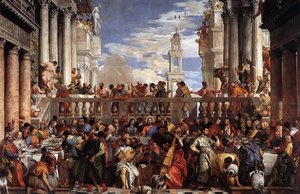
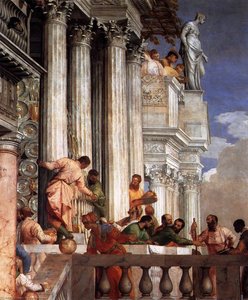
ヴェロネーゼの名声は、豪華な饗宴や聖書の場面をヴェネツィアの生活の鮮やかな描写へと変貌させた巨大な絵画に支えられている。1563年にサン・ジョルジョ・マッジョーレ修道院のために完成した『カナの婚礼』はその技量の証である。この壮大なキャンバスは単なる奇跡のイラストレーションではなく、優雅な衣装をまとった人物、音楽家、息を呑むほど正確に描かれた建築的ディテールで満ち溢れた16世紀社会の鮮やかなパノラマである。絵画はカナで何が起こったかを描いているだけでなく、それがヴェロネーゼの時代にヴェネツィアで起こったらどうだったかを表現しているのだ。同様に、『レビの家での饗宴』(元々は『最後の晩餐』と題されていた)は、同時代の人物や一見不謹慎な雰囲気を描いたことで異端審問当局からの論争を巻き起こした。ヴェロネーゼは芸術的自由を擁護し、画家には詩人や道化師と同じ創造の自由が認められるべきだと主張した。これは神聖な物語を解釈し、再構築する芸術の力に対する彼の信念を反映した大胆な声明であった。これらの作品は単なる宗教的な描写ではなく、生活、富、そしてヴェネツィア自体の壮大さを祝うものであった。彼は禁欲的な精神性に関心はなく、むしろ存在の喜びと豊かさを捉えることに情熱を注いだ。影響と芸術的発展
ティツィアーノがヴェロネーゼの色彩感覚に与えた影響は否定できないが、彼の芸術的発展は様々な要素が複雑に絡み合ったものであった。彼が構成にもたらした建築的な正確さは、彼の形成期にヴェローナで蔓延していた古典主義の伝統に負うところが大きい。特にミケーレ・サンミケリのような建築家の作品から影響を受けている。ラファエロやパルミジャニーノのような中部イタリア派巨匠からの要素も、彼の絵画に見られる優雅な線と調和のとれた配置の中に見て取ることができる。しかし、ヴェロネーゼはこれらの影響を単に模倣するのではなく、光の劇的な使い方、鮮やかな色彩、そして細部への徹底的な注意によって特徴づけられる独自のヴェネツィア様式へと昇華させた。彼は空間と奥行きの錯覚を作り出すことに長けており、遠近法を用いて観客を彼の壮大な場面の中心へと引き込んだ。油彩の技術に対する彼の習熟度は、比類のない輝きと豊かなテクスチャを実現した。 彼は大規模な工房を運営し、弟ベネデットや息子ガブリエーレ、カルロも貢献しており、彼の死後も彼のスタイルが発展し続けることを保証した。遺産と歴史的意義
パオロ・ヴェロネーゼの影響はルネサンス美術の領域をはるかに超えている。彼の作品は数世紀にわたり共鳴し続け、バロック絵画から現代映画まで様々な分野の芸術家たちにインスピレーションを与えてきた。彼はティツィアーノやティントレットとともに「ヴェネツィア派三大巨匠」の一人として知られ、それぞれが都市の芸術的遺産に独特な貢献をした。しかし、ヴェロネーゼはしばしばその純粋な活気と世俗的な喜びの祝典によって際立っている。彼の絵画は壮大さとスペクタクルで観客を魅了し続け、16世紀のヴェネツィアの世界への一瞥を提供している。- 彼は同時代の生活を織り交ぜることで歴史画を再定義した。
- 彼の色使いは今日でも芸術家たちに影響を与え続けている。
- 彼の作品はルネサンス人文主義の精神と世俗的な美しさの祝典を体現している。
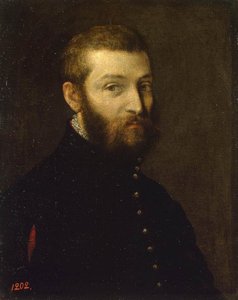
パオロ・ヴェロネーゼ
1528 - 1588 , イタリア
基本情報
- Artistic Movement Or Style: ルネサンス、マニエリスム
- Artists Or Movements Influenced By This Artist:
- ルーベンス
- ヴァトー
- Artists Who Influenced This Artist: ['ティツィアーノ']
- Date Of Birth: 1528年
- Date Of Death: 1588年
- Full Name: パオロ・ヴェロネーゼ
- Nationality: イタリア人
- Notable Artworks (List Of Titles):
- カナの婚礼
- レビの家の晩餐
- Place Of Birth (City And Country): イタリア、ヴェローナ
関連記事
Paolo Veronese: A Renaissance Master of Color, Composition, and Venetian Splendor
Explore the vibrant world of Paolo Veronese, a Renaissance master renowned for his opulent compositions, masterful use of color, and dramatic Venetian scenes. Discover key artworks & legacy.

ジャコポ・ティンコレット:至高の25選 – ヴェネツィア巨匠のドラマと光の世界 | ArtsDot
ジャコポ・ティンコレットの至高の25選。ドラマと光の世界を彩るヴェネツィア派巨匠の名画を紐解きます。ルネサンス絵画からバロック絵画まで、ArtsDotで高品質な複製画やインテリアアートを見つけましょう。傑作コレクションをオンラインで探求してください。
Jacopo Palma il Giovane: A Venetian Master's Poetic Evolution
Explore the captivating world of Jacopo Palma il Giovane, a pivotal Venetian Renaissance master. Discover his unique style, influenced by Titian & Tintoretto, and learn about key works perfect for discerning collectors.
The Golden Light of Innovation: Exploring the Venetian Renaissance Art Movement (1430–1580)
Explore the Golden Age of Venetian art (1430–1580). Discover Giorgione, Titian & Tintoretto's techniques, the 'colorito' revolution, and lasting influence. Expert insights for collectors & enthusiasts.
Vittore Carpaccio: Venetian Renaissance Narrative & the Poetics of Detail
Explore the captivating world of Vittore Carpaccio, a master storyteller of the Venetian Renaissance. Discover his intricate details, narrative cycles like 'The Legend of St. Ursula,' and unique artistic style.