

 プレビュー
プレビュー
 プリントを購入
 シェアする
シェアする シェアする
シェアする
 詳細を見る
詳細を見る

 ダウンロード
 似ている作品
 X線調査
X線調査 スライドショー
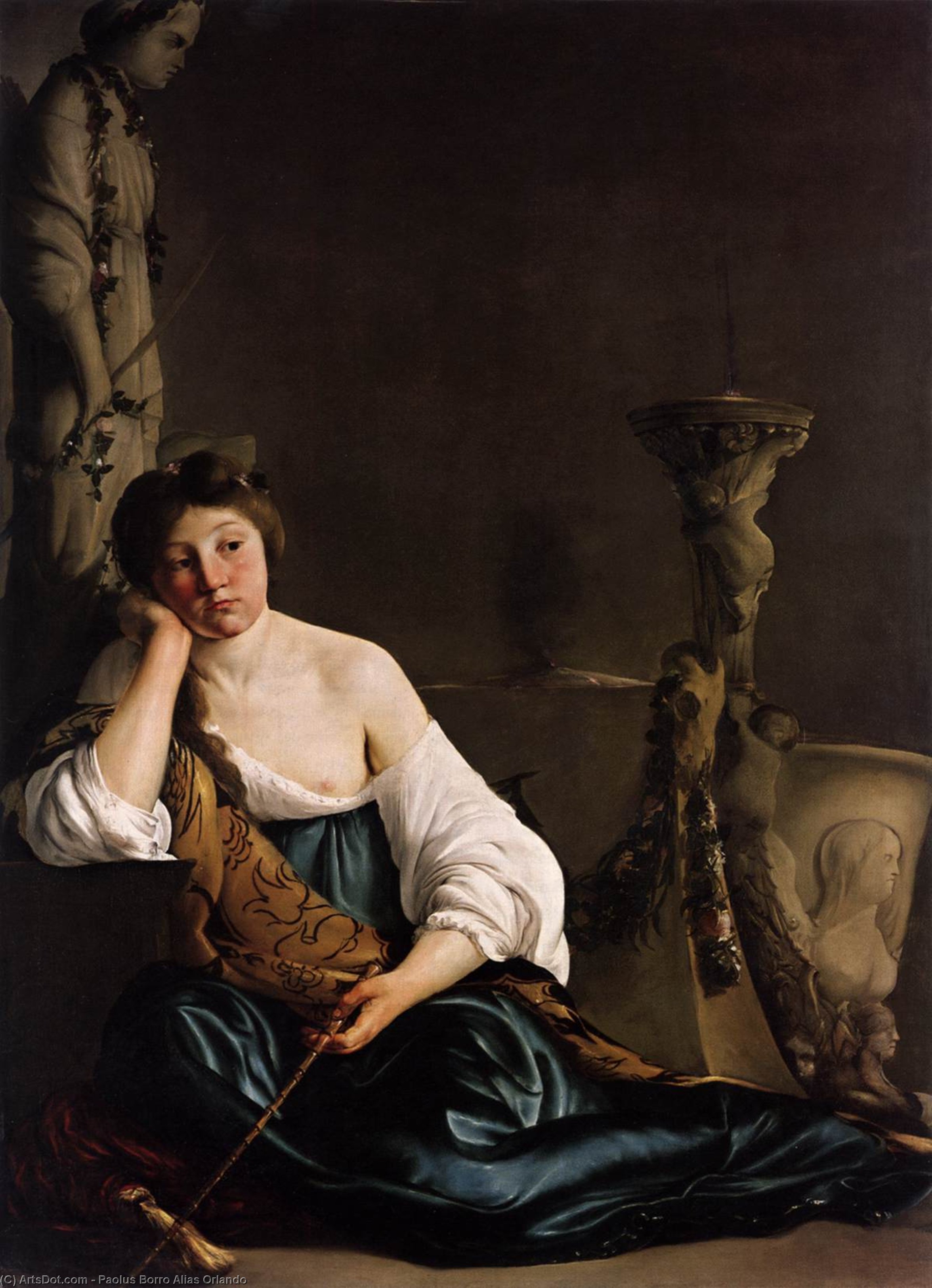
The Disillusioned Medea (''The Enchantress'')
 Oil On Canvas
- WallArt
- Baroque
 1640
1640 156.0 x 112.0 cm
 メトロポリタン美術館
 詳細を見る
詳細を見る
オンラインプレビューをはるかに凌ぐ、高解像度で鮮明なデジタル画像をご購入いただけます。
各ファイルは、社内の専門家が高度なツールと熟練した手作業によるレタッチを用いて、細心の注意を払って準備されています。すべての画像において、卓越した鮮明度、正確な色彩再現性、そして繊細なディテールを保証いたします。
最終ファイルは、プロフェッショナルな編集・印刷環境ですぐにご利用いただけるよう最適化された状態で、72時間以内にメールにてお届けいたします。これは、一流のデザインスタジオ、出版社、ギャラリーから信頼されているものと同等の品質です。
デジタル画像のご注文に付随する特典
高品質なデジタル画像配信を、確かな品質で。
ArtsDot.com を選ぶことは、単に画像を手に入れることではありません。それは、プロの手によって精密に仕上げられ、満足保証が付いた高品質なデジタルアートワークを受け取ることを意味します。ご注文いただいた際に自動的に付随する内容は、以下の通りです:

メールですぐにお届け
ご注文から72時間以内に、高解像度のデジタル画像ファイルがメールでお手元に届きます。すぐにそのままご利用いただけます。

AI技術で最適化されたデジタルファイル
お客様の作品は、高度なAIツールと専門家による手作業の編集を組み合わせてプロフェッショナルに最適化されており、細部のディテール、鮮明さ、そして正確な色再現性を最大限に引き出しています。

一生涯無料の再送サービス
ファイルを誤って削除したり、紛失してしまったりしましたか?ご安心ください。いつでも無料で再送いたします。

輸入手数料は一切かかりません
関税や手数料、配送料を気にすることなく、お気に入りのアートワークをすぐにお楽しみいただけます。デジタルダウンロードは常に免税です。

色彩再現の保証
プロ仕様のツールとカラーマネジメント技術を用いることで、デジタル画像が元の色を最大限に忠実に再現することを保証いたします。

60日間満足保証
ご購入いただいたデジタル画像にご満足いただけない場合は、60日以内であれば、修正または100%の返金(理由を問う必要はありません)をさせていただきます。

100% 返金保証
ご満足いただけない場合は、デジタルファイルを受け取ってから60日以内であれば、理由を問わず全額返金いたします。

まとめ買い割引
3枚購入で10%OFF - 5枚購入で15%OFF - 10枚以上購入で20%OFF。クリエイティブなプロジェクト、ギャラリー、エージェンシーに最適です。
作品の詳細
A Portrait of Wounded Majesty
Paulus Borro Alias Orlando’s “The Disillusioned Medea” (c. 1640) isn't merely a painting; it’s an arresting tableau of sorrow, intellect, and the lingering echoes of betrayal. Housed within the Metropolitan Museum of Art in New York, this oil on canvas offers a profound glimpse into the heart of Baroque artistry – a world where dramatic light, intense emotion, and classical references converge to create a work both visually stunning and psychologically resonant.

Raphaelesque Roots and Baroque Innovation
Orlando’s composition immediately establishes a connection to the High Renaissance, particularly the influence of Raphael. The arrangement mirrors that of “The Holy Family with Saint Elizabeth,” a work celebrated for its balanced symmetry and serene beauty. However, Orlando deftly departs from this idealized model, injecting a palpable sense of unease into the scene. He borrows elements from Giulio Romano’s “Madonna of the Cat” – notably the prominent basket at the lower right – but transforms them through his own masterful technique. This deliberate juxtaposition highlights both the artistic lineage and the artist's innovative approach to naturalism.
The painting is a testament to Orlando’s command of chiaroscuro, a defining characteristic of Baroque art. A single, powerful light source illuminates Medea’s face and upper body, casting deep shadows that engulf the background and emphasize her isolation. This dramatic lighting isn't simply decorative; it serves to heighten the emotional intensity of the scene, drawing our attention to the woman’s suffering.
A Woman in Disarray: Symbolism and Narrative
Medea, the titular figure, is depicted not as a triumphant sorceress but as a woman consumed by grief and disillusionment. Her long hair cascades around her shoulders, framing a face etched with sorrow. She sits on the ground, holding a musical instrument – a symbol of lost artistry and perhaps a reminder of the power she once wielded. The statues flanking her represent the cold, unyielding forces that have shattered her world.
The painting’s historical context is crucial to understanding its deeper meaning. Medea, from Ovid's *Metamorphoses*, embodies betrayal and revenge – a potent narrative for a period marked by political upheaval and social unrest in the Netherlands. Orlando captures not just the story but also the raw emotion at its core: the devastating consequences of broken promises and shattered dreams.
A Window into 17th-Century Rome
Interestingly, “The Disillusioned Medea” once resided in a Roman convent, reflecting the artistic patronage prevalent during that era. Its journey through various collections – from San Silvestro to the Ministry of Public Works – speaks volumes about the shifting cultural landscape of Italy. The painting’s presence within this religious institution underscores its enduring appeal and its ability to resonate across centuries.
Today, reproductions of “The Disillusioned Medea” offer art lovers a chance to experience the power and beauty of Orlando's masterpiece firsthand. Whether displayed in a grand salon or a more intimate setting, this painting continues to captivate with its dramatic intensity and profound emotional depth – a timeless testament to the enduring legacy of Baroque artistry.
関連作品






作家の略歴
Paulus Borro Alias Orlando – A Dutch Baroque Visionary
Paulus Borro, known professionally as Orlando (1601-1669), was a prominent Dutch Baroque painter hailing from Amersfoort, Netherlands. Born into a wealthy Catholic family, his upbringing instilled in him an appreciation for classical learning and artistic excellence—influences that would profoundly shape his oeuvre. While biographical details remain somewhat sparse compared to contemporaries like Rembrandt or Vermeer, Borro’s legacy rests firmly on his captivating depictions of mythological narratives and scenes from daily life, executed with remarkable skill and emotional resonance.- Early Life & Education: Borro's formal artistic training began in Haarlem under Hendrick Jacobsz. Stoffels, a leading figure in the Haarlem Baroque school. This exposure to established artistic traditions undoubtedly contributed to his stylistic development.
- Movements & Influences: Orlando’s work aligns closely with the broader Dutch Baroque aesthetic—characterized by dramatic chiaroscuro lighting, meticulous detail, and an emphasis on conveying psychological depth. He drew inspiration from Caravaggio's tenebrism and classical sculpture, particularly those of Michelangelo, evident in his compositions and anatomical accuracy.
- Notable Works: Borro achieved considerable renown for several iconic paintings, including “The Disillusioned Medea” (circa 1640), a poignant portrayal of the mythological queen’s despair following Jason’s betrayal; “Cydippe with Acontius’s Apple,” showcasing a masterful depiction of classical drama and symbolism; and “Bacchus,” capturing the exuberance and sensual beauty of Dionysiac ritual.
Orlando's Artistic Style & Technique
Orlando’s artistic style is distinguished by its meticulous realism combined with expressive handling of light and shadow—a hallmark of Baroque painting. He employed oil paints on canvas, utilizing layering techniques to build up textures and create a palpable sense of atmosphere. His masterful use of chiaroscuro – the dramatic contrast between light and dark – effectively directs the viewer’s gaze and amplifies the emotional impact of his subjects. Furthermore, Borro demonstrated exceptional anatomical precision, reflecting the influence of humanist scholarship prevalent during his time.- Chiaroscuro Mastery: Like Caravaggio, Orlando skillfully manipulated light to sculpt forms and heighten dramatic tension within his canvases.
- Detailed Observation: His paintings reveal a keen eye for detail—capturing subtle nuances of expression and capturing the textures of drapery and skin with remarkable accuracy.
- Compositional Balance: Borro’s compositions are carefully balanced, guiding the viewer's attention to key elements within each scene.
Orlando’s Legacy & Historical Significance
Paulus Borro alias Orlando cemented his place in art history as a significant contributor to the Dutch Baroque movement—a period marked by artistic innovation and intellectual ferment. His paintings exemplify the genre's fascination with mythological themes and its exploration of human emotion, reflecting the humanist ideals that underpinned European culture during the seventeenth century. “The Disillusioned Medea” and “Cydippe with Acontius’s Apple,” in particular, stand as enduring symbols of classical drama and psychological complexity—works that continue to inspire admiration and scholarly study today. Orlando's contribution to Dutch art is recognized globally, securing his place among the most celebrated Baroque painters.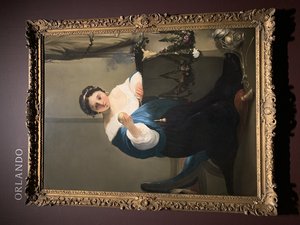
paolus borro alias orlando
1601 - 1669 , Netherlands
プロフィール概要
- Artistic Movement Or Style: Baroque Painting
- Artists Or Movements Influenced By This Artist: ['Dutch Baroque']
- Artists Who Influenced This Artist: ['Peter Paul Rubens']
- Date Of Birth: 1605
- Full Name: Paulus Borro alias Orlando
- Nationality: Dutch
- Notable Artworks:
- The Disillusioned Medea
- Cydippe with Acontius's Apple
- Place Of Birth: Amersfoort, Netherlands

