

 プレビュー
プレビュー
 プリントを購入
 シェアする
シェアする シェアする
シェアする
 詳細を見る
詳細を見る

 ダウンロード
 似ている作品
 X線調査
X線調査 スライドショー
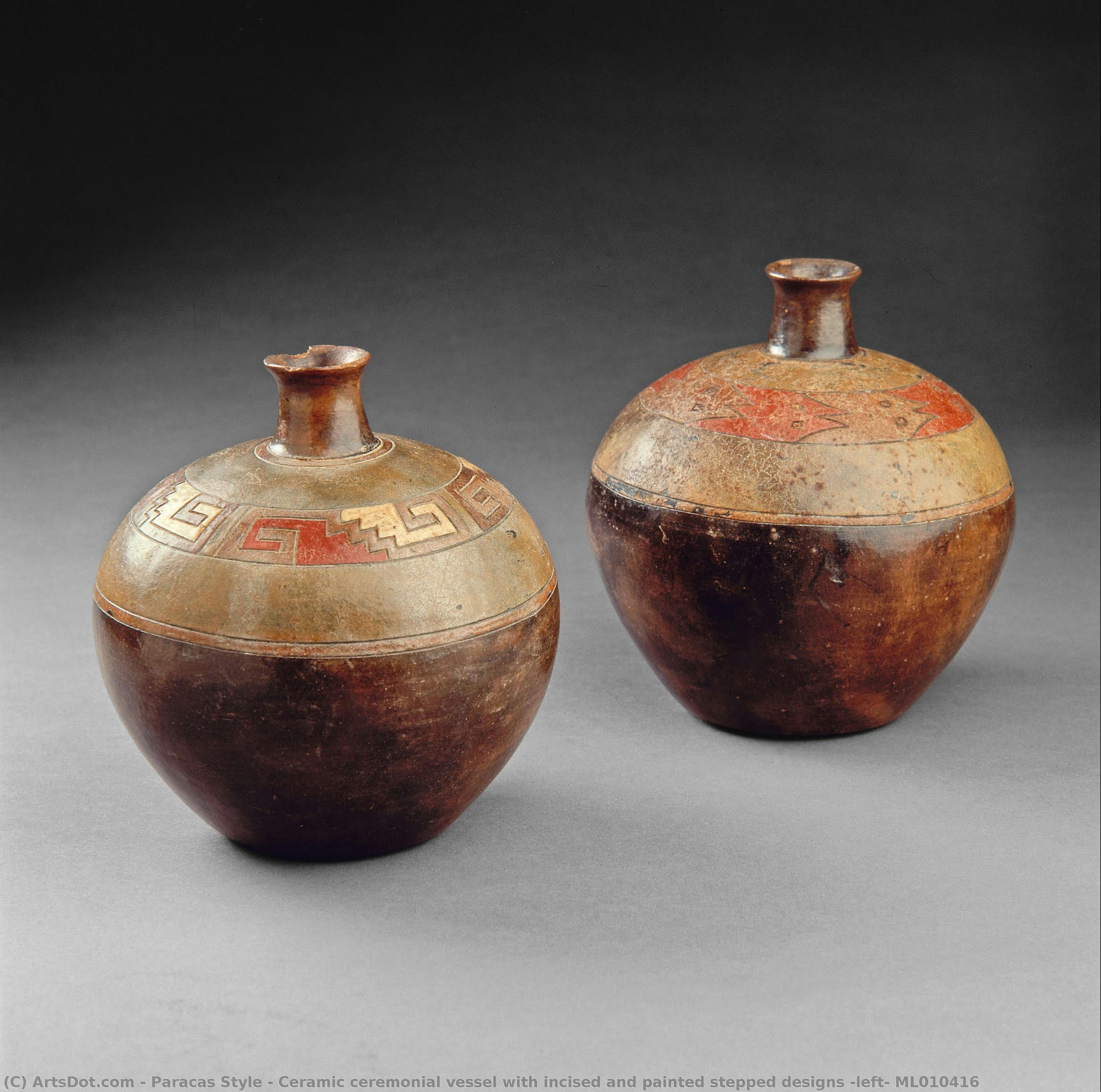
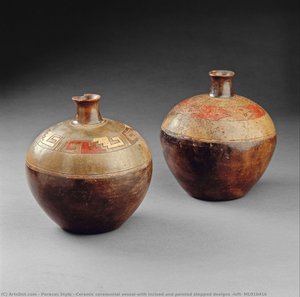
Ceramic ceremonial vessel with incised and painted stepped designs (left) ML010416
 Paracas Style
 1250
1250 16.0 x 15.0 cm
 Museo Larco
 詳細を見る
詳細を見る
オンラインプレビューをはるかに凌ぐ、高解像度で鮮明なデジタル画像をご購入いただけます。
各ファイルは、社内の専門家が高度なツールと熟練した手作業によるレタッチを用いて、細心の注意を払って準備されています。すべての画像において、卓越した鮮明度、正確な色彩再現性、そして繊細なディテールを保証いたします。
最終ファイルは、プロフェッショナルな編集・印刷環境ですぐにご利用いただけるよう最適化された状態で、72時間以内にメールにてお届けいたします。これは、一流のデザインスタジオ、出版社、ギャラリーから信頼されているものと同等の品質です。
デジタル画像のご注文に付随する特典
高品質なデジタル画像配信を、確かな品質で。
ArtsDot.com を選ぶことは、単に画像を手に入れることではありません。それは、プロの手によって精密に仕上げられ、満足保証が付いた高品質なデジタルアートワークを受け取ることを意味します。ご注文いただいた際に自動的に付随する内容は、以下の通りです:

メールですぐにお届け
ご注文から72時間以内に、高解像度のデジタル画像ファイルがメールでお手元に届きます。すぐにそのままご利用いただけます。

AI技術で最適化されたデジタルファイル
お客様の作品は、高度なAIツールと専門家による手作業の編集を組み合わせてプロフェッショナルに最適化されており、細部のディテール、鮮明さ、そして正確な色再現性を最大限に引き出しています。

一生涯無料の再送サービス
ファイルを誤って削除したり、紛失してしまったりしましたか?ご安心ください。いつでも無料で再送いたします。

輸入手数料は一切かかりません
関税や手数料、配送料を気にすることなく、お気に入りのアートワークをすぐにお楽しみいただけます。デジタルダウンロードは常に免税です。

色彩再現の保証
プロ仕様のツールとカラーマネジメント技術を用いることで、デジタル画像が元の色を最大限に忠実に再現することを保証いたします。

100日間満足保証
ご購入いただいたデジタル画像にご満足いただけない場合は、100日以内であれば、理由を問わず修正または100%の返金対応をさせていただきます。

100% 返金保証
ご満足いただけない場合は、デジタルファイルを受け取ってから100日以内であれば、理由を問わず全額返金いたします。

まとめ買い割引
3枚購入で10%OFF - 5枚購入で15%OFF - 10枚以上購入で20%OFF。クリエイティブなプロジェクト、ギャラリー、エージェンシーに最適です。
関連作品
作家の略歴
The Enigmatic World of the Paracas Style
Long before the rise of the Inca, along the arid coast of Peru, flourished a civilization known as the Paracas culture (approximately 800 BCE – 100 BCE). While much remains shrouded in mystery—their name itself derives from the local Quechua term for “sand,” reflecting their association with the desert landscape—the legacy of the Paracas people endures through their breathtaking artistry, particularly their textiles and ceramics. They weren’t a unified empire but rather a collection of communities sharing remarkably consistent artistic traditions, leaving behind a visual language that speaks volumes about their beliefs, rituals, and mastery of craft.
A Culture Defined by Burial Rituals
Our understanding of the Paracas is inextricably linked to their elaborate burial practices. The discovery of numerous necropolises—vast cemeteries containing hundreds of mummified individuals wrapped in layers of exquisitely crafted textiles—provided archaeologists with an unprecedented glimpse into this ancient society. These weren’t simple interments; they were carefully orchestrated events, reflecting a profound reverence for the deceased and a complex cosmology. The Paracas Cavernas, shaft tombs dug into the hillsides, reveal that these burial sites were reused over centuries, suggesting evolving beliefs surrounding ancestor veneration. The sheer quantity of textiles found within these tombs—some containing hundreds of individual pieces—highlights their importance in Paracas life, likely serving not only as shrouds but also as symbols of status and spiritual protection.
The Art of Weaving: Linear and Block Styles
Paracas textiles are renowned for their vibrant colors, intricate designs, and exceptional preservation. The arid climate of the Peruvian coast allowed these delicate works to survive remarkably intact, offering a window into the artistic sensibilities of this ancient culture. Two distinct styles have been identified: the Linear Style and the Block Color Style. The Linear Style, appearing earlier (around 800-300 BCE), is characterized by complex, flowing designs created using fine lines to depict mythical creatures, human figures, and geometric patterns. These images often portray scenes of ritual activity, including shamanic journeys and sacrifices. The later Block Color Style (approximately 300 BCE – 100 CE) features bolder, more simplified forms rendered in large blocks of color. While less detailed than the Linear Style, it is equally striking for its dynamic compositions and symbolic power. Both styles demonstrate an extraordinary level of technical skill, employing complex weaving techniques to create intricate patterns and vibrant hues derived from natural dyes.
Ceramics as a Canvas for Belief
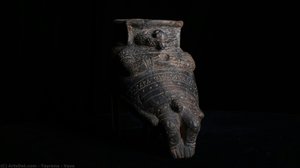
While textiles are arguably their most famous achievement, the Paracas were also skilled ceramicists. Their pottery, often painted after firing with mineral pigments, showcases similar motifs and stylistic elements found in their weavings. Vessels frequently depict anthropomorphic figures—often with feline features—engaged in ritualistic activities or representing deities. The Feline-shaped spout-and-bridge bottle, for example, exemplifies the Paracas artists’ ingenuity and ability to imbue everyday objects with symbolic meaning. These ceramics weren't merely functional; they were likely used in ceremonies and offerings, serving as vessels for communicating with the spirit world. The use of vibrant colors—a departure from the darker hues prevalent in other Andean cultures of the time—further emphasizes their unique artistic vision.
Legacy and Historical Significance
The Paracas culture eventually gave way to the Nazca civilization, but their artistic influence continued to resonate throughout the region. The motifs and techniques developed by the Paracas were adopted and adapted by subsequent cultures, shaping the aesthetic landscape of ancient Peru. Their mastery of textile art—a skill that required immense knowledge of materials, dyes, and weaving techniques—stands as a testament to their ingenuity and cultural sophistication. Today, Paracas textiles are celebrated as masterpieces of pre-Columbian art, offering invaluable insights into the beliefs, rituals, and artistic traditions of a civilization lost to time. The Paracas Candelabra, a massive geoglyph etched into the desert landscape, serves as a lasting symbol of their presence—a silent guardian overlooking the sands that hold the secrets of this enigmatic culture.
プロフィール概要
- Artistic Movement Or Style: Ancient Peruvian textiles
- Full Name: Paracas Style
- Nationality: Peru
- Notable Artworks:
- Feline-shaped spout bottle
- Candelabra of the Andes
- Ceremonial vessel with designs