 プレビュー
プレビュー
 プリントを購入
 シェアする
シェアする シェアする
シェアする
 詳細を見る
詳細を見る

 ダウンロード
 似ている作品
 X線調査
X線調査 スライドショー
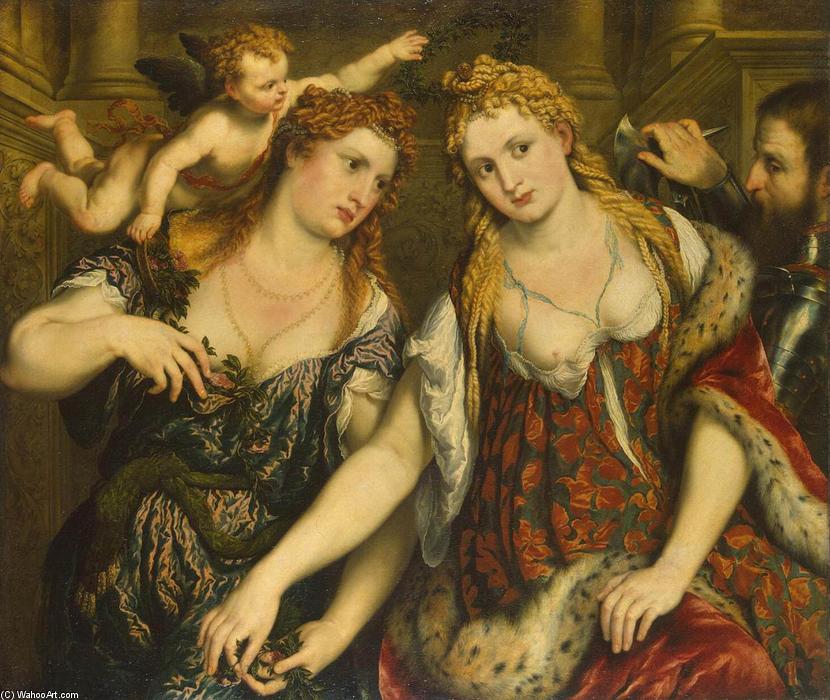
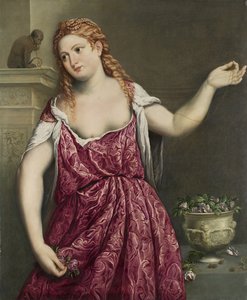
Allegory (Venus, Flora, Mars and Cupid)
 Oil On Canvas
- WallArt
- Baroque
 1558
1558 110.0 x 131.0 cm
 エルミタージュ美術館
 詳細を見る
詳細を見る




P118B $10

P118H $10

P118W $10

P438Z $10

P508JH $12

P508YH $12

P805H $10

P805Z $10

P919BZ $10

P919G $10

P919XJ $10

P959ZH $10

P968JZ $12

W106C $8

W218G $10

W218JH $8

W218Y $10

W307PJ $10

W316G $10

W316PJ $8

W316Y $10

W398PJ $8

W4111J $10

W500HY $15

W500JH $15

W692G $12

W849H $8

W940BG $15

W953PJ $8




作品のオリジナル比率に合わせた、当店の規定サイズからお選びください。

特定のフレームやスペースに合わせて、ご希望のサイズをご入力いただけます。選択されたサイズが元の画像の比率と異なる場合、アートワークをトリミングするか、手描きで要素を追加して絵画を拡張いたします。デジタルモックアップ を制作し、制作開始前にご確認(承認)をいただきます。
画面上のプレビューは、実際のトリミングや拡張を正確に反映しているものではありません。最終的な構図は、モックアップによってのみ正確にご確認いただけます。
カスタムサイズもご利用いただけますが、元の比率を維持するためには、あらかじめ用意されたリストからサイズを選択することをお勧めいたします。
ご注文後、ArtsDot.com チームより詳細な指示をお送りするとともに、仕上がりイメージ(モックアップ)をご提供いたします。


 ガラスオプションは、110cm未満のサイズでのみご利用いただけます。

Allegory (Venus, Flora, Mars and Cupid)
複製技法
複製画のサイズ
-


合計金額
$ 313
作品解説
A Venetian Masterpiece: Unveiling the Layers of "Allegory (Venus, Flora, Mars and Cupid)"
Paris Bordone’s 1558 painting, “Allegory (Venus, Flora, Mars and Cupid),” is not merely a depiction of mythological figures; it's a meticulously crafted exploration of desire, power, and the fleeting nature of time – a quintessential example of Venetian Mannerism at its most captivating. Housed within the National Gallery in London, this opulent canvas immediately draws the eye with its rich palette, dynamic composition, and an almost palpable sense of theatrical drama. Bordone, a painter who stubbornly maintained his own distinct artistic voice despite his apprenticeship under the towering figure of Titian, masterfully blends intricate detail with a distinctly provincial vitality, creating a work that continues to intrigue scholars and collectors alike.
The painting’s core subject – Venus, Flora (goddess of spring), Mars (god of war), and Cupid – is presented within an opulent interior setting. However, Bordone doesn't offer a straightforward narrative; instead, he constructs a complex allegory, inviting the viewer to decipher layers of meaning. The figures are arranged in a ‘figura serpentinata,’ a characteristic Mannerist pose that emphasizes serpentine curves and creates a sense of movement and tension. Venus, radiant and alluring, kisses Cupid, while Flora prepares to shower them with rose petals – symbols of beauty and fertility. Mars, depicted as a slumbering god, is clearly conquered by the combined forces of love and desire.
Decoding the Symbols: Time, Folly, and the Shadows of Desire
Beyond the central figures, Bordone introduces several enigmatic characters that add to the painting’s complexity. The most striking is undoubtedly Time, represented as a bald, bearded figure holding an hourglass. His sweeping gesture suggests a relentless march forward, a warning against indulgence and the inevitable decay of beauty and power. Opposite him stands Oblivion, a ghostly figure with mask-like features, embodying the loss of memory and the ultimate fate of all things. A figure rending its hair represents Jealousy, consumed by passion and despair. The inclusion of Folly, depicted as a putto scattering rose petals, underscores the painting’s central theme: the precariousness of love and the potential for it to lead to ruin.
The use of color is particularly noteworthy. Bordone employs a rich, warm palette dominated by reds, golds, and deep blues – colors associated with luxury, passion, and divine power. He masterfully utilizes impasto techniques, applying thick layers of paint to create a tactile surface that invites close examination. The brushstrokes are visible, adding to the painting’s sense of dynamism and movement. The lighting is dramatic, creating strong contrasts between light and shadow – a hallmark of Baroque art – which highlights key features of the figures and adds depth to the scene.
A Masterclass in Mannerist Technique
Bordone's skill as a painter lies not only in his ability to capture the beauty and drama of his subject matter but also in his mastery of technique. The flattened perspective, characteristic of Mannerism, emphasizes the figures themselves rather than creating a realistic illusion of space. The meticulous detail evident in the rendering of fabrics, jewelry, and facial expressions demonstrates Bordone’s exceptional draftsmanship. He expertly blends realism with stylized forms, creating a visually arresting composition that is both elegant and unsettling.
“Allegory (Venus, Flora, Mars and Cupid)” stands as a testament to Paris Bordone's artistic vision – a complex and captivating work that continues to resonate with viewers centuries after its creation. It’s a painting that rewards careful observation and invites endless interpretation, solidifying its place as a cornerstone of Venetian Renaissance art.
関連作品




アーティストの略歴
ヴェネツィアの異端児:パリ・ボルドーの生涯と遺産
16世紀、陽光が降り注ぐ活気あふれるヴェネツィア・ルネサンスの風景において、パリ・ボルドーほど強烈な独立心を備えた画家は稀といえるでしょう。1500年頃にトレヴィーゾで生まれたボルドーは、偉大な巨匠たちの影から抜け出し、古典的な優雅さと、落ち着きのないマニエリスム特有のエネルギーとの間に生まれる、独特な緊張感によってその名を確立しました。同時代の画家たちが盛期ルネサンスの洗練された完成度を追い求めた一方で、ボルドーはより複雑で、時に挑発的な美学を追求しました。彼は、当時の記念碑的なスケール感に、地方特有の生命力を融合させたのです。その歩みは、ヴェネツィアの確立された伝統と、自らの独自の視覚言語を築き上げようとする不屈の意志との間での、絶え間ない葛藤の歴史でもありました。
ボルドーの卓越した技術の礎は、ヴェネツィアでの形成期、とりわけ伝説的な巨匠ティツィアーノの下での修行を通じて築かれました。この時期は間違いなく彼の才能を鍛え上げる試練の場であり、ヴェネチュア派を定義づける豊かな質感、劇的な光の演出、そして大気を感じさせる奥行きを彼に授けました。しかし、師弟関係は創造的な摩擦に満ちていたことでも知られています。ヴァザーリを含む歴史的な記録によれば、ボルドーの実験的な衝動と、ティツィアーノの洗練された美学との間には、ある種の不協和音が存在していました。しかし、ボルドーはこの緊張感に屈するのではなく、むしろそれを成長の触媒へと変えたのです。彼は単なる模倣から脱却し、より複雑で、時に躍動感あふれる構図へと向かう独自のスタイルを確立していきました。
神話、信仰、そして肖像画が織りなすタペストリー
ボルドーの多作なキャリアは、聖なるものから俗なるものまで、驚くほど幅広い主題によって特徴づけられます。宗教的な図像を、神話の物語と同じ熱量で描き出すその手腕により、彼はヴェネツィアのエリート層の多様な関心事を見事に捉えました。エルミタージュ美術館に収蔵されている聖霊降臨などの宗教画においては、スフマート技法の巧みな駆使と、深い精神的瞑想へと誘う温かく情緒的な色調を観察することができます。しかし、こうした信心深い主題の中にあっても、渦巻く衣の襞や、混み合ったダイナミックな配置を通じて、マニエリスム特有の複雑さがしばしば立ち現れます。
視線を世俗的な主題へと移すと、ボルドーは現代の鑑賞者をも魅了し続ける劇的な物語性を描き出しています。彼の神話画、例えば恋人たちのアレゴリーなどは、鮮やかな色彩と象徴的な深みを用いて、情熱と運命が織りなす複雑な物語を紡ぎ出す才能を示しています。この卓越した技量は肖像画の領域にも及び、被写体の尊厳や社会的地位を驚くべき精度で捉えました。その顕著な例が、現在はルーヴル美術館に所蔵されている1540年のトマス・スタッヘル肖像です。ここでは、画家は複雑な構図を用いることで人物のステータスを際立たせ、衣服の細部や紋章的な意匠を駆使することで、主題を確かな歴史的現実の中に定着させています。
歴史的意義と芸術的生命力
パリ・ボルドーの不朽の価値は、彼が既存の枠組みに屈することを拒んだ点にあります。彼は、初期ルネサンスの調和のとれた均衡と、マニエリスム期の様式化された表現豊かな複雑さを結ぶ、極めて重要な架け橋として存在しています。彼はティツィアーノのような普遍的な頂点には達していなかったかもしれませんが、その作品は、ヴェネツィアの世界に対して、より質感豊かで実験的、かつ人間味あふれる視点という、不可欠な対照軸を提示しています。彼の絵画は、伝統の安定が、新しく、より落ち着きのない芸術的意識によって挑戦を受けていた、深い変革期の窓としての役割を果たしているのです。
今日、ボルドーの遺産は世界有数の権威ある美術館に守られ、学者や芸術愛好家たちに彼の独自のビジョンを再発見する機会を与えています。彼の芸術的貢献は、以下の主要な柱に集約することができるでしょう。
- 様式的な革新:ティツィアーノに触発された壮大さと、より複雑なマニエリスム的構図構造の融合。
- 主題の多様性:眠れる子を抱く聖母の静謐な美しさと、歴史的なアレゴリーが持つ劇的な強烈さの間を、淀みなく行き来する比類なき能力。
- 技術的習熟:光、色彩、そして質感を洗練された手法で操り、キャンバスに確かな生命感と動きをもたらしたこと。
- 文化的影響:西洋美術史において最も変革的な時代の一つであった、トレヴィーゾとヴェネツィアの活気に満ち、時に激動した精神を体現していること。
パリ・ボルドーネ
1500 - 1570 , イタリア
基本情報
- Artistic Movement Or Style: マニエリスム
- Artists Who Influenced This Artist: ティツィアーノ
- Date Of Birth: 1500年7月5日
- Date Of Death: 1571年1月19日
- Full Name: パリ・ボルドーネ
- Nationality: イタリア
- Notable Artworks:
- 漁師の指輪
- 聖霊降臨
- ジュピターとイオ
- キリストの洗礼
- Place Of Birth: イタリア、トレヴィゾ
関連記事

The Enduring Power of Painting: A Historical & Contemporary Exploration of Form and Emotion
Explore the rich history & enduring techniques of oil painting with ArtsDot. Discover masterpieces, learn about art collecting, and find authentic handmade reproductions crafted by skilled artists.

バロックのドラマ:現代のインテリアに壮麗さと情感を取り込む
バロック様式の歴史、絵画、家具の魅力をご紹介。ArtsDotでは、高品質な油絵複製やカスタムポートレートをご提供し、現代のインテリアに壮麗さと情感を取り入れます。アートコンサルテーションも承ります。

The Dramatic Flourish: Exploring the Baroque Movement's Enduring Legacy in Art History
Explore the dramatic world of Baroque art! Discover iconic artists like Caravaggio & Rubens, defining techniques, and its lasting impact on art history. Expert insights for collectors & enthusiasts at ArtsDot.

The Enduring Legacy of Oil on Canvas: Technique, History & Aesthetic Impact
Explore the rich history & techniques of oil painting – from Renaissance masters to Impressionism. Discover pigments, layering methods, and why this timeless medium endures. Expert insights for artists & art enthusiasts.

Oil on Canvas: A Historical & Technical Exploration of a Timeless Artistic Medium
Explore the rich history & enduring techniques of oil painting on canvas. Discover the science behind its longevity, conservation practices, and contemporary relevance. Expert insights for art enthusiasts.