 プレビュー
プレビュー
 プリントを購入
 シェアする
シェアする シェアする
シェアする
 詳細を見る
詳細を見る

 ダウンロード
 似ている作品
 X線調査
X線調査 スライドショー
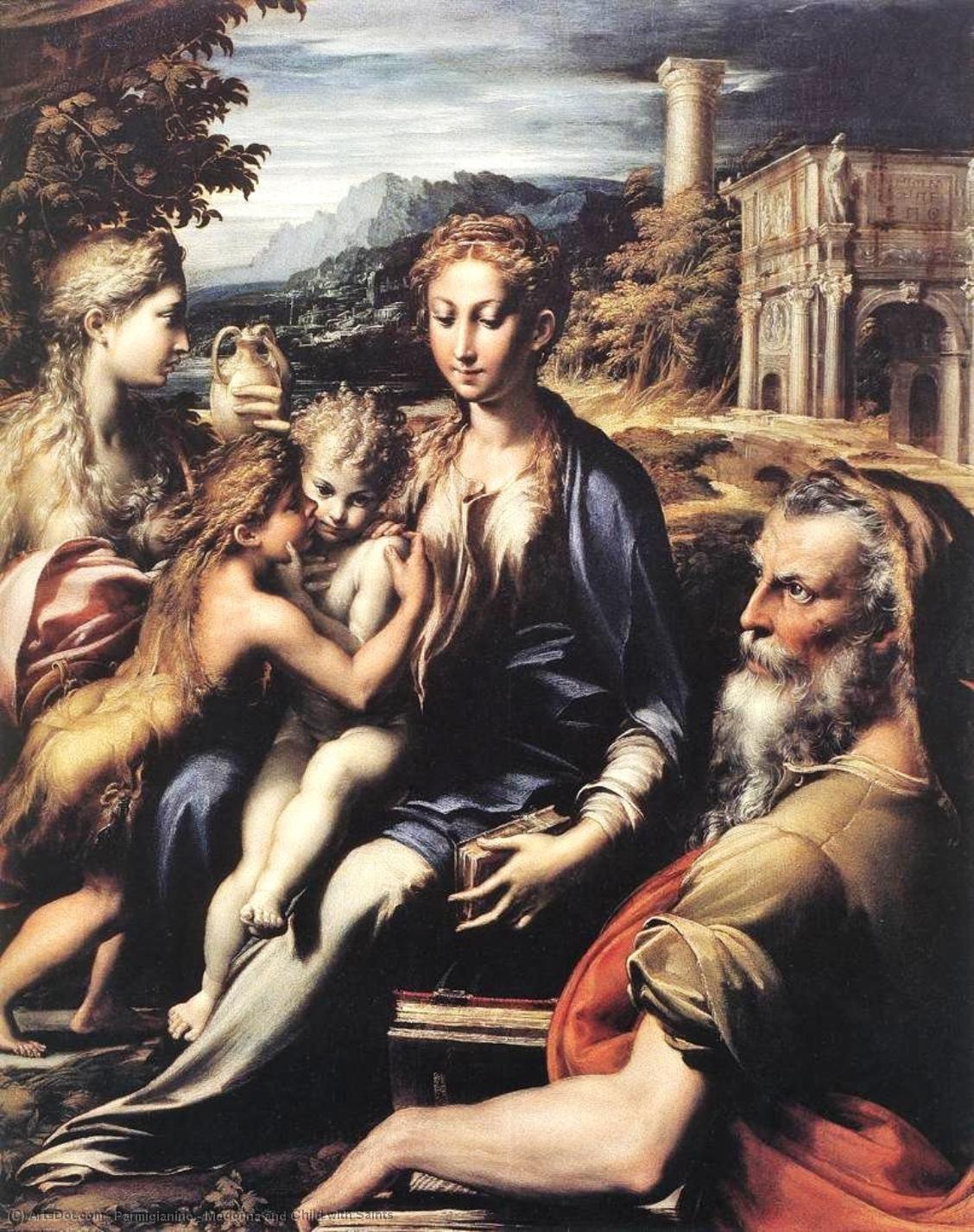
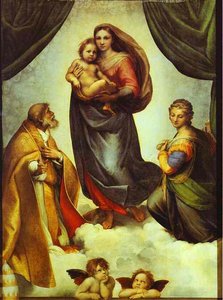
Madonna and Child with Saints
 Oil On Canvas
- WallArt
- High Renaissance
 1530
1530 75.0 x 60.0 cm
 ウフィツィ美術館
 詳細を見る
詳細を見る




P118B $10

P118H $10

P118W $10

P438Z $10

P508JH $12

P508YH $12

P805H $10

P805Z $10

P919BZ $10

P919G $10

P919XJ $10

P959ZH $10

P968JZ $12

W106C $8

W218G $10

W218JH $8

W218Y $10

W307PJ $10

W316G $10

W316PJ $8

W316Y $10

W398PJ $8

W4111J $10

W500HY $15

W500JH $15

W692G $12

W849H $8

W940BG $15

W953PJ $8




作品のオリジナル比率に合わせた、当店の規定サイズからお選びください。

特定のフレームやスペースに合わせて、ご希望のサイズをご入力いただけます。選択されたサイズが元の画像の比率と異なる場合、アートワークをトリミングするか、手描きで要素を追加して絵画を拡張いたします。デジタルモックアップ を制作し、制作開始前にご確認(承認)をいただきます。
画面上のプレビューは、実際のトリミングや拡張を正確に反映しているものではありません。最終的な構図は、モックアップによってのみ正確にご確認いただけます。
カスタムサイズもご利用いただけますが、元の比率を維持するためには、あらかじめ用意されたリストからサイズを選択することをお勧めいたします。
ご注文後、ArtsDot.com チームより詳細な指示をお送りするとともに、仕上がりイメージ(モックアップ)をご提供いたします。


 ガラスオプションは、110cm未満のサイズでのみご利用いただけます。

Madonna and Child with Saints
複製技法
複製画のサイズ
-


合計金額
$ 338
作品解説
A Symphony of Serenity: Parmigianino’s Madonna and Child with Saints
Girolamo Francesco Maria Mazzola, known to posterity as Parmigianino – “the little one from Parma” – stands as a singular beacon within the High Renaissance, yet swiftly cemented his place as a pivotal architect of Mannerism. Born in Parma on January 11, 1503, his formative years were shadowed by profound familial sorrow; Filippo Mazzola, his father, succumbed to illness just two short years later, leaving Girolamo under the guardianship of his uncles, Michele and Pier Ilario – artists themselves who possessed a modest skill. This familial crucible served as an invaluable incubator for an extraordinary talent that would soon transcend even their influence, propelling him toward artistic heights previously unimagined. By the astonishing age of eighteen, he had already achieved mastery with the Bardi Altarpiece, a work demonstrating not merely technical proficiency but a maturity and sophistication surpassing his peers – a testament to the burgeoning genius within.The Essence of Mannerist Elegance: Composition and Style
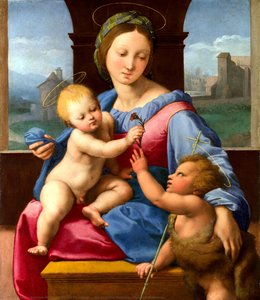
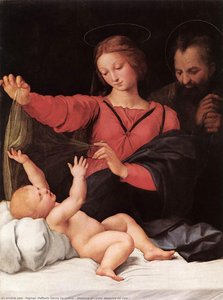
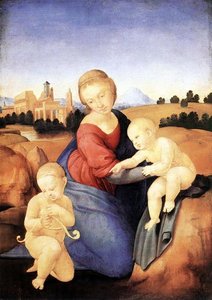
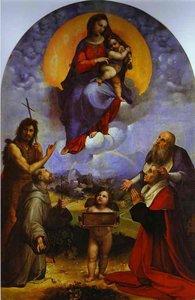
Parmigianino’s artistic vision embraced the stylistic currents swirling around Florence and Rome during this transitional period, rejecting the idealized harmony championed by Raphael and Michelangelo in favor of a deliberate distortion of proportion and perspective. This characteristic Mannerist aesthetic is powerfully evident in “Madonna and Child with Saints” (1530), where Parmigianino abandons conventional pyramidal structures for a subtly asymmetrical arrangement that prioritizes visual drama over strict geometric precision. The elongated figures—particularly Mary’s torso—are rendered with exquisite grace, conveying an unsettling beauty that challenges the viewer's expectations of Renaissance idealism. Lines are fluid and curving, creating a sense of movement and dynamism within the stillness of the scene. This deliberate manipulation of form reflects a broader preoccupation with psychological nuance and emotional intensity – hallmarks of Mannerist art’s quest to explore the complexities of human experience beyond mere representation.Technical Virtuosity: Impasto and Sfumato—A Dance of Light
The execution of “Madonna and Child” exemplifies Parmigianino's unparalleled technical prowess. He employed a masterful technique known as impasto – applying thick layers of oil paint onto the canvas – to imbue the drapery and flesh tones with remarkable textural richness. These textured surfaces capture the subtle nuances of light and shadow, enhancing the painting’s visual depth and creating an illusionistic effect that draws the eye into the scene. Furthermore, Parmigianino skillfully utilized sfumato—a technique pioneered by Leonardo da Vinci—to soften contours and blend tonal transitions seamlessly. This subtle blurring creates a luminous atmosphere, bathing the central figures in a warm glow while simultaneously concealing underlying anatomical details – a masterful demonstration of artistic subtlety and illusionism. The meticulous brushwork speaks volumes about Parmigianino’s dedication to capturing not just what he saw but how he felt.Symbolic Resonance: Faith, Beauty, and Artistic Innovation
Beyond its aesthetic brilliance, “Madonna and Child” resonates with profound symbolic significance rooted in Christian iconography. Mary’s serene gaze embodies maternal piety and spiritual contemplation—a central theme within Renaissance devotional art. Jesus’s youthful appearance underscores his divine innocence and purity, aligning with prevailing theological interpretations of Christ's incarnation. The presence of Saint John the Baptist—represented as a child—symbolizes humility and foreshadows Jesus’s prophetic role. Joseph’s dignified posture reinforces patriarchal authority while conveying unwavering devotion to God’s will. Parmigianino’s audacious stylistic choices – the elongated figures, distorted perspective – were not merely decorative gestures but deliberate provocations intended to engage viewers intellectually and emotionally. He pushed the boundaries of artistic convention, establishing himself as a pioneer of Mannerist innovation and securing his legacy as one of the most influential artists of his time.A Timeless Reflection: Emotional Impact and Artistic Inspiration
“Madonna and Child with Saints” continues to captivate audiences centuries after its creation—a testament to Parmigianino’s enduring artistic vision. Its ethereal beauty, combined with its masterful technique and layered symbolism, inspires contemplation on themes of faith, familial love, and the sublime. Reproductions of this iconic masterpiece offer collectors and interior designers alike an opportunity to experience firsthand the profound emotional impact of Renaissance art – a celebration of grace, elegance, and artistic genius that transcends temporal boundaries.
アーティストの略歴
洗練された感性:パルミジャニーノの生涯と芸術
ジョロラモ・フランチェスコ・マリア・マッツォーラ、通称パルミジャニーノ—「パルマの小さな者」—は、盛期ルネサンスに現れながらも、勃興しつつあったマニエリスム様式を決定づけた重要な人物となりました。1503年1月11日にパルマで生まれ、幼少期は父親フィリッポ・マッツォーラの死という悲劇に見舞われました。叔父ミケーレとピエール・イラリオに育てられ、彼らもさほど優れた芸術家ではありませんでしたが、若いパルミジャニーノは家族の中で最初の芸術的訓練を受けました。しかし、その基盤は、すぐに彼の才能を凌駕するであろう特別な才能のための単なる踏み台に過ぎませんでした。驚くべきことに18歳にして、彼はバルディ祭壇画を完成させ、その作品は年相応以上の成熟度と洗練された様式を示し、真に傑出した芸術家の到来を告げました。フィレンツェ、ローマそしてマニエリスム的ビジョンの形成
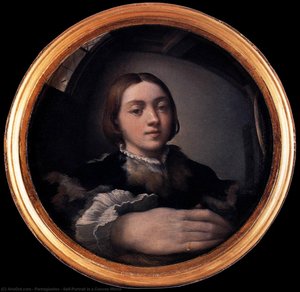
パルミジャニーノの芸術的な旅は1524年頃にフィレンツェへと向かいました。そこで彼はラファエロやレオナルド・ダ・ヴィンチといった巨匠の影響を受けましたが、すぐに独自の道を歩み始めました。教皇クレメンス7世に3枚の絵画を献上し、その中には凸面鏡に描かれた印象的な自画像が含まれていました—それは彼の技術力と芽生え始めた自己認識の証でした。この行為はローマでの依頼を得ることに成功しましたが、1527年の略奪によって都市の芸術的状況はすぐに混乱しました。逃げざるを得なくなったパルミジャニーノはボローニャに避難し、そこで彼の最も有名な作品の一つである聖家族を描きました。この時期に、彼の独特な様式が真に結晶化しました—細長いフォルム、優雅なポーズ、洗練された官能性が彼の芸術のトレードマークとなりました。彼は単に現実を表現しているのではなく、優雅さと理想的な美しさというレンズを通してそれを再構築していたのです。この盛期ルネサンスにおける自然主義への重点からの逸脱は、彼を人工性、洗練さ、古典的フォルムの意図的な歪みによって特徴づけられる芸術運動であるマニエリスムの重要な革新者として位置づけました。細長いフォルムと優雅さの傑作
パルミジャニーノの遺産は、比較的少ないながらも非常に影響力のある作品群の上に築かれています。首の長い聖母(1534)は、おそらく彼の最も象徴的な作品です。その落ち着きがなく魅惑的な構成は、細長い首と手足を持つ人物を特徴とし、従来の美しさや比率に対する概念に挑戦しています。この意図的な歪みは単なる様式的なものではなく、精神的な憧れと世俗離れした優雅さを伝えています。同様に、ローマ滞在中に完成された聖ヒエロニモスの幻視(1527)は、彼の解剖学と遠近法の習熟度を示しつつも、マニエリスムの劇的な構成と感情的な強度を受け入れています。これらの有名な絵画に加えて、パルミジャニーノの素描は並外れた技術力と感受性を示しています。人物、ドレープ、建築要素の研究は、細部への細心の注意とフォルムに対する深い理解を明らかにしています。彼のあまり知られていない作品でさえ、例えば弓を引くアモールなどは、彼の作品を定義する同じ洗練された感性と技術的な巧みさを示しています。中断された遺産:パルミジャニーノの晩年
悲劇的に、パルミジャニーノの有望なキャリアは1540年にカサルマッジョーレで37歳という若さで突然終わりを迎えました。彼の死の状況は依然として不明確です—ある説では熱病に倒れたとされていますが、別の説では転倒による合併症を示唆しています。短い生涯にもかかわらず、パルミジャニーノはイタリア・ルネサンス芸術に消えない足跡を残しました。彼はマニエリスムの最も重要な代表者の一人として名を馳せ、彼の優雅な様式とフォルムと構成に対する革新的なアプローチで何世代もの芸術家に影響を与えました。彼の作品は今日でも観客を魅了し続けており、美が単に観察されるのではなく積極的に創造される世界への一瞥を提供しています—それは芸術的ビジョンの永続的な力の証です。パルマとフォンタネラートに残された未完のフレスコ画は、何ができたのかを痛切に思い出させますが、それでも彼の不完全な状態でも、その輝きは時を超えて響き渡る巨匠の才能を示しています。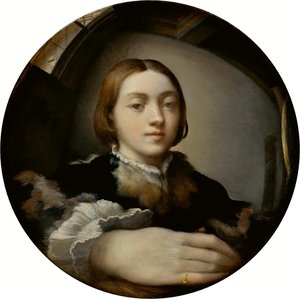
パルミジャニーノ
1503 - 1540 , イタリア
基本情報
- Artistic Movement Or Style: マニエリスム様式
- Artists Or Movements Influenced By This Artist: ['イタリア・ルネサンス']
- Artists Who Influenced This Artist:
- コレッジョ
- ラファエロ
- Date Of Birth: 1503年1月11日
- Date Of Death: 1540年
- Full Name: ジロラモ・フランチェスコ・マッツォーラ
- Nationality: イタリア人
- Notable Artworks (List Of Titles):
- 首の長い聖母
- 聖ヒエロニムスの幻視
- 凸面鏡像
- Place Of Birth (City And Country): イタリア、パルマ
関連記事
ラファエロ傑作25選:ルネサンス巨匠の物語と芸術の世界 | ArtsDot
ラファエロの傑作25選🎨 ルネサンス巨匠の物語と芸術の世界を紐解きます。美しい絵画複製や壁掛けアートで、お部屋に名画の彩りを。ArtsDot.comで、美術史に残る作品群をご覧ください✨
至高のルネサンス:巨匠が彩った10大傑作の世界
高ルネサンス美術の至宝10選。レオナルド・ダ・ヴィンチ、ミケランジェロ…巨匠たちの傑作を紐解き、時代を超えた美と感動に触れる旅へ。ArtsDot.comで、あなただけの空間を芸術で彩りませんか?
サンクトペテルブルク・エルミタージュ美術館:至宝25選 - 歴史と芸術の輝きをあなたの空間に
サンクトペテルブルク・エルミタージュ美術館の至宝25選。レムブランド、ダ・ヴィンチの名作を紐解き、歴史と芸術の輝きをご堪能ください。ArtsDot.comで高品質な複製画やインテリアアートを見つけ、空間に感動を。今すぐコレクションをご覧ください。
The High Renaissance: A Flourishing of Artistic Innovation & Humanist Ideals
Explore the High Renaissance's artistic brilliance! Discover Da Vinci, Michelangelo & Raphael’s masterpieces, humanist ideals, and groundbreaking techniques. Learn about patronage & its lasting impact on art history.
ウフィツィ美術館の至宝25選:ルネサンス巨匠たちの傑作とアートデコレーション
ウフィツィ美術館の至宝25選:ボッティチェリ、レオナルド・ダ・ヴィンチ…ルネサンス巨匠たちの傑作と感動的な物語を紐解きます。高品質な絵画複製やアートプリントで、お部屋に名画の輝きを。ArtsDot.comで芸術の世界へ。