

 プリントを購入
 シェアする
シェアする シェアする
シェアする
 詳細を見る
詳細を見る

 ダウンロード
 似ている作品
 スライドショー
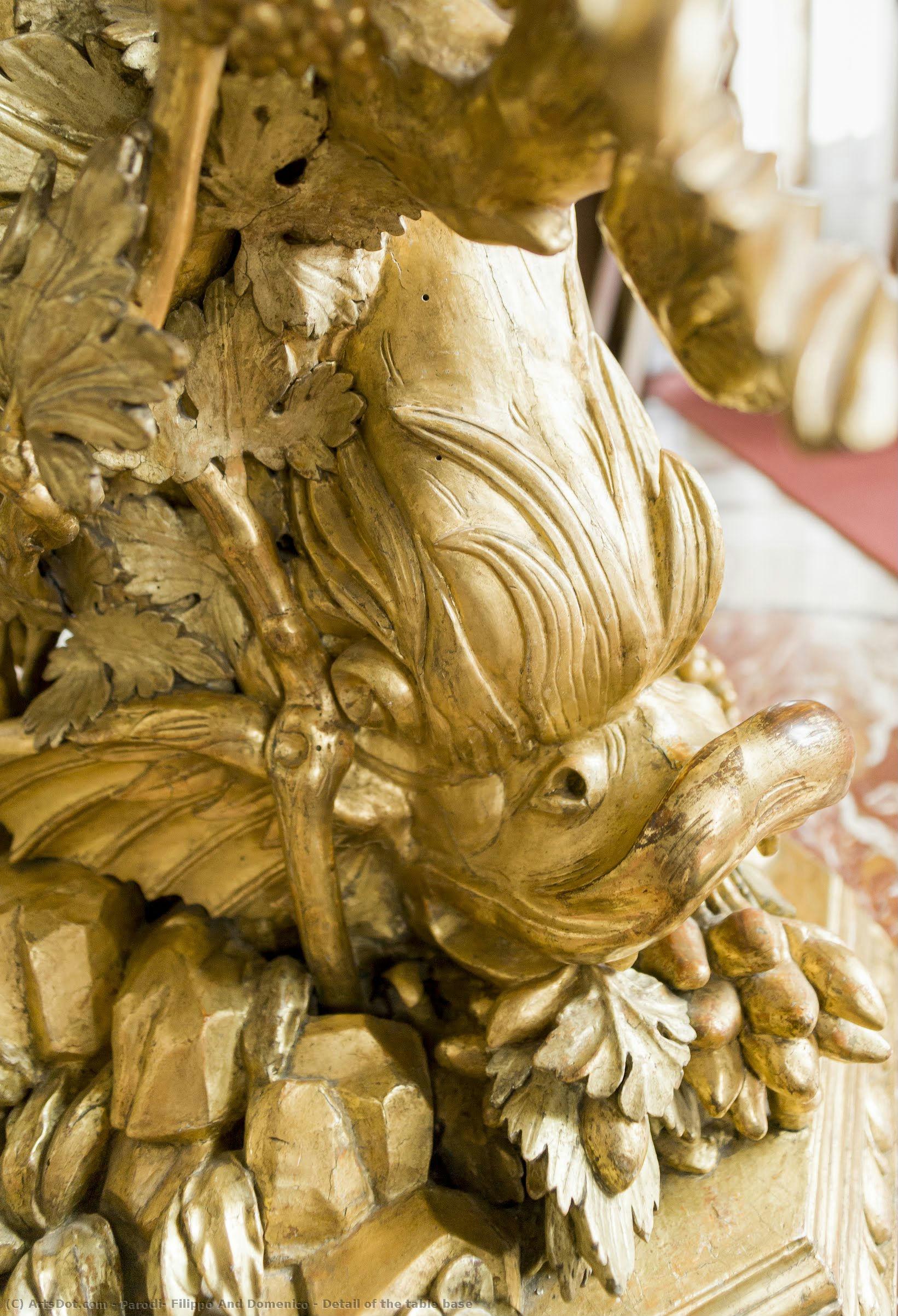
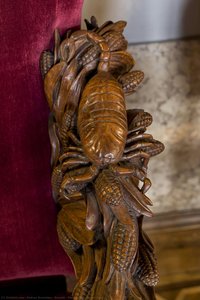
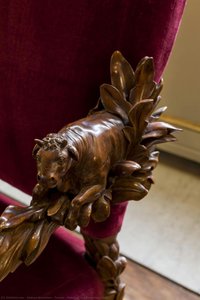
Detail of the table base


 詳細を見る
詳細を見る
オンラインプレビューをはるかに凌ぐ、高解像度で鮮明なデジタル画像をご購入いただけます。
各ファイルは、社内の専門家が高度なツールと熟練した手作業によるレタッチを用いて、細心の注意を払って準備されています。すべての画像において、卓越した鮮明度、正確な色彩再現性、そして繊細なディテールを保証いたします。
最終ファイルは、プロフェッショナルな編集・印刷環境ですぐにご利用いただけるよう最適化された状態で、72時間以内にメールにてお届けいたします。これは、一流のデザインスタジオ、出版社、ギャラリーから信頼されているものと同等の品質です。
デジタル画像のご注文に付随する特典
高品質なデジタル画像配信を、確かな品質で。
ArtsDot.com を選ぶことは、単に画像を手に入れることではありません。それは、プロの手によって精密に仕上げられ、満足保証が付いた高品質なデジタルアートワークを受け取ることを意味します。ご注文いただいた際に自動的に付随する内容は、以下の通りです:

メールですぐにお届け
ご注文から72時間以内に、高解像度のデジタル画像ファイルがメールでお手元に届きます。すぐにそのままご利用いただけます。

AI技術で最適化されたデジタルファイル
お客様の作品は、高度なAIツールと専門家による手作業の編集を組み合わせてプロフェッショナルに最適化されており、細部のディテール、鮮明さ、そして正確な色再現性を最大限に引き出しています。

一生涯無料の再送サービス
ファイルを誤って削除したり、紛失してしまったりしましたか?ご安心ください。いつでも無料で再送いたします。

輸入手数料は一切かかりません
関税や手数料、配送料を気にすることなく、お気に入りのアートワークをすぐにお楽しみいただけます。デジタルダウンロードは常に免税です。

色彩再現の保証
プロ仕様のツールとカラーマネジメント技術を用いることで、デジタル画像が元の色を最大限に忠実に再現することを保証いたします。

60日間満足保証
ご購入いただいたデジタル画像にご満足いただけない場合は、60日以内であれば、修正または100%の返金(理由を問う必要はありません)をさせていただきます。

100% 返金保証
ご満足いただけない場合は、デジタルファイルを受け取ってから60日以内であれば、理由を問わず全額返金いたします。

まとめ買い割引
3枚購入で10%OFF - 5枚購入で15%OFF - 10枚以上購入で20%OFF。クリエイティブなプロジェクト、ギャラリー、エージェンシーに最適です。
The Opulence of Myth: A Glimpse into Baroque Grandeur
To gaze upon this detail is to be transported directly into the heart of Baroque excess and divine craftsmanship. This exquisite close-up captures not merely a piece of furniture, but a narrative frozen in time—a testament to the unparalleled skill of Italian artisans like Parodi and Domenico. The subject matter itself is intoxicating: an intricate entanglement where mythology meets the lush bounty of nature. Dominating the composition is the magnificent form of a fantastical creature, perhaps a dragon or some serpentine beast, whose gilded scales seem to writhe with captured sunlight. It is a vision of power rendered delicate by the surrounding artistry.
Mastery in Gilding and Subtractive Carving
Technically speaking, this piece speaks volumes about the dedication required for high-end decorative arts of the late Seventeenth Century. The primary medium is wood, elevated to near-precious status through meticulous gilding. One can almost feel the cool weight of the hardwood beneath the shimmering layer of gold leaf. The technique employed is subtractive carving; every curve, every overlapping vein of foliage, and every scale on the creature has been painstakingly removed from a solid block until only the perfect form remained. This level of detail suggests hours, perhaps days, spent under the focused gaze of master craftsmen. The interplay between the deep shadows cast by the overhanging leaves and the brilliant highlights catching the gold creates an almost palpable sense of three-dimensionality.
Symbolism Woven into the Wood
Art from this period rarely exists without layers of meaning, and this base is no exception. The presence of a mythical dragon traditionally symbolizes immense power, majesty, and sometimes even primal energy—a force both awe-inspiring and untamable. Juxtaposed against this formidable creature are the curling vines and ripe fruit, classic symbols of abundance, fertility, and the cyclical nature of life itself. This confluence suggests a harmonious balance: the wild, powerful spirit (the dragon) existing within the ordered beauty of creation (the foliage). It is a visual allegory of enduring strength tempered by natural grace.
An Echo of Grandeur for Modern Spaces
For the contemporary collector or designer, this detail offers an unparalleled opportunity to infuse a space with historical gravitas and undeniable luxury. While its origins are rooted in the opulent courts of 1680 Genoa, its enduring appeal lies in its sheer artistry. Imagine this piece anchoring a console table or serving as a dramatic accent on a grand mantelpiece. Reproducing such work allows one to bring home not just an object, but a curated fragment of Baroque storytelling—a touch of timeless, gilded magic that whispers tales of Italian genius across the centuries.
関連作品


作家の略歴
Rembrandt Harmenszoon van Rijn: A Life Illuminated
Rembrandt, a name synonymous with profound emotion and masterful technique, stands as one of the towering figures in Western art history. Born in Leiden on July 15, 1606, into a family of modest means – his father was a draper and later an innkeeper – Rembrandt’s journey to artistic greatness was marked by both struggle and unparalleled achievement. His early life offered little indication of the brilliance that would emerge; he apprenticed as a pigment grinder before dedicating himself fully to painting around 1625, initially producing genre scenes and portraits for a local clientele. The bustling city of Leiden provided an initial training ground, exposing him to the prevailing artistic trends of the time, including the influence of Peter Paul Rubens’ dramatic compositions and Caravaggio's revolutionary use of light and shadow. However, it was in Amsterdam, beginning around 1631, that Rembrandt truly found his voice, establishing himself as a leading artist within the city’s thriving art market.Early Works and the Development of Style
Rembrandt's early career was characterized by a diligent exploration of various genres – portraits, biblical scenes, mythological subjects, and genre paintings depicting everyday life. His *Storming of the City of Dansevuur* (1639), a dramatic depiction of a naval battle, showcases his burgeoning skill in composition and use of light, foreshadowing the intensity that would define much of his later work. During this period, he was heavily influenced by the Baroque style prevalent in the Netherlands, particularly the works of Rubens and Frans Hals. However, Rembrandt quickly distinguished himself through his innovative approach to chiaroscuro – the dramatic contrast between light and dark – a technique borrowed from Caravaggio but developed with a uniquely personal intensity. He wasn’t merely employing darkness for effect; he used it to sculpt form, to evoke mood, and to draw the viewer into the emotional core of his subjects. His portraits, in particular, began to reveal a remarkable ability to capture not just physical likenesses but also the inner lives and personalities of his sitters.The Golden Age of Rembrandt
The 1640s and 50s represent the apex of Rembrandt’s artistic career. During this period, he produced some of his most celebrated works, including *The Night Watch* (1642), a monumental group portrait of Amsterdam civic militia that revolutionized the genre with its dynamic composition, dramatic lighting, and psychological depth. He also painted iconic biblical scenes such as *The Return of the Prodigal Son* (1669) and *The Descent from the Cross* (c. 1653), imbued with profound emotional resonance and a masterful understanding of human suffering and redemption. Rembrandt’s exploration of light became increasingly sophisticated, utilizing subtle gradations of tone to create an almost palpable sense of atmosphere and depth. His use of impasto – applying paint thickly to the canvas – added texture and physicality to his works, further enhancing their expressive power.Later Years and Artistic Innovation
As Rembrandt entered his later years, he continued to experiment with new techniques and approaches. He increasingly focused on self-portraits, offering a poignant reflection of his aging face and evolving artistic vision. These late self-portraits are not merely depictions of physical appearance; they are profound meditations on time, mortality, and the artist’s own creative process. He also explored etching with renewed vigor, producing a vast body of prints that demonstrated his remarkable technical skill and his willingness to push the boundaries of the medium. Despite facing financial difficulties in his final years – exacerbated by extravagant spending and a large family – Rembrandt remained committed to his art until his death on October 4, 1669. His later works, often characterized by a darker palette and a more introspective mood, are nonetheless considered masterpieces of profound emotional depth and artistic integrity.Legacy and Historical Significance
Rembrandt’s influence on the course of Western art is immeasurable. He is revered as one of the greatest painters in history, admired for his unparalleled mastery of light and shadow, his psychological insight, and his ability to capture the essence of human experience. His innovations in portraiture, biblical painting, and etching paved the way for future generations of artists. His work continues to resonate with audiences today, offering a timeless exploration of themes such as faith, suffering, redemption, and the complexities of the human condition. Rembrandt’s legacy extends beyond his individual works; he established a new standard for artistic expression, demonstrating that art could be both technically brilliant and profoundly emotionally moving. He remains an enduring symbol of artistic genius and a testament to the power of the human spirit.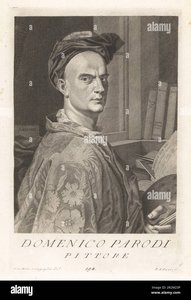
parodi, filippo and domenico
1630 - 1702 , Italy
プロフィール概要
- Artistic Movement Or Style: Baroque/Early Modern
- Artists Or Movements Influenced By This Artist:
- Romanticism
- Realism
- Artists Who Influenced This Artist:
- Jacob Jordaens
- Peter Paul Rubens
- Date Of Birth: 1630
- Date Of Death: 1702
- Full Name: Rembrandt Harmenszoon van Rijn
- Nationality: Dutch
- Notable Artworks:
- The Night Watch
- The Anatomy Lesson
- Self-Portrait with Saskia
- Place Of Birth: Leiden, Netherlands

