

 プレビュー
プレビュー
 シェアする
シェアする シェアする
シェアする
 詳細を見る
詳細を見る

 ダウンロード
 似ている作品
 X線調査
X線調査 スライドショー
 統計情報
統計情報Le Pardon en Breetagne

 詳細を見る
詳細を見る
手描き油彩複製画
当社のアーティストが、お客様のご希望のサイズと額縁に合わせて、キャンバスに手描きで制作する油彩画です。 ( プリント版に切り替え デジタル画像販売へ切り替え)




































作品のオリジナル比率に合わせた、当店の規定サイズからお選びください。

特定のフレームやスペースに合わせて、ご希望のサイズをご入力いただけます。選択されたサイズが元の画像の比率と異なる場合、アートワークをトリミングするか、手描きで要素を追加して絵画を拡張いたします。デジタルモックアップ を制作し、制作開始前にご確認(承認)をいただきます。
画面上のプレビューは、実際のトリミングや拡張を正確に反映しているものではありません。最終的な構図は、モックアップによってのみ正確にご確認いただけます。
カスタムサイズもご利用いただけますが、元の比率を維持するためには、あらかじめ用意されたリストからサイズを選択することをお勧めいたします。
ご注文後、ArtsDot.com チームより詳細な指示をお送りするとともに、仕上がりイメージ(モックアップ)をご提供いたします。


 ガラスオプションは、110cm未満のサイズでのみご利用いただけます。

Le Pardon en Breetagne
複製技法
複製画のサイズ
-


合計金額
$ 263
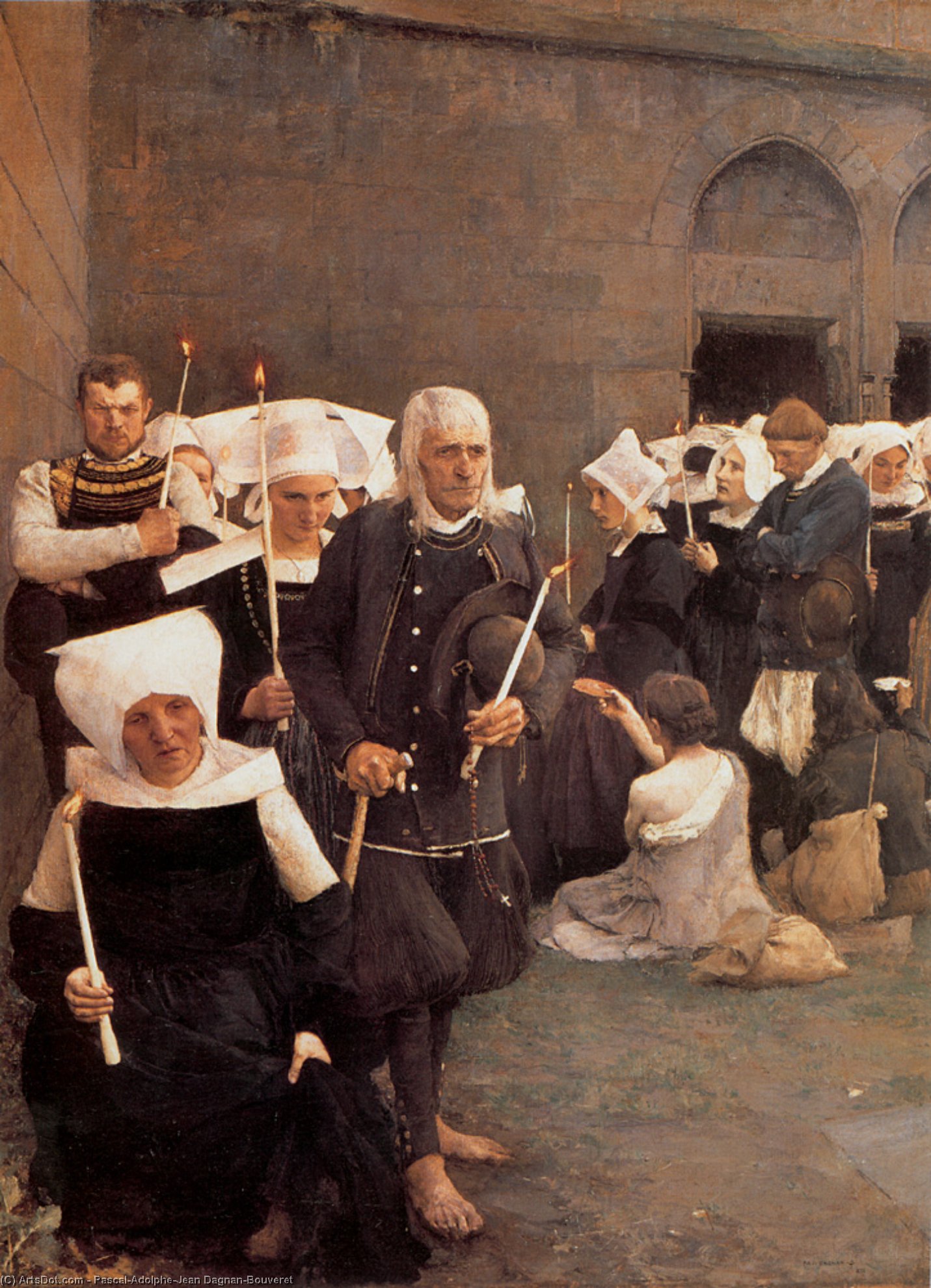
A Glimpse into Breton Tradition: "Le Pardon en Breetagne"
Pascal-Adolphe-Jean Dagnan-Bouveret’s “Le Pardon en Breetagne” offers a poignant and evocative window into the religious traditions of Brittany, France. Painted around the late 19th century, this work captures a *pardon*, a traditional Breton pilgrimage and penance ceremony often held at sacred sites or chapels. The scene unfolds with a quiet solemnity; a semi-circle of figures, clad in historical attire, gather before an ancient stone building distinguished by its arched doorways. The muted color palette – dominated by earthy tones and subtle shadows – contributes to the painting’s overall atmosphere of reverence and introspection. This isn't merely a depiction of people; it's a study of faith, community, and enduring cultural practices.Naturalism and Artistic Technique
Dagnan-Bouveret was a leading figure in the Naturalist movement, which sought to portray everyday life with unflinching realism. This painting exemplifies that approach. The artist’s meticulous attention to detail is evident in the rendering of the figures' clothing – from the dark garments of the central woman to the lighter attire and head covering of the seated younger woman who holds a book or manuscript, likely representing a religious text or participating in recitation. Realism isn't just about accurate depiction; it’s about conveying the texture of experience. Dagnan-Bouveret masterfully uses light and shadow to create depth and three-dimensionality, enhancing the sense of presence and drawing the viewer into the scene. His training under Alexandre Cabanel and Jean-Léon Gérôme is clearly visible in his technical skill and compositional structure, while he ultimately forged his own path toward a more naturalistic style.Symbolism and Cultural Significance
The *pardon* itself holds deep symbolic meaning within Breton culture. These pilgrimages were traditionally opportunities for confession, penance, and spiritual renewal. The candles held by several figures represent faith, hope, and the light of divine guidance. The older woman at the center, likely a key figure in the ceremony, embodies wisdom and leadership. Her upright posture and direct gaze suggest authority and connection to tradition. The seated younger woman with the book symbolizes learning, scripture, and perhaps the transmission of religious knowledge across generations. The aged architecture—the stone walls and arched doorways—further reinforces the sense of history and enduring faith. The painting isn't just about a specific event; it’s about the continuity of belief and community in a rural setting.Emotional Impact and Lasting Appeal
“Le Pardon en Breetagne” evokes a profound sense of quiet contemplation and reverence. The subdued lighting, coupled with the solemn expressions of the figures, creates an atmosphere that is both melancholic and deeply moving. The painting invites viewers to reflect on themes of faith, tradition, and the human search for meaning. Its appeal lies not only in its artistic merit but also in its ability to transport us to another time and place, offering a glimpse into a rich cultural heritage. For collectors and interior designers alike, this reproduction offers a unique opportunity to bring a touch of historical depth and emotional resonance to any space.関連作品
アーティストの略歴
自然主義の画家、パスクァル=アドルフ=ジャン・ダニャン=ブーヴェレの生涯
1852年1月7日にパリで生まれたパスクァル=アドルフ=ジャン・ダニャン=ブーヴェレは、自然主義絵画を代表するフランス人画家の一人です。彼の作品は写実性、細部へのこだわり、そしてブルトン文化や宗教的な瞑想のテーマが織り込まれた日常生活の描写によって特徴づけられます。当初パリで育ちましたが、そのキャリアの多くをフランシュ=コンテ地方で過ごしました。ダニャン=ブーヴェレは、1929年7月3日に生涯を閉じましたが、彼の芸術的遺産は今日でも多くの人々に感動を与え続けています。
幼少期と芸術教育
- 家族の背景: ダニャンは父親がブラジルに移住した後、祖父に育てられました。その後、彼は祖父の姓であるブーヴェレを名乗るようになりました。
- 正式な教育: 1869年からは、パリのエコール・デ・ボザールでアレクサンドル・カバネルやジャン=レオン・ジェロームといった著名な指導者から学びました。この厳格な訓練は、古典的な技法における強固な基礎を彼に与えました。
- 初期の影響: 彼の初期作品は、学業時代に蔓延していたアカデミックな様式を反映していましたが、すぐに独特の自然主義的感性を育んでいきました。
キャリアと代表作
- 自然主義画家としての台頭: ダニャン=ブーヴェレのキャリアは、「事故」(1880年)のような作品によって勢いを増しました。この作品はサロンで一等賞を受賞し、彼の芸術界への登場を告げるものとなりました。
- 評価と受賞: 彼は「水飲み場での馬たち」でメダルを獲得するなど、数々の栄誉を受け続けました。
- 主要な作品: 彼のスタイルとテーマを代表する絵画は以下の通りです。
- “ブルトンの衣装を着た女性”(ニューヨークのメトロポリタン美術館)- ブルトンへの関心を反映しています。
- “ブルトン人の赦し”(リスボンのカルーースト・グルベンキアン美術館) – 伝統的なブルトンの宗教祭の雰囲気を捉えています。
- "ブルターニュの少女の肖像画" – 彼の肖像画の技術と細部への注意を示しています。
- “ハムレットと墓掘り人”(1883年) - 文学からの劇的な場面を描く能力を実証しています。
- “牧草地にて”(1892年) – 田園生活の穏やかな描写です。
- "最後の晩餐"(1896年のシャン・ド・マルス展覧会に出品) – ルネサンスの巨匠からインスピレーションを得た、大規模な宗教作品であり、彼の野心と技術を示しています。
- 写真の影響: ダニャンは初期の写真の採用者であり、絵画における写実性を高めるためのツールとして活用しました。彼は時代衣装を着たモデルを撮影し、これらの画像を構成の参照として使用していました。
展開と芸術的スタイル
- 自然主義: ダニャン=ブーヴェレは、理想化やロマン主義を避け、日常生活をありのままに描こうとした自然主義運動の重要な人物でした。
- ブルトンテーマ: 彼の作品の大部分はブルトンに焦点を当てており、その文化、風景、宗教的伝統への関心を反映しています。
- 宗教画: キャリア後半には、宗教的な主題にますます目を向け、「最後の晩餐」のような大規模な作品を制作し、ルネサンスの巨匠からインスピレーションを得ました。
- 技術力: 彼の絵画は、細部へのこだわり、光と影の巧みな表現、そして静かな観察によって特徴づけられます。
遺産と歴史的意義
- 芸術への影響: ダニャン=ブーヴェレの写実性への献身と写真の革新的な使用は、後世の世代のアーティストに影響を与えました。
- 評価: 彼は生涯を通じて大きな成功を収め、数々の賞や名誉を受けました。1891年にはレジオン・ドヌール勲章士官となり、1900年にはフランス研究所の会員となりました。
- 継続的な感謝: 今日、彼の作品は世界中の主要な美術館に所蔵されており、フランス芸術への彼の貢献が記憶され、高く評価されています。
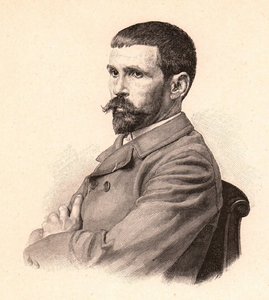
パスカル=アドルフ・ジャン・ダニャン=ブーヴェール
1852 - 1929 , フランス
基本情報
- Artistic Movement Or Style: 自然主義
- Artists Who Influenced This Artist:
- アレクサンドル・カバネル
- ジャン=レオン・ジェローム
- Date Of Birth: 1852年1月7日
- Date Of Death: 1929年7月3日
- Full Name: パスカル=アドルフ=ジャン・ダニャン=ブーヴェ
- Nationality: フランス人
- Notable Artworks:
- 事故
- 給水槽の馬たち
- 麦畑のブルトン人の女性
- 許されざる者たち
- Place Of Birth (City And Country): フランス、パリ
関連記事
The Poetic Truth of Observation: Exploring 19th-Century Realism in Painting
Explore the captivating world of 19th-century Realism! Discover key artists like Courbet & Millet, masterpieces, and the powerful social commentary behind this influential art movement. Expert insights at ArtsDot.
Ferdinand du Puigaudeau: Bridging Impressionism & Symbolism in Breton Landscapes
Discover Ferdinand du Puigaudeau's captivating Breton landscapes – a bridge between Impressionism & Symbolism. Explore his life, unique style, and enduring legacy with ArtsDot.
Jules Breton: Capturing the Poetic Soul of French Rural Life
Explore the captivating world of Jules Breton, master of French Realism. Discover his iconic paintings of rural life, learn about his artistic journey, and find high-quality reproductions to elevate your art collection at ArtsDot.
Echoes of Society: Exploring Social Realism's Enduring Legacy in Art
Explore the powerful world of Social Realism art! Discover key artists, masterpieces & its profound social commentary. Expert insights into this influential movement's history and enduring legacy.

Romantic Realism's Finest: 10 Masterpieces for Your Home | ArtsDot
Explore 10 defining masterpieces of Romantic Realism! Discover Courbet, Millet & Daumier's powerful paintings—capturing emotion and social realities. Find museum-quality reproductions for your home at ArtsDot.com.