

 プレビュー
プレビュー
 プリントを購入
 シェアする
シェアする シェアする
シェアする
 詳細を見る
詳細を見る

 ダウンロード
 似ている作品
 X線調査
X線調査 スライドショー
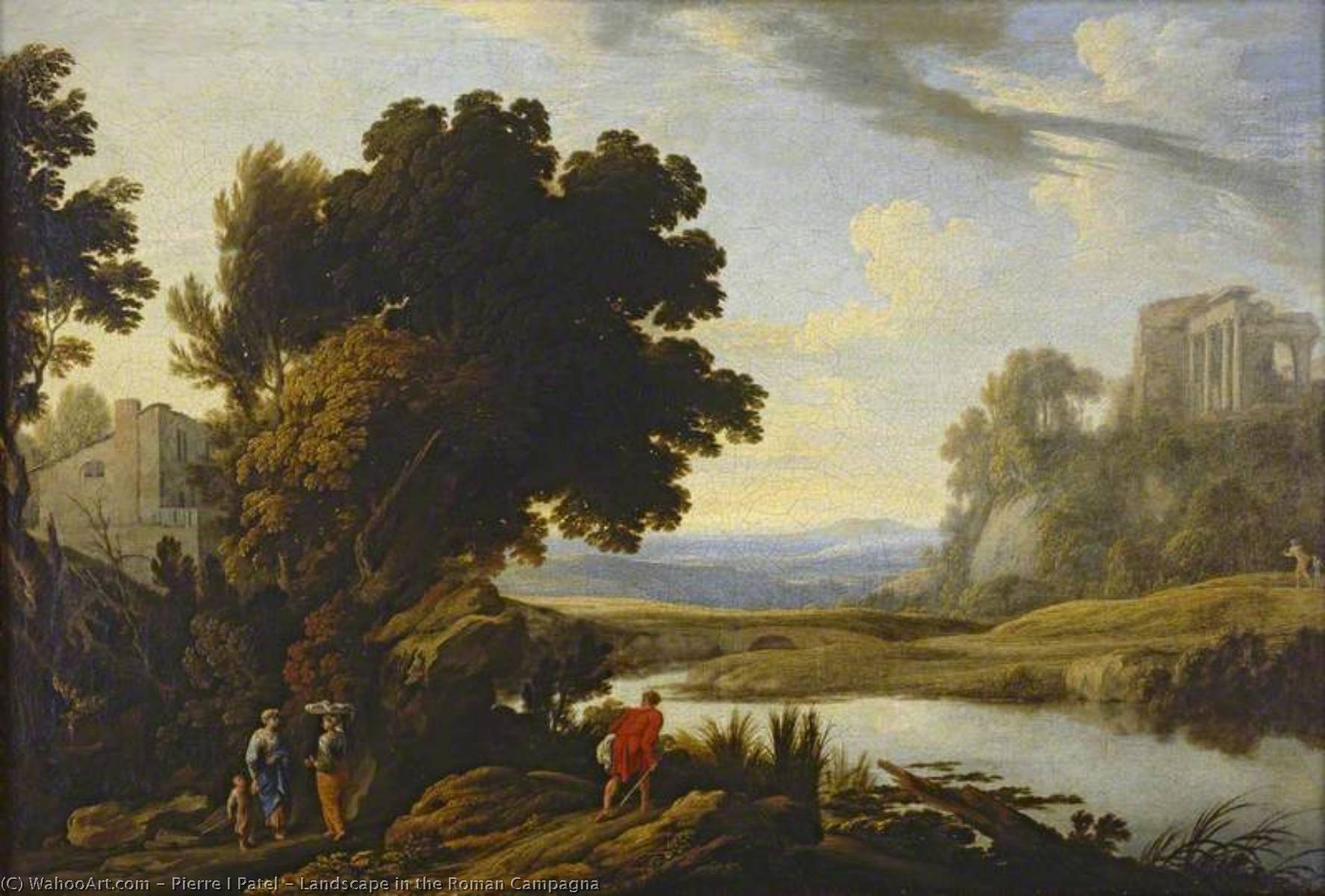
Landscape in the Roman Campagna
 41.0 x 61.0 cm
 アシュモリアン美術館
 詳細を見る
詳細を見る




































作品のオリジナル比率に合わせた、当店の規定サイズからお選びください。

特定のフレームやスペースに合わせて、ご希望のサイズをご入力いただけます。選択されたサイズが元の画像の比率と異なる場合、アートワークをトリミングするか、手描きで要素を追加して絵画を拡張いたします。デジタルモックアップ を制作し、制作開始前にご確認(承認)をいただきます。
画面上のプレビューは、実際のトリミングや拡張を正確に反映しているものではありません。最終的な構図は、モックアップによってのみ正確にご確認いただけます。
カスタムサイズもご利用いただけますが、元の比率を維持するためには、あらかじめ用意されたリストからサイズを選択することをお勧めいたします。
ご注文後、ArtsDot.com チームより詳細な指示をお送りするとともに、仕上がりイメージ(モックアップ)をご提供いたします。


 ガラスオプションは、110cm未満のサイズでのみご利用いただけます。

Landscape in the Roman Campagna
複製技法
複製画のサイズ
-


合計金額
$ 263
関連作品










アーティストの略歴
Pierre Patel (1605 – 1676): The Poet of Roman Campagna
The name Pierre Patel, a figure often overshadowed by the titans of 17th-century French art, nevertheless holds a unique and quietly compelling place in the history of landscape painting. Born in Picardy around 1605, Patel wasn’t a painter who stormed onto the scene with dramatic innovation; rather, he cultivated a deeply considered style, meticulously building upon the foundations laid by his predecessors while imbuing them with a distinctly personal vision. His legacy isn't one of revolutionary techniques, but of a profound understanding of light, atmosphere, and the evocative power of classical ruins – a fascination that would define his artistic output for over four decades.
Patel’s early life remains somewhat shrouded in mystery, though he was admitted to the Guild of Saint-Germain-des-Prés in 1633 and subsequently joined the Académie de Saint-Luc in 1635. These affiliations marked his formal entry into the Parisian art world, a hub already brimming with talent and influence. Crucially, Patel’s artistic development was profoundly shaped by his exposure to the work of Claude Lorrain, whose idealized landscapes – characterized by their balanced compositions, serene atmospheres, and elegant treatment of classical motifs – exerted a powerful pull on young artists. However, Patel didn't simply mimic Claude; he absorbed the master’s principles and then subtly, yet significantly, transformed them into something uniquely his own.
The Influence of Rome and the Italian Landscape
Patel’s artistic journey took him to Italy, a pivotal moment that fundamentally altered his perspective. He spent several years in Rome, immersing himself in the grandeur of the Roman ruins – the Colosseum, the Forum, the Pantheon – and absorbing the spirit of the Italian landscape. These experiences ignited within him an enduring passion for depicting these ancient sites, transforming them into evocative settings imbued with a sense of melancholy beauty and timelessness. Unlike many of his contemporaries who sought to replicate the Italian scene directly, Patel approached it through the lens of memory and imagination, creating landscapes that were both faithful to their subject matter and deeply personal in their expression.
This fascination with Roman ruins is perhaps most evident in his series of paintings depicting the Campagna Romana – the fertile plains surrounding Rome. These works are not mere topographical representations; they’re carefully constructed narratives, populated by solitary figures contemplating the remnants of a lost civilization. The use of light and shadow is particularly masterful, creating an atmosphere of profound stillness and introspection. Patel's compositions often feature dramatic diagonals, drawing the eye towards distant ruins while simultaneously emphasizing the vastness and solitude of the landscape.
Technique and Style
Patel’s technique was characterized by a meticulous attention to detail and a remarkable ability to capture the subtle nuances of light and atmosphere. He employed a refined palette, favoring muted earth tones – ochres, browns, greens – that evoked the weathered surfaces of stone and the hazy quality of distant landscapes. His brushwork was smooth and controlled, creating a sense of depth and perspective through careful layering of paint. While influenced by Claude’s balanced compositions, Patel introduced a greater degree of dynamism into his paintings, utilizing diagonal lines and asymmetrical arrangements to create a more engaging visual experience.
A key element of Patel's style was his masterful use of atmospheric perspective – the technique of rendering distant objects as paler and less distinct than those in the foreground. This created a powerful illusion of depth and distance, drawing the viewer’s eye into the heart of the landscape. His paintings are not simply representations of scenery; they are carefully constructed illusions that invite contemplation and reflection.
Legacy and Historical Significance
Despite often being overshadowed by more flamboyant contemporaries, Pierre Patel's contribution to French landscape painting is significant. He represents a crucial link between the idealized landscapes of Claude Lorrain and the emerging trends in 18th-century art. His meticulous attention to detail, his profound understanding of light and atmosphere, and his enduring fascination with classical ruins established him as a leading figure in the development of French landscape painting during the mid-17th century.
Patel’s influence extended far beyond his own lifetime. His paintings served as models for subsequent generations of artists, particularly those interested in depicting classical subjects and landscapes. The meticulous detail and atmospheric perspective that characterized his work would continue to inspire painters well into the 18th and 19th centuries. Today, Patel's works are treasured for their quiet beauty, their evocative atmosphere, and their enduring testament to the power of art to transport us to another time and place – a timeless echo of the Roman Campagna.
patel pierre (patel le père)
1605 - 1676
基本情報
- Artistic Movement Or Style: Classical & Italianate
- Artists Or Movements Influenced By This Artist: ['Early 19th-century landscape artists']
- Artists Who Influenced This Artist: ['Claude Lorrain']
- Date Of Birth: 1605
- Date Of Death: 1676
- Full Name: Pierre Patel (Patel le Père)
- Nationality: French
- Notable Artworks:
- Roman Campagna scenes
- Ruins in art
- Italianate landscapes
- Place Of Birth: Picardy, France

