

 プレビュー
プレビュー
 シェアする
シェアする シェアする
シェアする
 詳細を見る
詳細を見る

 ダウンロード
 似ている作品
 X線調査
X線調査 スライドショー
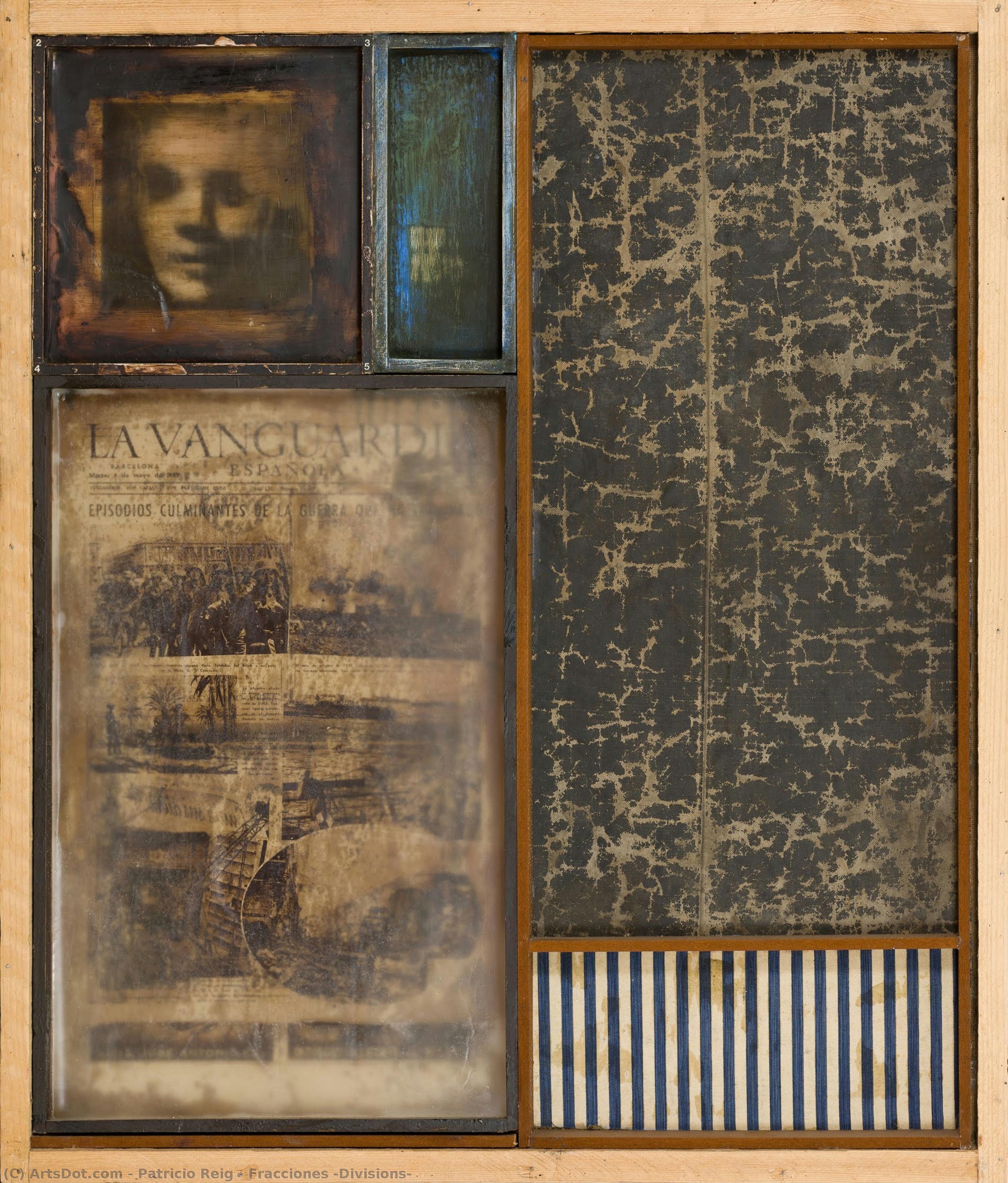
Fracciones (Divisions)
 74.0 x 87.0 cm
 Juan Cabré Museum
 詳細を見る
詳細を見る
ジークレー/アートプリント
迅速な制作と多彩な仕上げオプションを備えた、ミュージアムクオリティのジークレーまたはキャンバスプリント。 ( 手描きの絵画を購入 画像を購入)




































作品のオリジナル比率に合わせた、当店の規定サイズからお選びください。

特定のフレームやスペースに合わせて、ご自身でサイズを指定することも可能です。選択されたサイズが元の画像の比率と一致しない場合、作品をトリミングするか、鏡面反射または単色での塗りつぶしによって画像を拡張いたします。制作を開始する前に、ご確認用のデジタルモックアップをお送りいたします。
画面上のプレビューには、実際のトリミングや拡張は反映されませんのでご注意ください。最終的な構図を正確に確認できるのは、モックアップのみとなります。
カスタムサイズも承っておりますが、元の比率を維持するためには、あらかじめ用意されたリストからサイズを選択することをお勧めいたします。


 ガラスオプションは、110cm未満のサイズでのみご利用いただけます。

Fracciones (Divisions)
ジークレー/アートプリント
複製画のサイズ
-


合計金額
$ 62
関連作品










アーティストの略歴
A Life in Layers: Exploring the Photographic World of Patricio Reig
Patricio Reig, an Argentinian artist born in San Juan (Puerto Rico), Argentina, in 1959, embodies a fascinating intersection of architecture, photography, and profound contemplation on the cycles of life and death. His journey, shaped by formative experiences and a relentless pursuit of artistic expression, has led him to become a significant figure in contemporary art, currently residing and working from Milan after years spent in Barcelona and Buenos Aires. Reig’s background as an architect provides a unique lens through which he views the world – a structural understanding that informs his meticulous photographic compositions and his ability to perceive patterns within seemingly chaotic scenes. He is, fundamentally, an autodidact photographer, meaning his mastery of the craft was self-taught, fueled by an innate curiosity and unwavering dedication. This independence has allowed him to forge a distinctive artistic voice, unburdened by conventional training and free to experiment with diverse technical resources.The Essence of Time: Reig's Photographic Philosophy
At the heart of Reig’s work lies a deep philosophical inquiry into time itself. He doesn't view photography merely as a tool for documentation; rather, he considers it an object in its own right – a means to arrest time and hold it still for contemplation. This belief is eloquently expressed on his personal website: “I know of no other way halt time. Only photographs can bring life to a standstill and place it in front of me for my contemplation.” This isn't about capturing fleeting moments, but about creating enduring records that transcend the immediate present. His artistic process reflects this philosophy; he meticulously constructs images that are layered with meaning, inviting viewers to engage in a prolonged dialogue with the work. The influence of his father, an architect who documented social housing projects in Bogotá using photography, is palpable in Reig’s own commitment to capturing the essence of human experience and the environment around us. He recalls those early days carrying photographic equipment, absorbing the sights and smells of marginalized communities – experiences that instilled in him a profound appreciation for the documentary power of photography.Themes of Nature, Portraiture, and Urban Landscapes
Reig’s artistic repertoire is remarkably diverse, encompassing nature studies, evocative portraits, and compelling urban landscapes. However, these seemingly disparate subjects are united by recurring themes of life, death, and transformation. His depictions of nature—often featuring flowers, ponds, and foliage—are not simply picturesque scenes; they are meditations on the cyclical processes of growth, decay, and renewal. The use of pinhole and stenopeic cameras, harking back to 19th-century photographic techniques, further emphasizes this connection to history and a deliberate rejection of modern digital immediacy. These methods produce images with an ethereal quality, often lacking vibrant color but rich in atmosphere and texture. His portraits, whether of individuals or anonymous figures, are equally imbued with depth and introspection. They aren't superficial representations; they are attempts to capture the inner lives of his subjects, revealing vulnerabilities and complexities. Similarly, his urban landscapes transcend mere documentation, becoming studies of human presence within the built environment – a reflection of his architectural background.A Legacy in Process: Alternative Photographic Techniques
Beyond subject matter, Reig’s mastery lies in his technical approach. He is renowned for his embrace of alternative photographic processes, including wet collodion, ambrotype, and daguerreotype—techniques that were prevalent in the early days of photography. These methods are notoriously demanding, requiring meticulous preparation and precise execution. The resulting images possess a unique aesthetic – characterized by their tonal richness, subtle imperfections, and an undeniable sense of history. His dedication to these antiquated processes is not merely nostalgic; it’s a deliberate choice that aligns with his philosophical commitment to slowing down time and embracing the inherent materiality of photography. As noted by critic Heike Dempster, Reig's work captures "the essence only," creating reflections of state rather than simple representations of reality. This focus on process elevates his photographs beyond mere images; they become tangible artifacts imbued with a sense of timelessness. His exploration of “Fracciones (Divisions)” exemplifies this approach, breaking down imagery into segments and reassembling them to create layered narratives that challenge conventional perspectives.Global Recognition and Enduring Significance
Patricio Reig’s work has garnered international recognition through numerous exhibitions in galleries and museums across various countries. His pieces have been featured in prestigious venues such as the Juan Ruiz Gallery in Miami, Aquila 51 in Milan, and the Piramidón Centro de Arte Contemporáneo in Barcelona. His artistic journey, from his early days assisting his architect father to becoming a celebrated photographer in his own right, is a testament to the power of self-discovery and unwavering dedication. Reig’s enduring significance lies not only in his technical mastery but also in his ability to provoke profound contemplation on fundamental human experiences—the passage of time, the beauty of nature, and the complexities of identity. He leaves an indelible mark on contemporary art by reminding us that photography can be more than just a record; it can be a powerful tool for understanding ourselves and the world around us.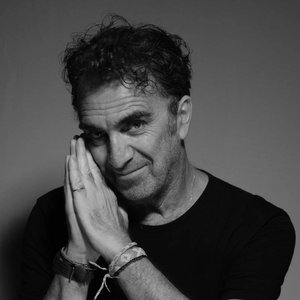
patricio reig
1959 - , Argentina
基本情報
- Artistic Movement Or Style: Postwar & Contemporary Photography
- Current Biography: Patricio Reig is an Argentinian postwar & contemporary artist. He graduated in architecture and is an autodidact photographer who spent most part of his career in barcelona and buenos aires. he currently lives in milan. patricio reig combines various technical resources to treat photography not only as a testimonial graphic element, but as an object. his work focuses on the cycles of life and death and his main themes are nature, portrait, urban landscape or naked portraits. he has been exhibited in many galleries and museums in different countries.
- Date Of Birth: 1959
- Full Name: Patricio Reig
- Nationality: Argentinian
- Notable Artworks: ['Fracciones (Divisions)']
- Place Of Birth (City And Country): San Juan, Argentina

