 プレビュー
プレビュー
 シェアする
シェアする シェアする
シェアする
 詳細を見る
詳細を見る

 ダウンロード
 似ている作品
 X線調査
X線調査 スライドショー
 統計情報
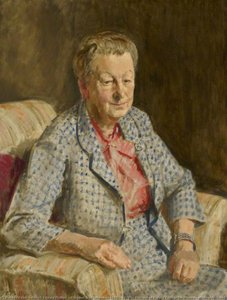
統計情報Miss Kathleen Chesney, Principal of Westfield College (1951–1962)
 91.0 x 71.0 cm
 Queen Mary
Explore the art of Patrick Edward Phillips, known for his portraits of prominent figures like Margaret Sergeaunt & Sir Valentine Crittall. Discover British art history!
 詳細を見る
詳細を見る
手描き油彩複製画
当社のアーティストが、お客様のご希望のサイズと額縁に合わせて、キャンバスに手描きで制作する油彩画です。 ( プリント版に切り替え デジタル画像販売へ切り替え)




































標準サイズ
オーダーメイド
CM
INCH
作品のオリジナル比率に合わせた、当店の規定サイズからお選びください。
Loading sizes...

幅
高さ
特定のフレームやスペースに合わせて、ご希望のサイズをご入力いただけます。選択されたサイズが元の画像の比率と異なる場合、アートワークをトリミングするか、手描きで要素を追加して絵画を拡張いたします。デジタルモックアップ を制作し、制作開始前にご確認(承認)をいただきます。
画面上のプレビューは、実際のトリミングや拡張を正確に反映しているものではありません。最終的な構図は、モックアップによってのみ正確にご確認いただけます。
カスタムサイズもご利用いただけますが、元の比率を維持するためには、あらかじめ用意されたリストからサイズを選択することをお勧めいたします。
カスタマイズの例:顔をお客様の写真に置き換える、ペットを追加する(例:猫を犬に変更)、背景に隠れたメッセージを入れる、背景の風景や要素を変更するなど。
ご注文後、ArtsDot.com チームより詳細な指示をお送りするとともに、仕上がりイメージ(モックアップ)をご提供いたします。
ご注文後、ArtsDot.com チームより詳細な指示をお送りするとともに、仕上がりイメージ(モックアップ)をご提供いたします。


 ガラスオプションは、110cm未満のサイズでのみご利用いただけます。

Miss Kathleen Chesney, Principal of Westfield College (1951–1962)
複製技法
複製画のサイズ
-


合計金額
$ 263
関連作品










アーティストの略歴
A Legacy in Likeness: The Portraits of Patrick Edward Phillips
Patrick Edward Phillips, a name resonating within the circles of British portraiture, stands as a compelling figure bridging the gap between established Victorian traditions and the evolving artistic landscape of the 20th century. While biographical details remain somewhat elusive – a characteristic often found with artists whose strength lay in capturing *others* rather than self-promotion – his body of work speaks volumes about his skill, sensitivity, and dedication to preserving the likenesses of prominent individuals during a period of significant social change. Phillips wasn’t merely a recorder of faces; he was an interpreter of character, imbuing each portrait with a quiet dignity and psychological depth that transcends simple representation. His canvases offer a fascinating glimpse into the lives and aspirations of his sitters, reflecting the values and aesthetics of the British upper classes during his active career.Early Life and Artistic Formation
The precise details surrounding Phillips’s early life are scarce, adding to the mystique surrounding his artistic journey. What is known is that he emerged as a professional portrait painter in an era deeply influenced by the grand masters – artists like Reynolds, Gainsborough, and Raeburn. He undoubtedly received formal training, though the specifics of his apprenticeship remain undocumented. It’s reasonable to assume he studied the techniques of these earlier portraitists meticulously, absorbing their mastery of light, composition, and brushwork. The influence of academic realism is palpable in his early works, characterized by precise rendering and a commitment to anatomical accuracy. However, Phillips wasn't content with mere imitation; he gradually developed a distinctive style that blended traditional skills with a more nuanced understanding of human psychology. He appears to have established himself within the London art scene, gaining commissions through personal connections and exhibiting at various galleries – though comprehensive exhibition records are currently unavailable.The Art of Character: Phillips’s Portrait Style
Phillips's portraits are not flamboyant displays of artistic virtuosity; rather, they are exercises in restrained elegance and insightful observation. He favored a relatively subdued palette, often employing rich browns, grays, and creams to create an atmosphere of quiet sophistication. His brushwork is typically smooth and refined, lending his sitters a polished appearance without sacrificing individuality. What truly sets Phillips apart is his ability to capture the *essence* of his subjects – their personality, intelligence, and social standing. He achieved this through careful attention to detail, particularly in the eyes and mouth, which often reveal subtle emotions and inner thoughts. Margaret Sergeaunt, for example, depicted with a gentle composure, exudes an air of quiet confidence and intellectual curiosity. Similarly, his portrait of Sir Valentine Crittall conveys a sense of authority and determination tempered by a thoughtful demeanor. He wasn’t interested in idealizing his sitters; instead, he sought to portray them as they were – complex individuals with their own unique strengths and vulnerabilities.Notable Works and Patronage
While a comprehensive catalogue raisonné of Phillips's work is yet to be compiled, several portraits have emerged as key examples of his artistic achievement. The aforementioned depictions of Margaret Sergeaunt and Sir Valentine Crittall are particularly noteworthy, showcasing his ability to capture both physical likeness and psychological depth. His patrons appear to have been drawn from the upper echelons of British society – industrialists, landowners, and members of the aristocracy. This suggests that Phillips cultivated a reputation for discretion and sensitivity, qualities highly valued by those seeking to preserve their family legacies through portraiture. The scale of his commissions often indicates that he was favored for full-length portraits as well as more intimate head-and-shoulder studies. The consistent quality and refined aesthetic of these works suggest a dedicated studio practice and a commitment to meeting the exacting standards of his clientele.Historical Significance and Enduring Appeal
Patrick Edward Phillips occupies a unique position in British art history. He wasn’t a revolutionary innovator, but rather a skilled practitioner who upheld the traditions of portraiture while subtly infusing them with his own artistic sensibility. His portraits offer valuable insights into the social and cultural values of the late Victorian and early 20th centuries, providing a visual record of the individuals who shaped British society during this period.- His work serves as a testament to the enduring power of portraiture – its ability to capture not only physical likeness but also the essence of human character.
- Phillips’s portraits are increasingly sought after by collectors and institutions, recognizing their historical significance and artistic merit.
- The quiet dignity and psychological depth of his work continue to resonate with audiences today, offering a glimpse into a bygone era.