

 プリントを購入
 シェアする
シェアする シェアする
シェアする
 詳細を見る
詳細を見る

 ダウンロード
 似ている作品
 スライドショー
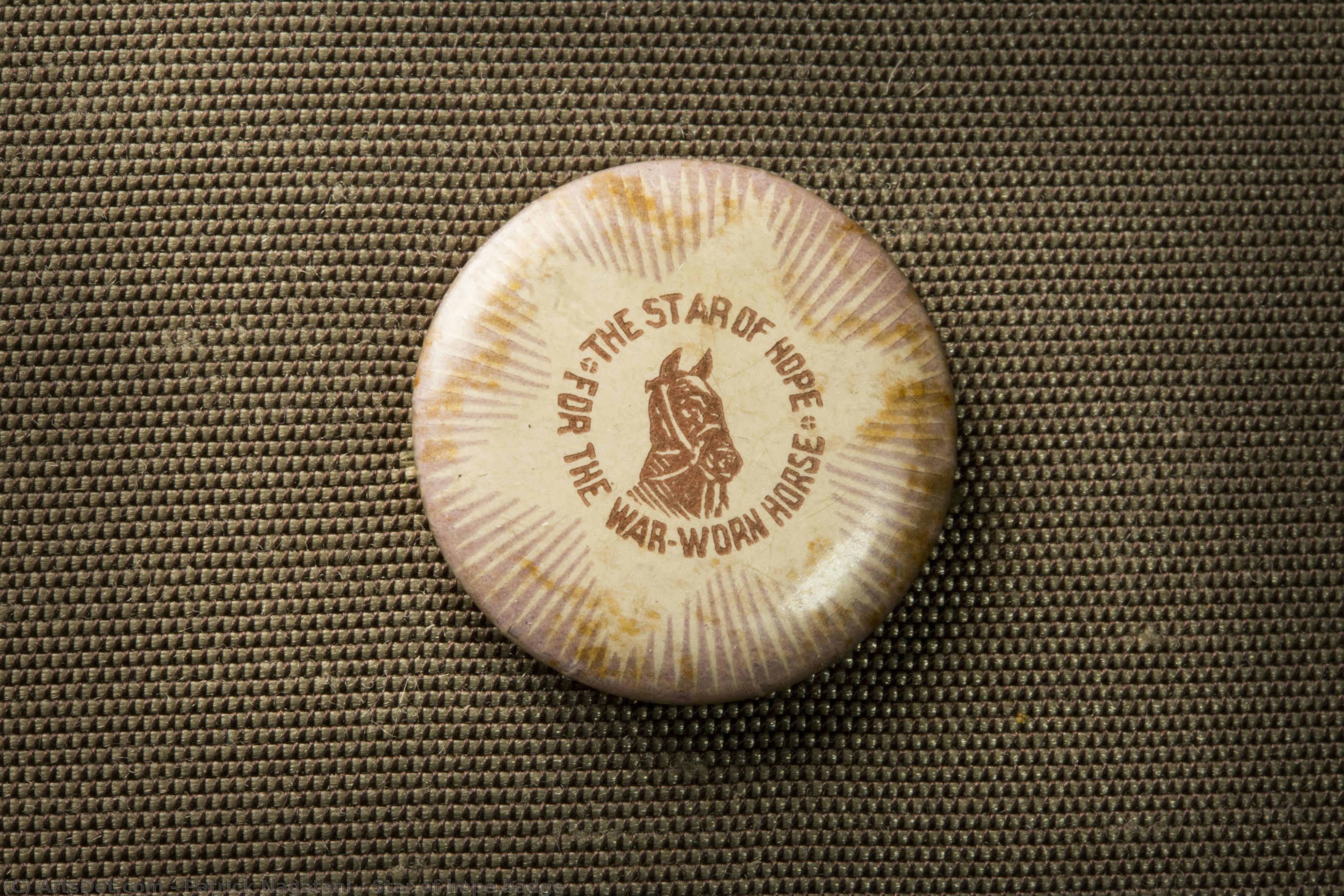
Star of hope badge


 詳細を見る
詳細を見る
オンラインプレビューをはるかに凌ぐ、高解像度で鮮明なデジタル画像をご購入いただけます。
各ファイルは、社内の専門家が高度なツールと熟練した手作業によるレタッチを用いて、細心の注意を払って準備されています。すべての画像において、卓越した鮮明度、正確な色彩再現性、そして繊細なディテールを保証いたします。
最終ファイルは、プロフェッショナルな編集・印刷環境ですぐにご利用いただけるよう最適化された状態で、72時間以内にメールにてお届けいたします。これは、一流のデザインスタジオ、出版社、ギャラリーから信頼されているものと同等の品質です。
デジタル画像のご注文に付随する特典
高品質なデジタル画像配信を、確かな品質で。
ArtsDot.com を選ぶことは、単に画像を手に入れることではありません。それは、プロの手によって精密に仕上げられ、満足保証が付いた高品質なデジタルアートワークを受け取ることを意味します。ご注文いただいた際に自動的に付随する内容は、以下の通りです:

メールですぐにお届け
ご注文から72時間以内に、高解像度のデジタル画像ファイルがメールでお手元に届きます。すぐにそのままご利用いただけます。

AI技術で最適化されたデジタルファイル
お客様の作品は、高度なAIツールと専門家による手作業の編集を組み合わせてプロフェッショナルに最適化されており、細部のディテール、鮮明さ、そして正確な色再現性を最大限に引き出しています。

一生涯無料の再送サービス
ファイルを誤って削除したり、紛失してしまったりしましたか?ご安心ください。いつでも無料で再送いたします。

輸入手数料は一切かかりません
関税や手数料、配送料を気にすることなく、お気に入りのアートワークをすぐにお楽しみいただけます。デジタルダウンロードは常に免税です。

色彩再現の保証
プロ仕様のツールとカラーマネジメント技術を用いることで、デジタル画像が元の色を最大限に忠実に再現することを保証いたします。

100日間満足保証
ご購入いただいたデジタル画像にご満足いただけない場合は、100日以内であれば、理由を問わず修正または100%の返金対応をさせていただきます。

100% 返金保証
ご満足いただけない場合は、デジタルファイルを受け取ってから100日以内であれば、理由を問わず全額返金いたします。

まとめ買い割引
3枚購入で10%OFF - 5枚購入で15%OFF - 10枚以上購入で20%OFF。クリエイティブなプロジェクト、ギャラリー、エージェンシーに最適です。
A Relic of Compassion: The Star of Hope
In the quiet intersection of historical memory and photographic precision, the Star of Hope badge emerges as a profound meditation on empathy and the forgotten laborers of the past. Captured through the lens of Patrick Nagatani, this piece transcends its identity as a mere object, transforming into a window onto the year 1914. The central focus is an intricately detailed illustration of a horse's head, rendered with such realism that one can almost sense the warmth and vitality of the creature. Encircled by the poignant inscription, "THE STAR OF HOPE FOR THE WORKING HORSE," the badge serves as a silent testament to a time when the bond between human and animal was fundamental to the rhythm of daily life and industry.
The aesthetic of the work is defined by its weathered, antique soul. Nagatani utilizes a muted palette of earth tones that harmonize with the textured, diamond-patterned fabric background, creating an atmosphere of nostalgic reverence. The visible signs of wear—the slight fading at the edges and the subtle discoloration—are not mere imperfections but are essential narrative elements. They suggest a life lived, a history handled by many hands, and a legacy that has endured through the decades. This sense of tactile history makes the piece particularly captivating for collectors who value art that carries the weight of time and the dignity of survival.
The Intersection of History and Artistry
To understand this work is to understand the delicate interplay between the tangible and the symbolic. The badge itself, likely a commemorative or historical artifact, represents a movement of care for the working animals that once powered civilization. Through his masterful use of light and shadow, Nagatani elevates this small, circular relic into a monumental subject. The technique employed here is one of meticulous observation; every crease in the background fabric and every fine line in the horse's mane is rendered to invite the viewer into a state of deep contemplation.
For the discerning interior designer or art enthusiast, this piece offers a unique opportunity to introduce a sense of grounded history into a contemporary space. It functions beautifully as a focal point in a gallery wall or as a standalone statement piece that evokes themes of heritage and compassion. The emotional impact of the Star of Hope badge lies in its ability to evoke a bittersweet longing for a simpler, more interconnected era. It is an invitation to honor the unseen laborers of history and to find beauty in the worn, the weathered, and the enduringly hopeful.
関連作品

作家の略歴
A Lens Between Reality and Myth: The Life of Patrick Nagatani
The life of Patrick Nagatani began under the heavy, historical shadow of nuclear devastation. Born on August 19, 1945, in Chicago, his arrival occurred just ten days after the atomic bombing of Nagasaki, a temporal coincidence that would forever color his artistic consciousness. As a Sansei, Nagatani carried the profound legacy of the Japanese American experience, specifically the memories of forced relocation and internment camps that had reshaped his community. Moving to Los Angeles in 1955, he grew up in the vibrant Crenshaw District, an area that served as a cultural heartbeat for Japanese Americans. This upbringing, rooted in both the resilience of his heritage and the looming specter of nuclear history, provided the emotional foundation for a career defined by the tension between what is seen and what is imagined.
Nagatani’s journey from a disciplined student-athlete at Dorsey High School to a visionary photographer was paved by a rigorous academic pursuit of the arts. His formal training at Cal State L.A. and his subsequent Master of Fine Arts from UCLA placed him under the mentorship of influential figures such as Robert Heinecken and Judith Golden. These educators encouraged a departure from traditional photographic conventions, pushing him toward experimentation and a critical interrogation of the medium. Before fully immersing himself in the fine art world, Nagatani’s creative spirit found expression through filmmaking and special effects modeling, skills that would later become indispensable to his signature style of theatrical staging and meticulous composition.
The Art of Staged Truths
Nagatani’s photographic practice was far more than mere documentation; it was a deliberate, cinematic construction of reality. He possessed a singular ability to blend the precision of social documentary with the surrealism of mythic storytelling. His work often functioned as a bridge between the tangible struggles of identity and displacement and a fantastical, dreamlike realm. In pieces such as Japanese Children, he utilized surreal imagery—such as a large fish with a painted face reaching toward the sky—to explore profound themes of cultural identity through a lens of enchantment. This technique allowed him to confront uncomfortable historical truths, like the trauma of internment, by wrapping them in layers of metaphor and theatricality.
The technical mastery evident in his work often relied on a sophisticated use of light, shadow, and texture. Whether he was capturing the weathered, antique soul of a historical relic like the Star of Hope badge or constructing elaborate, staged scenes, Nagatani’s eye for detail was unparalleled. His ability to manipulate the viewer's perception through carefully curated environments turned every photograph into a window onto another time or a different dimension. This duality—the ability to be both a witness to history and an architect of imagination—is what defines his enduring contribution to contemporary photography.
Legacy and Historical Significance
Throughout his career, Nagatani’s work earned international recognition, with exhibitions spanning from the Netherlands to New York City. His solo shows, such as Nuclear Enchantment and the Chromatherapy series, showcased his evolving fascination with the intersection of light, color, and memory. Beyond the gallery walls, his influence extended into academia, where he shared his expertise as an educator at Loyola Marymount University and the University of New Mexico, mentoring a new generation of artists in the nuances of visual storytelling.
The significance of Patrick Nagatani lies in his refusal to separate the political from the poetic. He did not merely record the history of the Japanese American experience; he reimagined it, giving voice to the displaced and the forgotten through a medium that felt both ancient and avant-garde. His death in 2017 in Albuquerque marked the end of a profound creative journey, yet his work remains a vital testament to the power of photography to act as both a mirror to our darkest histories and a portal to our most beautiful dreams.
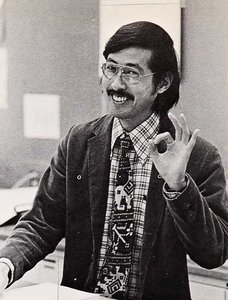
Patrick Nagatani
1945 - 2017 , United States of America
プロフィール概要
- Artistic Movement Or Style: Staged Photography
- Artists Or Movements Influenced By This Artist: ['Hiroshige']
- Artists Who Influenced This Artist: ['Robert Heinecken']
- Date Of Birth: August 19, 1945
- Date Of Death: October 27, 2017
- Full Name: Patrick Nagatani
- Nationality: American
- Notable Artworks:
- Japanese Children
- Fin de Siecle, Bat Flight Amphitheater
- Star of hope badge
- Place Of Birth: Chicago, United States