

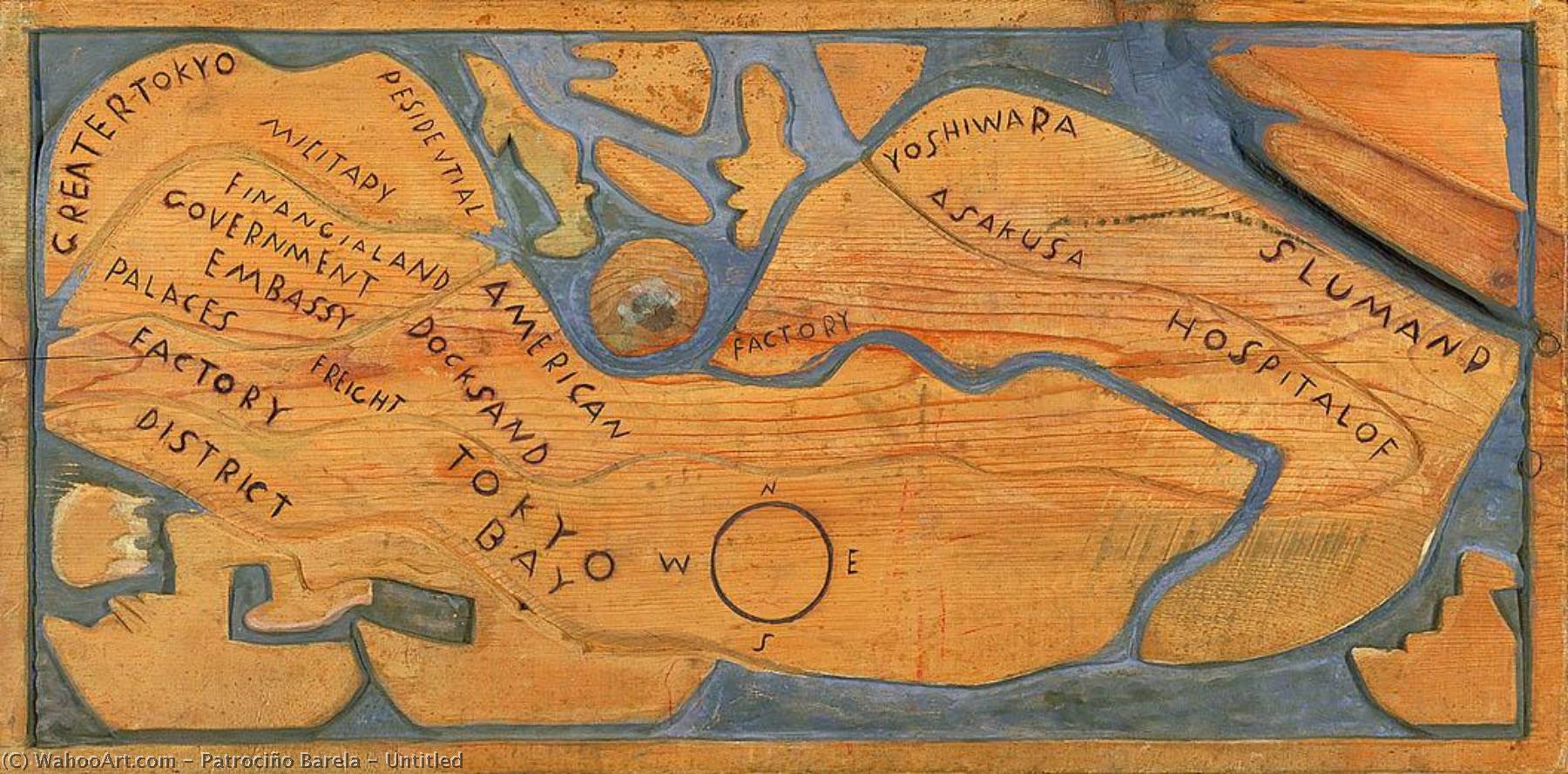
 プレビュー
プレビュー
 シェアする
シェアする シェアする
シェアする
 詳細を見る
詳細を見る

 ダウンロード
 似ている作品
 X線調査
X線調査 スライドショー
 Stats
StatsUntitled


 詳細を見る
詳細を見る
ジークレー/アートプリント
迅速な制作と多彩な仕上げオプションを備えた、ミュージアムクオリティのジークレーまたはキャンバスプリント。 ( 手描きの絵画を購入 Switch to Digital Image)




































作品のオリジナル比率に合わせた、当店の規定サイズからお選びください。

特定のフレームやスペースに合わせて、ご自身でサイズを指定することも可能です。選択されたサイズが元の画像の比率と一致しない場合、作品をトリミングするか、鏡面反射または単色での塗りつぶしによって画像を拡張いたします。制作を開始する前に、ご確認用のデジタルモックアップをお送りいたします。
画面上のプレビューには、実際のトリミングや拡張は反映されませんのでご注意ください。最終的な構図を正確に確認できるのは、モックアップのみとなります。
カスタムサイズも承っておりますが、元の比率を維持するためには、あらかじめ用意されたリストからサイズを選択することをお勧めいたします。


 ガラスオプションは、110cm未満のサイズでのみご利用いただけます。

Untitled
ジークレー/アートプリント
複製画のサイズ
-


合計金額
$ 62
関連作品

アーティストの略歴
The Soul Carved in Wood: The Life of Patrociño Barela
In the rugged landscapes of New Mexico, where the shadows of the Taos mountains meet the ancient traditions of the high desert, the life of Patrociño Barela unfolded as a profound testament to human resilience and innate genius. Born around 1900, Barela’s early years were defined by a landscape of hardship and loss. The untimely passing of his mother and younger sister during his childhood left an indelible mark on his spirit, fostering a deep, introspective connection to the world around him. A man of immense physical strength and nomadic spirit, he spent much of his youth navigating the grueling realities of itinerant labor—working as a steelworker, miner, railroad laborer, and carpenter. These experiences, far from being mere footnotes to his biography, served as the raw material for his artistic consciousness, instilling in him a visceral understanding of struggle, toil, and the enduring human condition.
Though he possessed an aversion to formal education and remained largely self-taught, Barela’s intellect was expressed through the tactile language of wood and grain. His journey into the realm of fine art began almost by accident in 1931, sparked by a moment of spiritual stewardship when he was encouraged to repair a damaged wooden santo. This encounter with sacred imagery ignited a lifelong passion for carving, leading him to find profound expression in the textures of juniper and cedar. Unlike the traditional santeros who sought to replicate historical religious prototypes with rigid precision, Barela breathed new life into the medium. His work emerged as a singular fusion of expressive primitivism and a haunting, surrealist emotionality that transcended mere folk art.
A Discovery of National Significance
The trajectory of Barela’s career was irrevocably altered by the arrival of the Works Progress Administration (WPA) during the Great Depression. As part of the Public Works of Art Project, his talent was brought to the forefront of the American art scene. It is a poignant image of history: an artist who, being illiterate, recorded his daily progress by marking crosses on a sheet of paper, yet whose visual vocabulary was so sophisticated that it commanded the attention of the world's most influential critics. His work reached the hallowed halls of the Museum of Modern Art in New York, where he was celebrated as one of the most dramatic discoveries of his era. Even the legendary sculptor Henry Moore found himself captivated by Barela’s carvings, noting a powerful aesthetic resonance that echoed the primal energies found in the art of Africa and Oceania.
The recognition bestowed upon him was unprecedented for a Mexican-American artist of his time. Time magazine famously hailed him as "the discovery of the year," cementing his status as the first Hispanic artist to achieve widespread national acclaim. His ability to bridge the gap between the deeply local, religious traditions of New Mexico and the burgeoning international modernism of the twentieth century made him a pivotal figure in American art history. Through his hands, the sacred became universal, and the humble materials of the earth were transformed into profound meditations on existence.
Mastery of Form and Theme
Barela’s oeuvre is characterized by an extraordinary ability to imbue inanimate wood with psychological depth and narrative tension. His subjects ranged from the deeply devotional to the starkly secular, often exploring themes of biblical struggle and the complexities of conflict. Some of his most significant contributions to the art world include:
- Saint George: A 1943 masterpiece currently held in the Smithsonian American Art Museum, which showcases his ability to capture divine heroism through textured, emotive carving.
- David and Goliath: An intricate depiction of biblical confrontation that highlights his mastery of facial expression and anatomical tension within the constraints of wood.
- War and Progression in War: Powerful works that utilize a distinctive, textured style to explore the devastating and transformative nature of human conflict.
Ultimately, the legacy of Patrociño Barela lies in his refusal to be confined by labels. While often categorized as a santero due to his religious subject matter, his vision was far more expansive, encompassing the raw, the surreal, and the contemporary. He remains a towering figure of New Mexican heritage, an artist who took the fragments of a difficult life and carved from them a permanent place in the canon of American modernism.
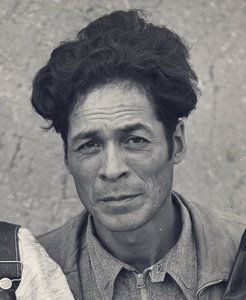
patrociño barela
1900 - 1964
基本情報
- Artistic Movement Or Style: Expressionist
- Artists Or Movements Influenced By This Artist: ['Santero']
- Artists Who Influenced This Artist: ['Henry Moore']
- Date Of Birth: c. 1900
- Date Of Death: October 24, 1964
- Full Name: Patrociño Barela
- Nationality: Mexican-American
- Notable Artworks:
- David and Goliath
- Saint George
- Place Of Birth: Bisbee, Arizona
関連記事
Mapping Beauty: Transform Your Space with Stunning Topographical Artworks
Elevate your interiors with breathtaking topographical art. From vintage cartography to textured 3D reliefs, discover how hand-painted maps and historical landscapes can transform any room into a sophisticated sanctuary of discovery and timeless beauty.
Japonisme: How Japanese Woodblock Prints Revolutionized Western Art
Explore the profound impact of Japonisme on Western art. Discover how Japanese ukiyo-e woodblock prints revolutionized perspective, color, and composition for masters like Monet and Van Gogh, forever changing the course of modern art history.

葛飾北斎:25の傑作が語る浮世絵の世界 - ArtsDot
葛飾北斎の25選:『神奈川沖浪裏』や『富嶽三十六景』など、浮世絵の世界を深く探求。木版画の技法と日本美術の美をArtsDotで。高品質なアートプリントで空間に感動を。コレクションはこちら。
Echoes of Time: Nostalgia, Technique & Cultural Significance in Vintage Paintings
Explore the captivating world of vintage paintings! Discover key styles, cultural significance & collecting tips from art experts at ArtsDot. Find authentic reproductions and elevate your home décor.

Ephemeral Landscapes: Hiroshige's Poetics of Transient Beauty in Edo Japan
Explore the captivating world of Utagawa Hiroshige's ukiyo-e landscapes. Discover his artistic innovations, influence on Western art, and the poetics of transient beauty in Edo period Japan. A guide for collectors & enthusiasts.