

 プレビュー
プレビュー
 プリントを購入
 シェアする
シェアする シェアする
シェアする
 詳細を見る
詳細を見る

 ダウンロード
 似ている作品
 X線調査
X線調査 スライドショー
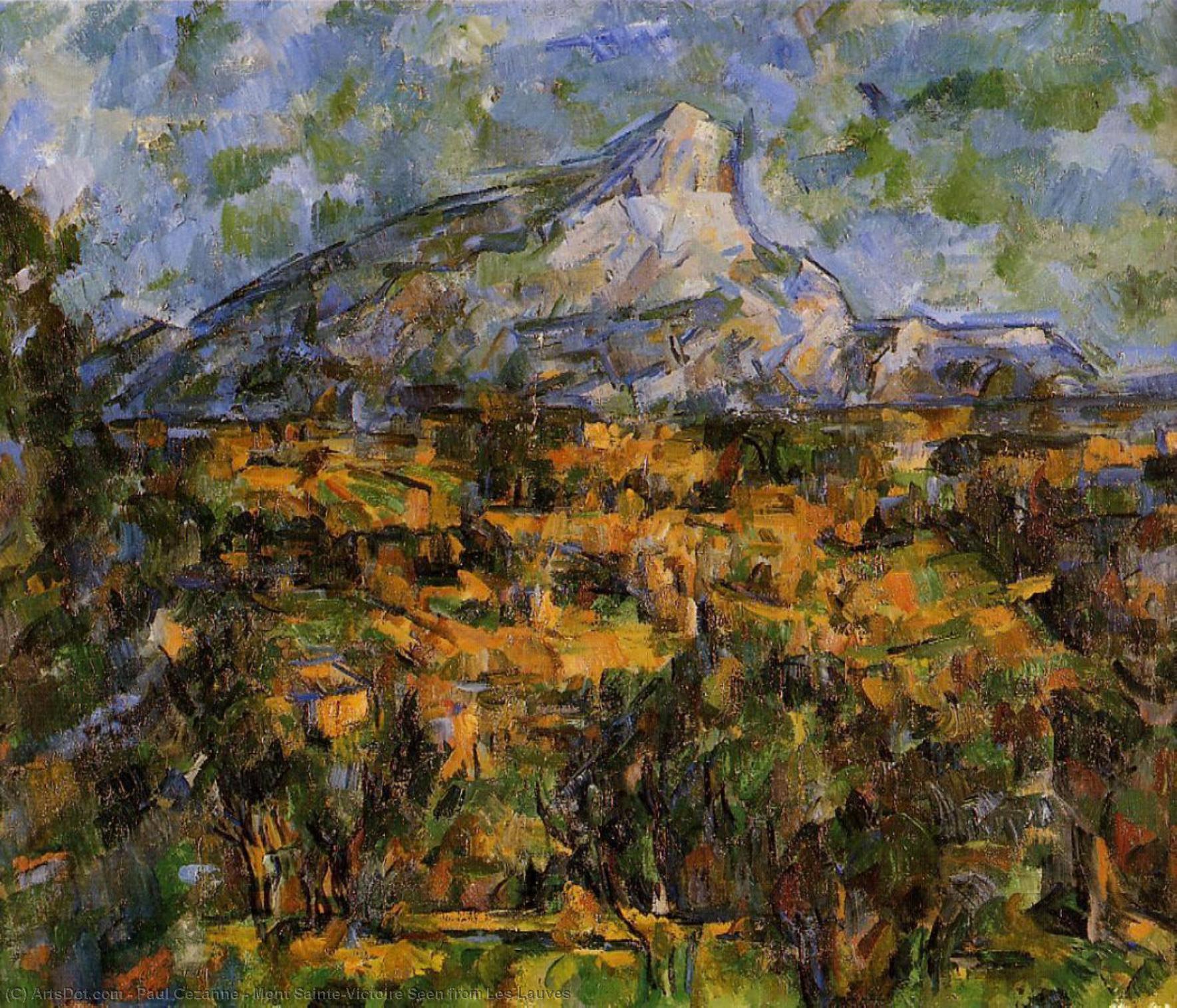
Mont Sainte-Victoire Seen from Les Lauves


 詳細を見る
詳細を見る
オンラインプレビューをはるかに凌ぐ、高解像度で鮮明なデジタル画像をご購入いただけます。
各ファイルは、社内の専門家が高度なツールと熟練した手作業によるレタッチを用いて、細心の注意を払って準備されています。すべての画像において、卓越した鮮明度、正確な色彩再現性、そして繊細なディテールを保証いたします。
最終ファイルは、プロフェッショナルな編集・印刷環境ですぐにご利用いただけるよう最適化された状態で、72時間以内にメールにてお届けいたします。これは、一流のデザインスタジオ、出版社、ギャラリーから信頼されているものと同等の品質です。
デジタル画像のご注文に付随する特典
高品質なデジタル画像配信を、確かな品質で。
ArtsDot.com を選ぶことは、単に画像を手に入れることではありません。それは、プロの手によって精密に仕上げられ、満足保証が付いた高品質なデジタルアートワークを受け取ることを意味します。ご注文いただいた際に自動的に付随する内容は、以下の通りです:

メールですぐにお届け
ご注文から72時間以内に、高解像度のデジタル画像ファイルがメールでお手元に届きます。すぐにそのままご利用いただけます。

AI技術で最適化されたデジタルファイル
お客様の作品は、高度なAIツールと専門家による手作業の編集を組み合わせてプロフェッショナルに最適化されており、細部のディテール、鮮明さ、そして正確な色再現性を最大限に引き出しています。

一生涯無料の再送サービス
ファイルを誤って削除したり、紛失してしまったりしましたか?ご安心ください。いつでも無料で再送いたします。

輸入手数料は一切かかりません
関税や手数料、配送料を気にすることなく、お気に入りのアートワークをすぐにお楽しみいただけます。デジタルダウンロードは常に免税です。

色彩再現の保証
プロ仕様のツールとカラーマネジメント技術を用いることで、デジタル画像が元の色を最大限に忠実に再現することを保証いたします。

60日間満足保証
ご購入いただいたデジタル画像にご満足いただけない場合は、60日以内であれば、修正または100%の返金(理由を問う必要はありません)をさせていただきます。

100% 返金保証
ご満足いただけない場合は、デジタルファイルを受け取ってから60日以内であれば、理由を問わず全額返金いたします。

まとめ買い割引
3枚購入で10%OFF - 5枚購入で15%OFF - 10枚以上購入で20%OFF。クリエイティブなプロジェクト、ギャラリー、エージェンシーに最適です。
作品の詳細
Mont Sainte-Victoire Seen from Les Lauves: A Window into Cézanne’s Revolutionary Vision
Paul Cézanne's 1904 painting, “Mont Sainte-Victoire Seen from Les Lauves,” isn’t merely a landscape; it’s a profound meditation on perception and the very nature of seeing. Housed within the Pushkin State Museum in Moscow, this oil on canvas invites us into a world where the familiar—a mountain range under a cloudy sky—transforms through Cézanne's unique artistic lens. It represents a pivotal moment in art history, bridging the gap between the fleeting impressions of Impressionism and the nascent geometric explorations of Cubism, and it’s now beautifully rendered in exquisite hand-painted reproductions available at ArtsDot.
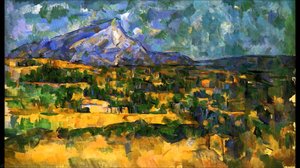
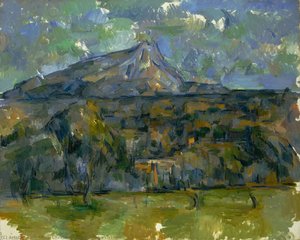
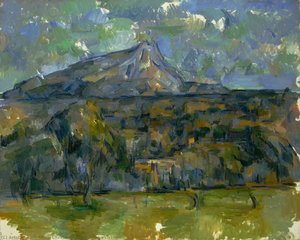
Cézanne’s genius lay not in replicating reality but in distilling its essence. He achieved this through a revolutionary technique—a deliberate fragmentation of form and color. Observe the repetitive, exploratory brushstrokes, each one meticulously placed to build up complex fields of color that suggest volume and depth. The painting isn't about accurately depicting the mountain; it’s about conveying *its* presence – its solidity, its weight, its relationship to the surrounding landscape. The two prominent mountains, rendered with a subtle yet insistent geometry, seem to emerge from the hazy atmosphere, their forms simplified and abstracted, echoing Cézanne’s lifelong fascination with structure and form. Scattered trees, painted with similar deliberate strokes, add layers of texture and contribute to the overall sense of spatial ambiguity.
The painting's creation occurred during a period of intense artistic experimentation for Cézanne. He was driven by a desire to move beyond the limitations of traditional landscape painting, rejecting the emphasis on capturing fleeting moments of light and color in favor of a more enduring representation of form. This pursuit led him to repeatedly revisit Mont Sainte-Victoire, transforming it into a series of paintings that explored different perspectives and compositional arrangements. The choice of Les Lauves as the vantage point—a location offering a unique view of the mountain—reflects this methodical approach, demonstrating Cézanne’s commitment to understanding his subject on a deeply personal level.
Cézanne's Artistic Style: A New Language of Form
Cézanne’s style was revolutionary not just in its subject matter but also in its execution. He moved away from the Impressionist focus on capturing light and atmosphere, instead prioritizing the underlying structure of objects. This is evident in “Mont Sainte-Victoire Seen from Les Lauves,” where he breaks down forms into their essential geometric components—planes, lines, and angles—and rearranges them to create a new visual language. His use of color is equally innovative; he employs flattened planes of color rather than blending hues together, creating a sense of solidity and depth that defies traditional perspective.
The painting’s composition is deliberately unbalanced, with the two mountains positioned slightly off-center. This creates a dynamic tension within the scene, drawing the viewer's eye across the canvas and inviting them to explore the relationships between the various elements. Cézanne wasn’t interested in creating a realistic depiction of the landscape; he was interested in capturing its essence—its underlying structure and its emotional impact. The painting is a testament to his belief that art should be about more than just representation; it should be about expressing ideas and emotions through form and color.
Influence on Art Movements: A Bridge Between Eras
Cézanne’s innovative approach to art profoundly influenced the development of modern art. His emphasis on structure, form, and color paved the way for Cubism, while his exploration of spatial ambiguity anticipated many of the techniques used by later abstract artists. Artists like Henri Matisse and Pablo Picasso were deeply inspired by Cézanne's work, adopting his use of flattened planes of color and simplified forms in their own paintings. Cézanne’s legacy extends far beyond the immediate artistic circles of his time; he fundamentally changed the way we perceive and represent the world around us.
Initially, Cézanne’s radical style was met with skepticism and ridicule by contemporary critics, who struggled to understand his unconventional approach. However, fellow artists such as Camille Pissarro and art dealer Ambroise Vollard recognized his genius and championed his work. Vollard's decision to organize a solo exhibition of Cézanne’s paintings in 1895 proved to be a turning point, bringing the artist’s work to a wider audience and establishing him as a major figure in the art world.
Reproductions Available at ArtsDot: Bringing Cézanne Home
For those seeking to experience the beauty and influence of “Mont Sainte-Victoire Seen from Les Lauves” firsthand, ArtsDot offers meticulously crafted hand-painted reproductions that capture the essence of Cézanne’s original masterpiece. These reproductions are not mere copies; they are artistic interpretations created by skilled artisans who have painstakingly studied Cézanne's technique and color palette. Each reproduction faithfully recreates the painting’s distinctive brushstrokes, atmospheric depth, and emotional resonance, allowing art enthusiasts to bring a piece of this iconic artwork into their own homes.
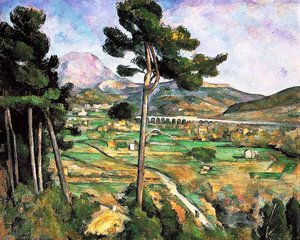
Beyond “Mont Sainte-Victoire Seen from Les Lauves,” ArtsDot offers a curated selection of reproductions by Paul Cézanne, including "Seated Woman in Blue" and other notable works. Explore our collection today and discover the timeless beauty of Cézanne’s art – a legacy that continues to inspire and captivate audiences around the world. View this reproduction here.
Other Notable Works by Paul Cézanne
Conclusion: “Mont Sainte-Victoire Seen from Les Lauves” stands as a testament to Paul Cézanne’s revolutionary vision and his enduring contribution to the development of modern art. Through ArtsDot, art lovers can own a piece of this history, appreciating the beauty and influence of Cézanne's work in their own homes.
関連作品
作家の略歴
ポール・セザンヌ:近代美術の礎を築いた画家
ポール・セザンヌは、1839年に南フランスのエクス=アン=プロヴァンスで生まれ、印象派の儚い光の描写と、キュビスムの断片化された形態を結びつける架け橋となった、まさに革命的な芸術家でした。彼の人生は、一躍成功を収めるのではなく、自己探求の長い道のりであり、自己疑念や批判に直面しながらも、近代美術の流れを根底から変える遺産を残しました。裕福な家庭に生まれ、父親は帽子職人から銀行家へと転身し、セザンヌは経済的な安定を得て、商業的な成功のプレッシャーなしに芸術に専念することができました。当初は父親の意向により法学を志しましたが、芸術への情熱がそれを上回り、最終的には法律を捨て、絵画の世界に飛び込みました。ロマン主義の影響やバルビゾン派の風景描写への傾倒など、初期には様々な影響を受けましたが、ポール・ゴーギャンやジョルジュ・スーラといった画家たちとの出会いを通じて、革新的な色彩と形態に対する彼らのアプローチに触発され、独自の道を切り開いていきます。印象を超えて:構造へと至る芸術的進化
セザンヌの初期作品には、ロマン主義特有の劇的で感情的なテーマが反映されており、暗いパレットと表現力豊かな筆致が特徴でした。しかし、この初期段階は、より分析的で画期的なアプローチへの移行のための単なるステップに過ぎませんでした。印象派が好んだ光の儚い瞬間を捉えるだけでは不満を感じたセザンヌは、対象物の背後にある構造を理解し、表現することを追求しました。彼は、自分が何を見ているかだけでなく、現実を構成する根本的な形態がいかに認識されているのかを知りたいと考えました。この探求が、自然の形を幾何学的な等価物へと分解するという手法を生み出しました。彼の技法は、複雑な色彩とテクスチャのフィールドを作り上げるために注意深く重ねられた小さな反復筆致によって特徴づけられ、前例のない安定感と奥行きを生み出します。彼は単なる写実性ではなく、対象を複数の視点から同時に提示することで、伝統的な遠近法の概念に挑戦し、鑑賞者に彼の構成の構築された性質と積極的に関わることを強いるのです。この意図的な歪みは恣意的なものではなく、時間の一瞬だけでなく、知覚の統合を表す、より完全な形の理解を伝えるための試みでした。風景、静物、そして人体:主要作品と繰り返されるモチーフ
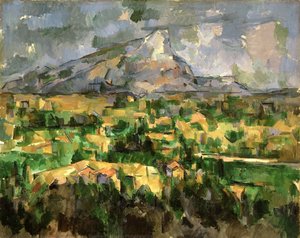
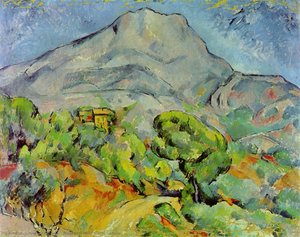
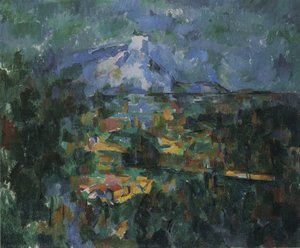
セザンヌの作品群は非常に多様で、風景画、静物画、肖像画、そして沐浴者の描写などを含みますが、そのすべてが彼の独特な形態と色彩のアプローチによって統一されています。1880年に描かれたジャス・ド・ブーファンの池は、形を注意深く配置し、色調を調整することで自然の本質を捉える能力を示す代表的な風景画です。1866年のエミール・ゾラの肖像は、彼の発展途上のスタイルを示し、親友であり作家であるゾラへの魅力的な洞察を提供します。リンゴなどの果物を取り上げた静物画は、単なる対象の描写ではなく、ボリューム、光、空間関係を探求する試みです。モン・サン=ヴィクトールシリーズはセザンヌにとって強迫観念とも言えるモチーフであり、何十年にもわたって形態と遠近法を徹底的に調査することを可能にしました。これらの絵画は単なる山の描写ではなく、私たちが奥行き、ボリューム、光と影の相互作用をどのように認識するかを探求する研究なのです。最後に、牧歌的な風景の中に裸婦を描いた沐浴者シリーズは、人体と自然とのつながりを深く探求し、しばしば時の流れを超越した静けさと瞑想に満ちた雰囲気で表現されています。革新によって築かれた遺産:近代美術への影響
ポール・セザンヌの芸術が後世の世代に与えた影響は計り知れません。彼は、画期的な絵画言語への貢献により、「近代美術の父」として広く認められており、20世紀の主要な芸術運動の多くへの道を開きました。パブロ・ピカソやジョルジュ・ブラックは、セザンヌの幾何学的形態と複数の視点への強調に深く負い目を抱いており、それがキュビスムの中核となる原則となりました。彼の大胆な色彩の使用はまた、アンリ・マティスが率いるフォーヴィズム運動にも影響を与え、彼らは非現実的で鮮やかな色調を受け入れました。シュルレアリスムの芸術家でさえ、セザンヌの主観的な知覚と心理的な深さの探求に共鳴を見出しました。特定の運動を超えて、セザンヌは芸術家の個人的なビジョンを重視し、伝統的な学術的制約を拒絶することで、世代を超えた画家たちに新たな表現形態を探求する自由を与えました。彼は表象の定義そのものを覆し、現実を模倣することから、構造と主観的な知覚に基づいた視覚体験を構築することへの焦点をシフトさせました。1906年の彼の死は終わりではなく、始まりを告げるものでした。それは、彼の革命的なビジョンによって深く形作られた、芸術史における新たな時代の幕開けでした。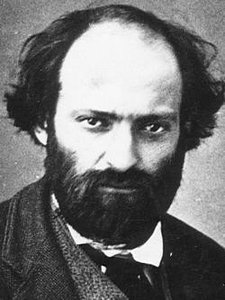
セザンヌ
1839 - 1906 , フランス
プロフィール概要
- フルネーム: ポール・セザンヌ
- 主な作品:
- ジャス・ド・ブーファン池の上の昼
- エミール・ゾラの肖像
- 森
- モン・サン=ヴィクトワールシリーズ
- バテュ
- 出生地: エクス=アン=プロヴァンス (フランス)
- 国籍: フランス
- 影響を与えたアーティスト:
- キュビスム
- フォーヴィスム
- シュルレアリスム
- 影響を受けたアーティスト:
- ロマン主義
- バルビゾン学派
- ポール・ゴーギャン
- ジョルジュ・スーラ
- 没年月日: 1906年10月22日
- 生年月日: 1839年1月19日
- 芸術運動: 後期印象派


