

 プレビュー
プレビュー
 プリントを購入
 シェアする
シェアする シェアする
シェアする
 詳細を見る
詳細を見る

 ダウンロード
 似ている作品
 X線調査
X線調査 スライドショー
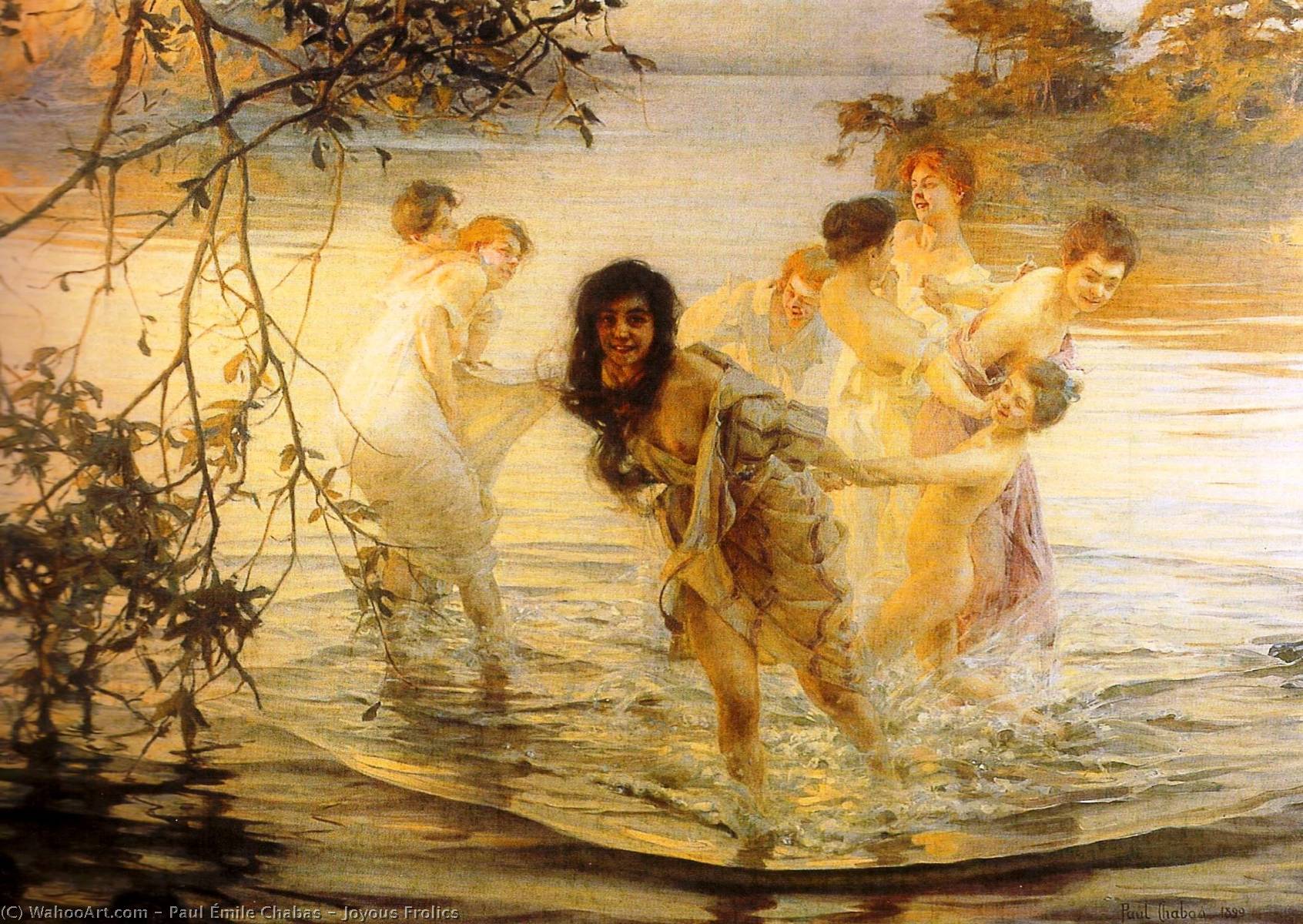
Joyous Frolics


 詳細を見る
詳細を見る




P118B $10

P118H $10

P118W $10

P438Z $10

P508JH $12

P508YH $12

P805H $10

P805Z $10

P919BZ $10

P919G $10

P919XJ $10

P959ZH $10

P968JZ $12

W106C $8

W218G $10

W218JH $8

W218Y $10

W307PJ $10

W316G $10

W316PJ $8

W316Y $10

W398PJ $8

W4111J $10

W500HY $15

W500JH $15

W692G $12

W849H $8

W940BG $15

W953PJ $8




作品のオリジナル比率に合わせた、当店の規定サイズからお選びください。

特定のフレームやスペースに合わせて、ご希望のサイズをご入力いただけます。選択されたサイズが元の画像の比率と異なる場合、アートワークをトリミングするか、手描きで要素を追加して絵画を拡張いたします。デジタルモックアップ を制作し、制作開始前にご確認(承認)をいただきます。
画面上のプレビューは、実際のトリミングや拡張を正確に反映しているものではありません。最終的な構図は、モックアップによってのみ正確にご確認いただけます。
カスタムサイズもご利用いただけますが、元の比率を維持するためには、あらかじめ用意されたリストからサイズを選択することをお勧めいたします。
ご注文後、ArtsDot.com チームより詳細な指示をお送りするとともに、仕上がりイメージ(モックアップ)をご提供いたします。


 ガラスオプションは、110cm未満のサイズでのみご利用いただけます。

Joyous Frolics
複製技法
複製画のサイズ
-


合計金額
$ 263
A Symphony of Summer: The Ethereal Charm of Joyous Frolics
In the soft, shimmering light of the late nineteenth century, Paul Émile Chabas captured a moment of pure, unadulterated bliss in his masterpiece, Joyous Frolics. Created in 1899, this painting serves as a breathtaking window into the Belle Époque, inviting the viewer to step away from the rigors of modern life and into a serene, aquatic sanctuary. The scene unfolds with a graceful fluidity, depicting a group of women immersed in the gentle embrace of a natural spring or lake. As they swim, stand, and play amidst lush, verdant greenery, there is an unmistakable sense of harmony between the human form and the natural world. It is not merely a depiction of leisure; it is a poetic celebration of vitality and the effortless beauty found in shared moments of tranquility.
The technical mastery of Chabas is on full display through his delicate application of paint, where soft, feathered brushstrokes merge to create a dreamlike atmosphere. Eschewing the harsh outlines of traditional academicism, he employs a muted and sophisticated color palette that emphasizes the play of light upon skin and water. This subtle infusion of Impressionistic technique allows the sunlight to dance across the surface of the ripples, lending a sense of depth and three-dimensional movement to the composition. The way the natural light filters through the surrounding foliage to illuminate the figures creates a luminous quality, making the entire scene feel as though it is breathing with a quiet, rhythmic pulse.
The Art of the Human Form and Natural Grace
As an artist celebrated for his ability to capture the nude figure within organic settings, Chabas utilizes Joyous Frolics to explore themes of innocence and naturalism. The figures are not posed with theatricality; instead, they exist in a state of relaxed, unselfconscious grace. This lack of artifice is what makes the painting so emotionally resonant for the contemporary observer. There is a profound sense of peace derived from seeing the human body integrated so seamlessly into the landscape. The presence of a small boat drifting near the shore adds a touch of nostalgic charm, suggesting a world where time slows down, and the only priority is the enjoyment of the present moment.
For the discerning collector or interior designer, this artwork offers more than just aesthetic beauty; it provides an emotional anchor for a space. The painting’s ability to evoke calmness and nostalgia makes it an ideal centerpiece for rooms designed for relaxation, such as a master suite, a sunlit library, or an elegant lounge. A high-quality reproduction of Joyous Frolics brings with it the prestige of the Musée Des Beaux collection, allowing the timeless elegance of French academic art to transform a modern interior into a sanctuary of classical sophistication. It is a piece that does not merely decorate a wall but breathes life and a sense of historical grandeur into the very heart of a home.
関連作品

アーティストの略歴
Henri Matisse: A Revolutionary of Color
Henri Matisse, born December 31st, 1869, in Le Cateau, France, wasn’t initially destined for a life immersed in art. His early years were marked by a pragmatic upbringing within a grain-producing family, and he pursued legal studies before discovering his true calling amidst the vibrant artistic currents of Paris. This unexpected shift—from law to brushstrokes—would irrevocably alter the course of 20th-century art, establishing Matisse as one of its most influential figures alongside Pablo Picasso. His legacy isn’t simply defined by a collection of beautiful paintings; it resides in his radical exploration of color and form, pushing boundaries and inspiring generations of artists.
Early Influences and Artistic Beginnings
Matisse's artistic journey began with a cautious foray into drawing classes during the late 1880s. Initially, he sought acceptance within the established academic framework of the École des Beaux-Arts in Paris, studying under Gustave Moreau, a Symbolist painter known for his opulent and often unsettling imagery. However, Matisse quickly found himself dissatisfied with the rigid conventions of this traditional approach. He experimented with various styles – Neoclassicism, Impressionism, and even Neo-Impressionism – absorbing influences from masters like Manet and Cézanne while simultaneously seeking a more personal expression. This period was characterized by a deliberate attempt to master technique, but it also revealed a growing desire to break free from the constraints of traditional representation.
The Fauvist Revolution: A Bold Embrace of Color
Around 1900, Matisse’s artistic trajectory took a dramatic turn. Inspired by Paul Gauguin and Vincent van Gogh, he began to prioritize color above all else, rejecting the muted tones and realistic depictions favored by his contemporaries. This marked the birth of Fauvism – “wild beast” in French – a movement characterized by intense, non-naturalistic colors applied with broad, arbitrary brushstrokes. Works like *Woman with a Hat* (1905) and *The Red Studio* (1911) exemplify this revolutionary approach, showcasing vibrant reds, blues, yellows, and greens used not to represent reality but to evoke emotion and create visual impact. The Salon des Indépendants in Paris provided a crucial platform for these daring works, attracting both critical acclaim and considerable controversy.
Matisse’s Evolution: From Boldness to Restraint
Following the initial fervor of Fauvism, Matisse continued to experiment with color and form. He spent time in Collioure, France, collaborating with André Derain, further refining his expressive palette and exploring new compositional techniques. In 1917, he relocated to Nice, on the French Riviera, where a shift occurred – a move towards greater simplification and a more classical sensibility. This period saw him embracing flatter forms, decorative patterns, and a sense of balance reminiscent of Renaissance masters. Despite this apparent return to tradition, Matisse never abandoned his core principles; instead, he integrated them into a uniquely personal style.
Late Works and Legacy: Cutouts and Beyond
As age progressed, Matisse’s artistic practice underwent another transformation. Following a debilitating illness in 1942, he largely ceased painting, turning his attention to the medium of paper cutouts. These intricate compositions, created by cutting shapes from colored paper and arranging them on canvases, represent a remarkable testament to his enduring creativity and visual acuity. The *Tahitian Faggots* (1937) series, produced during his final years in Corsica, are particularly poignant examples of this late-period work. Henri Matisse died November 3rd, 1954, leaving behind an unparalleled body of work that continues to captivate and inspire audiences worldwide. His influence extends far beyond the realm of painting, shaping modern design, graphic arts, and our very perception of color itself. He remains a pivotal figure in the history of art, a revolutionary who dared to prioritize feeling over representation and forever changed the way we see the world.
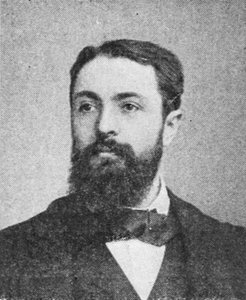
paul émile chabas
1869 - 1937
基本情報
- Artistic Movement Or Style:
- Fauvism
- Modernism
- Artists Or Movements Influenced By This Artist: ['Pablo Picasso']
- Artists Who Influenced This Artist:
- William-Adolphe Bouguereau
- Paul Cézanne
- Date Of Birth: December 31, 1869
- Date Of Death: November 3, 1954
- Full Name: Henri-Émile-Benoît Matisse
- Nationality: French
- Notable Artworks:
- The Red Studio
- Dance (Matisse)
- Place Of Birth: Le Cateau, Picardy, France
関連記事
クロード・モネ傑作25選:光と色彩の印象派を彩る名画の世界 | ArtsDot
クロード・モネの傑作25選。印象派を代表する光の画家、モネの世界を旅しませんか?睡蓮や風景画など、名画の背景にある物語と芸術技法をご紹介。ArtsDotで高品質な複製画とインテリアアートを見つけましょう。全コレクションはこちら。
Soft Hues & Masterpieces: 10 Artworks That Define Delicate Color |
Explore 10 iconic artworks celebrated for their soft color intensity! From Monet's Impressionism to Renoir & Sargent, discover the stories behind these masterpieces. Find museum-quality art reproductions and curated decor ideas at .
The Subdued Resonance: Exploring Emotional Depth & Artistic Nuance within Muted Color Palettes
Explore the captivating world of muted colors in art & design! Discover historical context, psychological effects, techniques, and inspiration for creating serene spaces. Elevate your aesthetic with ArtsDot.
The Subdued Palette: Exploring Emotional Resonance & Aesthetic Impact in Muted Artworks
Explore the power of muted colors in art! Discover the history, psychology & techniques behind serene palettes. Find inspiration & expert advice for creating emotionally resonant spaces with ArtsDot.
ルノワール傑作25選:光と色彩が織りなす印象派の華麗なる世界 | ArtsDot
ルノワールの傑作25選🎨 印象派の光と色彩が輝く世界へ。絵画の背景、技法、そして時代を超えて愛される理由を紐解きます。ArtsDotで高品質な複製画やインテリアアートを見つけ、お部屋に芸術的な彩りを✨ Explore the full collection online!