

 プレビュー
プレビュー
 プリントを購入
 シェアする
シェアする シェアする
シェアする
 詳細を見る
詳細を見る

 ダウンロード
 似ている作品
 X線調査
X線調査 スライドショー
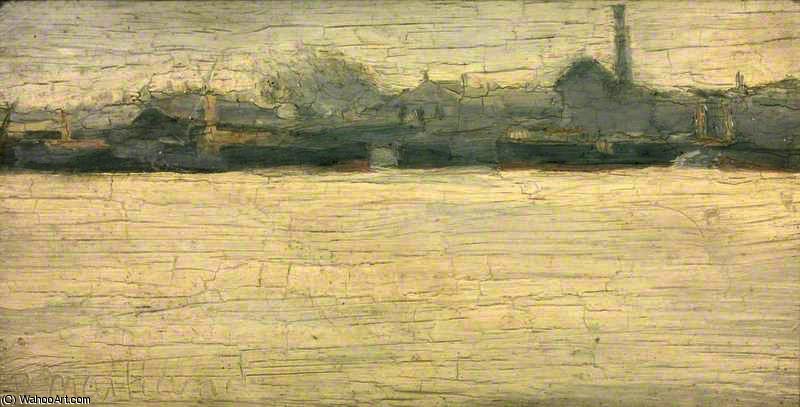
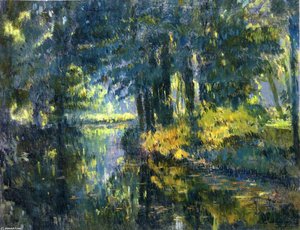
Surrey Side of the River - Grey Day

 詳細を見る
詳細を見る




































作品のオリジナル比率に合わせた、当店の規定サイズからお選びください。

特定のフレームやスペースに合わせて、ご希望のサイズをご入力いただけます。選択されたサイズが元の画像の比率と異なる場合、アートワークをトリミングするか、手描きで要素を追加して絵画を拡張いたします。デジタルモックアップ を制作し、制作開始前にご確認(承認)をいただきます。
画面上のプレビューは、実際のトリミングや拡張を正確に反映しているものではありません。最終的な構図は、モックアップによってのみ正確にご確認いただけます。
カスタムサイズもご利用いただけますが、元の比率を維持するためには、あらかじめ用意されたリストからサイズを選択することをお勧めいたします。
ご注文後、ArtsDot.com チームより詳細な指示をお送りするとともに、仕上がりイメージ(モックアップ)をご提供いたします。


 ガラスオプションは、110cm未満のサイズでのみご利用いただけます。

Surrey Side of the River - Grey Day
複製技法
複製画のサイズ
-


合計金額
$ 263
関連作品
アーティストの略歴
A Quiet Impressionist Voice: The Life of Paul Fordyce Maitland
In the grand, often boisterous tapestry of British art history, certain names shine with a flamboyant brilliance, while others linger like a soft, melancholic mist over a riverbank. Paul Fordyce Maitland (1863–1909) belongs to the latter, an artist whose presence was felt through the subtle textures of his landscapes rather than the roar of fame. Born in the heart of Chelsea, London, Maitland’s early life was shaped by a profound physical struggle; a spinal deformity, known as scoliosis, accompanied him from birth. This condition, while imposing significant physical limitations and fostering a reclusive, introspective temperament, perhaps gifted him with the very sensitivity required to capture the fleeting, quiet nuances of the natural world. His world was often small, bounded by the immediate surroundings of his home, yet within those boundaries, he discovered an infinite depth of light and atmosphere.
Maitland’s artistic journey was nurtured at the Royal College of Art, where he became a pupil of the French émigré painter Theodore Roussel. It was through this pivotal mentorship that Maitland was introduced to the vibrant pulse of the London Impressionist movement. He found himself drawn into the orbit of James McNeill Whistler and became acquainted with the circle of artists that included Walter Sickert and Philip Steer. This connection was more than mere social; it was a profound stylistic infusion. By 1888, Maitland had joined the New English Art Club, standing alongside his contemporaries in exhibitions that challenged the rigid traditions of the Victorian era. His inclusion in the 1889 exhibition at the Goupil Galleries in Paris was a significant milestone, placing his work within the very movement that sought to introduce English-style Impressionism to the French art scene.
The Poetics of Place and Technique
Because his physical condition made the transport of heavy canvases and easels difficult, Maitland’s oeuvre became an intimate study of his immediate surroundings. He turned his gaze toward the Chelsea Embankment, the lush expanses of Kensington Gardens, and the tranquil views across the Thames to Battersea. These locations were not merely subjects but companions in his quiet contemplation. His paintings often reflect a sense of tonal harmony, utilizing a restrained palette of muted greens, somber greys, and earthy browns. Unlike the more vibrant, sun-drenched palettes of their French counterparts, Maitland’s work possesses a uniquely British gravity—a certain weight of atmosphere that evokes the damp, soft light of a London afternoon.
Technically, Maitland was a master of the subtle. He employed loose brushstrokes and the technique of broken colour to capture the shimmering textures of water and the shifting shadows of foliage. His approach was less about the grand spectacle and more about the emotional resonance of a moment. Whether depicting "Barges Anchored Off Battersea Bridge" or the serene "Beech Trees At Sunset, Kensington Gardens," there is an underlying sense of stillness and perhaps a touch of the ephemeral. His work does not merely document a landscape; it seeks to evoke the feeling of being present within its quietest, most overlooked corners.
Legacy and Historical Significance
Though he passed away relatively young in 1909, leaving behind a body of work that remains a poignant window into the late Victorian era, Maitland’s significance lies in his role as a bridge between tradition and modernity. He was one of the first true Impressionists in Britain, helping to cultivate a local movement that prioritized light, atmosphere, and subjective experience over academic precision. His ability to find profound beauty within the constraints of his physical reality serves as a testament to the power of the artistic vision.
Today, Maitland is remembered not as a figure of loud controversy, but as a painter of deep feeling. His landscapes serve as historical echoes of a London that was transitioning from the rural rhythms of the past toward the industrial expansion of the future. To look upon a Maitland painting is to experience a moment of pause—a chance to witness the beauty in the muted, the strength in the subtle, and the enduring soul of the English landscape.
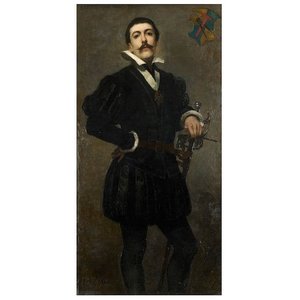
paul fordyce maitland
1863 - 1909 , United Kingdom
基本情報
- Artistic Movement Or Style: Impressionism
- Artists Or Movements Influenced By This Artist: ['James McNeill Whistler']
- Artists Who Influenced This Artist: ['Theodore Roussel']
- Date Of Birth: 1863
- Full Name: Paul Fordyce Maitland
- Nationality: British
- Notable Artworks:
- Boats Moored On The Thames
- Surrey Side of the River - Grey Day
- Folkestone Pier, Kent, Morning
- Place Of Birth: Chelsea, United Kingdom
関連記事

ポール・セザンヌ:至高の25選 - 傑作と革新の軌跡 | ArtsDot
ポール・セザンヌの至高の25選。ポスト印象派を代表する画家、セザンヌの傑作と革新的な技法を紐解きます。ArtsDotで高品質な複製画やインテリアアートを見つけ、芸術の世界をご自宅に。今すぐコレクションをご覧ください。
パウル・クレー傑作25選:色彩と象徴に満ちた芸術の世界 | ArtsDot
パウル・クレーの傑作25選🎨 色彩と象徴に満ちた抽象絵画の世界を旅。ドイツ表現主義からバウハウスまで、クレーの革新的な技法と感動的な作品群をArtsDotで。高品質な美術品複製やインテリアアートも豊富です。オンラインストアで全コレクションをご覧ください。
Impressionistic Landscapes: 10 Masterpieces That Changed Art & Decor
Journey into the heart of Impressionism! Explore 10 masterpieces by Monet, Renoir & Degas that revolutionized landscape art. Discover their stories, techniques & find museum-quality reproductions to elevate your home decor on ArtsDot.com.
印象派風景を彩った至宝:アート史に名を刻む10選
印象派風景の革新を彩った10選。モネ、ルノワールら巨匠の名作を紐解き、色彩と光が生み出す感動の世界へ。アートの歴史とインテリアのインスピレーションをArtsDot.comで。高品質な複製画で、あなただけの空間を創造しましょう。

ロマン派ランドスケープ:時代を彩る巨匠の10選|アートとインテリアの世界
ロマン派絵画の時代を彩る10選。巨匠たちの風景が織りなす感動の世界へ。ターナー、ルーベンスなど、名作の裏話と高精細複製でアートをお部屋に。ArtsDot.comで至福のアート体験を。

