

 プレビュー
プレビュー
 プリントを購入
 シェアする
シェアする シェアする
シェアする
 詳細を見る
詳細を見る

 ダウンロード
 似ている作品
 X線調査
X線調査 スライドショー
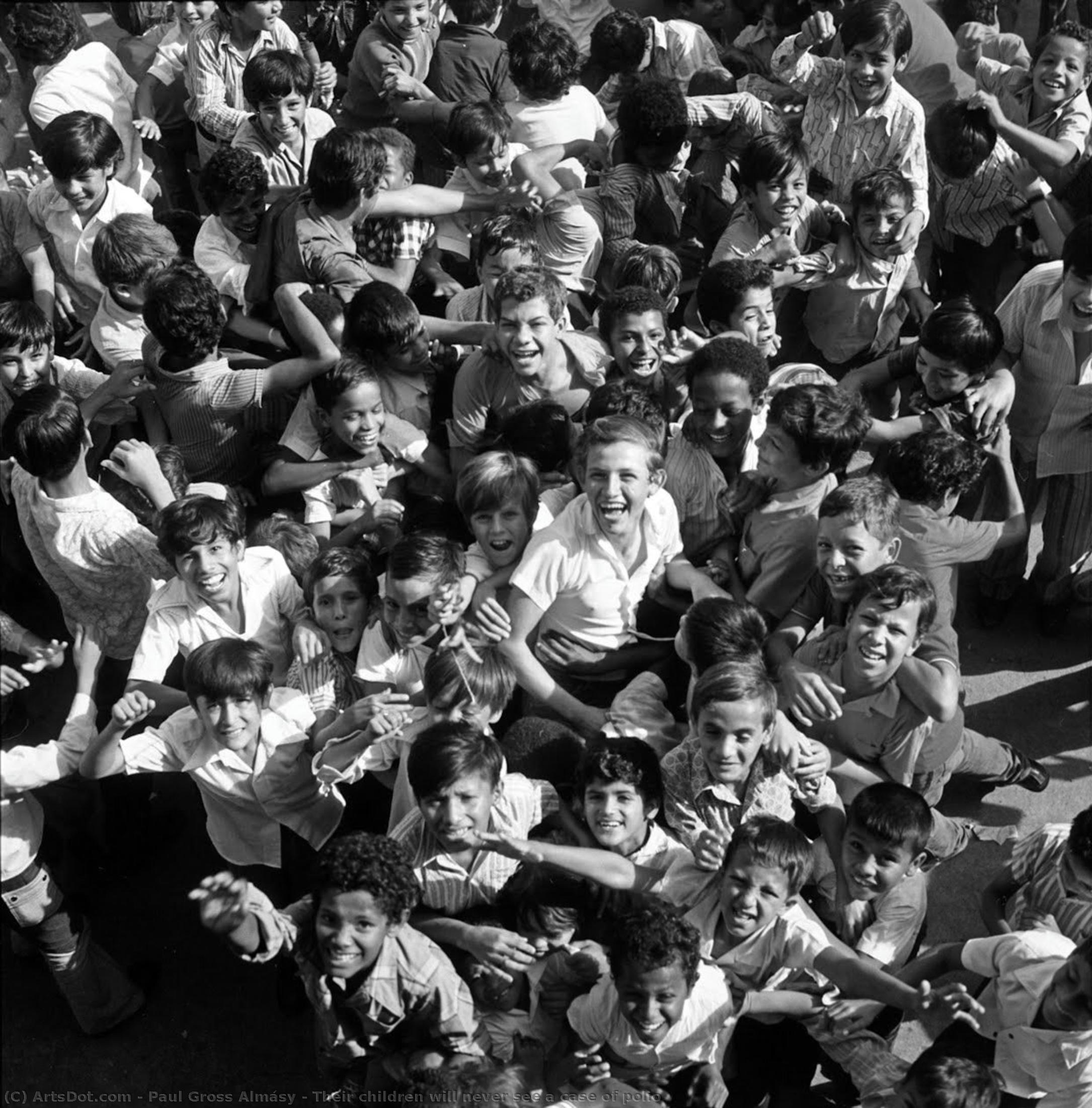
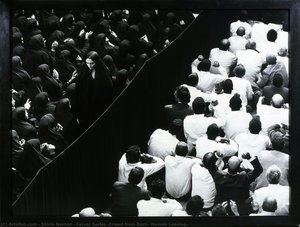
Their children will never see a case of polio


 詳細を見る
詳細を見る
オンラインプレビューをはるかに凌ぐ、高解像度で鮮明なデジタル画像をご購入いただけます。
各ファイルは、社内の専門家が高度なツールと熟練した手作業によるレタッチを用いて、細心の注意を払って準備されています。すべての画像において、卓越した鮮明度、正確な色彩再現性、そして繊細なディテールを保証いたします。
最終ファイルは、プロフェッショナルな編集・印刷環境ですぐにご利用いただけるよう最適化された状態で、72時間以内にメールにてお届けいたします。これは、一流のデザインスタジオ、出版社、ギャラリーから信頼されているものと同等の品質です。
デジタル画像のご注文に付随する特典
高品質なデジタル画像配信を、確かな品質で。
ArtsDot.com を選ぶことは、単に画像を手に入れることではありません。それは、プロの手によって精密に仕上げられ、満足保証が付いた高品質なデジタルアートワークを受け取ることを意味します。ご注文いただいた際に自動的に付随する内容は、以下の通りです:

メールですぐにお届け
ご注文から72時間以内に、高解像度のデジタル画像ファイルがメールでお手元に届きます。すぐにそのままご利用いただけます。

AI技術で最適化されたデジタルファイル
お客様の作品は、高度なAIツールと専門家による手作業の編集を組み合わせてプロフェッショナルに最適化されており、細部のディテール、鮮明さ、そして正確な色再現性を最大限に引き出しています。

一生涯無料の再送サービス
ファイルを誤って削除したり、紛失してしまったりしましたか?ご安心ください。いつでも無料で再送いたします。

輸入手数料は一切かかりません
関税や手数料、配送料を気にすることなく、お気に入りのアートワークをすぐにお楽しみいただけます。デジタルダウンロードは常に免税です。

色彩再現の保証
プロ仕様のツールとカラーマネジメント技術を用いることで、デジタル画像が元の色を最大限に忠実に再現することを保証いたします。

60日間満足保証
ご購入いただいたデジタル画像にご満足いただけない場合は、60日以内であれば、修正または100%の返金(理由を問う必要はありません)をさせていただきます。

100% 返金保証
ご満足いただけない場合は、デジタルファイルを受け取ってから60日以内であれば、理由を問わず全額返金いたします。

まとめ買い割引
3枚購入で10%OFF - 5枚購入で15%OFF - 10枚以上購入で20%OFF。クリエイティブなプロジェクト、ギャラリー、エージェンシーに最適です。
作品の詳細
A Moment Frozen in Time: Paul Almásy’s “Their Children Will Never See a Case of Polio”
Paul Gross Almásy, a name often whispered among aficionados of documentary photography, possessed an extraordinary ability to capture the fleeting essence of human experience. His work transcends mere documentation; it's imbued with empathy and a profound understanding of social history. “Their Children Will Never See a Case of Polio,” created in 1990, stands as a poignant testament to this skill, offering a glimpse into a pivotal moment of public health triumph – the eradication of polio – viewed through the lens of collective joy and hopeful anticipation.
The photograph depicts a densely packed crowd of children and young adults, overwhelmingly African American, gathered together in what appears to be a community celebration. The composition is remarkably dynamic, eschewing a single focal point in favor of a multitude of faces peering out from the mass, creating an immersive experience for the viewer. Almásy’s masterful use of perspective draws us directly into this vibrant scene, conveying a palpable sense of unity and shared optimism. The image isn't staged; it feels genuinely spontaneous, capturing a moment of genuine community spirit.
Technical Mastery and Documentary Precision
Executed in black and white, the photograph’s stark contrasts heighten its emotional impact. Almásy skillfully employs light and shadow to sculpt the figures within the crowd, creating a sense of depth and texture that is both tactile and visually arresting. The grainy quality inherent to the medium adds a layer of authenticity, reminiscent of classic photojournalism from the mid-20th century. The composition itself—a close-up perspective—forces us to confront the faces of these individuals, inviting us to connect with their stories and experiences.
Almásy’s technical approach is remarkably straightforward, prioritizing clarity of image and emotional resonance over elaborate post-processing. The focus remains firmly on capturing the raw energy of the scene – the laughter, the smiles, the shared sense of relief. The photograph's simplicity underscores its power; it’s a testament to Almásy’s ability to tell a compelling story with minimal embellishment.
Symbolism and Historical Context
The title itself—“Their Children Will Never See a Case of Polio”—immediately anchors the image within a specific historical context. The photograph emerged during a time when polio was a terrifying scourge, particularly affecting children. The eradication campaign, spearheaded by Jonas Salk’s vaccine, represented a monumental victory for public health and a beacon of hope for families across the globe. Almásy's image captures this feeling—the anticipation that future generations would be spared the suffering caused by this debilitating disease.
Furthermore, the predominantly African American subject matter is significant. Polio disproportionately affected marginalized communities, highlighting systemic inequalities in healthcare access and outcomes. By centering this group within the frame, Almásy subtly acknowledges the historical injustices faced by these families while simultaneously celebrating their resilience and collective joy. The image becomes a powerful symbol of progress and social justice.
A Legacy of Human Connection
“Their Children Will Never See a Case of Polio” is more than just a photograph; it’s a window into the past, a celebration of human connection, and a reminder of the transformative power of public health initiatives. Paul Almásy's ability to capture such profound emotion with such technical precision solidifies his place as one of the most important documentary photographers of the 20th century. Reproductions of this iconic image offer a valuable opportunity to connect with a pivotal moment in history and appreciate the enduring legacy of hope and resilience.
関連作品


作家の略歴
Paul Almásy: A Pioneer of Documentary Photography
Paul Almásy (29 May 1906 in Budapest – 23 September 2003 in Jouars-Pontchartrain) stands as a monumental figure in the history of twentieth-century photography, recognized primarily for his groundbreaking contributions to documentary and portraiture. Born into an artistic family—his father a painter and his mother a writer—Almásy’s formative years instilled within him a profound appreciation for visual storytelling and observation. This early exposure would prove instrumental in shaping his distinctive artistic vision.- Early Years & Artistic Influences: Almásy's upbringing nurtured by the vibrant Hungarian Art Nouveau movement profoundly impacted his aesthetic sensibilities. He absorbed the stylistic principles championed by artists like Gustav Klimt and Alphonse Mucha, recognizing the power of decorative art to convey emotion and narrative complexity.
- Formal Training & Initial Career: Following his studies in Vienna, Munich and Heidelberg, Almásy embarked on a diplomatic career but swiftly abandoned it for journalism—a path that would ultimately prove more rewarding for his artistic pursuits. He honed his skills as a photojournalist, capturing pivotal moments of the era with unwavering dedication.
Documentary Journalism & The Spanish Civil War
Almásy’s journalistic endeavors propelled him to the forefront of visual documentation during turbulent times. His assignments took him across Europe, documenting the unfolding drama of the Spanish Civil War (1936-1939). Armed with his Leica camera—a revolutionary instrument for its time—he tirelessly pursued compelling images that conveyed the human cost of conflict. These photographs weren’t merely records; they were visceral testimonies to suffering and resilience, capturing the faces of ordinary people caught in extraordinary circumstances. His work during this period established him as a fearless chronicler of history.- World War II & Artistic Exploration: As World War II raged across Europe, Almásy continued his photographic explorations, documenting the hardships endured by civilians under Nazi occupation. Simultaneously, he cultivated his artistic interests, experimenting with landscapes and travel photography—a practice that allowed him to synthesize observation and creative expression.
- Portraiture & Artistic Collaborations: Beyond journalistic endeavors, Almásy distinguished himself as a portrait photographer, capturing the essence of influential figures in art, literature and intellectual circles. He collaborated closely with luminaries such as Pablo Picasso, Salvador Dalí, Jean-Paul Sartre, and Albert Camus—artists whose visions he sought to portray authentically.
Swiss Citizenship & Legacy
In 1956, Almásy embraced Swiss citizenship, marking a significant chapter in his personal life. He remained active as a photographer until his death in 2003, continuing to refine his craft and explore new artistic horizons. His photographs—characterized by meticulous composition and evocative tonal palettes—are held in prestigious museums worldwide, cementing his place among the most respected photographers of the twentieth century. Almásy’s enduring legacy resides not only in his stunning images but also in his unwavering commitment to capturing the human experience with sensitivity and integrity.- Notable Achievements: Almásy's photographic work garnered international acclaim, earning him recognition as a pioneer of documentary photography and establishing him as one of Switzerland’s foremost visual artists. His images continue to inspire admiration for their artistic merit and historical significance.
Influences & Artistic Style
Almásy's photographic style was deeply rooted in the principles of Impressionism and Expressionism, reflecting his fascination with capturing fleeting moments of emotion and atmosphere. He skillfully employed natural light—often favoring overcast conditions—to illuminate his subjects with a soft, diffused glow. His compositions were carefully crafted to guide the viewer’s gaze and convey a sense of immediacy, mirroring the spirit of journalistic observation.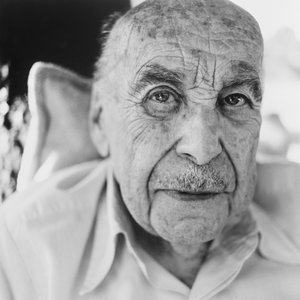
paul gross almásy
1906 - 2003 , Hungary
プロフィール概要
- Artistic Movement Or Style: Documentary photography
- Artists Or Movements Influenced By This Artist: ['']
- Artists Who Influenced This Artist:
- Pablo Picasso
- Salvador Dali
- Jean-Paul Sartre
- Albert Camus
- Date Of Birth: May 29, 1906
- Full Name: Paul Gross Almásy
- Nationality: Hungarian-Swiss
- Notable Artworks:
- People like you and me
- Tour Eiffel
- Paris
- Place Of Birth: Budapest, Hungary

