 プレビュー
プレビュー
 シェアする
シェアする シェアする
シェアする
 詳細を見る
詳細を見る

 ダウンロード
 似ている作品
 X線調査
X線調査 スライドショー
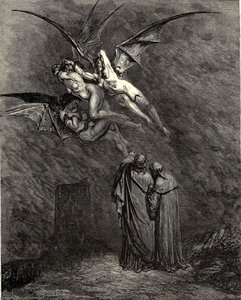
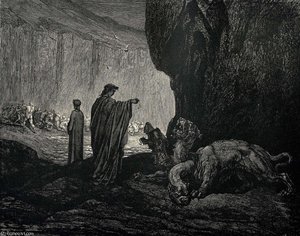
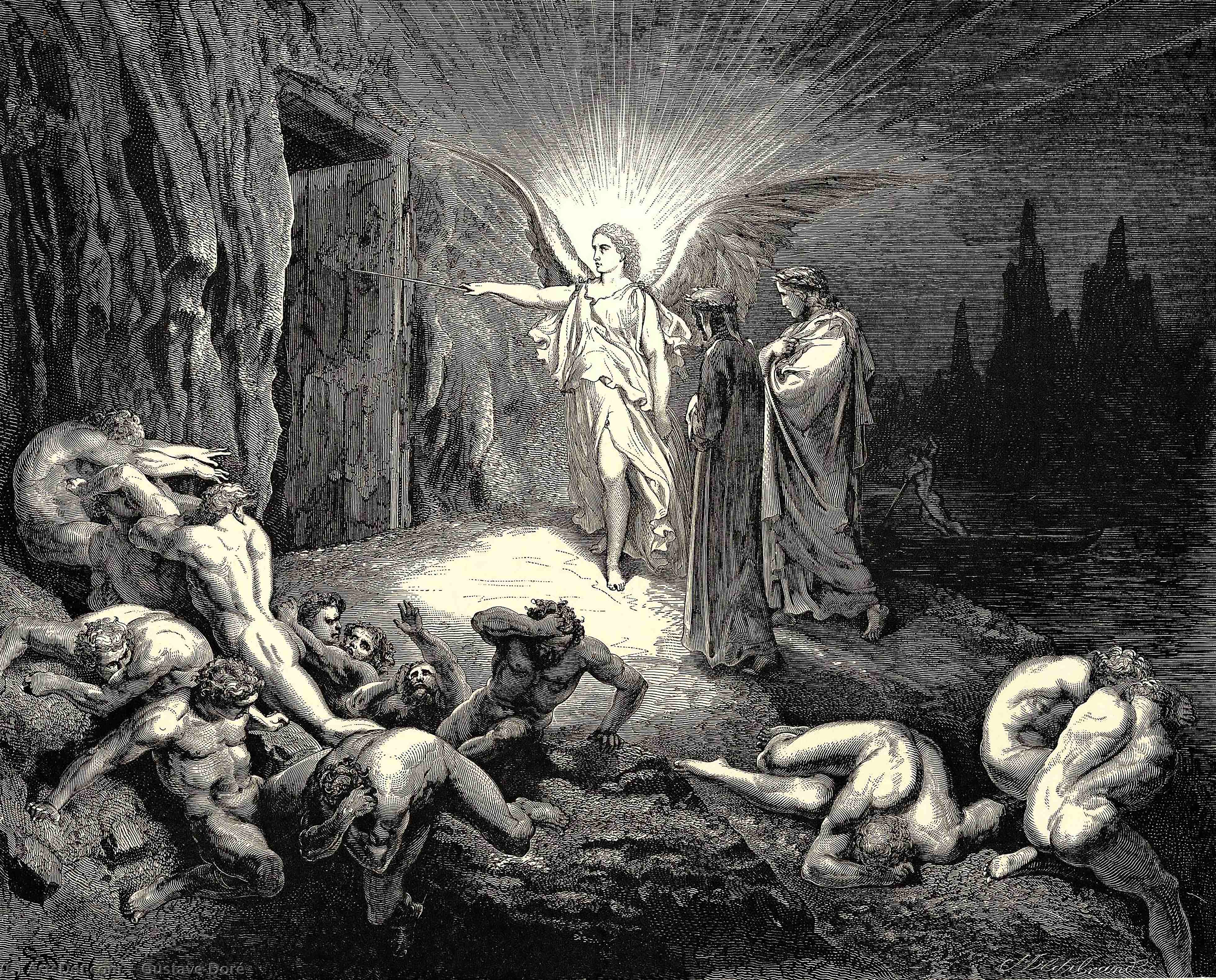
The Inferno, Canto 9, lines 87-89. To the gate He came, and with his wand touch’d it, whereat Open without impediment it flew.


 詳細を見る
詳細を見る
ジークレー/アートプリント
迅速な制作と多彩な仕上げオプションを備えた、ミュージアムクオリティのジークレーまたはキャンバスプリント。 ( 手描きの絵画を購入 画像を購入)




P118B $10

P118H $10

P118W $10

P438Z $10

P508JH $12

P508YH $12

P805H $10

P805Z $10

P919BZ $10

P919G $10

P919XJ $10

P959ZH $10

P968JZ $12

W106C $8

W218G $10

W218JH $8

W218Y $10

W307PJ $10

W316G $10

W316PJ $8

W316Y $10

W398PJ $8

W4111J $10

W500HY $15

W500JH $15

W692G $12

W849H $8

W940BG $15

W953PJ $8




作品のオリジナル比率に合わせた、当店の規定サイズからお選びください。

特定のフレームやスペースに合わせて、ご自身でサイズを指定することも可能です。選択されたサイズが元の画像の比率と一致しない場合、作品をトリミングするか、鏡面反射または単色での塗りつぶしによって画像を拡張いたします。制作を開始する前に、ご確認用のデジタルモックアップをお送りいたします。
画面上のプレビューには、実際のトリミングや拡張は反映されませんのでご注意ください。最終的な構図を正確に確認できるのは、モックアップのみとなります。
カスタムサイズも承っておりますが、元の比率を維持するためには、あらかじめ用意されたリストからサイズを選択することをお勧めいたします。


 ガラスオプションは、110cm未満のサイズでのみご利用いただけます。

The Inferno, Canto 9, lines 87-89. To the gate He came, and with his wand touch’d it, whereat Open without impediment it flew.
ジークレー/アートプリント
複製画のサイズ
-


合計金額
$ 62
The Inferno's Gate: A Descent into Doré’s Vision
Paul Gustave Doré’s “The Inferno, Canto 9, lines 87-89,” is more than just an illustration; it’s a visceral plunge into the heart of Dante Alighieri’s epic poem. Executed as a meticulously detailed black and white engraving, this artwork captures a pivotal moment – the arrival of an angel who opens the gate to Hell itself. Born in Strasbourg in 1832, Doré was a master of dramatic illustration, renowned for his ability to translate literary narratives into powerfully evocative images. His work, particularly within the context of illustrating Dante’s “Divine Comedy,” cemented his place as one of the most influential artists of the 19th century, and this particular engraving exemplifies his unparalleled skill in rendering both the terrifying grandeur and profound psychological depth of the text.
- Subject Matter: The scene depicts a dramatic confrontation between divine intervention and eternal torment. An angel, positioned as a beacon of hope amidst despair, uses his wand to unlock the gate leading into Hell’s depths.
- Style: Doré's style is characterized by its Romantic sensibility – an emphasis on emotion, drama, and the sublime. His work reflects the anxieties and spiritual concerns of his time, while simultaneously showcasing a remarkable technical mastery.
Technique and Craftsmanship: The Art of the Engraving
Doré’s genius lay in his command of the engraving process. He worked primarily with steel or copper plates, meticulously carving intricate lines using specialized tools. This painstaking technique resulted in an image brimming with texture and depth – a testament to Doré's dedication and precision. The resulting monochrome effect amplifies the drama, creating stark contrasts between light and shadow that heighten the sense of unease and foreboding. Note the incredibly fine, closely spaced lines used for shading; this creates subtle gradations in tone, giving the impression of voluminous fabric and a palpable sense of weight to the angel’s robes.
- Process: The engraving process involved creating a matrix (the metal plate) through careful etching. Ink was then applied evenly across the surface, and paper was pressed onto the plate under immense pressure, transferring the image with astonishing clarity.
- Line Work: Doré’s masterful use of hatching and cross-hatching creates a rich textural effect, simulating the rough surfaces of the rock formations and the tormented bodies of the damned.
Symbolism and Emotional Resonance
Beyond its technical brilliance, “The Inferno” is laden with symbolic meaning. The angel represents divine grace and the possibility of redemption, offering a fleeting moment of respite for the suffering souls below. The gate itself symbolizes the barrier between the earthly realm and the horrors of Hell, while the wand serves as a potent emblem of power and authority. The composition – the central figure of the angel contrasted against the chaotic arrangement of figures – powerfully conveys the struggle between good and evil, hope and despair. The scene evokes feelings of fear, anguish, and confinement, mirroring the emotional intensity of Dante’s original text.
Historical Context and Legacy
Doré's illustrations for “The Divine Comedy” were hugely influential, playing a significant role in popularizing Dante’s work and shaping perceptions of Hell for generations. The Museo Civico Viterbo, Italy, houses one of the many surviving examples of his engravings, ensuring that this powerful image continues to be appreciated today. This particular engraving stands as a testament to Doré's ability to capture not just the literal details of Dante’s vision, but also its profound emotional and spiritual core.
関連作品
アーティストの略歴
光と影の刻印:ギュスターヴ・ドレの生涯
1832年1月6日、フランスのストラスブールで生まれたポール・ギュスタヴ・ルイ・クリストフ・ドレ、通称ギュスターヴ・ドレは、イラストレーション、絵画、彫刻という異なる芸術分野を驚くべき才能で横断した人物でした。彼の人生は、ロマン主義が依然として隆盛を誇りながらも新たなリアリズムや象徴主義の潮流が台頭する激動の時代に展開しました。幼い頃から並外れた才能を発揮し、15歳という若さでフランスの風刺雑誌『Le Journal pour rire』の風刺画家としてプロのキャリアをスタートさせました。この初期の経験は、観察力と構図力を磨き、パリの喧騒の中でサタイアの世界に身を置くことで、その後の芸術的発展の基盤となりました。ドレの才能は、単なる絵画技術にとどまらず、年輪を超えた成熟した個性を示唆していました。彼の作品にはしばしば複雑でメランコリックなテーマが潜み、それが彼の芸術全体に一貫性をもたらしました。文学巨匠との協働:イラストレーターとしての台頭
ドレの初期の仕事は、その後の名声を確立するための礎となりました。『ヘラクレスの功業』(1847年)、『理解されず不満な三人の芸術家』(1851年)、『快適な旅行の不快感』(1851年)といった作品は、ダイナミックな構図と光と影の巧みな使い方が示されており、初期の作品ながらもその才能を遺憾なく発揮していました。彼は特にJ.J.グランヴィルのイラストレーションに強い影響を受け、その幻想的なイメージと風刺的なエッジはドレ自身の芸術的スタイルを形成する上で重要な役割を果たしました。しかし、彼が真に名声を確立したのは、文学の巨匠たちとの協働を通じてでした。1853年にロード・バイロンの作品の挿絵を手掛けたことで、さらなる高尚なプロジェクトへの道が開かれました。その後の聖書の挿絵という壮大な事業は、彼の芸術を世界中の広範な聴衆に届け、国際的な評価を確立しました。セルバンテスの『ドン・キホーテ』の挿絵(1860年代)も特に大きな影響を与え、登場人物や物語に対する後世の解釈に深く影響を与えました。ドレは単に物語を描写するだけでなく、それを再解釈し、読者の想像力を捉える劇的な強烈さで物語を表現しました。エドガー・アラン・ポーの『大鴉』の豪華版(1883年)は、ハーパー&ブラザーズから3万フランという高額な報酬を得て、芸術的評価と商業的成功の両立を示すこととなりました。特にブランチャード・ジェロルドとの共同作業による『ロンドン:巡礼』(1872年)は、ヴィクトリア朝の貧困の実態を痛烈に描き出し、社会問題に対する議論を巻き起こしました。技術の巨匠:木版画とロマン主義のビジョン
ドレの芸術的才能は、想像力豊かなビジョンの他に、特に木版画という技術における卓越した習熟にもありました。彼はこの技法を通して、信じられないほど詳細で劇的なイメージを生み出す並外れた能力を持っていました。その構図はダイナミックであり、光と影の強いコントラスト(キアロスクーロ)が特徴であり、畏敬の念や恐怖感さえ呼び起こす壮大な感覚を醸し出しています。彼はしばしばブロック彫刻家のチームを結成し、自身のデザインを木版画に翻訳することで、出版社や読者の需要に応えるための効率的な生産体制を確立しました。彼のスタイルはロマン主義の伝統に深く根ざしており、感情、想像力、そして崇高—自然の圧倒的な力と人間の状態に対する魅力—を強調しています。彼は単なる情景描写にとどまらず、高揚した感情性と劇的な演出を通してそれらを解釈していました。このアプローチは多くの人々から賞賛されましたが、一部の同時代人からは過度に演劇的であるとか、繊細さに欠けるといった批判も受けました。遺産と永続的な影響
ギュスターヴ・ドレは1861年にフランス政府からシュバリエ・デ・レジオン・ドヌール勲章を授与され、芸術界における彼の地位が確立されました。しかし、彼の真の遺産は、受賞や称賛を超越しています。彼のイラストレーションは世代を超えて視覚文化に大きな影響を与え、多くのアーティストや読者を魅了し続けています。フィンセント・ファン・ゴッホもまた、ドレの作品、特に苦難と貧困の描写から強いインスピレーションを受け、人類の苦悩に対する共通の感受性を認めていました。彼の生涯において批判もあったものの、ドレの作品は現在では芸術的価値と歴史的重要性をもって高く評価されています。彼のイラストレーションは、古典文学やヴィクトリア朝社会への理解を深め、時代を超越した物語とテーマの強力な視覚解釈を提供し続けています。1883年1月23日にその生涯を閉じましたが、彼は今なお人々の心を捉え、鼓舞する膨大な作品群を残しました。彼の芸術は、世界を単に描写するだけでなく、それを解釈し、変革するイラストレーションの力を証明するものなのです。主な作品
- ロンドンの花売り (1875年): ヴィクトリア朝時代の貧困と回復力に対する感動的な描写であり、苦難の中で家族の絆を描いています。
- キリスト教の殉教者たち: 信仰と迫害を力強い感情で描いた劇的な傑作です。
- ダンテの地獄の挿絵: 最も象徴的な作品の一つであり、これらの版画はダンテの地獄の恐ろしいビジョンを比類なき強さで描き出しました。
- ミルトンの失楽園の挿絵: この叙事詩へのドレの解釈は、その壮大さと劇的な演出で知られています。
- 永遠にさまようユダヤ人: 当時の反ユダヤ主義的傾向を反映した作品ですが、非常に人気がありました。
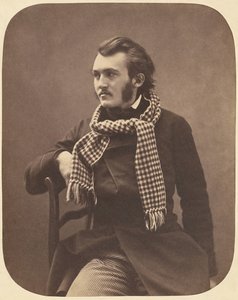
ギュスターヴ・ドレ
1832 - 1883 , フランス
基本情報
- フルネーム: ポール・ギュスターヴ・ドレ
- 主な作品:
- ドン・キホーテ
- ダンテの神曲
- ロンドンの巡礼
- 聖書
- エドガー・アラン・ポー
- 出生地: ストラスブール、フランス
- 国籍: フランス人
- 影響を与えたアーティスト: ['フィンセント・ファン・ゴッホ']
- 影響を受けたアーティスト: ['J.J. グランヴィル']
- 死亡年月日: 1883年1月23日
- 生年月日: 1832年1月6日
- 芸術運動またはスタイル: ロマン主義
関連記事
ダンテ・ガブリエル・ロセッティ傑作25選:美と象徴が織りなす芸術の世界 | ArtsDot
ダンテ・ガブリエル・ロセッティの傑作25選。プレラファエライトの象徴主義、美しい女性画の世界へ。油絵やアートプリントで、リビングや寝室を彩るインテリアアートを見つけましょう。ArtsDot.comで名画コレクションを探索。
Engraving: A Historical Survey of Technique, Artistic Expression & Enduring Legacy
Explore the rich history of engraving with ArtsDot. Discover techniques, iconic artists like Dürer & Callot, collecting tips, and expert guidance for preserving your art investment. Learn about intaglio printing & more!
Engraving's Golden Age: 10 Masterpieces That Redefined Art | ArtsDot
Journey through art history with our Top 10 Legendary Engravings! Explore masterpieces by Dürer, Rembrandt & Goya. Discover the stories behind these iconic prints and find museum-quality reproductions for your home at ArtsDot.com.

Giclée Prints: Archival Quality & Aesthetic Nuances for the Discerning Collector
Explore the world of giclée prints with ArtsDot. Learn about archival quality, aesthetic nuances & investment potential. Expert guidance for discerning art collectors seeking museum-quality reproductions and lasting value.
The Intricate World of Engraving: A Historical Survey of Technique, Artistic Expression & Enduring Legacy
Explore the rich history of engraving with ArtsDot. Discover techniques, iconic artists like Dürer & Callot, collecting tips, and expert guidance for preserving your art investment. Learn about intaglio printing & more!