

 プレビュー
プレビュー
 プリントを購入
 シェアする
シェアする シェアする
シェアする
 詳細を見る
詳細を見る

 ダウンロード
 似ている作品
 X線調査
X線調査 スライドショー
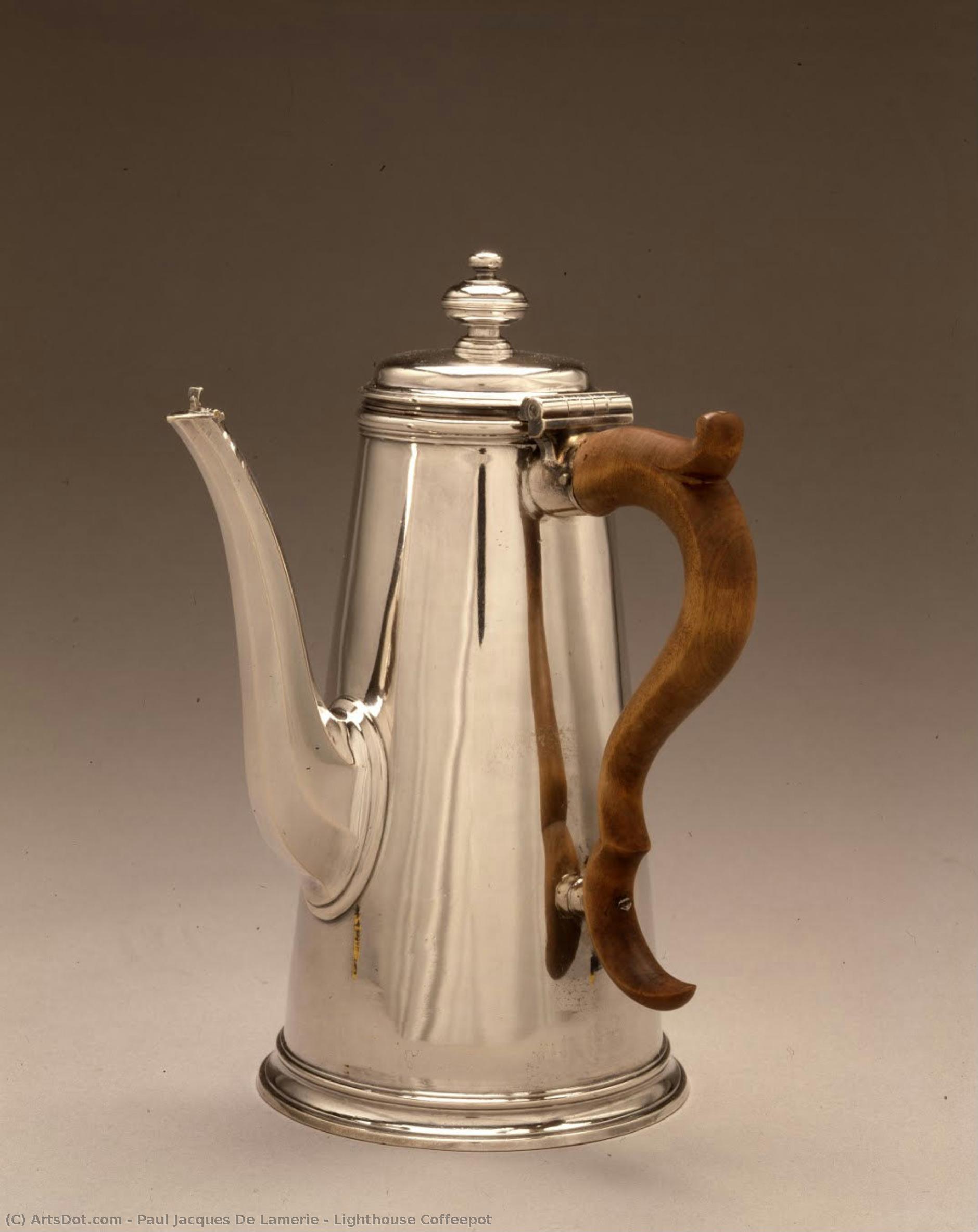
Lighthouse Coffeepot

 詳細を見る
詳細を見る




































作品のオリジナル比率に合わせた、当店の規定サイズからお選びください。

特定のフレームやスペースに合わせて、ご希望のサイズをご入力いただけます。選択されたサイズが元の画像の比率と異なる場合、アートワークをトリミングするか、手描きで要素を追加して絵画を拡張いたします。デジタルモックアップ を制作し、制作開始前にご確認(承認)をいただきます。
画面上のプレビューは、実際のトリミングや拡張を正確に反映しているものではありません。最終的な構図は、モックアップによってのみ正確にご確認いただけます。
カスタムサイズもご利用いただけますが、元の比率を維持するためには、あらかじめ用意されたリストからサイズを選択することをお勧めいたします。
ご注文後、ArtsDot.com チームより詳細な指示をお送りするとともに、仕上がりイメージ(モックアップ)をご提供いたします。


 ガラスオプションは、110cm未満のサイズでのみご利用いただけます。

Lighthouse Coffeepot
複製技法
複製画のサイズ
-


合計金額
$ 263
関連作品










アーティストの略歴
Paul Jacques de Lamerie: The King’s Silversmith of Georgian England
Paul Jacques de Lamerie (9 April 1688 – 1 August 1751) stands as a towering figure in the history of English silversmithing, often hailed as the “greatest silversmith working in England in the 18th century.” His legacy isn’t simply one of exquisite craftsmanship; it's a reflection of a pivotal moment where continental European artistry – particularly French and Dutch influences – profoundly shaped British design. Born in ‘s-Hertogenbosch, Netherlands, to a minor French Huguenot nobleman who sought refuge in London following the Edict of Fontainebleau, de Lamerie’s early life was marked by displacement and a rich artistic heritage. His father's service within William III’s army brought them to England, where he later died in poverty, leaving a lasting impact on his son’s career. De Lamerie’s journey is one of remarkable ascent, transforming from an apprentice under Pierre Platel to becoming the favored silversmith of royalty and nobility – earning the prestigious title of “King’s Silversmith” by 1717.Early Training and Apprenticeship
De Lamerie's artistic foundation was meticulously laid during his apprenticeship under Pierre Platel, a highly respected goldsmith of Huguenot descent in London. This early training instilled within him the classical French aesthetic that would become a hallmark of his work – elegant lines, refined proportions, and an emphasis on symmetry. Platel’s influence is evident in de Lamerie's initial pieces, characterized by their simplicity and adherence to established Queen Anne-style designs. However, it was through this foundational period that he began to develop his own distinctive style, foreshadowing the opulent Rococo flourishes that would define his later career. The apprenticeship provided a crucial grounding in technique, preparing him for the demanding commissions that awaited him.Royal Patronage and Artistic Flourishing
De Lamerie’s talent quickly garnered recognition, culminating in his appointment as goldsmith to King George I in 1716 – a testament to his exceptional skill and growing reputation. This royal patronage opened doors to a dazzling array of commissions from the highest echelons of British society. He crafted stunning pieces for Tsarinas Anna and Catherine, Count Aleksey Bobrinsky, Sir Robert Walpole, and numerous other aristocratic figures. His workshop became a hub of artistic activity, attracting skilled artisans and contributing significantly to the burgeoning silver industry in London. Notably, he even served the Portuguese Court before losing favor during the tumultuous events surrounding the 1755 Lisbon earthquake, where one of his monumental silver bathtubs tragically perished.Style and Technique: Rococo Grandeur
While initially rooted in classical French design, de Lamerie’s style evolved dramatically throughout his career, culminating in a breathtaking embrace of the Rococo aesthetic during the 1730s. This shift is exemplified by works often attributed to an “unidentified craftsman” within his workshop – pieces characterized by intricate scrollwork, shell motifs, and a profusion of delicate ornamentation. These designs were far removed from the restrained elegance of his earlier work, showcasing a remarkable mastery of detail and a willingness to experiment with innovative techniques. The use of chased decoration, engraving, and gilding created surfaces that shimmered with light and reflected the opulence of the era. His pieces are not merely functional objects; they are miniature works of art, imbued with a sense of movement and dynamism.Legacy and Historical Significance
Despite the volume of work bearing his mark – suggesting subcontracting to other London silversmiths – de Lamerie’s influence on 18th-century British silver is undeniable. His designs set a new standard for elegance, sophistication, and technical virtuosity. The “King’s Silversmith” title reflects not only his royal commissions but also the widespread admiration of his peers and collectors. The Ashmolean Museum in Oxford houses the Treby toilet service – a remarkable collection of 29 silver pieces created by de Lamerie – offering a tangible glimpse into the breadth of his talent. Even today, his work continues to be celebrated for its beauty, craftsmanship, and historical significance, solidifying his place as one of England’s most important silversmiths. The lawsuit involving a chimney sweep's jewel further cemented his reputation, demonstrating both his skill and the complexities of trade practices during that period. His story is a compelling blend of artistic genius, royal patronage, and the vibrant commercial landscape of Georgian London.
paul jacques de lamerie
1688 - 1751 , United Kingdom
基本情報
- Artistic Movement Or Style: Rococo, Georgian Silverware
- Artists Or Movements Influenced By This Artist: ['French Huguenots']
- Artists Who Influenced This Artist: ['Pierre Platel']
- Date Of Birth: April 9, 1688
- Date Of Death: August 1, 1751
- Full Name: Paul Jacques de Lamerie
- Nationality: British
- Notable Artworks:
- Covered Cup
- Lighthouse coffeepot
- Coffee Jug
- Place Of Birth: London, United Kingdom