 プレビュー
プレビュー
 プリントを購入
 シェアする
シェアする シェアする
シェアする
 詳細を見る
詳細を見る

 ダウンロード
 似ている作品
 X線調査
X線調査 スライドショー
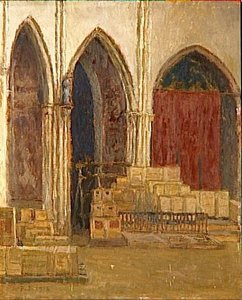
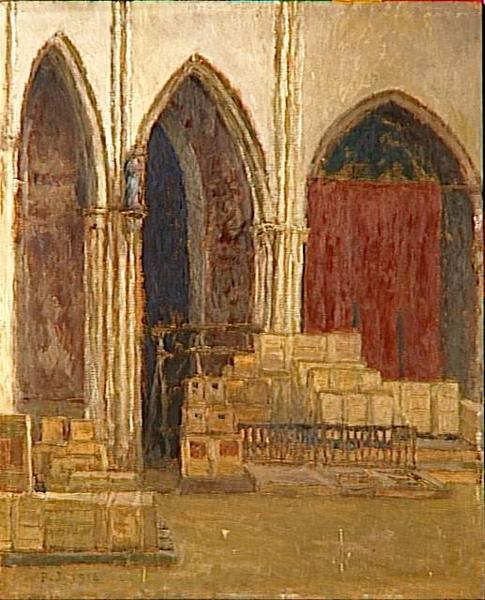
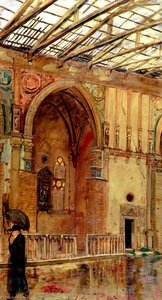
VUE INTERIEURE DE L'EGLISE DES JACOBINS DE TOULOUSE EN 1918


 詳細を見る
詳細を見る
オンラインプレビューをはるかに凌ぐ、高解像度で鮮明なデジタル画像をご購入いただけます。
各ファイルは、社内の専門家が高度なツールと熟練した手作業によるレタッチを用いて、細心の注意を払って準備されています。すべての画像において、卓越した鮮明度、正確な色彩再現性、そして繊細なディテールを保証いたします。
最終ファイルは、プロフェッショナルな編集・印刷環境ですぐにご利用いただけるよう最適化された状態で、72時間以内にメールにてお届けいたします。これは、一流のデザインスタジオ、出版社、ギャラリーから信頼されているものと同等の品質です。
デジタル画像のご注文に付随する特典
高品質なデジタル画像配信を、確かな品質で。
ArtsDot.com を選ぶことは、単に画像を手に入れることではありません。それは、プロの手によって精密に仕上げられ、満足保証が付いた高品質なデジタルアートワークを受け取ることを意味します。ご注文いただいた際に自動的に付随する内容は、以下の通りです:

メールですぐにお届け
ご注文から72時間以内に、高解像度のデジタル画像ファイルがメールでお手元に届きます。すぐにそのままご利用いただけます。

AI技術で最適化されたデジタルファイル
お客様の作品は、高度なAIツールと専門家による手作業の編集を組み合わせてプロフェッショナルに最適化されており、細部のディテール、鮮明さ、そして正確な色再現性を最大限に引き出しています。

一生涯無料の再送サービス
ファイルを誤って削除したり、紛失してしまったりしましたか?ご安心ください。いつでも無料で再送いたします。

輸入手数料は一切かかりません
関税や手数料、配送料を気にすることなく、お気に入りのアートワークをすぐにお楽しみいただけます。デジタルダウンロードは常に免税です。

色彩再現の保証
プロ仕様のツールとカラーマネジメント技術を用いることで、デジタル画像が元の色を最大限に忠実に再現することを保証いたします。

60日間満足保証
ご購入いただいたデジタル画像にご満足いただけない場合は、60日以内であれば、修正または100%の返金(理由を問う必要はありません)をさせていただきます。

100% 返金保証
ご満足いただけない場合は、デジタルファイルを受け取ってから60日以内であれば、理由を問わず全額返金いたします。

まとめ買い割引
3枚購入で10%OFF - 5枚購入で15%OFF - 10枚以上購入で20%OFF。クリエイティブなプロジェクト、ギャラリー、エージェンシーに最適です。
Paul Jamot’s “Vue intérieure de l’église des Jacobins de Toulouse” – A Window into Parisian Impressionism
Paul Jamot's "Vue intérieure de l’église des Jacobins de Toulouse," painted in November 1918, stands as a testament to the enduring power of Impressionist art and its ability to capture not just visual reality but also the emotional atmosphere of a pivotal moment in history. This monumental canvas—measuring approximately 41.5 x 27.3 cm (RF 1941 17)—offers viewers an immersive experience into the grandeur of Toulouse Cathedral during the tumultuous years following World War I.- Subject Matter: The artwork focuses squarely on architectural detail—specifically, three towering Gothic arches dominating the cathedral interior. These arches are juxtaposed with stacked boxes representing scaffolding and construction materials, subtly hinting at the ongoing efforts to rebuild France after the devastation of the war.
- Style & Technique: Jamot’s approach aligns perfectly with Impressionism's core tenets. Visible brushstrokes create a textured surface, prioritizing capturing light and color over precise representation. The palette is dominated by earthy hues—ochre, red, and brown—reflecting the stone walls of the cathedral and conveying a sense of solemnity and resilience.
- Historical Context: Painted in 1918, “Vue intérieure” encapsulates the spirit of recovery and optimism that characterized France’s post-war period. The cathedral served as a symbol of national unity and faith amidst the challenges posed by rebuilding society after immense loss.
- Materials & Medium: Oil paint on canvas – a traditional medium that allows for rich pigment saturation and nuanced blending, ensuring the artwork retains its vibrancy over time.
- Provenance: The painting was bequeathed to the Musée du Louvre in 1941 by Paul Jamot himself, cementing its place within Parisian art history and demonstrating his commitment to preserving artistic heritage.
Exploring Paul Jamot’s Artistic Vision
Paul Jamot (1863-1939) was a prominent figure in French Impressionism, alongside luminaries like Monet and Renoir. His artistic journey began with an early fascination for the landscapes of Provence—a region that would inspire countless paintings throughout his career. However, it was his encounter with Edvard Munch’s “The Scream” – a seminal work exploring themes of anxiety and existential dread – that profoundly shaped Jamot's own artistic sensibilities.- Influences: Munch’s expressive use of color and form served as an impetus for Jamot to delve deeper into the psychological dimensions of painting, prioritizing conveying emotion over strict realism.
- Notable Works Beyond “Vue intérieure”: Jamot produced a diverse body of work encompassing landscapes, portraits, and still lifes—each infused with his distinctive Impressionistic style and imbued with a sensitivity to capturing fleeting moments of beauty and feeling.
* Wikipedia: https://en.wikipedia.org/wiki/Paul_Jamot – Provides biographical details and an overview of his artistic output.
* Louvre Museum Database:https://collections.louvre.fr/en/art/paul-jamot-vue-interieure-de-l-eglise-des-jacobins-de-toulous-AQSU2B-en/ – Offers comprehensive information about “Vue intérieure,” including dimensions, materials, and provenance.
* Image Search:https://ArtsDot.com/en/art/paul-jamot-vue-interieure-de-l-eglise-des-jacobins-de-toulous-AQSU2B-en/?srsltid=AfmBOoouRffRY5wOQ3PHJtqGw5OAU_rRSC5ewaVePFmWEjg3mjBS2eHj – Allows you to view a high-resolution image of “Vue intérieure” and discover related artworks by Jamot.
関連作品


作家の略歴
A Polymath of the Arts: The Life and Legacy of Paul Jamot
Born in Paris on December 22, 1863, Paul Jamot was a man whose life was defined by an extraordinary intersection of artistic creation, scholarly rigor, and cultural stewardship. While many remember him as a painter, his influence extended far beyond the canvas, reaching into the very foundations of French museum curation and archaeological discovery. An alumnus of the prestigious École normale supérieure, Jamot possessed a rare intellectual versatility that allowed him to navigate the delicate realms of both fine art and classical history with equal grace. His early years were marked by an adventurous spirit, exemplified by his membership in the French School at Athens in 1887, where he embarked on profound explorations of the Greek landscape, specifically the valley of the Spercheios and the ancient sites of Argos.
The scholarly pursuits of Jamot were as much about preservation as they were about discovery. Between 1888 and 1891, he led significant excavations in the valley of the Muses in Thespies, a period that cemented his reputation as a meticulous researcher. His dedication to antiquity resulted in the collection of vital inscriptions, including the famed stele of Hesiod, and culminated in the publication of his evocative travelogue, En Grèce avec Charalambos Eugénidis. This deep connection to the classical past provided a structural and historical weight to his artistic sensibilities, informing a worldview that saw the beauty of the ancient world reflected in the contemporary light of his own era.
The Impressionist Vision and Architectural Grandeur
As an artist, Jamot found himself deeply immersed in the evolving language of Impressionism. His work often sought to capture the ephemeral qualities of light and atmosphere, moving away from rigid academicism toward a more sensory experience of space. One of his most poignant achievements can be seen in his depictions of sacred architecture, such as his masterful views of the Église des Jacobins de Toulouse. In these works, painted during the transformative years of the First World War, Jamot utilized visible brushstrokes and a rich, earthy palette of ochre and umber to breathe life into Gothic arches and stone interiors.
His technique was not merely about recording a scene but about evoking a mood—a symphony of light and silence. In his 1916 and 1918 canvases of the Toulouse cathedral, he captured the structural majesty of the space while subtly hinting at the resilience of France during a period of immense national upheaval. Through the use of diffused lighting and textured surfaces, Jamot transformed architectural studies into profound meditations on spirituality and the passage of time, proving that the Impressionist method could convey both the physical weight of history and the lightness of a passing moment.
A Legacy of Stewardship and Cultural Enrichment
Beyond his personal creative output, Paul Jamot’s most enduring contribution to the art world may lie in his role as a guardian of cultural heritage. As a distinguished curator and museum director, he held significant positions that shaped the collections of France's most beloved institutions. His career saw him serving as an honorary curator of the Louvre and as the director of the Reims museum from 1927 until his death in 1939. His expertise was recognized with the highest honors, including being named a commandeur of the Legion of Honour and becoming a member of the Institute of France.
Jamot’s devotion to art was ultimately selfless; he bequeathed to the city of Reims a magnificent collection of paintings that serves as a testament to his discerning eye. This collection, featuring masters such as Corot, Courbet, and Delacroix, ensures that his passion for beauty continues to inspire generations of viewers. Through his dual identity as a painter who captured the light of the present and a curator who preserved the shadows of the past, Paul Jamot remains a vital figure in the narrative of French cultural history.
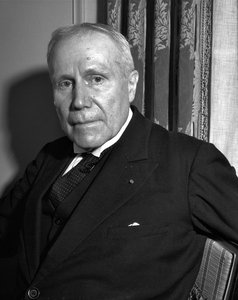
paul jamot
1863 - 1939
プロフィール概要
- Artistic Movement Or Style: Expressionism, Symbolism
- Artists Or Movements Influenced By This Artist: ['German Expressionism']
- Artists Who Influenced This Artist:
- Vincent van Gogh
- Paul Gauguin
- Date Of Birth: December 12, 1863
- Date Of Death: January 23, 1944
- Full Name: Edvard Munch
- Nationality: Norwegian
- Notable Artworks:
- The Scream
- Madonna
- Death
- Place Of Birth: Løten, Norway