

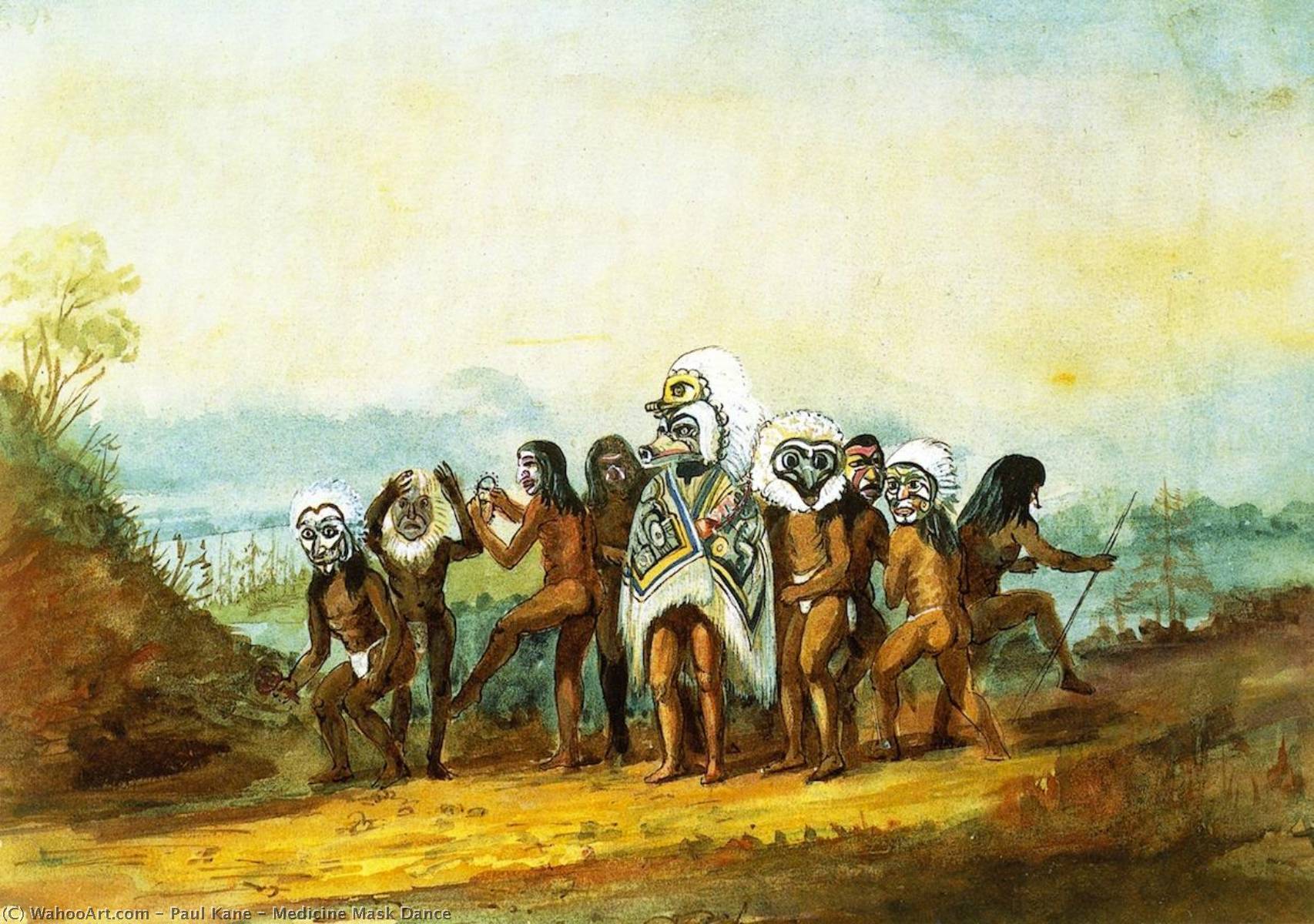
 プレビュー
プレビュー
 シェアする
シェアする シェアする
シェアする
 詳細を見る
詳細を見る

 ダウンロード
 似ている作品
 X線調査
X線調査 スライドショー
 Stats
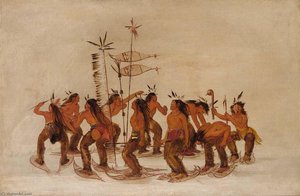
StatsMedicine Mask Dance

 詳細を見る
詳細を見る
手描き油彩複製画
当社のアーティストが、お客様のご希望のサイズと額縁に合わせて、キャンバスに手描きで制作する油彩画です。 ( Switch to Print Switch to Digital Image)




































作品のオリジナル比率に合わせた、当店の規定サイズからお選びください。

特定のフレームやスペースに合わせて、ご希望のサイズをご入力いただけます。選択されたサイズが元の画像の比率と異なる場合、アートワークをトリミングするか、手描きで要素を追加して絵画を拡張いたします。デジタルモックアップ を制作し、制作開始前にご確認(承認)をいただきます。
画面上のプレビューは、実際のトリミングや拡張を正確に反映しているものではありません。最終的な構図は、モックアップによってのみ正確にご確認いただけます。
カスタムサイズもご利用いただけますが、元の比率を維持するためには、あらかじめ用意されたリストからサイズを選択することをお勧めいたします。
ご注文後、ArtsDot.com チームより詳細な指示をお送りするとともに、仕上がりイメージ(モックアップ)をご提供いたします。


 ガラスオプションは、110cm未満のサイズでのみご利用いただけます。

Medicine Mask Dance
複製技法
複製画のサイズ
-


合計金額
$ 413
関連作品
アーティストの略歴
A Pioneer of the Canadian West: The Life and Art of Paul Kane
Paul Kane, born in Mallow, County Cork, Ireland, in 1810, stands as a pivotal figure in the narrative of Canadian art. His life was one of restless exploration, both geographically and artistically, ultimately culminating in a remarkable visual record of a nation’s burgeoning identity and the cultures that shaped it. The son of Michael Kane, a soldier originally from Lancashire, England, and Frances Loach, Paul experienced an early relocation to Upper Canada (present-day Toronto) around 1819, a move that would profoundly influence his artistic trajectory. While initially engaged in commercial pursuits – furniture decoration and sign painting – a deep-seated passion for art propelled him towards formal study, beginning with lessons from Thomas Drury in the 1830s. This early training laid a foundation, but it was Kane’s self-directed journey through Europe that truly ignited his artistic vision.European Influences and the Call of the Wild
In 1841, Kane embarked on an ambitious voyage to Europe, initially intending to follow the traditional “Grand Tour” path favored by aspiring artists of the time. He spent two years traversing France and Italy, immersing himself in the works of the Old Masters. Sketchbooks from this period reveal a meticulous study of Renaissance masters – Raphael, Murillo, Andrea del Sarto – as he honed his skills through copying and observation. However, Kane’s spirit was not easily contained by established artistic conventions. A brief encounter with George Catlin in London proved particularly impactful; Catlin's depictions of Native American life resonated deeply with Kane, sparking a desire to document the Indigenous cultures of North America. This encounter subtly shifted his focus, setting the stage for the defining chapter of his career: his expeditions into the Canadian Northwest. The European experience provided technical grounding, but it was the untamed landscapes and vibrant traditions of Canada that truly captured his imagination.Documenting a Vanishing World
Kane’s two major voyages into the Canadian Northwest – in 1845 and from 1846 to 1848 – were transformative. The first, a reconnaissance trip to Sault Ste. Marie, offered an initial glimpse of the region's beauty and its Indigenous inhabitants. However, it was the second voyage, supported by the Hudson’s Bay Company, that cemented his legacy. Traveling across the Rocky Mountains to Fort Vancouver and Fort Victoria, Kane meticulously documented First Nations peoples – their customs, clothing, dwellings, ceremonies, and daily lives. He wasn’t merely creating portraits; he was attempting a comprehensive visual ethnography of cultures undergoing rapid change due to increasing European contact. His approach involved detailed field sketches, capturing the immediacy of his observations, which were later translated into larger oil paintings in his Toronto studio. While these studio works sometimes embellished or romanticized scenes for dramatic effect, they remain invaluable records of a time and place on the cusp of transformation.Style, Significance, and Lasting Legacy
Paul Kane’s artistic style was uniquely his own, forged through self-education and direct observation. Lacking formal academic training, he blended elements of Romanticism – evident in his dramatic landscapes and emotive portrayals – with a documentary realism born from his meticulous sketching. His work stands as a bridge between the aesthetic sensibilities of Europe and the raw beauty of the Canadian West. Though initially well-received, Kane’s depictions faced later criticism regarding their accuracy and occasional romanticization. However, contemporary scholarship increasingly recognizes the profound historical and anthropological value of his extensive documentation. His field sketches, in particular, provide invaluable insights into the material culture, social structures, and spiritual beliefs of various First Nations groups. Upon returning to Toronto, Kane produced over one hundred oil paintings based on his travels, establishing himself as a prominent Canadian artist before his death in 1871. Today, Paul Kane’s paintings are celebrated not only for their artistic merit but also as an essential part of Canada's cultural heritage – a poignant and enduring testament to the lives and traditions of its First Peoples.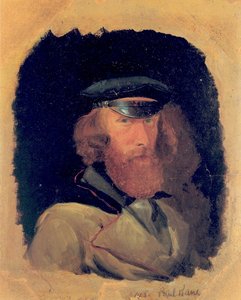
Paul Kane
1810 - 1871 , Ireland
基本情報
- Artistic Movement Or Style: Romanticism, Ethnographic
- Artists Who Influenced This Artist:
- European masters
- George Catlin
- Date Of Birth: 1810
- Date Of Death: 1871
- Full Name: Paul Kane
- Nationality: Irish-Canadian
- Notable Artworks:
- Fishing by Torch Light
- Medicine Mask Dance
- Place Of Birth: Mallow, Ireland
関連記事

Watercolor Wonders: 10 Masterpieces That Redefined Art History | ArtsDot
Journey through 10 legendary watercolor masterpieces by Sargent, Turner & Homer! Explore iconic landscapes, portraits & floral art that redefined history. Find museum-quality reproductions and curated decor ideas at ArtsDot.com.
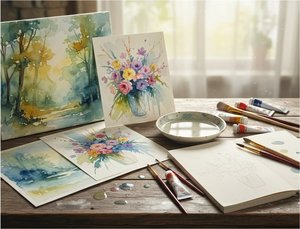
Ephemeral Visions: Exploring the Artistic Legacy & Nuances of Watercolor Painting
Explore the captivating world of watercolor painting! Discover its rich history, essential techniques, influential artists & collecting tips from art experts. A comprehensive guide for enthusiasts.

Ephemeral Visions: Exploring the History & Emotional Resonance of Watercolor Painting
Explore the captivating history of watercolor painting, from ancient techniques to modern masters like Kandinsky & Blake. Discover essential artists, collecting tips & the emotional power of this luminous medium. Expert insights for art enthusiasts.

Ephemeral Visions: Exploring the Artistic Legacy & Contemporary Practice of Watercolor Painting
Explore the captivating world of watercolor painting! Discover its rich history, essential techniques, influential artists & collecting tips. A comprehensive guide for art enthusiasts from ArtsDot.
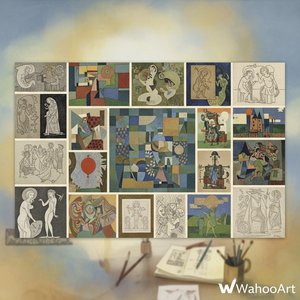
パウル・クレー傑作25選:色彩と象徴に満ちた芸術の世界 | ArtsDot
パウル・クレーの傑作25選🎨 色彩と象徴に満ちた抽象絵画の世界を旅。ドイツ表現主義からバウハウスまで、クレーの革新的な技法と感動的な作品群をArtsDotで。高品質な美術品複製やインテリアアートも豊富です。オンラインストアで全コレクションをご覧ください。