 プレビュー
プレビュー
 シェアする
シェアする シェアする
シェアする
 詳細を見る
詳細を見る

 ダウンロード
 似ている作品
 X線調査
X線調査 スライドショー
View of Saint-Germain

 詳細を見る
詳細を見る
ジークレー/アートプリント
迅速な制作と多彩な仕上げオプションを備えた、ミュージアムクオリティのジークレーまたはキャンバスプリント。 ( 手描きの絵画を購入 画像を購入)




P118B $10

P118H $10

P118W $10

P438Z $10

P508JH $12

P508YH $12

P805H $10

P805Z $10

P919BZ $10

P919G $10

P919XJ $10

P959ZH $10

P968JZ $12

W106C $8

W218G $10

W218JH $8

W218Y $10

W307PJ $10

W316G $10

W316PJ $8

W316Y $10

W398PJ $8

W4111J $10

W500HY $15

W500JH $15

W692G $12

W849H $8

W940BG $15

W953PJ $8




作品のオリジナル比率に合わせた、当店の規定サイズからお選びください。

特定のフレームやスペースに合わせて、ご自身でサイズを指定することも可能です。選択されたサイズが元の画像の比率と一致しない場合、作品をトリミングするか、鏡面反射または単色での塗りつぶしによって画像を拡張いたします。制作を開始する前に、ご確認用のデジタルモックアップをお送りいたします。
画面上のプレビューには、実際のトリミングや拡張は反映されませんのでご注意ください。最終的な構図を正確に確認できるのは、モックアップのみとなります。
カスタムサイズも承っておりますが、元の比率を維持するためには、あらかじめ用意されたリストからサイズを選択することをお勧めいたします。


 ガラスオプションは、110cm未満のサイズでのみご利用いただけます。

View of Saint-Germain
ジークレー/アートプリント
複製画のサイズ
-


合計金額
$ 62
A Village Whispered in Color: Paul Klee’s “View of Saint-Germain”
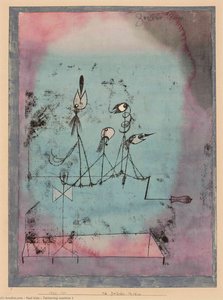
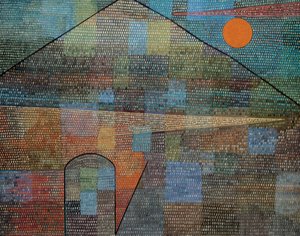
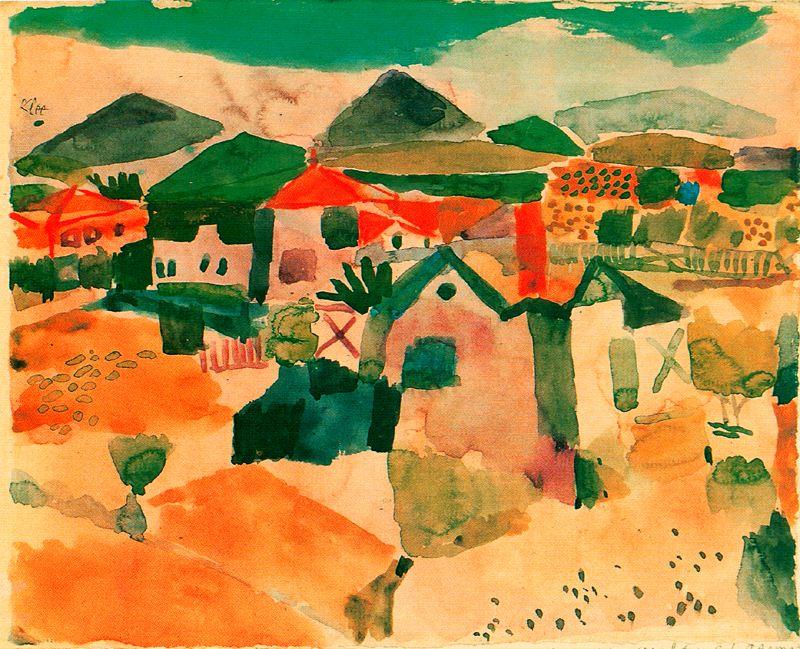
Paul Klee's "View of Saint-Germain," painted in 1914, isn’t merely a depiction of a village; it’s an immersion into a world brimming with playful abstraction and profound emotional resonance. The painting immediately captivates with its vibrant palette – a joyous explosion of blues, greens, yellows, and reds that seem to pulse with life. It's a scene both familiar and utterly dreamlike, capturing the essence of a small European settlement nestled amongst rolling hills and crowned by distant mountains. Klee masterfully employs a technique he termed “controlled accident,” allowing chance elements – drips, splatters, and spontaneous marks – to intertwine with his deliberate compositional choices. This creates an effect that is simultaneously precise and wonderfully unpredictable, mirroring the complexities of human experience. The figures scattered throughout the village aren’t rendered with photographic realism; instead, they are simplified forms, imbued with a sense of quiet observation and gentle interaction. They exist within a landscape that feels both grounded and ethereal, suggesting a timelessness beyond the confines of a single moment in time.The Roots of Abstraction: Klee's Influences
To truly appreciate “View of Saint-Germain,” it’s crucial to understand the artistic currents swirling around Klee during this period. Born in Münchenbuchsee, Switzerland, he was deeply influenced by his musically inclined family – his father a music teacher and mother a singer – fostering an early appreciation for harmony and rhythm that profoundly shaped his approach to art. He absorbed elements from Expressionism’s emotional intensity, Cubism's fragmented perspectives, and the burgeoning Surrealist exploration of the subconscious. However, Klee never fully embraced any single style, forging instead a uniquely personal language characterized by whimsical figures, geometric forms, and a fascination with color theory. His work reflects a desire to capture not just what he *saw*, but how he *felt* – a deeply subjective experience translated onto canvas. The painting’s flattened perspective and simplified shapes are reminiscent of early Cubist explorations, yet Klee imbues them with an inherent warmth and lyricism that distinguishes his style.Saint-Germain: A Place of Mystery and Legend
The title itself hints at the painting's intriguing context. “View of Saint-Germain” refers to a specific location – a village in Switzerland – but also evokes the legend surrounding Charles Germain de Saint-Aubin, a 18th-century figure shrouded in mystery. De Saint-Aubin was rumored to possess extraordinary knowledge and abilities, including alchemy, medicine, and even a degree of immortality. He cultivated an aura of intrigue and speculation, becoming known as “the Wonderman.” While the precise identity of this enigmatic figure remains debated by historians, his story adds another layer of fascination to Klee’s painting. It's possible that Klee was drawn to the legend, using Saint-Aubin’s name as a symbolic reference to the timelessness and hidden knowledge he sought to capture in his art. The village depicted in "View of Saint-Germain" could be interpreted as a microcosm of this enduring mystery – a place where reality blends with fantasy, and the past whispers through the present.Decoding the Symbolism: Color, Form, and Emotion
Beyond its immediate visual appeal, “View of Saint-Germain” is rich in symbolic meaning. Klee’s use of color isn't arbitrary; each hue carries a specific emotional weight. The blues evoke feelings of tranquility and contemplation, while the yellows radiate warmth and optimism. The greens suggest growth and vitality, and the reds hint at passion and energy. The geometric forms – squares, circles, triangles – are not simply decorative elements but represent fundamental building blocks of reality, reflecting Klee’s belief in the underlying order of the universe. Furthermore, the figures within the village aren't portraits; they are archetypes representing aspects of human experience—community, solitude, and connection. The painting invites viewers to project their own emotions and interpretations onto this evocative scene, transforming it into a deeply personal reflection on life, memory, and the enduring power of art.Bringing Klee’s Vision Home: A High-Quality Reproduction
ArtsDot offers meticulously crafted hand-painted reproductions of Paul Klee's “View of Saint-Germain,” allowing you to bring this captivating artwork into your own space. Our skilled artists replicate Klee’s unique technique with the utmost care, ensuring that every detail – from the subtle color variations to the delicate brushstrokes – is faithfully reproduced. Whether adorning a living room wall or gracing an office space, this reproduction captures the essence of Klee's artistic vision and invites viewers into a world of playful abstraction and profound emotional depth. Explore our collection today and discover how you can own a piece of art history.関連作品
アーティストの略歴
パウル・クレー:色彩と形が生み出す夢幻の世界
パウル・クレー。その名は、遊び心溢れる抽象表現と深遠な感情の交錯を象徴する存在として、20世紀美術史に燦然と輝いています。1879年12月18日、スイスのミュンヘンブッシュゼーで生まれ、彼の芸術的遍歴は、常に探求を続け、表現主義、立方主義、シュルレアリスムといった様々な潮流の影響を受けつつも、独自の視覚言語を構築していくものでした。音楽教師である父と歌手の母のもとに育まれた幼少期からの芸術への親しみは、彼の作品に色彩と音の調和をもたらす基盤となり、絵画を単なる再現ではなく、感情や思想を抽象的に表現する手段として捉えることへと繋がっていきます。ミュンヒェンの美術アカデミーでの学びを通して、彼は写実的な表現の限界を見抜き、内面世界への扉を開くべく、独自の芸術的探求を開始したのです。初期の試行錯誤と北アフリカ体験
クレーの初期作品には、アール・ヌーヴォーや象徴主義の影響が見られますが、その中でも既に彼の未来的なスタイルを予感させる要素が垣間見えます。1914年のチュニジアへの旅は、彼の芸術的発展における転換点となりました。北アフリカの強烈な光と鮮やかな色彩は、彼に抑制された色調から大胆で表現豊かなパレットへと移行する勇気を与えました。この経験を通して、彼は単なる表面的な模倣ではなく、知覚の本質を捉えるための抽象化へのコミットメントを深めていったのです。クレーにとって、チュニジアとは、単に風景を描写する対象ではなく、感情の共鳴を視覚的形態へと翻訳する媒体だったと言えるでしょう。彼は様々な芸術運動と関わりながらも、決して特定のイデオロギーに囚われることなく、独自の道を歩み続けました。音楽との深い結びつきは、彼の作品における構成のアプローチだけでなく、芸術を音響的な配置と同様の抽象表現の一形態として捉える理論的理解にも影響を与えました。バウハウス時代:創造性の花開く園
1921年から1933年にかけて、クレーはヴァルター・グロピウスによって招聘され、ドイツのバウハウスで教鞭を執るという輝かしい時期を迎えます。この期間は、彼の芸術的発展において極めて重要なものでした。革新的な思想家や芸術家たちに囲まれた環境の中で、彼は色彩理論と形式の関係性をさらに深く探求し、抽象的な形態と感情表現の相互作用を探求しました。しかし、1933年、ナチス政権が台頭すると、彼の作品は「退廃的」であるとして非難され、バウハウスからの解雇という憂き目に遭います。故郷のスイスへと帰還したクレーは、ますます深刻化する政治情勢と自身の健康悪化の中で、不安を抱えながらも創作活動を続けました。作品に込められた象徴性と普遍性
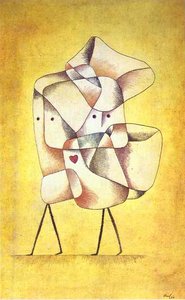
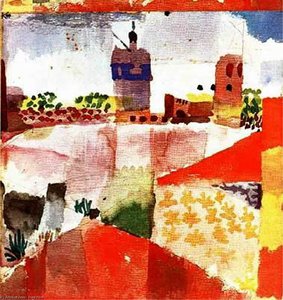
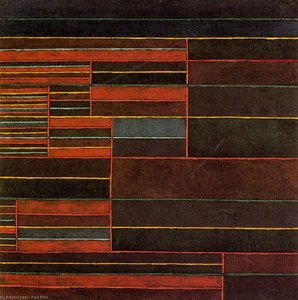
パウル・クレーの作品は、遊び心と深遠な思索が織り交ざった魅惑的な世界です。彼はしばしば子供のようなイメージや気まぐれな構成を用いながらも、それらに多層的な象徴的意味を込めました。彼の作品に登場する庭園、風景、肖像画、抽象的な形態の配置は、人間の経験の複雑さを探求するための手段として機能しています。「パウル・クレーノート」には、色彩とデザインに関する広範な理論的考察が記されており、芸術創造に対する綿密かつ知的なアプローチを垣間見ることができます。ハママット、兄弟たち、六つの閾は、彼の色彩感覚と形態構成の卓越性を象徴する作品です。クレーの影響は絵画の世界にとどまらず、デザインや建築、音楽といった分野にも及んでいます。彼の作品が持つ普遍的な魅力は、見る者を驚きと感動で包み込み、芸術に対する感情的・知的関与を促す力にあります。美術館とさらなる探求
- ツェントルム・パウル・クレー(ベルン): クレーの作品を世界最大規模で所蔵し、彼の芸術的遍歴を包括的に紹介しています。
- ベルン州立美術館: ピカソなどの名画とともに、クレーの重要な作品も展示されています。
- ベルン美術館: スイス最古の美術館であり、クレーを含む多くの近代美術の巨匠の作品を所蔵しています。
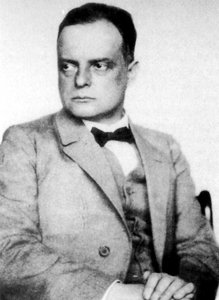
パウル・クレー
1879 - 1940 , スイス
基本情報
- フルネーム: パウル・クレー
- 主な作品:
- ハマメット
- 兄弟
- エン・ラ・コレンテ・セイス・ウンブラレス
- 出生地: ミュンヘンブッシュゼー, スイス
- 国籍: スイス・ドイツ系
- 影響を与えた芸術家/運動: ['現代美術']
- 影響を受けたアーティスト: ['ワシリー・カンディンスキー']
- 死亡年月日: 1940年6月29日
- 生年月日: 1879年12月18日
- 芸術運動/スタイル: 表現主義、構成主義、シュルレアリスム
関連記事
パウル・クレー傑作25選:色彩と象徴に満ちた芸術の世界 | ArtsDot
パウル・クレーの傑作25選🎨 色彩と象徴に満ちた抽象絵画の世界を旅。ドイツ表現主義からバウハウスまで、クレーの革新的な技法と感動的な作品群をArtsDotで。高品質な美術品複製やインテリアアートも豊富です。オンラインストアで全コレクションをご覧ください。

ポール・セザンヌ:至高の25選 - 傑作と革新の軌跡 | ArtsDot
ポール・セザンヌの至高の25選。ポスト印象派を代表する画家、セザンヌの傑作と革新的な技法を紐解きます。ArtsDotで高品質な複製画やインテリアアートを見つけ、芸術の世界をご自宅に。今すぐコレクションをご覧ください。
Paul Klee: A Poetics of Form and Color – Exploring the Inner Landscape of a Modern Master
Explore the captivating world of Paul Klee! Discover his innovative art, Bauhaus influence, & unique symbolic language. Expert analysis & high-quality reproductions at ArtsDot.

ジョン・コンスタブルの傑作25選:英国風景画の巨匠が描く自然と光の詩 | ArtsDot
ジョン・コンスタブルの傑作25選。英国風景画の巨匠が描く自然と光の詩の世界へ。ロマン主義を代表する絵画、デダム・ヴェールやヘイ・ウェインなど、ArtsDotで高品質なアートプリントをお楽しみください。インテリアに深みと感動を。コレクションはこちら。

Evocations of Place: A Historical Journey Through Landscape Art
Explore the rich history of landscape art with ArtsDot. Discover renowned artists, movements like Impressionism & Romanticism, and expert guidance for collecting timeless pieces. Find your perfect serene escape today!