

 プレビュー
プレビュー
 シェアする
シェアする シェアする
シェアする
 詳細を見る
詳細を見る

 ダウンロード
 似ている作品
 X線調査
X線調査 スライドショー
 統計情報
統計情報The Great Rocks
 1970
1970 61.0 x 77.0 cm
 詳細を見る
詳細を見る
ジークレー/アートプリント
迅速な制作と多彩な仕上げオプションを備えた、ミュージアムクオリティのジークレーまたはキャンバスプリント。 ( 手描きの絵画を購入 デジタル画像販売へ切り替え)




































標準サイズ
オーダーメイド
CM
INCH
作品のオリジナル比率に合わせた、当店の規定サイズからお選びください。
Loading sizes...

幅
高さ
特定のフレームやスペースに合わせて、ご自身でサイズを指定することも可能です。選択されたサイズが元の画像の比率と一致しない場合、作品をトリミングするか、鏡面反射または単色での塗りつぶしによって画像を拡張いたします。制作を開始する前に、ご確認用のデジタルモックアップをお送りいたします。
画面上のプレビューには、実際のトリミングや拡張は反映されませんのでご注意ください。最終的な構図を正確に確認できるのは、モックアップのみとなります。
カスタムサイズも承っておりますが、元の比率を維持するためには、あらかじめ用意されたリストからサイズを選択することをお勧めいたします。


 ガラスオプションは、110cm未満のサイズでのみご利用いただけます。

The Great Rocks
ジークレー/アートプリント
複製画のサイズ
-


合計金額
$ 62
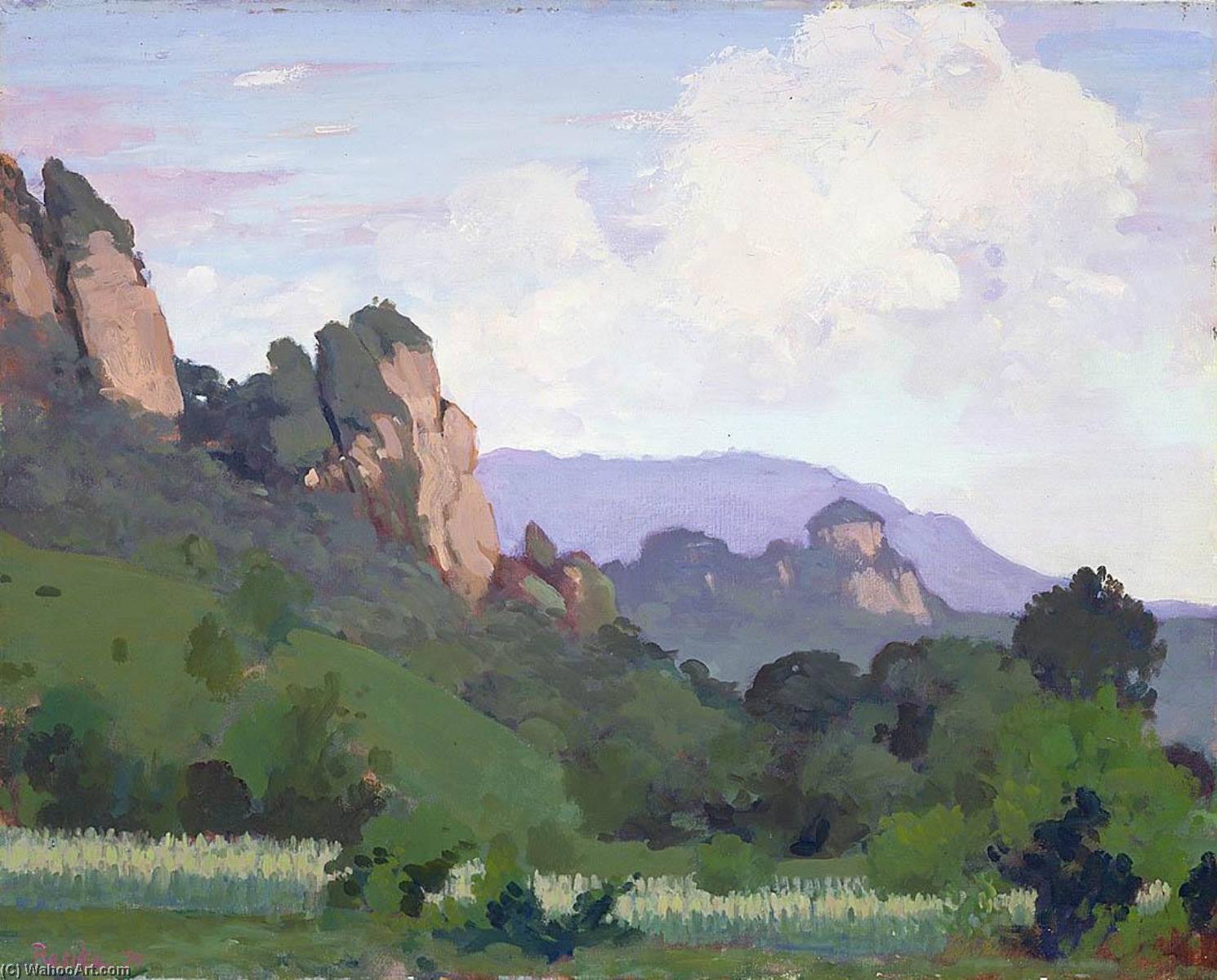
The Great Rocks is a stunning oil on canvas painting created by Paul Resika in 1970. This beautiful landscape is now part of the collection at the Smithsonian American Art Museum in the United States. The painting measures 61 x 77 cm and is a testament to Resika's skill as a landscape painter.
The Great Rocks is a must-see for anyone interested in landscape painting and the work of Paul Resika. Its unique composition, use of color and light, and emphasis on geometric forms make it a standout piece in the world of art.
The Painting's Composition
The Great Rocks features a majestic mountain range with large rocks and green trees in the foreground. The composition is visually appealing, with two prominent rock formations in the background, one to the left and another to the right. The use of color and light creates a sense of depth and dimensionality, drawing the viewer into the scene. Key Features of the painting include:- The use of geometric forms to depict the rocks and mountains
- The mix of warm and cool colors to create a sense of balance and harmony
- The emphasis on light and shadow to add depth and dimensionality to the scene
Paul Resika's Style and Influences
Paul Resika is an American painter known for his landscapes and figurative works. His style is characterized by the use of bold colors and geometric forms, which are evident in the Great Rocks. Resika's work has been influenced by his studies with Hans Hofmann and his travels to Europe, where he was exposed to the works of the old masters. For more information on Paul Resika and his works, visit /art/list/?Filter=AQRTC9-Paul-Resika-The-Great-Rocks. To learn more about the Smithsonian American Art Museum, visit https://en.wikipedia.org/wiki/Smithsonian_American_Art_Museum.The Great Rocks is a must-see for anyone interested in landscape painting and the work of Paul Resika. Its unique composition, use of color and light, and emphasis on geometric forms make it a standout piece in the world of art.
関連作品









アーティストの略歴
Early Life and Artistic Foundations
Paul Resika’s journey as an artist began in the vibrant heart of New York City, a landscape that would indelibly shape his aesthetic sensibility. Born into a world steeped in artistic currents, Resika quickly found himself drawn to the power of visual expression. His formal training commenced under the tutelage of Hans Hofmann, a pivotal figure in Abstract Expressionism and a master of color theory. This early mentorship proved transformative, instilling in Resika a deep understanding of form, composition, and the emotive potential of paint itself. Hofmann’s emphasis on pushing boundaries and exploring the subjective experience resonated deeply with the young artist, laying the groundwork for his own unique artistic voice. While initially immersed in the abstract principles championed by Hofmann, Resika would eventually chart his own course, one that embraced figuration while retaining a profound sensitivity to abstraction's underlying structures.A Developing Style: From Abstraction to Evocative Realism
The late 1940s marked the beginning of Resika’s public career, with exhibitions in New York galleries introducing his work to an increasingly receptive audience. His early paintings often reflected the prevailing abstract tendencies of the time, characterized by bold brushstrokes and a dynamic interplay of color. However, even within these abstract compositions, hints of representational forms began to emerge, suggesting a growing desire to engage with the tangible world. Over the ensuing decades, Resika gradually transitioned towards a more figurative style, though one that remained deeply rooted in abstraction. His landscapes are not mere depictions of scenery; they are emotional responses to place, imbued with a sense of atmosphere and memory. Similarly, his portraits transcend simple likenesses, delving into the psychological depths of his subjects. He masterfully balances observation with intuition, creating images that feel both grounded in reality and infused with an ethereal quality.Themes and Symbolism in Resika’s Work
Resika's oeuvre is characterized by a recurring exploration of fundamental themes: the passage of time, the relationship between humanity and nature, and the enduring power of memory. His landscapes often feature solitary figures contemplating vast horizons, evoking a sense of both isolation and connection to something larger than themselves. Water—the ocean, rivers, lakes—frequently appears in his paintings, serving as a metaphor for the fluidity of life and the subconscious mind. The artist’s portraits are equally compelling, capturing not just the physical appearance of his sitters but also their inner lives, their vulnerabilities, and their aspirations. He often employs subtle symbolism within his compositions, layering meaning and inviting viewers to engage in a deeper dialogue with the work. A recurring motif is the use of light and shadow, which he manipulates to create dramatic effects and heighten emotional impact.Recognition and Legacy: A Pillar of American Art
Paul Resika’s contributions to American art have been widely recognized throughout his long and distinguished career. He chaired the MFA program at Parsons School of Design from 1978-1990, nurturing generations of aspiring artists and shaping the landscape of contemporary art education. His membership in both the National Academy and the American Academy of Arts and Letters stands as a testament to his artistic achievements and his enduring influence on the field. Resika’s paintings are held in the permanent collections of numerous prestigious museums across the United States and internationally, including:- The Metropolitan Museum of Art, New York, NY
- The Museum of Modern Art, New York, NY
- The National Academy Museum, New York, NY
- The Smithsonian American Art Museum, Washington, DC
- The Parrish Art Museum, Southampton, NY
- The Whitney Museum of American Art, New York, NY
基本情報
- Artistic Movement Or Style: Abstract Expressionism
- Artists Or Movements Influenced By This Artist: Informel Art
- Artists Who Influenced This Artist: Hans Hofmann
- Date Of Death: Living
- Full Name: Paul Resika
- Nationality: American
- Notable Artworks:
- Standing Boy
- Child
- The Great Rocks
- Place Of Birth: New York City