

 プレビュー
プレビュー
 プリントを購入
 シェアする
シェアする シェアする
シェアする
 詳細を見る
詳細を見る

 ダウンロード
 似ている作品
 X線調査
X線調査 スライドショー
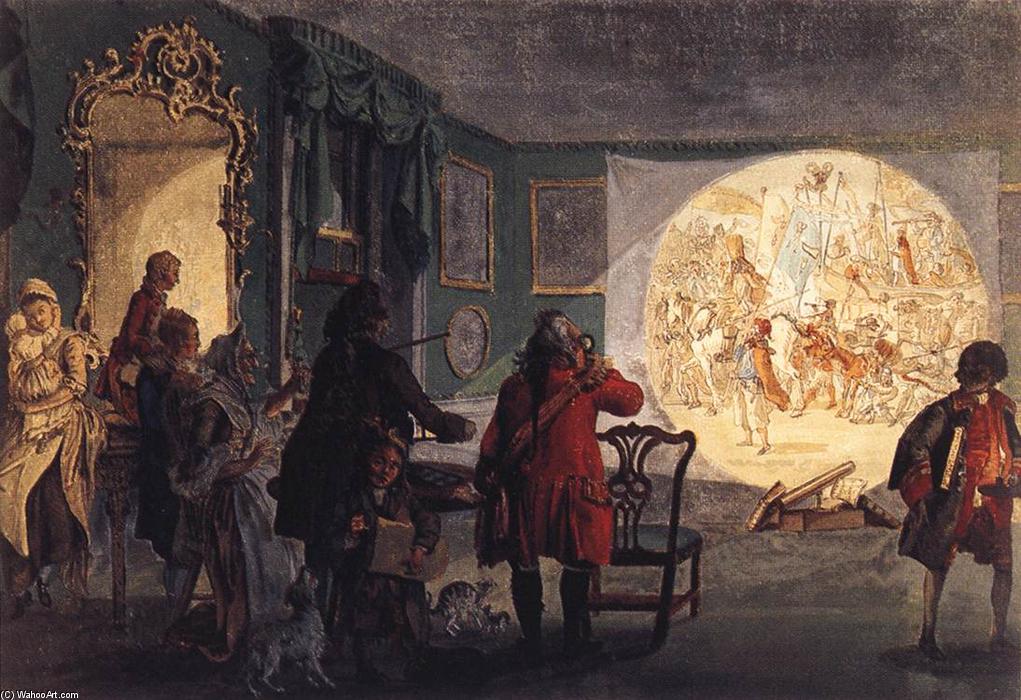
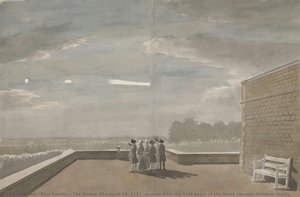
The Laterna Magica
 Watercolor
- WallArt
- 18th-century landscape painting
 1760
1760 37.0 x 53.0 cm
 大英博物館
大英博物館
 詳細を見る
詳細を見る




P118B $10

P118H $10

P118W $10

P438Z $10

P508JH $12

P508YH $12

P805H $10

P805Z $10

P919BZ $10

P919G $10

P919XJ $10

P959ZH $10

P968JZ $12

W106C $8

W218G $10

W218JH $8

W218Y $10

W307PJ $10

W316G $10

W316PJ $8

W316Y $10

W398PJ $8

W4111J $10

W500HY $15

W500JH $15

W692G $12

W849H $8

W940BG $15

W953PJ $8




作品のオリジナル比率に合わせた、当店の規定サイズからお選びください。

特定のフレームやスペースに合わせて、ご希望のサイズをご入力いただけます。選択されたサイズが元の画像の比率と異なる場合、アートワークをトリミングするか、手描きで要素を追加して絵画を拡張いたします。デジタルモックアップ を制作し、制作開始前にご確認(承認)をいただきます。
画面上のプレビューは、実際のトリミングや拡張を正確に反映しているものではありません。最終的な構図は、モックアップによってのみ正確にご確認いただけます。
カスタムサイズもご利用いただけますが、元の比率を維持するためには、あらかじめ用意されたリストからサイズを選択することをお勧めいたします。
ご注文後、ArtsDot.com チームより詳細な指示をお送りするとともに、仕上がりイメージ(モックアップ)をご提供いたします。


 ガラスオプションは、110cm未満のサイズでのみご利用いただけます。

The Laterna Magica
複製技法
複製画のサイズ
-


合計金額
$ 263
作品解説
The Laterna Magica: A Window into 18th-Century Illusion
Paul Sandby’s “The Laterna Magica,” painted in 1760, isn't merely a depiction of a room; it’s a meticulously crafted illusion, a vibrant snapshot of a world fascinated by the burgeoning technology of optical projection. More than just a charming scene of gentlemen observing a theatrical display, this watercolor offers a profound glimpse into the intellectual and social currents of 18th-century England – a period grappling with scientific advancement, artistic convention, and the very nature of perception.
The painting immediately draws the eye to the central focus: a large circular mirror reflecting an intricate tapestry. This isn’t a simple reflection; it's a layered illusion, a miniature stage within a stage. The tapestry itself portrays a dramatic battle scene, rendered with a theatrical flair that mirrors the spectacle unfolding before the viewer. Around this focal point, figures – gentlemen in the fashion of the day, some sporting the crimson coats indicative of officers or nobility – are arranged with an almost studied curiosity, their postures suggesting both engagement and a subtle sense of detachment. A playful dog sprawls on the floor, injecting a touch of domesticity into the scene, grounding it amidst the more elaborate elements.
Sandby’s masterful use of watercolor is crucial to the painting's effect. He employs delicate washes and precise details, capturing the play of light and shadow with remarkable skill. The artist’s signature technique – layering colors to achieve opacity – is particularly evident in the rendering of the mirror itself, creating a luminous quality that enhances the illusionary depth. Notice how he subtly manipulates color temperature; the warm hues of the room contrast beautifully with the cooler tones of the tapestry reflection, further emphasizing the spatial complexity.
A Reflection on Enlightenment Innovation
“The Laterna Magica” is deeply rooted in the intellectual climate of the late 18th century. The “Laterna Magica,” a device capable of projecting moving images, was a relatively new invention at the time, captivating audiences with its seemingly miraculous ability to create the illusion of movement. Sandby’s painting directly engages with this fascination, presenting a scene where men are observing and interpreting this novel technology. It's a commentary on the excitement surrounding scientific innovation – a period marked by both optimism and skepticism regarding the potential impact of new discoveries.
Interestingly, the inclusion of Newton’s books within the room is not accidental. Sandby, a keen observer of his time, was acutely aware of the revolutionary ideas emerging from science, particularly those related to optics and light. The presence of Newton's works subtly acknowledges the scientific foundations upon which the magic lantern operated, while simultaneously hinting at the potential for both progress and, perhaps, a degree of hubris in humanity’s pursuit of knowledge.
Symbolism and Artistic Commentary
Beyond its depiction of a specific scene, “The Laterna Magica” is rich with symbolic meaning. The mirror itself serves as a potent metaphor for reflection, illusion, and the subjective nature of perception. It challenges the viewer to question what they are seeing – is it a faithful representation of reality, or merely a carefully constructed image? Furthermore, Sandby’s choice to portray the gentlemen observing the tapestry with an air of detached curiosity suggests a critical stance towards the spectacle itself. He isn't simply celebrating technological innovation; he’s prompting viewers to consider its implications and potential pitfalls.
The painting also subtly critiques the prevailing artistic conventions of the time, particularly those championed by figures like William Hogarth. Sandby, known for his satirical etchings, was openly critical of Hogarth's rigid moralizing style and his insistence on a particular aesthetic ideal. The inclusion of the “Deformity” series in the background (as referenced in historical accounts) underscores this tension – a playful jab at Hogarth’s self-importance and artistic pretensions.
A Timeless Masterpiece
“The Laterna Magica” remains a captivating work of art, offering a unique window into the intellectual and cultural landscape of 18th-century England. Sandby's skillful use of watercolor, combined with his astute observation of human behavior and his subtle commentary on technological innovation, creates an image that is both visually stunning and intellectually stimulating. It’s a testament to the artist’s ability to capture not just a moment in time, but also the spirit of an era – a period defined by curiosity, experimentation, and a profound questioning of reality itself.
関連作品

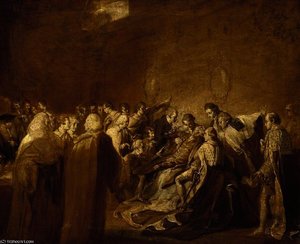
アーティストの略歴
近代風景画の父
ポール・サンドビーは、英国風景画の歴史における極めて重要な人物として君臨しています。彼の名は単なる芸術的技術の高さだけでなく、後世に多大な影響を与えた新たな美学的伝統を確立した功績によって刻まれています。ノッティンガムにてテキスタイル労働者トーマス・サンドビーの息子として生まれたポールの幼少期は、独学による研鑽と、観察に対する天賦の好奇心によって彩られていました。この性質こそが、後に地図製作者および画家という二つの顔を持つ、彼の類まれなキャリアを形作る原動力となったのです。正規の教育を受けた当時の多くの芸術家とは異なり、サンドビーは独力で技法を磨き上げました。自然界に身を投じ、水彩画を通じてその美しさを緻りと記録し続けたのです。
彼の形成期は、細部への深い敬意と正確さへの追求を彼に植え付けました。これらの技能は、後に彼の地図作成における業績へと見事に昇華されることになります。また、同じく製図家であった弟のトーマスは、この芸術的な傾向を育み、実験的な試みを奨励しながら、共創の精神を養いました。二人はノッティンガムにアカデミーを設立し、彼らの専門知識を学びたいと願う志高い芸術家たちを惹きつけました。光り輝く色彩のウォッシュ(薄塗り)と、大気の遠近法を見事に描き出す彼ら独自のスタイルは、瞬く間に広く知られるようになり、英国全土に深い影響を及ぼしました。
地形学と大地の精神
サンドビーの職業的な歩みは、ロンドン塔の軍事製図部門への関わりによって、比類なきものとなりました。この任務は、ジャコバイト蜂起の最中にあったスコットランドの壮大な景色へと彼を導きました。ハイランド地方の地形図やスケッチの作成を託された彼は、歴史の視覚的な記録者となり、単なる挿絵画家から、その時代を代表する風景画家の一人へと変貌を遂げたのです。この公務の期間、彼は地図製作者としての精密さと芸術家としての魂を融合させ、スコットランドの険しくも壮大な地形を、かつてないほどの明晰さで捉えることに成功しました。
彼の作品群は、広大なパノラマから親密な都市のスナップショットに至るまで、驚くべき多才さを反映しています。有名なシリーズであるロンドンの叫び(London Cries)では、ボトルを持つ男(A Man with a Bottle)の痛切な描写に見られるように、18世紀の街角の躍動する鼓動を捉えました。彼は日常の中に美を見出す稀有な才能を持っており、ロンドンの人々の営みや商いの様子を、現代の目から見ても魅惑的な、チャーミングなリアリズムをもって記録しました。ラングオレン(Llangollen)の静謐な川の風景を描くときも、ブランツフィールド・リンクスの馬市(Horse Fair on Bruntsfield Links)の活気あふれるエネルギーを描くときも、彼の作品には常に地形学的な真実味と、詩的な光が共存していました。
遺産と芸術的革新
王立アカデミーの創設メンバーとして、サンドビーは水彩画の地位を高める上で決定的な役割を果たしました。彼の功績が広まる前、水彩画はしばしば準備段階のスケッチや単なる教育用の道具として扱われていました。しかし、彼がこの媒体を極めたことにより、水彩画は深い表現力を備えた、尊敬されるべき純粋芸術(ファインアート)としての地位を確立したのです。また、アクアティント版画技法の活用は、彼の詳細な景観図をより広い層へと届け、英国の風景美をヨーロッパ全土へと広めることとなりました。
ポール・サンドビーの歴史的な意義は、科学的な記録とロマン主義的な表現の間の溝を埋めた点にあります。彼の遺産は以下の要素に見出すことができます:
- 英国水彩画伝統の発展: 後世の水彩画の巨匠たちのための、技術的な基礎を築いたこと。
- 地形学的な卓越性: 地図作成の正確さと、風景画が持つ感情的な力を融合させたこと。
- 文化的な記録: 詳細な都市および農村の観察を通じて、18世紀英国の社会構造を保存したこと。
世界を観察することへのたゆまぬ献身を通じて、サンドビーは単に風景を描いただけではありません。彼は、自国の美しさをどのように見るべきかを、一つの国家に教えたのです。
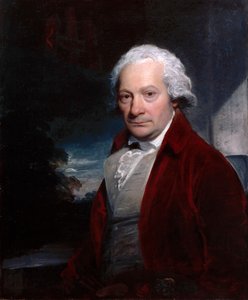
ポール・サンドビー
1798 - 1863 , イギリス
基本情報
- Artistic Movement Or Style: 風景画
- Artists Or Movements Influenced By This Artist: ['ロマン主義']
- Artists Who Influenced This Artist: ['トマス・ゲインズバラ']
- Date Of Birth: 1731年
- Date Of Death: 1809年
- Full Name: ポール・サンドビー RA
- Nationality: イギリス
- Notable Artworks:
- ヘイスティングス、ライト・ステップス
- ポール・サンドビー
- Place Of Birth: イギリス、ノッティンガム
関連記事

Watercolor Wonders: 10 Masterpieces That Redefined Art History | ArtsDot
Journey through 10 legendary watercolor masterpieces by Sargent, Turner & Homer! Explore iconic landscapes, portraits & floral art that redefined history. Find museum-quality reproductions and curated decor ideas at ArtsDot.com.
パウル・クレー傑作25選:色彩と象徴に満ちた芸術の世界 | ArtsDot
パウル・クレーの傑作25選🎨 色彩と象徴に満ちた抽象絵画の世界を旅。ドイツ表現主義からバウハウスまで、クレーの革新的な技法と感動的な作品群をArtsDotで。高品質な美術品複製やインテリアアートも豊富です。オンラインストアで全コレクションをご覧ください。

Ephemeral Visions: Exploring the Artistic Legacy & Contemporary Practice of Watercolor Painting
Explore the captivating world of watercolor painting! Discover its rich history, essential techniques, influential artists & collecting tips. A comprehensive guide for art enthusiasts from ArtsDot.
Ephemeral Visions: Exploring the History & Emotional Resonance of Watercolor Painting
Explore the captivating history of watercolor painting, from ancient techniques to modern masters like Kandinsky & Blake. Discover essential artists, collecting tips & the emotional power of this luminous medium. Expert insights for art enthusiasts.
水彩の永続的な魅力:歴史、技法、そして現代の実践
水彩画の歴史、技法、現代の実践を深く探求。巨匠たちの名画から初心者向けテクニックまで解説。ArtsDot.comでは高品質な複製画やカスタムポートレートをご提供します。アートコンサルテーションも受付中。

