

 プレビュー
プレビュー
 プリントを購入
 シェアする
シェアする シェアする
シェアする
 詳細を見る
詳細を見る

 ダウンロード
 似ている作品
 X線調査
X線調査 スライドショー
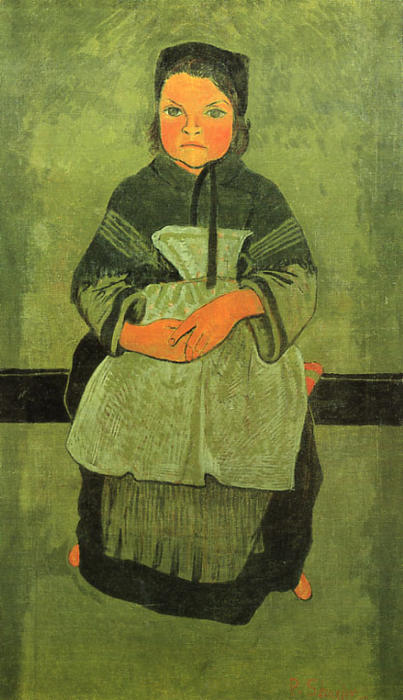
Little Breton Girl Seated (also known as Portrait of Marie Francisaille)


 詳細を見る
詳細を見る




P118B $10

P118H $10

P118W $10

P438Z $10

P508JH $12

P508YH $12

P805H $10

P805Z $10

P919BZ $10

P919G $10

P919XJ $10

P959ZH $10

P968JZ $12

W106C $8

W218G $10

W218JH $8

W218Y $10

W307PJ $10

W316G $10

W316PJ $8

W316Y $10

W398PJ $8

W4111J $10

W500HY $15

W500JH $15

W692G $12

W849H $8

W940BG $15

W953PJ $8




作品のオリジナル比率に合わせた、当店の規定サイズからお選びください。

特定のフレームやスペースに合わせて、ご希望のサイズをご入力いただけます。選択されたサイズが元の画像の比率と異なる場合、アートワークをトリミングするか、手描きで要素を追加して絵画を拡張いたします。デジタルモックアップ を制作し、制作開始前にご確認(承認)をいただきます。
画面上のプレビューは、実際のトリミングや拡張を正確に反映しているものではありません。最終的な構図は、モックアップによってのみ正確にご確認いただけます。
カスタムサイズもご利用いただけますが、元の比率を維持するためには、あらかじめ用意されたリストからサイズを選択することをお勧めいたします。
ご注文後、ArtsDot.com チームより詳細な指示をお送りするとともに、仕上がりイメージ(モックアップ)をご提供いたします。


 ガラスオプションは、110cm未満のサイズでのみご利用いただけます。

Little Breton Girl Seated (also known as Portrait of Marie Francisaille)
複製技法
複製画のサイズ
-


合計金額
$ 263
A Moment Frozen in Time: Paul Serusier’s “Little Breton Girl Seated”
Paul Serusier's "Little Breton Girl Seated," often referred to as "Portrait of Marie Francisaille," is more than just a painting; it’s a poignant distillation of late 19th-century France, a testament to the burgeoning interest in capturing fleeting moments of childhood innocence and quiet contemplation. Completed in 1895, this deceptively simple work—measuring a modest 91.5 x 53.5 centimeters—holds within its carefully constructed composition a wealth of artistic significance, firmly placing it as a cornerstone of Post-Impressionism and a pivotal example of the innovative Cloisonnism technique.
The subject herself, Marie Francisaille, was a young girl from Brittany, a region deeply ingrained in French identity and folklore. Serusier’s choice to depict her seated against a muted green wall—a color palette reminiscent of Breton landscapes—immediately evokes a sense of place and connection to the land. The bench beneath her, worn and unassuming, suggests a comfortable familiarity, inviting us into her private world. Her gaze, directed slightly off-camera, is neither overtly cheerful nor melancholic; it’s an expression of quiet observation, hinting at a depth of feeling beyond her years.
The Language of Cloisonnism
Serusier's masterful execution lies in his adoption of the Cloisonnism style, pioneered by Paul Gauguin. This technique, inspired by medieval stained-glass windows, involved dividing the canvas into distinct, colored areas—like individual cells or compartments—separated by thick black outlines. Rather than blending colors seamlessly, Serusier employed a bold, almost graphic approach, emphasizing the separation of hues and creating a strikingly flat, mosaic-like effect. This deliberate flatness wasn’t an abandonment of realism but rather a conscious choice to prioritize color and form over traditional shading and perspective.
The painting's surface is remarkably smooth, achieved through meticulous layering of thin glazes—a technique that allowed him to build up rich colors while maintaining the clarity of his defined shapes. The green background isn’t rendered as a naturalistic hue but rather as a solid block of color, further reinforcing the stylized nature of the composition. This deliberate simplification and abstraction were revolutionary at the time, challenging conventional notions of representation and paving the way for future generations of artists.
A Historical Context: Nabis and Beyond
"Little Breton Girl Seated" emerged during a period of profound artistic experimentation in France. Serusier was a key figure within the “Nabis” (meaning "prophets") group, alongside artists like Pierre Bonnard and Édouard Vuillard. The Nabis sought to move beyond Impressionism’s fleeting effects of light and color, aiming instead for a more symbolic and emotionally resonant approach to painting. They were deeply influenced by Japanese prints, particularly their use of flat planes of color and simplified forms – elements that are clearly visible in Serusier's work.
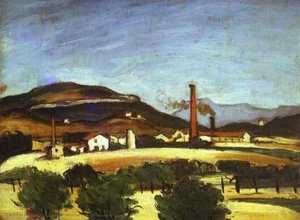
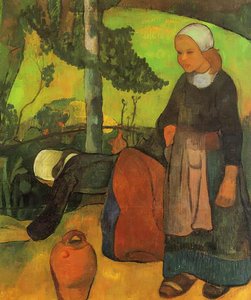
The painting’s placement within the Musée d'Orsay’s collection—a testament to its enduring artistic merit—reflects its significance as a pivotal work in the development of modern art. It stands alongside other masterpieces by Paul Serusier, including “PAYSAGE” and “BAIGNEUSES,” offering a comprehensive view of his distinctive style and artistic vision.
Symbolism and Emotional Resonance
Beyond its technical innovations, "Little Breton Girl Seated" possesses a remarkable emotional depth. The girl’s posture—relaxed yet attentive—conveys a sense of quiet dignity and self-possession. Her simple attire and unadorned surroundings suggest a life free from the complexities of adult concerns. There's an inherent vulnerability in her gaze, inviting us to empathize with her unspoken thoughts and feelings.
The painting’s enduring appeal lies not only in its aesthetic beauty but also in its ability to evoke a sense of nostalgia for a simpler time—a time when childhood innocence and the connection to nature held profound significance. It's a reminder that even in the most unassuming subjects, there can be extraordinary depth and emotional resonance.
For those seeking a high-quality reproduction of this iconic artwork, ArtsDot.com offers meticulously crafted hand-painted reproductions that capture the essence of Serusier’s original masterpiece. Visit our website to explore this stunning piece and discover other exceptional works by Paul Serusier.
関連作品
アーティストの略歴
生い立ちと教育
ポール・セルスリエは、1864年11月9日、パリに生まれました。幼少期から絵画への強い情熱を抱き、アカデミー・ジュリアンに入学し、そこで才能を開花させます。しかし、伝統的なアカデミーの教育だけでは満たされず、より革新的な表現を模索するようになります。セルスリエは、美術教師としての活動も始め、その中で自身の芸術的ビジョンを深めていきました。この時期から、後のナビ派や抽象絵画の先駆者となる独自のスタイルを築き始める兆しが見え隠れします。ポン=アヴェンでの出会いと「タリスマン」
1888年の夏、セルスリエはポール・ゴーギャンの存在に導かれるように、ブルターニュ地方の小さな村ポン=アヴェンへと旅立ちます。この地で、彼はゴーギャンを中心とした画家グループに参加し、その指導のもとで画風を大きく変貌させることになります。特に重要なのが、「タリスマン」という作品です。これは、セルスリエがクロワゾニズム(cloisonnism)の技法を用いて描いたもので、純粋な抽象表現に限りなく近い絵画として、美術史において非常に重要な位置を占めています。ゴーギャンの影響を受けながらも、セルスリエは独自の色彩感覚と構図によって、従来の写実的な絵画とは一線を画す作品を生み出しました。この「タリスマン」は、単なる絵画というよりも、画家自身の内面世界を表現した象徴的な存在として捉えられています。ナビ派における活動と芸術的探求
セルスリエは、ポスト印象派の画家グループであるナビ派(Les Nabis)にも参加します。ピエール・ボナール、エドゥアール・ヴュイヤール、モーリス・ドニといった同世代の画家たちと共に、従来の美術の枠にとらわれない自由な表現を追求しました。ナビ派は、「預言者」という意味を持つ言葉に象徴されるように、絵画を通して神秘的な世界や精神性を表現しようと試みました。セルスリエは、ナビ派の中で、色彩や形態の実験的な探求を積極的に行い、装飾性豊かな作品を数多く制作しました。彼の作品は、単なる視覚的な美しさだけでなく、画家自身の思想や感情が込められた深遠なメッセージを含んでいます。晩年の教育活動と「絵画のABC」
セルスリエは、晩年になるとアカデミー・ランソンで教鞭を執り、後進の育成にも力を注ぎました。彼は、自身の芸術的経験や思想を若い世代に伝え、彼らの才能を開花させるために尽力しました。また、1921年には「絵画のABC(ABC de la peinture)」という著書を出版し、自身の絵画理論を展開します。この本の中で、セルスリエは、色彩や形態の重要性、画家自身の内面世界を表現することの大切さを説いています。彼は、絵画を単なる技術的な技能としてではなく、精神的な探求の手段として捉え、その思想は多くの画家たちに影響を与えました。1927年10月7日、セルスリエはモルライクスで生涯を閉じましたが、彼の芸術的遺産は、現代美術にも大きな足跡を残し続けています。クロワゾニズムとナビ派への影響
セルスリエの作品は、クロワゾニズムという技法によって特徴づけられます。これは、大胆で平坦な形態を暗い輪郭線で区切ることで、絵画に独特の装飾性と象徴性を与える表現方法です。この技法は、19世紀末に登場し、現代美術の発展に大きな影響を与えました。セルスリエは、クロワゾニズムを通して、従来の写実的な絵画から脱却し、画家自身の内面世界を表現することに成功しました。また、ナビ派の画家たちも、セルスリエの影響を受けながら、色彩や形態の実験的な探求を行い、独自のスタイルを確立していきました。セルスリエは、抽象絵画の先駆者としてだけでなく、ナビ派の発展にも大きく貢献した重要な画家と言えるでしょう。彼の作品は、現代美術における表現の自由と多様性を追求する精神を象徴するものとして、今後も多くの人々に愛され続けることでしょう。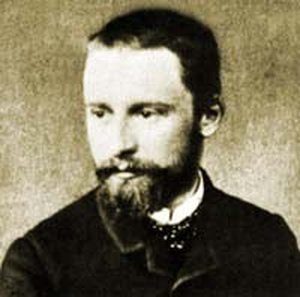
ポール・セルスィエ
1864 - 1927 , フランス
基本情報
- Artistic Movement Or Style: ポスト印象派
- Artists Or Movements Influenced By This Artist: ['ナビ派']
- Artists Who Influenced This Artist: ['ポール・ゴーギャン']
- Date Of Birth: 1864年11月9日
- Date Of Death: 1927年10月7日
- Full Name: ルイ=ポール=アンリ・セリュシエ
- Nationality: フランス人
- Notable Artworks (List Of Titles):
- 「タリスマン」
- 「逆雨」
- Place Of Birth (City And Country): フランス、パリ
関連記事

ポール・セザンヌ:至高の25選 - 傑作と革新の軌跡 | ArtsDot
ポール・セザンヌの至高の25選。ポスト印象派を代表する画家、セザンヌの傑作と革新的な技法を紐解きます。ArtsDotで高品質な複製画やインテリアアートを見つけ、芸術の世界をご自宅に。今すぐコレクションをご覧ください。
パウル・クレー傑作25選:色彩と象徴に満ちた芸術の世界 | ArtsDot
パウル・クレーの傑作25選🎨 色彩と象徴に満ちた抽象絵画の世界を旅。ドイツ表現主義からバウハウスまで、クレーの革新的な技法と感動的な作品群をArtsDotで。高品質な美術品複製やインテリアアートも豊富です。オンラインストアで全コレクションをご覧ください。
Paul Sérusier: Pioneering Synthetism & The Nabis’ Symbolic Revolution
Discover Paul Sérusier's pivotal role in the Nabis movement & the birth of Synthetism. Explore 'The Talisman,' his influence on modern art, and a deeper understanding of this symbolic revolution. Expert analysis & insights.

Impressionism's Masterpieces: 10 Paintings That Defined a Movement | ArtsDot
Journey through Impressionism's heart with 10 iconic paintings by Monet, Renoir & Degas. Explore light, color & the stories behind these masterpieces. Find museum-quality art reproductions and elevate your home decor on ArtsDot.com.
Ferdinand du Puigaudeau: Bridging Impressionism & Symbolism in Breton Landscapes
Discover Ferdinand du Puigaudeau's captivating Breton landscapes – a bridge between Impressionism & Symbolism. Explore his life, unique style, and enduring legacy with ArtsDot.

