 プレビュー
プレビュー
 プリントを購入
 シェアする
シェアする シェアする
シェアする
 詳細を見る
詳細を見る

 ダウンロード
 似ている作品
 X線調査
X線調査 スライドショー
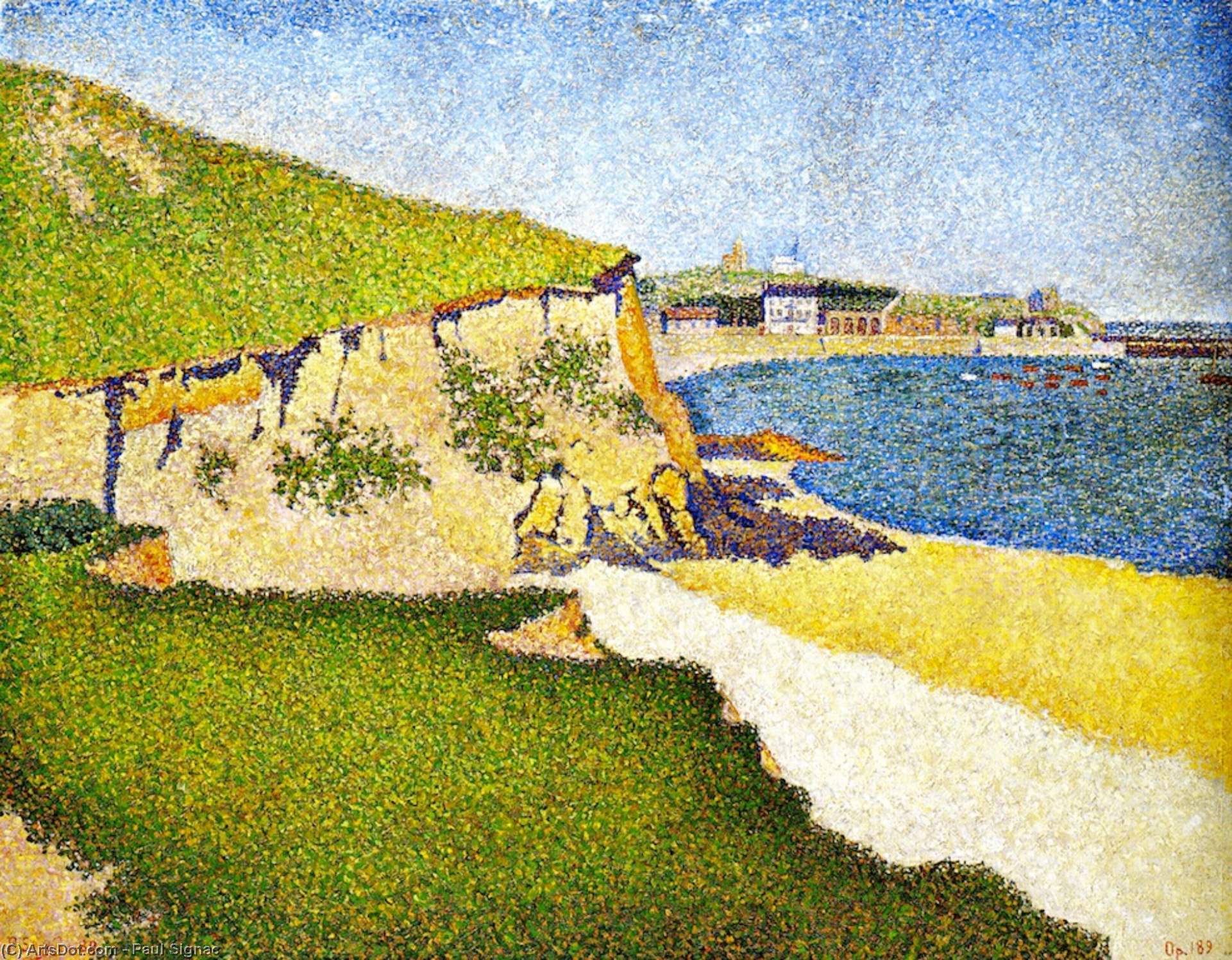
Tertre Denis, Portrieux, Opus 189


 詳細を見る
詳細を見る




P118B $10

P118H $10

P118W $10

P438Z $10

P508JH $12

P508YH $12

P805H $10

P805Z $10

P919BZ $10

P919G $10

P919XJ $10

P959ZH $10

P968JZ $12

W106C $8

W218G $10

W218JH $8

W218Y $10

W307PJ $10

W316G $10

W316PJ $8

W316Y $10

W398PJ $8

W4111J $10

W500HY $15

W500JH $15

W692G $12

W849H $8

W940BG $15

W953PJ $8




作品のオリジナル比率に合わせた、当店の規定サイズからお選びください。

特定のフレームやスペースに合わせて、ご希望のサイズをご入力いただけます。選択されたサイズが元の画像の比率と異なる場合、アートワークをトリミングするか、手描きで要素を追加して絵画を拡張いたします。デジタルモックアップ を制作し、制作開始前にご確認(承認)をいただきます。
画面上のプレビューは、実際のトリミングや拡張を正確に反映しているものではありません。最終的な構図は、モックアップによってのみ正確にご確認いただけます。
カスタムサイズもご利用いただけますが、元の比率を維持するためには、あらかじめ用意されたリストからサイズを選択することをお勧めいたします。
ご注文後、ArtsDot.com チームより詳細な指示をお送りするとともに、仕上がりイメージ(モックアップ)をご提供いたします。


 ガラスオプションは、110cm未満のサイズでのみご利用いただけます。

Tertre Denis, Portrieux, Opus 189
複製技法
複製画のサイズ
-


合計金額
$ 263
作品解説
Tertre Denis, Portrieux, Opus 189: A Symphony of Light and Color
Paul Signac’s “Tertre Denis, Portrieux, Opus 189” is more than just a depiction of a coastal scene; it's an immersive experience, a testament to the revolutionary approach of Post-Impressionism. Painted in 1888, this artwork captures the serene beauty of the French coastline with a precision and vibrancy that continues to captivate viewers over a century later. The Phillips Collection holds this remarkable piece, a cornerstone of Signac’s oeuvre and a prime example of his collaboration with Georges Seurat – the birth of Pointillism.
- Subject Matter: A quintessential coastal landscape featuring a dramatic cliff face overlooking a tranquil bay, dotted with boats and figures enjoying the day.
- Historical Context: Created during the height of the Post-Impressionist movement, “Tertre Denis” reflects a deliberate reaction against the fleeting impressions favored by earlier Impressionists. Signac and Seurat sought to impose order on color and light through scientific principles, aiming for a more durable and intellectually rigorous art form.
- Artist Significance: Paul Signac was a key figure in developing Pointillism, a technique that profoundly influenced modern art and paved the way for Fauvism and other subsequent movements.
The Technique of Pointillism – A Calculated Brilliance
What immediately strikes the viewer is the astonishing density of tiny dots—a deliberate and meticulously executed technique known as Pointillism. Signac, alongside Seurat, pioneered this method, believing that by applying pure colors side-by-side, the eye would optically blend them, creating a richer and more luminous effect than could be achieved with traditional brushstrokes. This wasn't haphazard application; each dot was carefully placed, contributing to an overall texture and shimmering quality that seems to vibrate with light. The photograph reveals a granular surface, a testament to the immense labor involved in creating this masterpiece. The use of lines is entirely implied through the arrangement of dots; there are no defined outlines. Shapes are primarily geometric – triangles for the cliffs, rectangles for the buildings, and curves for the shoreline.
Decoding the Symbolism and Emotional Impact
Beyond its technical brilliance, “Tertre Denis” evokes a powerful sense of tranquility and connection with nature. The horizontal format emphasizes the expansive coastline, inviting the viewer to contemplate the vastness of the sea and sky. The scattered boats and figures suggest human interaction with this natural beauty, adding a layer of narrative without explicit storytelling. The diffused lighting – likely an overcast day – contributes to the painting’s serene mood, reinforcing its symbolic representation of peace and harmony. The subject matter is purely representational – a natural landscape. Symbolically, it evokes a sense of tranquility and the beauty of the seaside.
A Legacy of Innovation
“Tertre Denis, Portrieux, Opus 189” stands as a pivotal work in the history of art, demonstrating Signac’s unwavering commitment to scientific rigor and his profound understanding of color. Its influence can be seen in countless subsequent artists who sought to harness the power of optical mixing and create works that shimmered with light and emotion. This painting is not merely a beautiful landscape; it's a window into the birth of modern art, a testament to the transformative potential of innovation and observation.
関連作品
アーティストの略歴
初期の探求と新印象主義への道
ポール・ヴィクトル・ジュール・シニャックは、1863年にパリで生まれました。彼は近代美術の進化において重要な役割を果たし、新印象主義の誕生と発展に深く関わっています。当初は建築に興味を持ちましたが、若くしてクロード・モネの展覧会に出会い、絵画への情熱を燃やし始めました。この出会いが、彼の人生を変え、色彩理論と芸術表現を再定義する道へと進むきっかけとなりました。シニャックは単なる画家ではありませんでした。彼は光、色彩、そして視覚知覚の根底にある科学を探求することに献身的な人物でした。初期の作品には印象派の影響が見られますが、ジョルジュ・スーラとの出会いによって急速に変化し、点描主義—純粋な色彩を小さな点で緻密に描き込み、鑑賞者の目で光学的に混合させる技法—が誕生しました。これは単なる美学の問題ではなく、絵画を体系化しようとする試みであり、従来の芸術規範に挑戦するものでした。スーラとの対話と新印象主義の確立
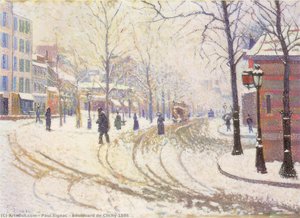
1884年にシニャックとスーラが出会ったことは、両者にとって転換点となりました。彼らはウジェーヌ・ドラクロワの色彩理論に関する著作、特に補色対比や色の感情的な影響についての探求に強い関心を共有していました。共に色彩の原理を厳密に研究し、それを革命的な絵画技法へと翻訳しました。シニャックはスーラのビジョンを全面的に受け入れ、印象派の流動的な筆致を捨てて、精確で計算された点描法を採用しました。クリシー大通り (1886) はこの新しいアプローチの初期の証であり、シニャックの細密なスタイルと科学的レンズを通して都市生活の活力を捉えようとする彼の献身を示しています。しかし、彼らの協力は技術的な側面だけでなく、絵画を厳格な科学のレベルに高めようという共通の願望によって支えられた知的探求でもありました。シニャックはスーラのアイデアを熱心に擁護し、批判に対して新印象主義の原則を守り続けました。スーラが1891年に若くして亡くなった後、シニャックはその共有された芸術的ビジョンの主要な提唱者となり、その役割に揺るぎない献身をもって応えました。沿岸の幻想と芸術的独立
スーラの死後、シニャックの芸術的な旅は新たな次元を獲得し、彼が深く愛した航海と地中海の魅力によって大きく影響を受けました。彼は1892年にサン=トロペを発見し、そこをアーティストたちの避難所とし、無限のインスピレーションの源として確立しました。きらめく水面、太陽に照らされた港、絵のように美しい沿岸の町は、光と色彩の相互作用を探求するための理想的な環境を提供しました。赤いブイ、サン=トロペ (1895) はこの時期を代表する作品であり、彼の点描法の習熟度と海の活気に満ちた色合いとダイナミックなエネルギーを捉える能力を示しています。彼の技法は進化し、より流動的で表現力豊かなものになりながらも、その科学的な基盤を維持しました。彼はスーラの厳格な点描法から離れ、より大きな筆致や幅広いパレットを試みました。シニャックの旅はフランス国内にとどまらず、イタリア、オランダ、さらにはコンスタンティノープルにまで及び、それぞれの旅が彼の芸術的語彙を豊かにし、視野を広げました。アヴァンギャルドの庇護者と永続的な遺産
シニャックは自身の芸術的追求だけでなく、Société des Artistes Indépendantsにおけるリーダーシップを通じて近代美術の発展に重要な役割を果たしました。彼は1908年から1935年に亡くなるまで会長を務め、芸術の自由を擁護し、アンリ・マティスやアンドレ・デランなど、フォーヴィスムやキュビスムの先駆者たちに舞台を提供しました。彼は従来の美的規範に挑戦する物議を醸す作品をいち早く認識し、支持しました。シニャックは包容性を重視し、革新を受け入れる姿勢が20世紀美術の軌跡を形作るのに役立ちました。彼の理論的な著作、特にウジェーヌ・ドラクロワから新印象主義へ (1899) は、彼を美術界における主要な知識人としての地位を確固たるものにしました。ポール・シニャックの遺産は魅力的な絵画にとどまらず、彼は先見性のあるアーティストであり、献身的な理論家であり、次世代のアーティストに永続的な影響を与えた寛大な庇護者でした。主な日付と業績
- 1863年: フランスのパリで生まれる。
- 1884年: ジョルジュ・スーラとともにSociété des Artistes Indépendantsを共同設立する。
- 1886年: 初期点描主義の重要な例であるクリシー大通りを描く。
- 1895年: 沿岸の風景における彼の習熟度を示す赤いブイ、サン=トロペを制作する。
- 1899年: 色彩理論に関する重要な著作であるウジェーヌ・ドラクロワから新印象主義へを発表する。
- 1908 – 1935年: Société des Artistes Indépendantsの会長を務め、アヴァンギャルドアーティストを擁護する。
- 1935年: 72歳でパリで亡くなり、豊かな芸術的遺産を残す。
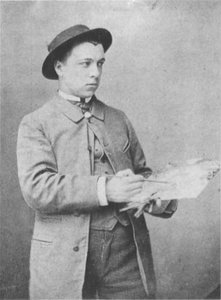
ポール・シニャック
1863 - 1935 , フランス
基本情報
- Artistic Movement Or Style: 新印象派、点描主義
- Artists Or Movements Influenced By This Artist:
- アンリ・マティス
- フォーヴィスム
- Artists Who Influenced This Artist:
- クロード・モネ
- ジョルジュ・スーラ
- Date Of Birth: 1863年11月11日
- Date Of Death: 1935年8月15日
- Full Name: ポール・ヴィクトル・ジュール・シニャック
- Nationality: フランス人
- Notable Artworks (List Of Titles):
- クリシー大通り
- 赤いブイ
- ラ・ヴァルーゼ
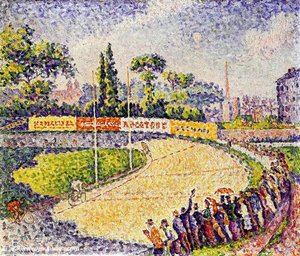
- ヴェロドローム
- Place Of Birth (City And Country): フランス、パリ
関連記事

ポール・セザンヌ:至高の25選 - 傑作と革新の軌跡 | ArtsDot
ポール・セザンヌの至高の25選。ポスト印象派を代表する画家、セザンヌの傑作と革新的な技法を紐解きます。ArtsDotで高品質な複製画やインテリアアートを見つけ、芸術の世界をご自宅に。今すぐコレクションをご覧ください。

Impressionistic Landscapes: 10 Masterpieces That Changed Art & Decor
Journey into the heart of Impressionism! Explore 10 masterpieces by Monet, Renoir & Degas that revolutionized landscape art. Discover their stories, techniques & find museum-quality reproductions to elevate your home decor on ArtsDot.com.
パウル・クレー傑作25選:色彩と象徴に満ちた芸術の世界 | ArtsDot
パウル・クレーの傑作25選🎨 色彩と象徴に満ちた抽象絵画の世界を旅。ドイツ表現主義からバウハウスまで、クレーの革新的な技法と感動的な作品群をArtsDotで。高品質な美術品複製やインテリアアートも豊富です。オンラインストアで全コレクションをご覧ください。
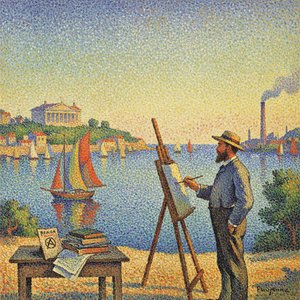
Paul Signac: Pointillism, Politics & the Pursuit of Harmony in Modern Art
Explore the life & art of Paul Signac, a key figure in Neo-Impressionism. Discover his Pointillist technique, anarchist beliefs, and stunning coastal scenes. Learn about his influence on modern art history.

印象派風景を彩った至宝:アート史に名を刻む10選
印象派風景の革新を彩った10選。モネ、ルノワールら巨匠の名作を紐解き、色彩と光が生み出す感動の世界へ。アートの歴史とインテリアのインスピレーションをArtsDot.comで。高品質な複製画で、あなただけの空間を創造しましょう。