

 プリントを購入
 シェアする
シェアする シェアする
シェアする
 詳細を見る
詳細を見る

 ダウンロード
 似ている作品
 スライドショー
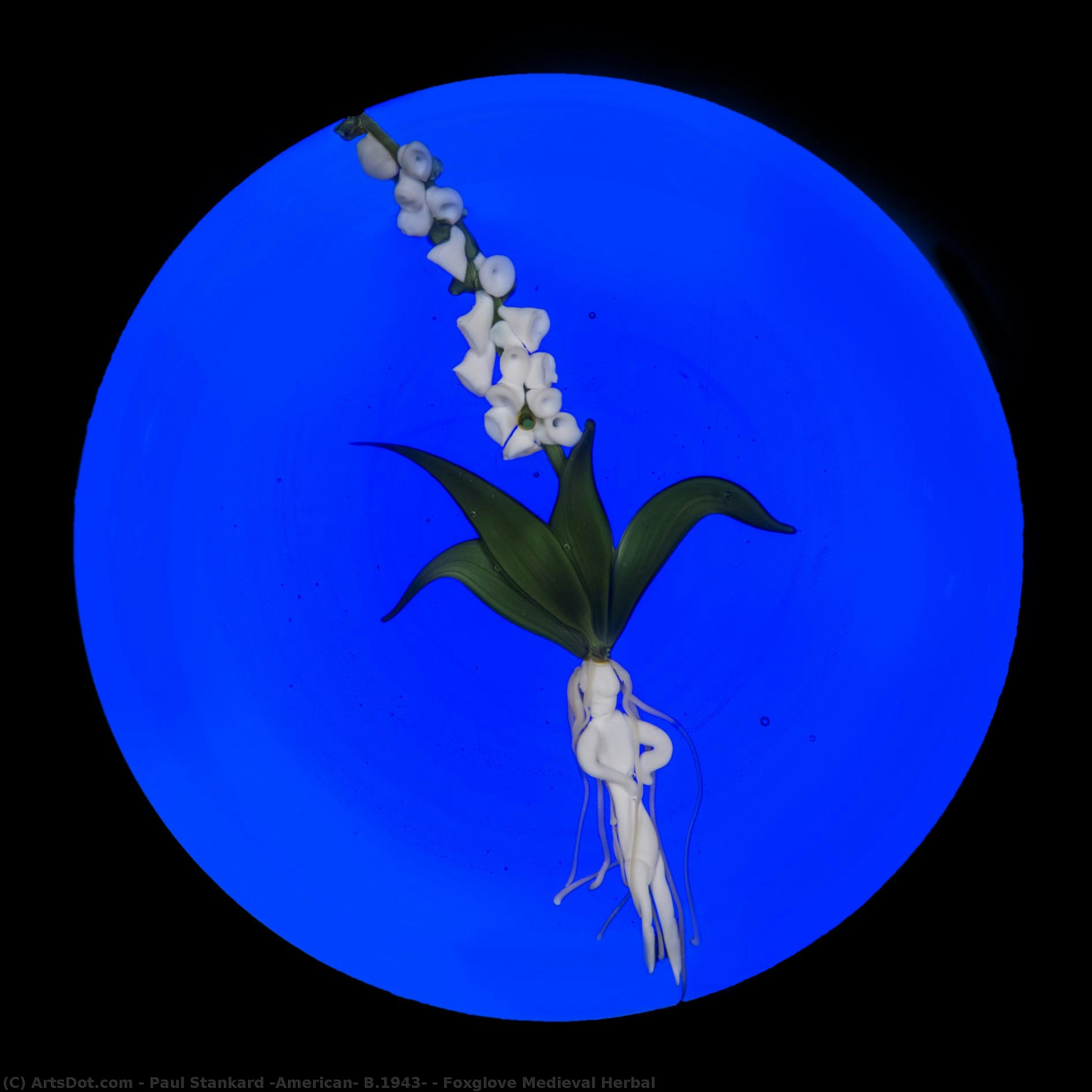
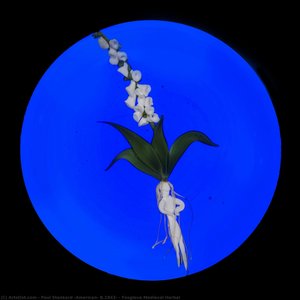
Foxglove Medieval Herbal
 Glasswork / Stained Glass
- Contemporary Realism
 Contemporary
 4.0 x 7.0 cm
 Bergstrom-Mahler Museum of Glass
 詳細を見る
詳細を見る
オンラインプレビューをはるかに凌ぐ、高解像度で鮮明なデジタル画像をご購入いただけます。
各ファイルは、社内の専門家が高度なツールと熟練した手作業によるレタッチを用いて、細心の注意を払って準備されています。すべての画像において、卓越した鮮明度、正確な色彩再現性、そして繊細なディテールを保証いたします。
最終ファイルは、プロフェッショナルな編集・印刷環境ですぐにご利用いただけるよう最適化された状態で、72時間以内にメールにてお届けいたします。これは、一流のデザインスタジオ、出版社、ギャラリーから信頼されているものと同等の品質です。
デジタル画像のご注文に付随する特典
高品質なデジタル画像配信を、確かな品質で。
ArtsDot.com を選ぶことは、単に画像を手に入れることではありません。それは、プロの手によって精密に仕上げられ、満足保証が付いた高品質なデジタルアートワークを受け取ることを意味します。ご注文いただいた際に自動的に付随する内容は、以下の通りです:

メールですぐにお届け
ご注文から72時間以内に、高解像度のデジタル画像ファイルがメールでお手元に届きます。すぐにそのままご利用いただけます。

AI技術で最適化されたデジタルファイル
お客様の作品は、高度なAIツールと専門家による手作業の編集を組み合わせてプロフェッショナルに最適化されており、細部のディテール、鮮明さ、そして正確な色再現性を最大限に引き出しています。

一生涯無料の再送サービス
ファイルを誤って削除したり、紛失してしまったりしましたか?ご安心ください。いつでも無料で再送いたします。

輸入手数料は一切かかりません
関税や手数料、配送料を気にすることなく、お気に入りのアートワークをすぐにお楽しみいただけます。デジタルダウンロードは常に免税です。

色彩再現の保証
プロ仕様のツールとカラーマネジメント技術を用いることで、デジタル画像が元の色を最大限に忠実に再現することを保証いたします。

60日間満足保証
ご購入いただいたデジタル画像にご満足いただけない場合は、60日以内であれば、修正または100%の返金(理由を問う必要はありません)をさせていただきます。

100% 返金保証
ご満足いただけない場合は、デジタルファイルを受け取ってから60日以内であれば、理由を問わず全額返金いたします。

まとめ買い割引
3枚購入で10%OFF - 5枚購入で15%OFF - 10枚以上購入で20%OFF。クリエイティブなプロジェクト、ギャラリー、エージェンシーに最適です。
The Alchemy of Glass: A Botanical Encounter
In the delicate realm of contemporary glass art, few names resonate with as much reverence as Paul Stankard. Often referred to as the "Alchemist of Glass," Stankard possesses a singular ability to freeze time, capturing the fleeting vitality of the natural world within the permanent, translucent medium of molten silica. His work, specifically the Foxglove Medieval Herbal, serves as a breathtaking testament to this mastery. This piece is not merely a representation of a plant; it is an intimate encounter with a botanical specimen that feels as though it were plucked from a dream and preserved in a crystalline vacuum. The artwork presents a close-up, almost scientific study of the Foxglove, illuminated by a dramatic, intense blue light that lends the composition a surreal, otherworldly quality.
The visual impact of this work lies in its masterful use of contrast and light. Set within a circular frame that focuses the viewer's gaze, the Foxglove dominates the composition, its intricate structures rendered with startling clarity. The deep, solid blue background acts as an infinite void, pushing the organic forms of the flower toward the viewer. This stark lighting technique creates sharp, defined edges along the leaves and emphasizes the delicate, bell-like curves of the flower spikes. Every texture—from the smooth, waxy surface of the petals to the more rugged, tactile quality of the stem—is heightened by the directional light, inviting the eye to wander through a miniature landscape of glass.
Symbolism and the Beauty of Peril
Beyond its technical brilliance, the Foxglove Medieval Herbal carries a profound symbolic weight. In the language of flowers, the Foxglove is a complex symbol; it embodies grace and elegance, yet it carries an inherent warning of danger due to its potent toxicity. Stankard leans into this duality, using the dramatic blue lighting to evoke a sense of mystery and even a hint of the supernatural. The piece captures the tension between the inviting beauty of the bloom and the silent, lethal power held within its nectar. This interplay of light and shadow mirrors the complexities of nature itself—a world that is simultaneously nurturing and perilous.
For the collector or interior designer, this artwork offers more than just aesthetic pleasure; it provides a focal point for contemplation. The piece functions as a "memento vivere"—a reminder of life in its most intricate and fragile forms. Its ability to command attention through color and form makes it an ideal centerpiece for sophisticated spaces, where its deep blues and organic shapes can interact with modern or classical decor alike. It is a work that invites the viewer to slow down, to observe the minute details, and to find wonder in the microscopic wonders of the natural world.
A Masterpiece of Precision and Passion
The creation of such a piece requires a level of skill that borders on the miraculous. Stankard’s background in scientific glassblowing provides him with the technical foundation necessary to manipulate glass at extreme temperatures, yet it is his artistic vision that elevates the work from craft to fine art. Each element of the Foxglove—the delicate veins in the petals, the subtle gradients of color, and the structural integrity of the stem—is meticulously crafted through a process of layering and controlled cooling. This technique allows for a depth of field that mimics the organic complexity of real flora, creating an illusion of life within a solid medium.
Owning a reproduction of such a profound work allows one to bring the quiet intensity of Stankard’s botanical universe into the home. It is an investment in a piece of contemporary history, celebrating the intersection of scientific precision and poetic expression. Whether placed in a sunlit study or a moody, dimly lit gallery space, the Foxglove Medieval Herbal continues to pulse with a silent, luminous energy, reminding us that even in the most frozen of mediums, life can be captured in all its breathtaking glory.
関連作品
作家の略歴
Paul Stankard: The Alchemist of Glass
Paul Joseph Stankard, born in North Attleboro, Massachusetts, in 1943, isn’t merely a glass artist; he's an alchemist. For over six decades, he has meticulously transformed molten glass into breathtaking microcosms—paperweights that capture the ephemeral beauty of nature with astonishing realism and profound emotional resonance. His journey from a struggling scientific glassblower to a globally recognized master is a testament to perseverance, artistic vision, and a deep-seated love for the natural world. Stankard’s work transcends mere craft; it's an exploration of perception, memory, and the delicate balance between imitation and representation.
Stankard’s early life was marked by challenges that would shape his artistic approach. Diagnosed with dyslexia at a young age, he faced significant obstacles in traditional schooling. This experience fostered a self-directed learning style, fueled by an insatiable curiosity and a reliance on audiobooks – a practice that profoundly influenced his meticulous attention to detail and his ability to translate complex natural forms into glass.
His career began within the confines of scientific laboratories, where he honed his technical skills as a glassblower. However, a yearning for creative expression ultimately led him to abandon this stable profession in 1969. Inspired by visits to Harvard’s renowned Blaschka Glass Flowers – exquisitely detailed botanical specimens preserved in glass – and guided by the mentorship of Francis Whittemore, Stankard embarked on his artistic transformation. He began experimenting with paperweights in his own workshop, initially seeking to replicate the intricate beauty of the Blaschka collection. This early phase established a foundation of technical mastery and an unwavering commitment to accuracy.
The Blossoming of Botanical Realism
Stankard’s artistic breakthrough came not from mimicking existing forms but from developing his own unique style—a radical departure from the brightly colored, often stylized floral paperweights prevalent at the time. He sought to capture the essence of each flower with unparalleled realism, meticulously studying its structure, color variations, and subtle textures. This dedication resulted in paperweights that appeared almost impossibly lifelike, evoking a sense of wonder and inviting viewers to lose themselves within their miniature worlds.
His technique is deceptively complex. Stankard employs a combination of traditional flameworking techniques – heating glass rods with a torch and manipulating them with tweezers – alongside innovative methods developed over his long career. He meticulously builds up layers of colored glass, often incorporating intricate details such as veins, petals, and stamens. The process demands immense patience, precision, and an intimate understanding of the material’s behavior. Crucially, Stankard doesn't simply replicate; he imbues each piece with a sense of movement and life, capturing not just the appearance but also the feeling of a flower in bloom.
Influences and Legacy
Stankard’s artistic vision is deeply rooted in the legacy of Ferdinand Blaschka and Karl Blossfeldt, both pioneers in botanical illustration. The Blaschkas' meticulously preserved flowers provided Stankard with a model for accuracy and detail, while Blossfeldt’s photographs of plant forms emphasized structure and geometry – principles that informed Stankard’s own approach to glassmaking. Furthermore, his early exposure to audiobooks instilled a profound appreciation for the power of observation and detailed documentation.
Stankard's work has had a transformative impact on the field of studio glass. He elevated paperweights from a decorative craft to a respected art form, demonstrating their capacity for complex narratives and emotional depth. His influence can be seen in the work of countless contemporary glass artists who continue to explore themes of nature, memory, and perception. He is recognized as one of the most important figures in the Studio Glass movement, celebrated for his technical virtuosity, artistic vision, and unwavering dedication to his craft.
Major Achievements and Recognition
Throughout his illustrious career, Stankard has received numerous accolades recognizing his exceptional talent and contributions to the art world. He was awarded two honorary doctorate degrees – one from Rowan University in 1997 and another from Muskingum University in 2007 – reflecting his profound impact on education and artistic practice. He is a fellow of the American Craft Council, receiving the prestigious College of Fellows Award in 2000.
His work has been exhibited extensively at museums around the world, including the Smithsonian American Art Museum, the Metropolitan Museum of Art, the Corning Museum of Glass, and numerous galleries and institutions dedicated to contemporary art. Stankard’s paperweights are held in prestigious collections, a testament to their enduring beauty and artistic significance.
A Continuing Journey
Today, Paul Joseph Stankard continues to work tirelessly, pushing the boundaries of glassmaking and exploring new avenues for creative expression. His latest book, *Inspiration from the Art of Paul Stankard: A Window into My Studio and Soul*, offers a rare glimpse into his artistic process and provides insights into the profound influences that shape his work. Stankard’s legacy extends beyond individual artworks; it represents a commitment to lifelong learning, unwavering dedication to craft, and an enduring appreciation for the beauty of the natural world—qualities that continue to inspire artists and viewers alike.
paul stankard (american, b.1943)
1943 - , United States of America
プロフィール概要
- Artistic Movement Or Style: Studio Glass
- Artists Or Movements Influenced By This Artist:
- Reese Palley
- French Paperweights
- Artists Who Influenced This Artist:
- Francis Whittemore
- Blaschka Flowers
- Date Of Birth: April 7, 1943
- Full Name: Paul Joseph Stankard
- Nationality: American
- Notable Artworks:
- Compound Apple Blossom
- Foxglove Medieval Herbal
- Wild Roses
- Place Of Birth: North Attleboro, MA

